
Sleep is essential for physical restoration, mental clarity, and overall well-being. Yet, insomnia affects millions worldwide, leaving people restless, fatigued, and stressed. While many treatments focus on medication or supplements, combining wet cupping therapy with a nutrition plan tailored for sleep support offers a natural, holistic approach. This strategy targets muscle tension, nervous system imbalances, and dietary triggers that can interfere with restorative sleep.
Foods That Calm the Nervous System
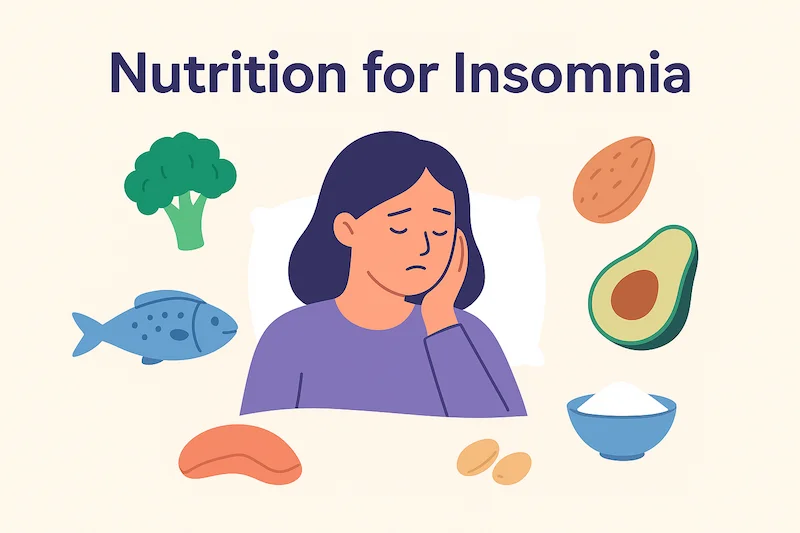
Insomnia often arises from a hyperactive nervous system. Certain foods and nutrients can support relaxation, serotonin production, and sleep onset.
Key nutrients and foods include:
- Magnesium: Found in leafy greens, pumpkin seeds, almonds, and dark chocolate. Magnesium helps relax muscles, calm nerves, and regulate neurotransmitters involved in sleep.
- Tryptophan: Present in turkey, eggs, tofu, and dairy. Tryptophan is a precursor to serotonin and melatonin, hormones critical for sleep-wake cycles.
- Complex carbohydrates: Whole grains, oats, quinoa, and sweet potatoes help stabilize blood sugar and encourage serotonin synthesis.
- Herbal aids: Chamomile tea, valerian root, or passionflower can support relaxation and prepare the body for sleep.
Incorporating these foods consistently throughout the day and particularly in the evening can reduce the mental and physiological tension that often contributes to insomnia.
How Wet Cupping Enhances Sleep Quality
While nutrition sets the stage for sleep, wet cupping therapy directly addresses physical tension and circulatory stagnation, which are common culprits in sleep disturbances.
- Target muscles: The trapezius, SCM (sternocleidomastoid), and upper thoracic muscles are frequent sources of tension that radiate to the head, neck, and shoulders.
- Improved circulation: By gently releasing trapped blood and promoting lymphatic drainage, wet cupping helps reduce pressure and inflammation in these areas.
- Parasympathetic activation: Releasing muscular tension sends calming signals to the nervous system, supporting the transition into restorative sleep.
For many, effects are noticeable within a few sessions, but combining this therapy with nutrition ensures sustained improvement in sleep quality.
Daily Meal Timing and Nighttime Habits
Optimizing meal timing and evening habits further supports insomnia relief. Consider these guidelines:
- Eat dinner 2–3 hours before bedtime – This allows digestion to complete, reducing the chance of nighttime discomfort or reflux.
- Avoid caffeine and high-sugar foods after mid-afternoon – Stimulants can interfere with the natural winding-down process.
- Include a small, sleep-promoting snack if needed – Examples: banana with almond butter, oatmeal with a sprinkle of pumpkin seeds, or warm herbal tea.
- Hydration – Sip water or calming herbal teas, but avoid excessive fluids that could disrupt sleep with nighttime urination.
Combining these dietary habits with wet cupping sessions on key neck and shoulder points creates a synergistic effect. Tension is released physically, while the body is nourished for optimal nervous system function.
Supporting Habits for Long-Term Sleep Improvement
Beyond food and wet cupping, lifestyle habits can reinforce restorative sleep:
- Mindful breathing or meditation: Practicing 5–10 minutes of diaphragmatic breathing before bed helps reduce stress hormone levels.
- Gentle evening movement: Light stretching or yoga keeps muscles supple and reduces tension in the trapezius and cervical region.
- Consistent sleep schedule: Going to bed and waking up at the same time daily trains the circadian rhythm.
- Screen hygiene: Limiting blue-light exposure at least an hour before bedtime reduces disruption to melatonin production.
- Sleep-friendly environment: Dark, cool, and quiet rooms enhance sleep depth.
Integrating these habits alongside nutrition and wet cupping creates a holistic framework that addresses both cause and symptom of insomnia.
Practical Routine Example
A simple evening routine could include:
- 6–7 PM: Light dinner with complex carbs and magnesium-rich vegetables.
- 7:30 PM: Gentle cervical and trapezius stretching.
- 8 PM: Herbal tea and hydration.
- 8:30 PM: Wet cupping session targeting upper back and neck (if at home, follow a safe protocol).
- 9 PM: Mindful breathing or meditation.
- 9:30–10 PM: Lights out.
Following this structure consistently supports a natural reduction in insomnia symptoms over time.
Conclusion
Insomnia is multifaceted, often influenced by physical tension, nervous system activity, and dietary choices. A holistic approach that combines wet cupping therapy with nutrition optimized for sleep offers natural relief. By targeting cervical and trapezius tension, promoting circulation, and supporting the nervous system with magnesium, tryptophan, and complex carbohydrates, the body can achieve deeper, more restorative sleep.
Consistent practice, mindful evening habits, and supportive nutrition create a sustainable path for improving sleep quality without relying solely on medication. Many individuals notice improved sleep within weeks, alongside reduced muscle tension, better mood, and enhanced daily energy.
Boost your sleep with holistic support. Pair nutrition, mindful habits, and targeted wet cupping to release tension and wake up refreshed naturally.