
Best Time for Wet Cupping During Ramadan: Before Iftar or After?
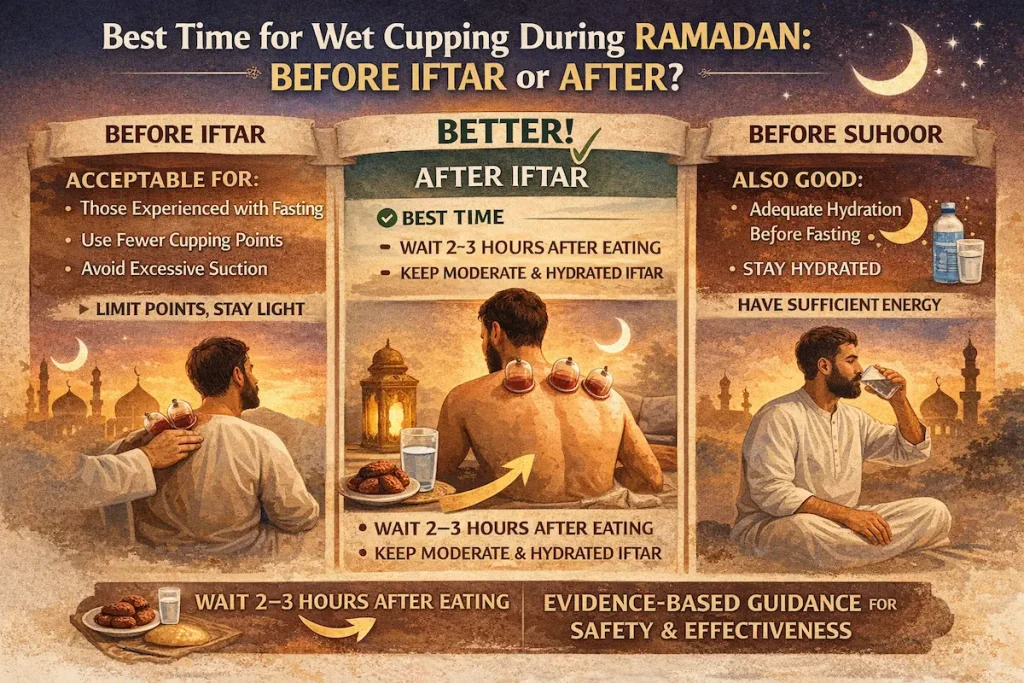
During Ramadan, many people who practice wet cupping ask a practical and important question: Is it better to do wet cupping before Iftar or after breaking the fast? Fasting alters hydration patterns, circulation dynamics, and digestive activity. Because wet cupping interacts with blood flow, microcirculation, and autonomic regulation, timing matters. The goal is not to avoid wet cupping during Ramadan, but to align it with the body’s fasting physiology. An evidence-based answer avoids extremes. Wet cupping is neither inherently risky during fasting nor something that should be performed carelessly without regard to bodily readiness. How Fasting Changes the Body During daily fasting hours, the body undergoes predictable and reversible adaptations: Insulin levels decrease Fat metabolism increases Circulating plasma volume becomes slightly more concentrated Digestive activity pauses, reducing blood flow to the gut These changes are well tolerated in healthy individuals, especially when hydration and nutrition are restored during non-fasting hours. Importantly, wet cupping primarily affects local circulation and regulatory mechanisms, not systemic energy stores. The Importance of an Empty Stomach Regardless of timing, one core principle of wet cupping remains consistent: it is best performed on a relatively empty stomach. During Iftar, the body rapidly shifts from fasting to digestion. Heavy or excessive eating causes increased blood flow to the gastrointestinal system and temporary circulatory redistribution. Performing wet cupping too soon after a large meal may reduce comfort and tolerance. For this reason, experienced practitioners commonly recommend: Keeping Iftar meals moderate Avoiding overeating or excessive fluid loading Waiting approximately 3 hours after eating before wet cupping This allows digestion to stabilize while maintaining adequate hydration, creating a more physiologically favorable window for the procedure. Wet Cupping Before Iftar Performing wet cupping before Iftar means undergoing the procedure during the fasting window. When It May Be Suitable For individuals accustomed to fasting For those who do not experience weakness easily When sessions are light and focused From a religious and historical perspective, authentic reports indicate that the Prophet Muhammad underwent wet cupping while fasting. Most scholars hold that wet cupping does not invalidate the fast, though delaying it is advised if it causes weakness. Practical Adjustments During Fasting When wet cupping is done before Iftar: Fewer cupping points are used Excessive suction is avoided Sessions are shorter and more targeted This approach respects the fasting state while still allowing wet cupping to act on local blood stagnation and regulatory pathways. Wet Cupping After Iftar For most people, the best time, after Iftar is the most comfortable and safest option. Once hydration and initial nourishment are restored: Plasma volume improves Blood pressure stabilizes Tolerance to mild blood release increases However, timing still matters. Wet cupping should not be performed immediately after eating. Allowing a 3 hour gap ensures digestion has settled and circulation is balanced. From a modern physiological perspective, this timing offers the highest margin of comfort and consistency. What About Before Suhoor? Another favorable window is before Suhoor. Advantages include: Adequate hydration afterward Stable energy levels for many individuals Sufficient recovery time before daytime fasting begins For some, this timing combines the benefits of fasting compatibility and digestive readiness. Root Mechanisms and Symptom Relief Wet cupping during Ramadan is sometimes framed as merely easing fatigue or discomfort. This overlooks its biological action. Wet cupping acts on identifiable mechanisms, including: Local blood stagnation Microcirculatory congestion Low-grade inflammatory signaling Neurovascular regulation Symptom relief—such as reduced heaviness, tension, or fatigue—is a secondary outcome of these processes, not the sole objective. This dual action aligns with how many accepted medical interventions function. Practical Timing Summary Best overall timing for most people: After Iftar, with a 2–3 hour gap after eating Also suitable: Before Suhoor, with proper hydration Conditionally acceptable: Before Iftar, using fewer points and lighter technique The optimal choice depends on hydration status, individual tolerance, and practitioner judgment—not rigid rules. Final Verdict There is no inherent conflict between Ramadan fasting and wet cupping when practiced thoughtfully. By respecting the empty-stomach principle, moderating Iftar intake, adjusting technique during fasting hours, and prioritizing hydration, wet cupping can be integrated safely and coherently into the Ramadan routine. Want to learn how to schedule wet cupping during Ramadan, choose the right points, and support recovery with proper hydration? Explore our complete Ramadan wet cupping guide for clear, evidence-based practice.
Is Wet Cupping Safe During Ramadan Fasting? Evidence-Based Guidance
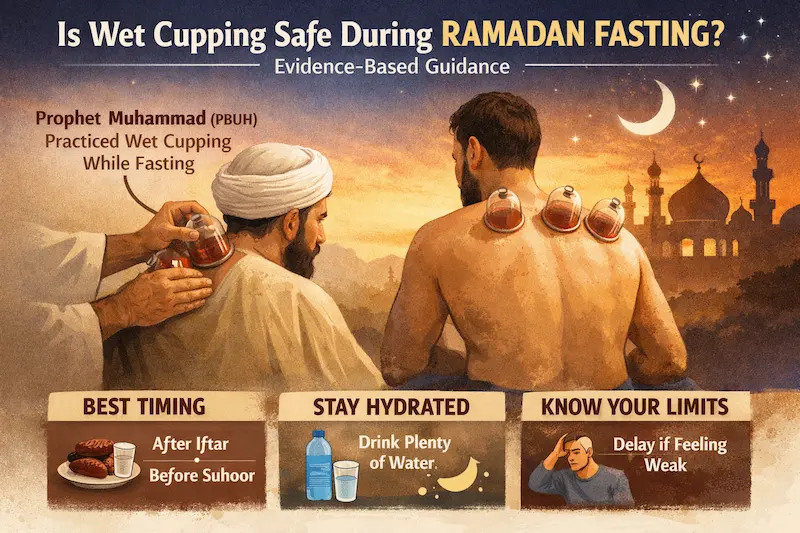
Introduction: Fasting, Physiology, and Wet Cupping Ramadan fasting introduces a unique physiological state. For 12–16 hours daily, the body shifts into controlled caloric restriction, altered hydration patterns, and metabolic adaptation. During this period, many people ask a critical question: Is wet cupping safe during Ramadan fasting? Wet cupping has been practiced for centuries in fasting cultures, yet modern discussions often blur clarity by framing it as either risky or purely symbolic. An evidence-based view requires neither exaggeration nor dismissal. Instead, it asks a simpler question: How does wet cupping interact with the fasting physiology—and under what conditions does it remain safe? Understanding the Fasting State During fasting, several physiological changes occur: Reduced insulin levels Increased fat utilization Mild hemoconcentration due to limited fluid intake Temporary reduction in circulating plasma volume Importantly, fasting does not equate to dehydration in healthy individuals who rehydrate adequately during non-fasting hours. The body maintains homeostasis through hormonal regulation and renal conservation mechanisms. This matters because wet cupping interacts primarily with local circulation, microvascular congestion, and inflammatory signaling, not with systemic nutrient depletion. How Wet Cupping Works During Fasting Wet cupping involves controlled negative pressure followed by superficial skin incisions to release a small amount of blood. From a physiological perspective, its primary effects include: Reduction of localized blood stagnation Improvement in microcirculatory flow Modulation of low-grade inflammation Neural and autonomic regulation via skin–nerve interaction These mechanisms operate locally and regionally, not as a systemic blood-loss intervention. The volume released is modest and does not meaningfully compromise oxygen delivery or metabolic stability when performed correctly. Safety Considerations: Timing Matters Evidence and clinical practice converge on one key variable: timing. Most practitioners recommend scheduling wet cupping during Ramadan either: 3 hours After Iftar (evening meal) Before Suhoor (pre-dawn meal) Why? Because these windows allow: Adequate hydration Electrolyte replenishment Better autonomic stability Performing wet cupping late in the fasting day—when hydration is lowest—may increase transient dizziness in some individuals, especially those unaccustomed to fasting. This is not unique to wet cupping; similar considerations apply to blood tests, exercise, or prolonged standing during fasting hours. Hydration and Blood Volume: A Balanced View A common misconception is that wet cupping during Ramadan “drains the body.” This framing ignores proportionality. Typical wet cupping releases far less blood than routine medical phlebotomy Plasma volume is rapidly restored with post-procedure hydration The body compensates efficiently in healthy adults From a physiological standpoint, the safety profile of wet cupping during Ramadan is comparable to other mild interventions performed around fasting periods—provided hydration and recovery are respected. Who Should Be More Cautious? An objective framework applies the same standards used for any intervention, whether traditional or pharmaceutical. Individuals who should approach wet cupping with added caution during Ramadan include: Those with severe anemia Individuals with uncontrolled bleeding disorders Patients already experiencing symptomatic dehydration These considerations are not unique to wet cupping and apply equally to many medical procedures, medications, and lifestyle interventions during fasting. Addressing the “Symptom vs Root Cause” Debate Some critics claim wet cupping offers only symptomatic relief, especially during Ramadan when fatigue or discomfort may fluctuate. This oversimplifies observed physiology. Wet cupping acts on specific root mechanisms, including: Microcirculatory stagnation Local inflammatory burden Neurovascular dysregulation Symptom relief—such as reduced heaviness, tension, or fatigue—is not a placebo effect but a secondary outcome of these mechanistic changes. This dual action aligns with many accepted medical interventions, which also target underlying pathways while improving symptoms. Religious and Historical Context From a historical and religious perspective, wet cupping has long been practiced during fasting periods, including within Islamic tradition. Authentic historical reports note that the Prophet Muhammad underwent wet cupping while fasting, which has informed classical scholarly views on its permissibility. Most scholars agree that wet cupping does not invalidate the fast. However, if the procedure leads to noticeable weakness, it is commonly advised to postpone it until after breaking the fast.From a health and physiology standpoint, this guidance aligns with modern understanding. When timed appropriately and supported by adequate hydration, wet cupping does not inherently disrupt fasting-related metabolic balance. Its effects are primarily localized, allowing many fasting individuals to undergo the procedure safely without compromising the physiological benefits of fasting. Practical Guidelines for Safe Practice During Ramadan For those considering wet cupping during Ramadan: Schedule sessions after Iftar or before Suhoor Ensure adequate hydration before and after Avoid excessive suction or prolonged sessions Rest briefly post-procedure Work with trained practitioners who understand fasting physiology Conclusion: A Scientifically Grounded Answer So, is wet cupping safe during Ramadan fasting? Yes—when practiced with physiological awareness, proper timing, and adequate hydration. The most accurate position is neither blind endorsement nor undue restriction. Wet cupping fits within the fasting state as a localized biological intervention that addresses root mechanisms and delivers observable symptom relief, without violating systemic stability when done responsibly. Curious about optimal wet cupping timing, hydration strategies, and point selection during fasting? Explore our in-depth Ramadan wet cupping guide and evidence-based resources to practice safely and confidently.
Wet Cupping for Older Adults: Safe Approaches for Seniors

As people age, maintaining circulation, flexibility, and energy becomes increasingly important for quality of life. Many older adults explore complementary methods to support mobility and vitality. One such traditional method, wet cupping, has been practiced for centuries across cultures—from the Middle East to Asia and Europe. When applied carefully, wet cupping elderly programs can promote relaxation, improve blood flow, and ease chronic discomforts related to aging. However, because senior skin and circulation differ from younger individuals, the approach must be gentle, hygienic, and medically informed. Age-Related Circulatory Challenges Aging naturally brings physiological changes that affect how the body circulates blood and oxygen. Capillaries may become more fragile, tissues thinner, and metabolism slower. These changes can contribute to cold extremities, joint stiffness, slower recovery, and general fatigue. Poor microcirculation is also associated with chronic pain and swelling in the legs or shoulders, as well as reduced nutrient delivery to tissues. By encouraging localized blood movement, wet cupping may help relieve congestion and stimulate mild detoxification processes through the skin. Historically, practitioners observed that elderly patients often reported feeling “lighter” or more energetic after cupping sessions—likely due to improved blood flow and nervous system relaxation. Modern observations support this, suggesting that mild suction therapies can enhance circulation without strain, when performed under proper supervision. Gently treatment for Older Adults Adjusted Techniques for Sensitivity and Fragile Skin Seniors require modified cupping techniques to ensure comfort and safety. The skin loses elasticity and becomes more delicate with age, so traditional suction strength must be reduced. Key adjustments include: Gentle suction levels: Use mild to moderate pressure only—just enough to draw circulation, not to bruise deeply. Shorter duration: 3–5 minutes per cup is sufficient for most older adults. Fewer points per session: Focus on 3–5 key areas, such as the upper back, shoulders, and calves, depending on the person’s condition. Hygienic tools: Only sterile, single-use cups and blades should be applied to prevent infection. Monitoring and Aftercare for Seniors Close observation is essential before, during, and after each session. Practitioners should check blood pressure, hydration levels, and skin response throughout. After cupping, the treated area should be cleansed gently and protected from friction or heat. Applying natural oils—like virgin coconut oil, argan oil, or diluted tea tree oil—can soothe the skin and speed recovery of temporary marks. These oils also help maintain moisture and elasticity, preventing dryness that commonly affects mature skin. Post-session recommendations: Rest for several hours after treatment. Drink warm water or herbal tea to aid circulation. Avoid strong sun exposure and hot showers for 24 hours. If mild soreness occurs, apply warm compresses or light oil massage. Benefits for Mobility, Pain, and Energy When performed safely, wet cupping elderly practices may offer several supportive benefits: Improved mobility: By easing stiffness and enhancing muscle oxygenation, many seniors feel more flexible after regular sessions. Pain relief: Cupping has been traditionally used to reduce tension-related pain, especially in the shoulders, neck, and lower back. Enhanced vitality: Some older adults report better sleep and clearer mental focus—likely due to reduced stagnation and improved microcirculation. Scientific studies are still limited, but empirical reports suggest that moderate cupping can complement physiotherapy and medication, especially in managing chronic musculoskeletal discomfort. The therapy’s calming effect on the nervous system may also support emotional well-being and reduce fatigue. Integrating Tradition with Modern Care Wet cupping should always be part of a comprehensive health plan. Collaboration between cupping practitioners and healthcare providers ensures safe results, especially for seniors taking medications or managing chronic illnesses such as diabetes or hypertension. Periodic sessions every 3–4 weeks, combined with balanced nutrition and gentle exercise, may help sustain long-term vitality. Key Takeaway Wet cupping for older adults is not about aggressive detox or intense stimulation—it’s about restoring gentle balance. With proper adjustments for sensitivity, sterile technique, and mindful aftercare, it can become a valuable complementary practice to improve mobility, reduce pain, and promote overall well-being in the golden years. If you’re ready to understand wet cupping on a deeper, more practical level, visit our Bookstore. You’ll get a free foundational eBook complete with video guidance — plus a collection of comprehensive wet cupping books designed to help you learn with confidence.
Wet Cupping During Pregnancy Safety

Pregnancy is a dynamic period of transformation. A woman’s body increases blood volume by up to 50%, while hormonal shifts loosen joints, expand blood vessels, and alter circulation patterns. These changes are vital for fetal development but also create increased sensitivity in the skin, muscles, and vascular system. Common physical effects include: Mild swelling in the legs or ankles Lower back tension due to posture changes General fatigue or reduced circulation Because wet cupping involves controlled suction and minor skin incisions, these physiological changes can make pregnant women more prone to dizziness, low blood pressure, or bruising. Thus, wet cupping during pregnancy should only be considered under professional medical supervision and in highly specific circumstances. Pregnant women illustration Risks and Contraindications Most traditional and modern medical references classify wet cupping as contraindicated during pregnancy, particularly in the first and third trimesters. The main reasons include: Circulatory sensitivity: Pregnancy already increases blood vessel fragility and alters blood pressure, raising the risk of fainting or discomfort. Potential uterine stimulation: Certain cupping points on the lower back or abdomen may theoretically trigger uterine contractions. Infection risk: Even when sterile equipment is used, any break in the skin carries a minor risk of infection, which must be strictly avoided during pregnancy. Immune modulation: Because pregnancy naturally shifts immune responses, post-cupping inflammation could interfere with the body’s delicate balance. For these reasons, wet cupping should be postponed until after childbirth, unless approved by both a healthcare provider and a licensed cupping specialist with experience in maternal care. Safe Alternatives and Modified Techniques Women seeking relief from muscle tension, swelling, or fatigue during pregnancy have safer alternatives that align with traditional wellness principles without involving incisions or strong suction. These include: Dry cupping (light suction only): When performed carefully and without skin breaking, mild suction on upper back or shoulders may help ease tension. Prenatal massage: Gentle therapeutic massage by a certified practitioner can improve circulation and reduce swelling. Warm compresses and natural oils: Light application of olive oil, argan oil, or virgin coconut oil on tense areas may relax muscles safely. Hydration and stretching: Supporting microcirculation naturally through movement and water intake helps maintain energy and reduce stiffness. These approaches deliver some of the circulatory benefits of cupping—such as relaxation and tension relief—without the risks associated with wet cupping incisions. Professional Guidance for Expecting Mothers Any complementary practice during pregnancy must be viewed through the lens of safety first. Women should always discuss their interest in cupping or similar therapies with their obstetrician or midwife. Qualified practitioners will typically recommend waiting until at least six weeks postpartum before resuming wet cupping. At that stage, the body’s circulatory and hormonal systems begin stabilizing, and light cupping can support postpartum recovery, especially for back pain, fatigue, or circulation improvement. When returning to cupping after delivery, ensure that: All tools are sterile and single-use. The suction intensity is mild to moderate. Only non-sensitive areas (such as shoulders or upper back) are used initially. Remember, wet cupping is meant to support wellness, not to interfere with natural physiological processes. The Balanced Perspective Pregnancy is a time of profound change that calls for extra care and gentleness. While the benefits of cupping are well-documented in traditional medicine, wet cupping pregnancy safety depends entirely on timing, technique, and professional supervision. The guiding principle is simple: protect both mother and baby first. Natural healing works best when combined with scientific understanding, ensuring that every method—traditional or modern—serves life safely and effectively.To learn more how to do wet cupping safely at home read our article.
Why Many Athletes Use Dry Cupping — and Why Wet Cupping Might Go Further
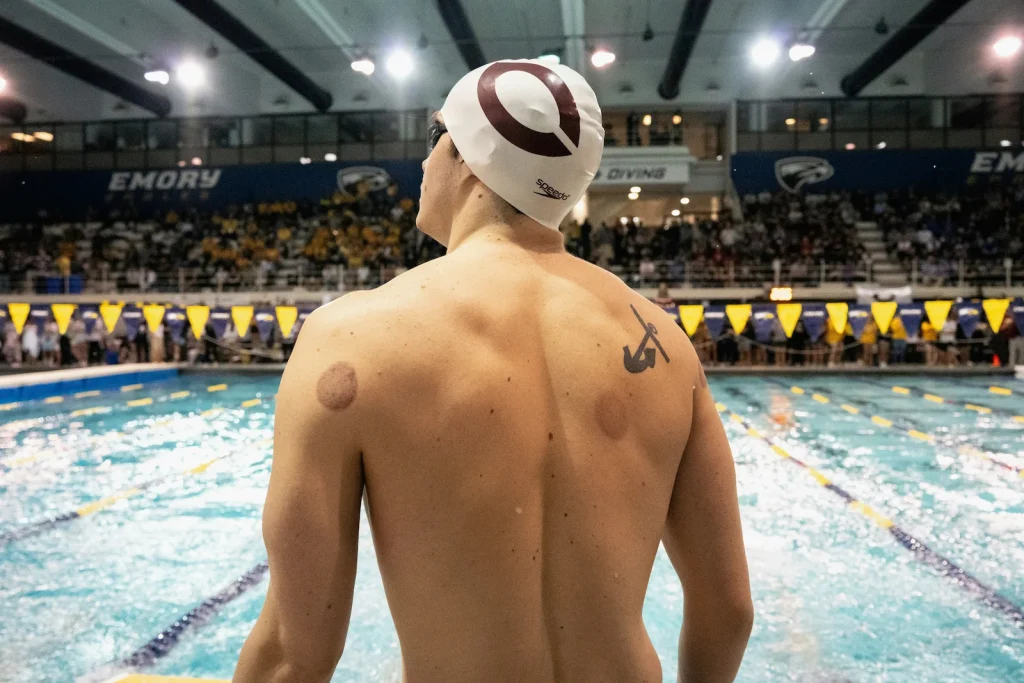
Cupping therapy has become increasingly popular among athletes looking to enhance performance, speed recovery, and reduce muscle tension. While dry cupping is widely used in sports settings, wet cupping offers additional benefits that can go beyond surface-level relief. Understanding the differences helps athletes choose the most effective approach for their training and recovery routines. Cupping for Muscle Recovery and Performance Athletes often experience tight muscles, delayed onset muscle soreness (DOMS), and localized fatigue. Dry cupping addresses these issues by: Increasing local blood flow to muscles, helping flush out metabolic waste Loosening fascia and connective tissue, which improves flexibility and range of motion Promoting relaxation through activation of sensory nerves and reflex pathways Many elite sports teams and individual athletes use dry cupping as part of their recovery protocol, particularly after intense training sessions or competitions. How Wet Cupping Complements Training Wet cupping includes the same suction benefits as dry cupping but adds controlled microbleeding. This step helps remove stagnant blood from tissues, which can: Enhance oxygenation and nutrient delivery in deeper muscle layers Support lymphatic drainage, aiding the removal of metabolic byproducts that contribute to fatigue Reduce localized inflammation, facilitating faster recovery from minor strains or overuse injuries By combining circulation stimulation with detoxification at the microvascular level, wet cupping may provide more profound and lasting benefits than dry cupping alone, particularly for athletes with high training loads. Detoxification Beyond Myofascial Release While dry cupping primarily targets myofascial release and superficial circulation, wet cupping extends the effects to: Stagnant blood mobilization, reducing local congestion Enhanced microcirculation, supporting tissue repair and recovery Balanced nervous system response, reducing sympathetic overactivity often associated with training stress These combined effects allow athletes not only to recover faster but also to maintain overall circulatory health, which can positively influence endurance, strength, and flexibility over time. Practical Tips for Athletes Schedule sessions strategically: Avoid cupping immediately before intense competitions to allow marks and mild soreness to settle. Hydrate and fuel properly: Adequate water and nutrition optimize the body’s recovery response. Combine with other recovery modalities: Light stretching, massage, or foam rolling can enhance the benefits of cupping. Target key muscle groups: Focus on high-tension areas such as shoulders, back, thighs, and calves to maximize performance benefits. By integrating wet cupping into a structured recovery plan, athletes can enjoy both immediate relief and long-term improvements in circulation and tissue health. Key Takeaway Dry cupping is a valuable tool for athletes seeking surface-level relief and myofascial relaxation. Wet cupping, with its additional microbleeding step, may enhance circulatory efficiency, reduce inflammation, and accelerate recovery more effectively. Athletes looking for a complementary therapy to support training, performance, and muscle recovery can benefit from understanding these differences and choosing the approach best suited to their goals. If you’re ready to understand wet cupping on a deeper, more practical level, visit our Bookstore. You’ll get a free foundational eBook complete with video guidance — plus a collection of comprehensive wet cupping books designed to help you learn with confidence.