
The nervous system acts like the body’s central command center, orchestrating how we respond to stress, regulate blood flow, and maintain internal balance. It consists of two main branches: the sympathetic nervous system (SNS), responsible for the “fight or flight” response, and the parasympathetic nervous system (PNS), which promotes rest, digestion, and recovery. An imbalance between these systems can contribute to tension, pain, and chronic conditions. Wet cupping—when applied strategically on the upper trapezius, C7–T1 vertebrae, and shoulders—can help restore harmony to this system.
Targeted Points for Nervous System Balance
Upper Trapezius (Right and Left)
The upper trapezius muscles, running from the neck to the shoulders, are prone to chronic tension from poor posture, stress, or repetitive tasks. Tight trapezius muscles can stimulate sympathetic activity, causing a heightened stress response, elevated heart rate, and even headaches. Wet cupping these points encourages local blood flow and helps release stagnation in soft tissue, which in turn reduces sympathetic overdrive.
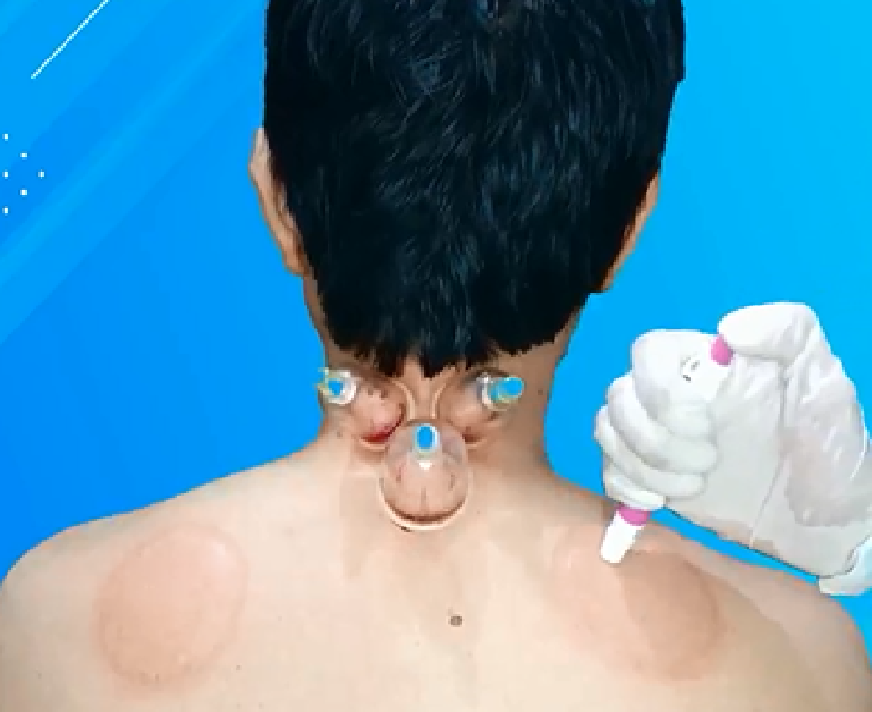
C7–T1 Vertebrae
The C7 and T1 vertebrae are crucial junctions for the cervical and upper thoracic spinal nerves. These nerves relay information to the heart, lungs, and upper limbs. Stimulation through wet cupping can improve nerve signaling efficiency, allowing a smoother balance between SNS and PNS activity. When this area is tense, signals from the PNS can be suppressed, resulting in increased stress response. Wet cupping may help reset autonomic tone, gently encouraging parasympathetic activation.
Shoulders (Right and Left)
The shoulder muscles, especially near the acromioclavicular junction, can store a lot of stress. Tightness here can influence sympathetic nerve activity, contributing to tension headaches, upper back pain, and even digestive disturbances. By releasing stagnated blood and relieving local pressure through wet cupping, nerve networks in this area regain flexibility, supporting better autonomic function.
How Wet Cupping Interacts With the Nervous System
Wet cupping involves applying suction cups to the skin and making small, controlled incisions to remove stagnant blood. This process stimulates sensory nerves, triggering several responses:
- Activation of Mechanoreceptors: Suction stretches skin and muscles, activating sensory fibers that communicate with the central nervous system. This can modulate both sympathetic and parasympathetic responses.
- Reduction of Sympathetic Hyperactivity: By relaxing tight muscles and improving circulation, wet cupping reduces the continuous stress signal sent to the sympathetic nervous system. This can lower heart rate, blood pressure, and cortisol levels.
- Enhanced Parasympathetic Tone: The gentle blood release triggers the body’s rest-and-digest response, promoting relaxation, improved digestion, and better sleep.
- Neurovascular Clearance: Removing stagnated blood reduces local inflammatory markers that might irritate nerves, improving overall nerve function.
In essence, wet cupping resets the autonomic nervous system, helping the body transition from constant alertness to a state of balanced relaxation.
Health Benefits of Nervous System Balance
When the SNS and PNS are better balanced, several conditions may improve or become easier to manage:
- Chronic Neck and Shoulder Pain: Tension in trapezius and shoulder muscles is often linked to sympathetic overactivity. Wet cupping relaxes the muscles and improves blood flow, reducing pain perception.
- Migraines and Tension Headaches: Overactive sympathetic nerves can constrict blood vessels, contributing to headache onset. Wet cupping in the upper back and neck may reduce this hyperactivity, easing headache frequency and intensity.
- Stress and Anxiety: Chronic stress often corresponds to sympathetic dominance. By enhancing parasympathetic activation, wet cupping can support relaxation, lower cortisol levels, and improve mood regulation.
- Digestive Disorders: The autonomic nervous system directly regulates digestive function. Sympathetic dominance can slow digestion, while parasympathetic activation improves motility and nutrient absorption.
- Hypertension: Sympathetic overactivity contributes to elevated blood pressure. Regular wet cupping sessions on key points may assist in normalizing autonomic balance, indirectly supporting healthy blood pressure levels.
- Sleep Disturbances: Poor autonomic balance can disrupt sleep cycles. By promoting parasympathetic activity, wet cupping encourages deeper, more restorative sleep.
Practical Considerations
To maximize benefits, sessions should be performed by trained practitioners, using precise placement on trapezius, C7–T1, and shoulder points. Frequency and duration depend on individual needs, but consistency enhances nervous system regulation over time. Combining wet cupping with relaxation techniques, posture correction, and stress management strategies further amplifies outcomes.
Wet cupping on the upper trapezius, C7–T1, and shoulder points provides a targeted approach to nervous system rebalancing. By modulating sympathetic overactivity and enhancing parasympathetic tone, it can support relief from chronic pain, headaches, anxiety, hypertension, and digestive disturbances. For those seeking a natural way to improve nervous system harmony, this traditional method offers both physiological and psychological benefits.
Want to take control of your stress, tension, and overall nervous system balance? Grab your FREE copy of “Natural Reset: Wet Cupping Made Easy” and learn step-by-step how targeted wet cupping on the upper trapezius, C7–T1, and shoulders can help you feel calmer, more energized, and balanced—right at home.