
High blood pressure, or hypertension, is a common condition affecting millions worldwide. Uncontrolled hypertension increases the risk of heart disease, stroke, and kidney problems. While lifestyle adjustments are crucial, combining wet cupping therapy with mindful dietary choices can support cardiovascular health naturally. This article explores which foods to avoid, how cupping supports circulation, and habits that maximize results.
Key Foods That Raise Blood Pressure
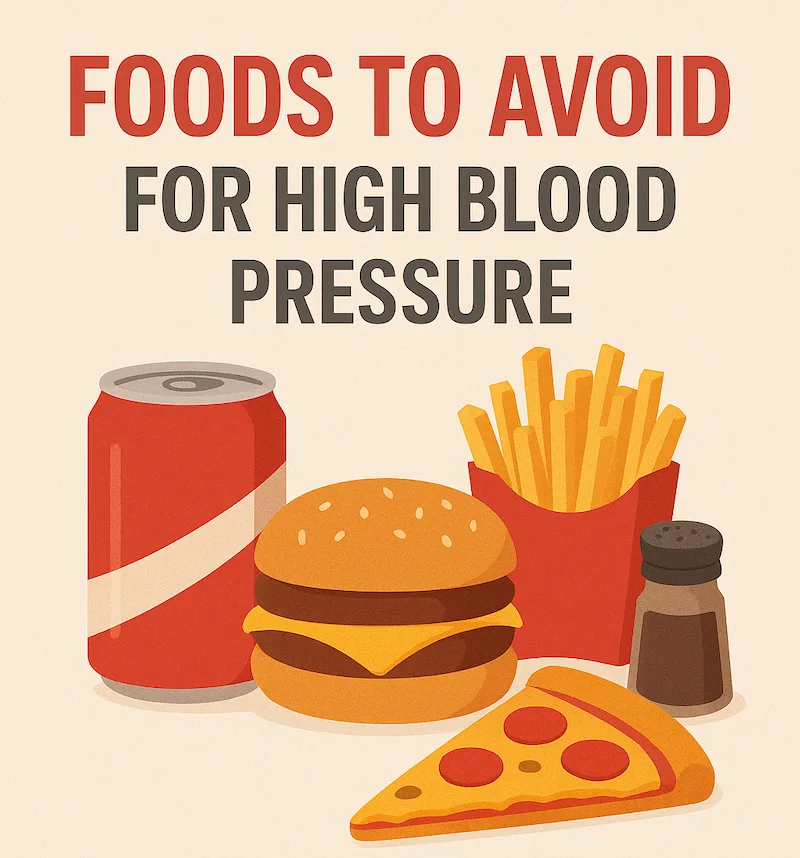
Certain foods and beverages can elevate blood pressure, making it harder for wet cupping to achieve optimal benefits. Understanding what to limit or avoid is essential for a holistic approach to vascular health.
- High-sodium foods: Processed foods, canned soups, fast food, salty snacks, and soy sauce can contribute to fluid retention and increased blood pressure.
- Sugary foods and drinks: Excess sugar, sodas, and energy drinks can lead to weight gain, insulin resistance, and inflammation, indirectly affecting blood pressure.
- Processed meats: Sausages, bacon, ham, and deli meats often contain high sodium and preservatives that stress the cardiovascular system.
- Excess caffeine: Coffee, certain teas, and energy drinks can temporarily raise blood pressure in sensitive individuals.
- Alcohol: Heavy or frequent alcohol consumption can interfere with blood pressure regulation and vascular health.
By avoiding these foods, you reduce strain on the circulatory system, allowing wet cupping therapy to work more effectively on muscular tension and blood flow.
How Cupping Helps Circulation and Vascular Health
Wet cupping therapy is known for its ability to enhance blood flow and lymphatic drainage in targeted areas. When applied to the cervical, trapezius, and upper thoracic regions, cupping helps:
- Reduce muscular tension: Relaxing tight muscles decreases pressure on blood vessels, supporting smoother circulation.
- Improve local blood flow: The suction effect encourages fresh oxygenated blood to enter previously stagnant areas.
- Stimulate the nervous system: Gentle cupping signals the parasympathetic system, promoting relaxation and vascular balance.
When paired with a heart-friendly diet, wet cupping becomes a powerful tool to support blood pressure management. The combination of dietary restraint and circulatory support helps reduce the risk of spikes, improve vascular elasticity, and sustain energy levels throughout the day.
Balanced Alternatives for Heart-Friendly Meals
Transitioning to heart-healthy meals doesn’t mean giving up flavor. Consider these alternatives:
- Fresh vegetables and fruits: Leafy greens, berries, tomatoes, and citrus fruits provide potassium and antioxidants that help regulate blood pressure.
- Lean proteins: Fish, poultry, tofu, and legumes offer essential amino acids without the added sodium of processed meats.
- Whole grains: Oats, brown rice, and quinoa support stable blood sugar and vascular health.
- Healthy fats: Olive oil, avocado, nuts, and seeds improve cholesterol balance and reduce inflammation.
- Hydration: Water and herbal teas support circulation and aid in toxin removal, complementing cupping therapy effects.
Incorporating these foods into daily meals ensures a nutrient-rich approach to hypertension management while enhancing the benefits of wet cupping.
Daily Habits to Maximize Results
Diet alone isn’t enough; certain daily habits can reinforce positive outcomes:
- Consistent cupping schedule: Performing wet cupping 1–2 times per week on key upper back and neck points helps maintain circulation and relieve muscular tension.
- Regular physical activity: Walking, yoga, or light resistance training promotes healthy blood pressure and circulation.
- Stress management: Mindful breathing, meditation, and relaxation techniques reduce cortisol levels, which can elevate blood pressure.
- Sleep hygiene: Adequate rest supports cardiovascular repair and hormone regulation.
- Monitoring intake: Keeping track of sodium, sugar, and alcohol intake helps maintain consistency in heart-friendly habits.
These lifestyle adjustments, combined with dietary vigilance and wet cupping therapy, create a holistic framework for managing high blood pressure naturally.
Practical Routine Example
A daily routine could look like this:
- Breakfast: Oatmeal with berries and pumpkin seeds, herbal tea
- Lunch: Grilled salmon, leafy greens, quinoa
- Afternoon snack: Unsalted nuts, fruit
- Evening: Light dinner (tofu stir-fry with vegetables), water or chamomile tea
- Weekly: Wet cupping session targeting cervical and upper back regions
- Daily: 10–15 minutes of mindful breathing or light stretching
Consistency in both diet and therapy ensures optimal benefits and supports long-term cardiovascular health.
Conclusion
High blood pressure is a complex condition influenced by diet, lifestyle, and vascular health. By avoiding high-sodium foods, processed snacks, sugary beverages, and excess caffeine or alcohol, you reduce triggers that compromise blood flow. When combined with wet cupping therapy, these dietary choices amplify circulatory benefits, relieve muscular tension, and promote nervous system balance.
Adopting heart-friendly meals, consistent cupping sessions, and supportive daily habits creates a sustainable, natural approach to maintaining healthy blood pressure. Over time, individuals often notice improved energy, better circulation, and reduced hypertension risk—all without relying solely on medications
If you want a clearer, step-by-step approach to supporting healthy blood pressure—through wet cupping, nutrition, and daily habits—you can explore it further in the book Wet Cupping for High Blood Pressure.