
Wet cupping is more than just a therapeutic technique — it’s a system of precision, cleanliness, and mutual trust between practitioner and client.
Before you begin, setting up a clean and organized workspace is essential. Every item, no matter how small, contributes to the overall safety and effectiveness of the session.
The good news is that wet cupping requires only a few basic tools, yet when used correctly, these tools form the backbone of a professional and reliable practice. The following sections outline each essential component, including field-tested insights developed over decades of experience.
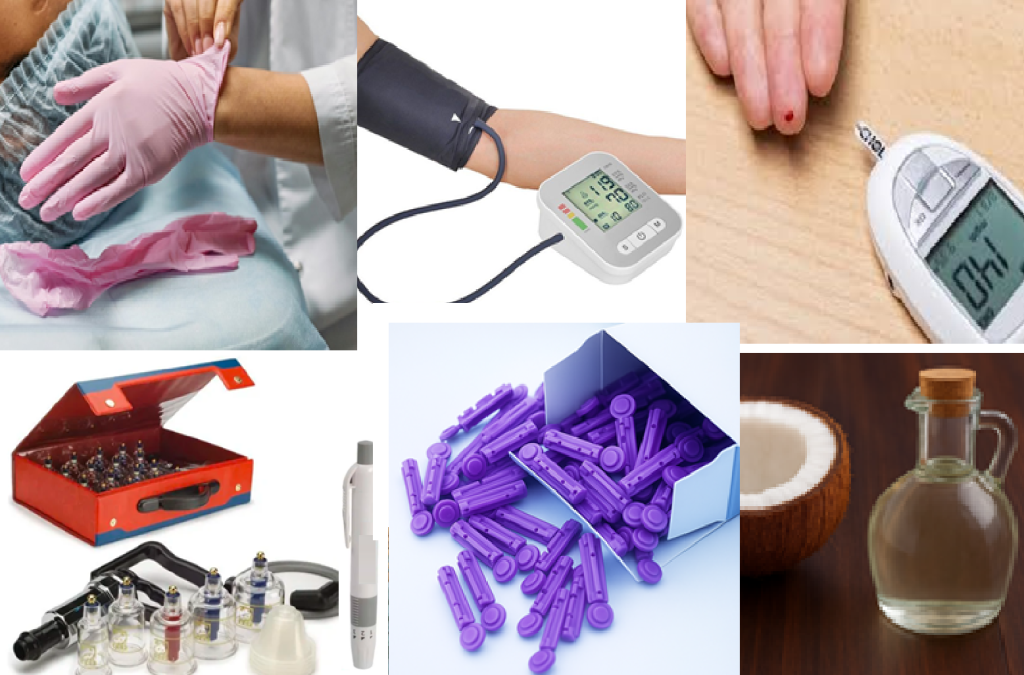
Essential Tools for a Safe and Effective Session
Cupping Set (Plastic or Glass)
The cupping set is the heart of the procedure. It creates the gentle suction that stimulates local circulation and draws stagnant blood toward the surface.
Modern sets, usually made of medical-grade plastic or heat-resistant glass, allow adjustable pressure and easier sterilization.
Tip: Always check with your client about comfort. The goal is gentle activation, not excessive pulling. Proper communication ensures both safety and relaxation.
Lancing Device and Lancet
The lancing device is used to create small, controlled punctures through which the stagnant blood is released. Based on long-term field practice, a 21G lancet offers an ideal balance between comfort and effectiveness — it’s sharp enough to release pressure without causing unnecessary discomfort.
Always use disposable lancets and never reuse equipment, even for the same client.
Antiseptic Wipes or Alcohol Pads
These are your first and last defense against infection. Before placing the cups, clean the target area thoroughly; after the session, wipe the skin again to remove any residue or fluid. Consistency in this step ensures a hygienic and professional reputation — something every serious practitioner should uphold.
Herbal Oil (Pre and Post Treatment)
Applying natural oil before and after cupping helps nourish the skin and minimize post-session marks. Oils like black seed, olive, or argan oil accelerate healing and promote comfort. Many clients notice that red or dark marks fade within days instead of weeks when natural oil is used properly.
Cotton or Sterile Tissue
These are simple yet vital. Each point of cupping should use fresh cotton or tissue to clean any remaining static blood. Reuse invites cross-contamination — something no professional can afford to risk.
Gloves
Gloves symbolize professionalism. Beyond hygiene, they demonstrate respect for your client’s body and peace of mind.
Always wear clean, medical-grade gloves for every session, and dispose of them immediately afterward.
Field Insight: The Foundation of Professionalism
“Over two decades of practice have taught me one thing — cleanliness is trust.”
Every step, from sterilization to equipment organization, communicates your discipline and integrity.
Clients may not always see the technical details, but they can feel your care. That sense of safety is what distinguishes a professional practitioner from a casual one.
A clean, well-prepared workspace is not just about compliance; it’s an expression of respect, responsibility, and mastery.
It’s where healing begins — long before the first cup is placed.
If you’re ready to understand wet cupping on a deeper, more practical level, visit our Bookstore. You’ll get a free foundational eBook complete with video guidance — plus a collection of comprehensive wet cupping books designed to help you learn with confidence.