
Why Many Athletes Use Dry Cupping — and Why Wet Cupping Might Go Further
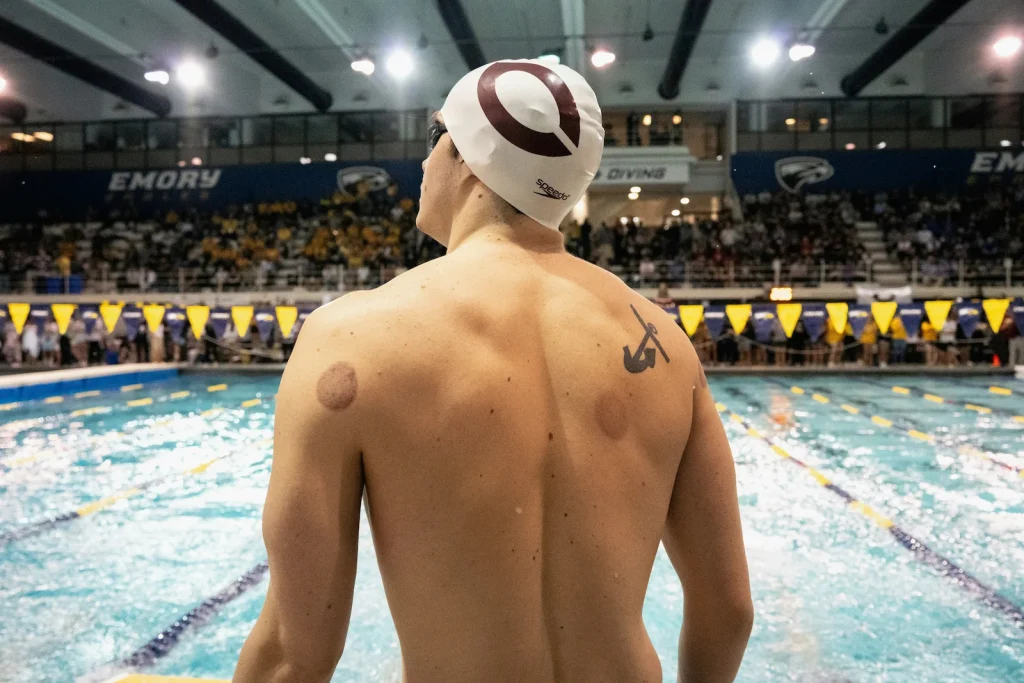
Cupping therapy has become increasingly popular among athletes looking to enhance performance, speed recovery, and reduce muscle tension. While dry cupping is widely used in sports settings, wet cupping offers additional benefits that can go beyond surface-level relief. Understanding the differences helps athletes choose the most effective approach for their training and recovery routines. Cupping for Muscle Recovery and Performance Athletes often experience tight muscles, delayed onset muscle soreness (DOMS), and localized fatigue. Dry cupping addresses these issues by: Increasing local blood flow to muscles, helping flush out metabolic waste Loosening fascia and connective tissue, which improves flexibility and range of motion Promoting relaxation through activation of sensory nerves and reflex pathways Many elite sports teams and individual athletes use dry cupping as part of their recovery protocol, particularly after intense training sessions or competitions. How Wet Cupping Complements Training Wet cupping includes the same suction benefits as dry cupping but adds controlled microbleeding. This step helps remove stagnant blood from tissues, which can: Enhance oxygenation and nutrient delivery in deeper muscle layers Support lymphatic drainage, aiding the removal of metabolic byproducts that contribute to fatigue Reduce localized inflammation, facilitating faster recovery from minor strains or overuse injuries By combining circulation stimulation with detoxification at the microvascular level, wet cupping may provide more profound and lasting benefits than dry cupping alone, particularly for athletes with high training loads. Detoxification Beyond Myofascial Release While dry cupping primarily targets myofascial release and superficial circulation, wet cupping extends the effects to: Stagnant blood mobilization, reducing local congestion Enhanced microcirculation, supporting tissue repair and recovery Balanced nervous system response, reducing sympathetic overactivity often associated with training stress These combined effects allow athletes not only to recover faster but also to maintain overall circulatory health, which can positively influence endurance, strength, and flexibility over time. Practical Tips for Athletes Schedule sessions strategically: Avoid cupping immediately before intense competitions to allow marks and mild soreness to settle. Hydrate and fuel properly: Adequate water and nutrition optimize the body’s recovery response. Combine with other recovery modalities: Light stretching, massage, or foam rolling can enhance the benefits of cupping. Target key muscle groups: Focus on high-tension areas such as shoulders, back, thighs, and calves to maximize performance benefits. By integrating wet cupping into a structured recovery plan, athletes can enjoy both immediate relief and long-term improvements in circulation and tissue health. Key Takeaway Dry cupping is a valuable tool for athletes seeking surface-level relief and myofascial relaxation. Wet cupping, with its additional microbleeding step, may enhance circulatory efficiency, reduce inflammation, and accelerate recovery more effectively. Athletes looking for a complementary therapy to support training, performance, and muscle recovery can benefit from understanding these differences and choosing the approach best suited to their goals. If you’re ready to understand wet cupping on a deeper, more practical level, visit our Bookstore. You’ll get a free foundational eBook complete with video guidance — plus a collection of comprehensive wet cupping books designed to help you learn with confidence.