
Lancing Device: Modern Precision for Safe Wet Cupping Practice
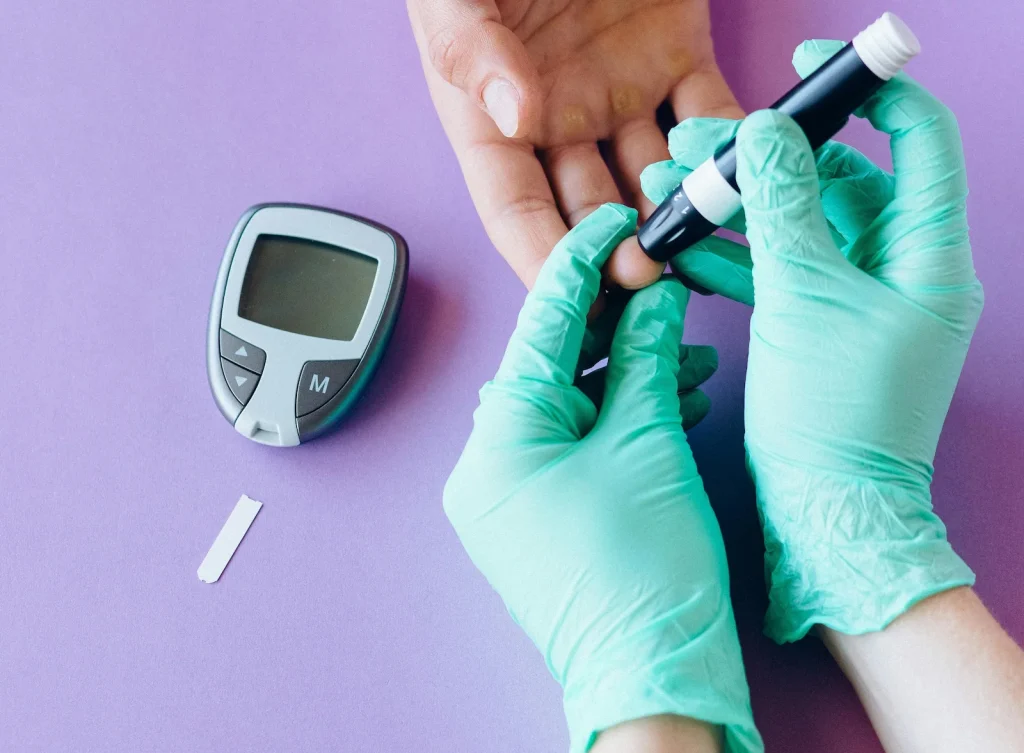
Wet cupping has evolved through centuries — from sharp blades and skilled hands to modern, precise tools. One of the most significant innovations that bridges ancient wisdom and modern practicality is the lancing device.Originally developed for diabetic patients to draw a small drop of blood for glucose testing, this simple tool has become a transformative instrument for safe, clean, and accessible wet cupping at home. From Diagnostic Tool to Holistic Practice The lancing device was not designed for cupping; it was designed for accuracy. In diabetes care, it allowed patients to obtain a tiny drop of blood with minimal pain. Over time, practitioners realized that the same precision could be applied to wet cupping, offering a way to create micro-incisions without the risks associated with traditional blades. A modern lancing device works like a pen. It holds a sterile, single-use lancet inside. When pressed, a spring mechanism quickly punctures the skin at a controlled depth — just enough to let a drop of blood appear.This precision eliminates the need for experience with a scalpel, allowing nearly anyone to perform the procedure safely and confidently. Why It Revolutionized Wet Cupping Traditional wet cupping often required years of practice to master incision control. Too deep, and it could hurt; too shallow, and the result was ineffective. The lancing device solved both problems by standardizing depth and safety. Today, what was once an art reserved for specialists has become a home-based wellness skill accessible to families around the world. A simple tool costing only a few dollars now opens the door to self-care that is both effective and affordable. This democratization of wet cupping doesn’t just make it easier — it makes it safer.Each sterile lancet ensures no cross-contamination, and adjustable depth settings let users match the device to their skin sensitivity and comfort level. The Perfect Balance: Recommended Lancet Size From more than 20 years of field experience, the 21G (Gauge) lancet stands out as the best choice for wet cupping. It offers the right balance between gentle penetration and efficient blood release — ideal for both beginners and experienced practitioners.Finer sizes may not release enough stagnant blood, while larger ones can cause unnecessary discomfort. The 21G strikes the harmony between comfort, control, and therapeutic effect. Safety Guidelines and Hygiene Safety remains the foundation of professional wet cupping. While lancing devices simplify the process, discipline and cleanliness determine the outcome. Here are essential safety reminders: Always wash your hands and wear disposable gloves. Use a new sterile lancet for each session. Clean the skin area before and after cupping with antiseptic wipes. Avoid performing wet cupping if you have clotting disorders, skin infections, or open wounds. Dispose of all used materials properly after each session. Remember: tools make the process easier, but hygiene and mindfulness make it truly healing. Accessibility and Affordability The beauty of the lancing device lies in its accessibility. Most pharmacies and online platforms — from Amazon and Walmart to local apothecaries — sell them without prescription. Basic plastic models cost around $2–$5 USD, while sturdier stainless-steel versions range between $10–$15 USD. A box of 100 sterile lancets, costing only $3–$6 USD, can serve 100 people safely — proof that true wellness doesn’t have to be expensive. A Modern Bridge Between Tradition and Science The evolution of the lancing device reflects a deeper truth about wet cupping: real healing adapts with time. By combining ancient understanding of blood stagnation with the precision of modern tools, we create a practice that’s safer, cleaner, and more inclusive. What used to require years of training can now be performed responsibly at home — restoring wet cupping’s original essence: empowering people to take charge of their health naturally. A small device, once meant for medical testing, has become a bridge between the old and the new — between knowledge and practice, safety and healing.