
Dry vs Wet Cupping (Hijama): What’s the Difference and Which Is Better for You?
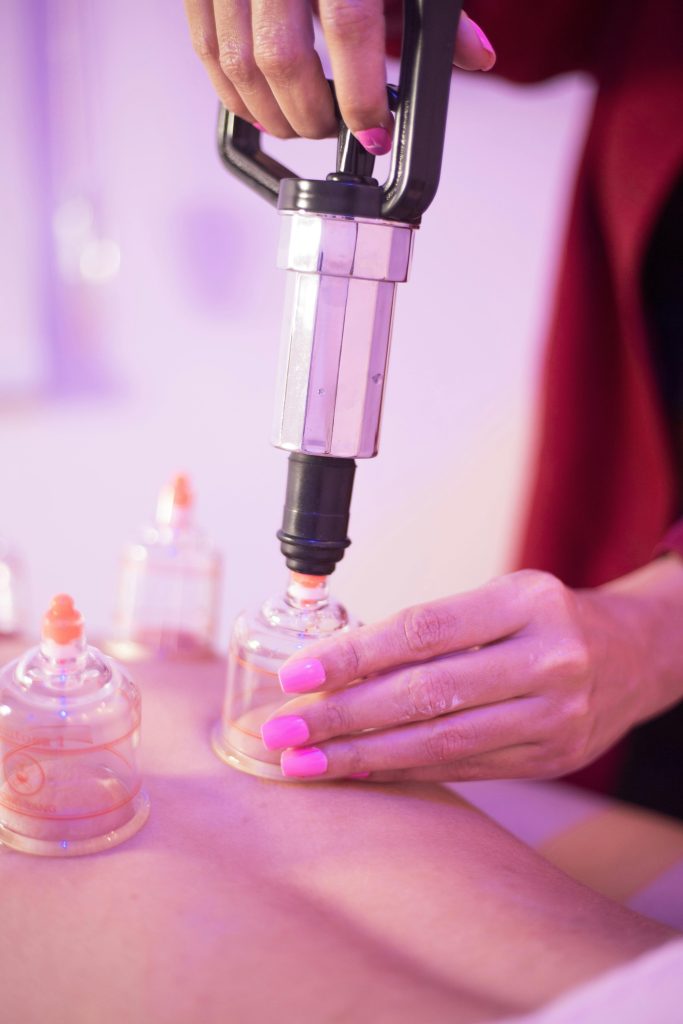
Cupping therapy — an ancient healing method used across many cultures — generally comes in two main types: dry cupping and wet cupping, also known as Hijama. Both methods use suction to improve circulation, but they work in slightly different ways and serve different purposes. What Is Dry Cupping? Dry cupping is simple and non-invasive. It involves placing cups on the skin to create mild suction — without drawing blood. This suction gently lifts the skin and muscle layer, helping to: Relieve muscle tension and stiffness Improve local blood circulation Reduce stress and promote relaxation Because it doesn’t break the skin, dry cupping is safe for home use when done carefully. Many people use it after workouts or as part of a relaxation routine (Cao et al., 2015). What Is Wet Cupping (Hijama)? Wet cupping (Hijama) combines the suction of dry cupping with a small, controlled release of blood. It’s a minimally invasive method, traditionally used to: Remove stagnant or “thick” blood Enhance natural detoxification Support the body’s self-healing and circulation balance Since it involves micro-scratches on the skin, wet cupping should always be performed with sterile tools, clean technique, and professional guidance (AlBedah et al., 2019). Dry vs Wet Cupping They Differ in Health Benefits Method Main Focus Best For Safety Level Dry Cupping Suction only Muscle tension, relaxation, stress relief Very safe, non-invasive Wet Cupping (Hijama) Suction + mild bloodletting Circulation, detox, blood pressure, cholesterol Safe with hygiene and expert care When it comes to supporting heart and blood health, both methods have distinct roles: Dry cupping gently promotes circulation and relaxation, which can help regulate mild blood pressure — though its effect on cholesterol is indirect. Wet cupping (Hijama) can have a more direct effect, supporting better blood pressure and lipid balance when performed properly and regularly. Safe Practice, Realistic Expectations Both types of cupping work best when used as part of a balanced lifestyle — including good sleep, hydration, and diet. Wet cupping is not about removing large amounts of blood; it’s about restoring balance in the microcirculation. With proper technique, hygiene, and frequency, the process remains safe, effective, and naturally restorative. Dry cupping relaxes the body. Wet cupping (Hijama) renews it from within. Understanding the difference helps you choose the right method for your goals — whether it’s stress relief, better circulation, or long-term heart health.