
Wet Cupping for Digestive Health
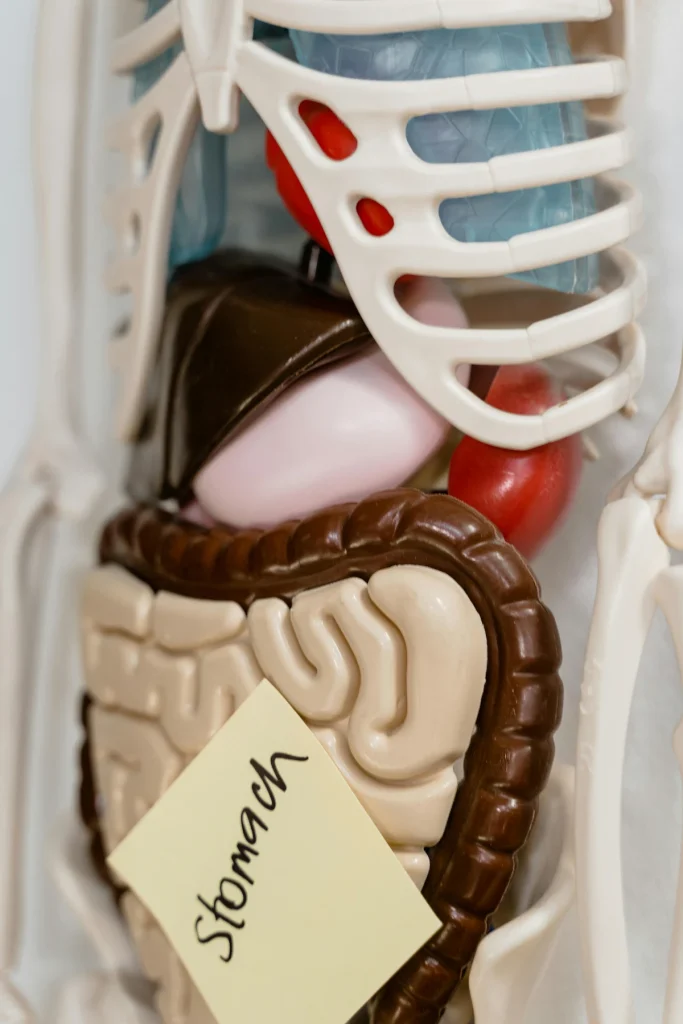
Digestive problems—such as bloating, sluggish metabolism, or irregular bowel movement—are among the most common modern health complaints. While medications can help control symptoms, many people seek deeper, long-term balance. Wet cupping, an ancient practice of drawing small amounts of stagnant blood to the surface, has been traditionally used to support internal organ function, including the digestive system. Modern understanding of wet cupping digestion now combines physiology and traditional observation: improving local blood flow may help restore organ vitality, reduce systemic inflammation, and ease stress-related digestive discomfort. How Blood Flow Influences Digestive Function The digestive system relies heavily on proper circulation. Every step—from stomach acid secretion to nutrient absorption—depends on efficient blood supply. When circulation slows, tissues receive less oxygen and nutrients, leading to fatigue, bloating, or sluggish digestion. Wet cupping supports the body’s natural regulation of blood flow through two mechanisms: Microcirculatory activation: By gently drawing stagnant or deoxygenated blood from surface capillaries, new oxygenated blood is recruited to the region. Autonomic balance: The mild suction effect also relaxes the nervous system, reducing sympathetic “stress” dominance that can suppress digestion. Historically, practitioners observed that cupping on the back, shoulder, or abdominal regions could reduce bloating, enhance appetite, and promote smoother bowel movement. Though scientific evidence is still emerging, the physiological model—better blood flow equals better organ function—remains consistent with current circulatory understanding. Digestive System illustration Cupping Points for Gut Support Wet cupping points for digestive care often focus on improving circulation around the upper and middle back, where major nerves and vessels influencing the stomach and intestines are located. Upper back (T6–T9 region): Traditionally linked to stomach and liver function. Mid-back (T10–T12): Associated with intestinal and pancreatic support. Lower abdomen (below the navel): Occasionally used by experienced practitioners to ease bloating or menstrual discomfort. These areas are chosen not randomly but based on both anatomical and reflexology maps—helping the body regulate tension and energy flow that affects digestion. Complementary Dietary Approaches For best results, wet cupping should be supported by mindful nutrition and hydration. The days following a session are ideal for light, natural foods that assist the body’s detox and recovery phase. Recommended steps include: Hydrate adequately: Water aids circulation and helps flush metabolic waste. Eat warm, simple meals: Soups, steamed vegetables, and lightly cooked grains are easier to digest post-cupping. Avoid heavy or processed foods: Deep-fried and high-fat meals can burden the system during its natural rebalancing phase. Include digestive herbs: Ginger, fennel, and peppermint may complement the effects of cupping by reducing gas and supporting gut motility. Some practitioners also suggest gentle use of natural oils such as black seed oil or olive oil on the abdomen to support local circulation—especially for individuals prone to abdominal coldness or tension. Safety and Timing Guidelines Wet cupping for digestive health should always be performed by a trained practitioner under sterile conditions. Since the abdominal region is highly vascular, precision and moderation are key. Timing: Avoid cupping immediately after meals. The ideal window is 3–4 hours post-eating or early in the morning before breakfast. Frequency: For general digestive support, sessions every 2–4 weeks are sufficient. Sterility and care: Use sterile equipment, and clean the skin with mild antiseptic before and after cupping. Aftercare: Apply gentle natural oils—such as virgin coconut, olive, or diluted tea tree oil—to soothe the skin and prevent irritation. Medical collaboration: Individuals with ulcers, anemia, or chronic intestinal disease should consult a healthcare provider before treatment. Wet cupping is not a replacement for medical diagnosis or urgent care, but rather a complementary method to help the body function more efficiently. The Circulatory Link Between Mind and Gut Growing evidence suggests that stress, circulation, and gut health are interconnected through the gut–brain axis. By enhancing local blood flow and calming the nervous system, wet cupping digestion practices may help relieve tension that contributes to indigestion and stress-related bloating. The result is not merely symptom relief, but a subtle recalibration of how the body manages energy and inflammation—an approach that has sustained traditional medicine for centuries and is now finding renewed relevance in holistic health systems. Explore how wet cupping combined with proper hydration may help relieve severe constipation—learn more in our article.