
Does Wet Cupping Hurt?
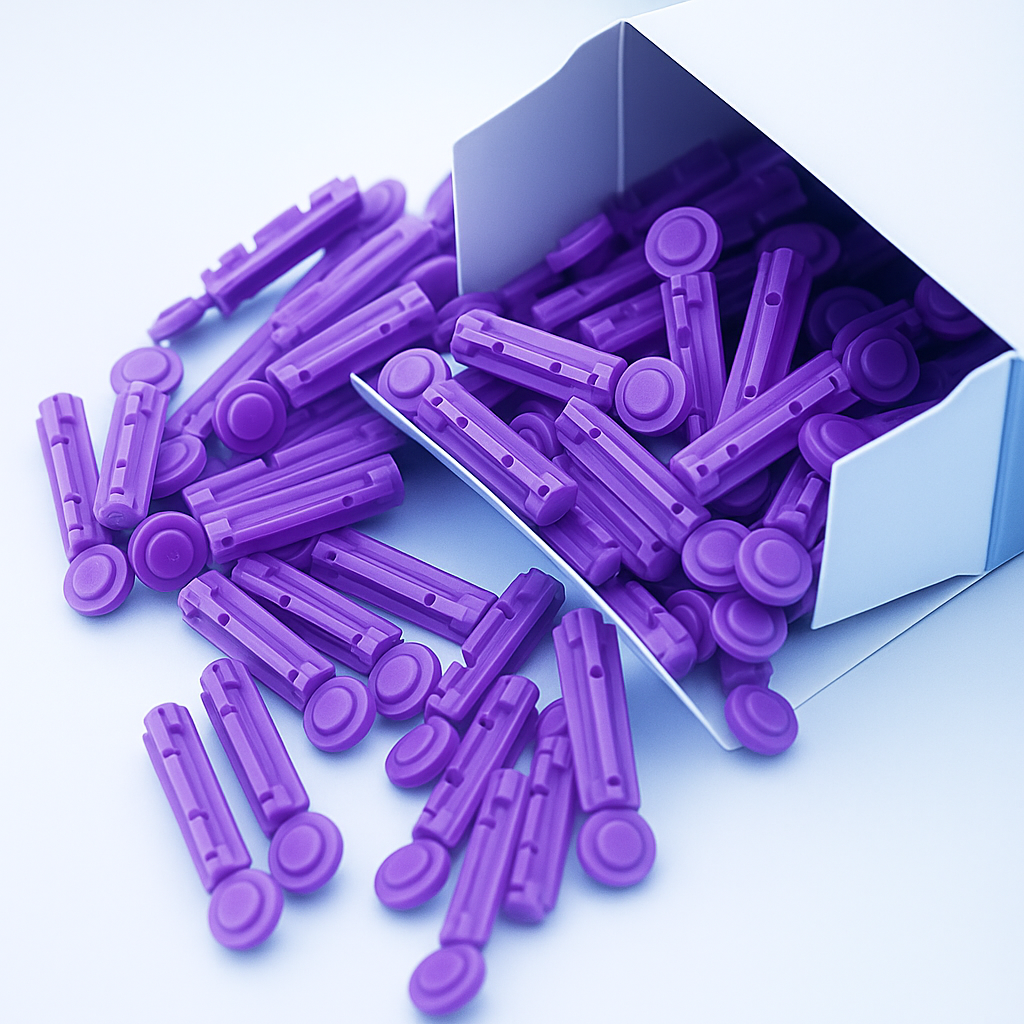
Most people trying wet cupping (Hijama) for the first time are surprised. They expect pain — but instead say: “Wait… that’s it? I barely felt anything!” When done correctly, wet cupping is one of the gentlest and most relaxing natural healing methods. Here’s why it feels almost painless — and how your body naturally adapts to it. The Cup’s Suction Naturally Numbs the Skin As the cup gently pulls the skin and superficial tissue, it lightly compresses nerve endings, temporarily reducing the sensation of pain. At the same time, the increased local blood flow stimulates the release of endorphins, the body’s natural pain-relieving chemicals. Combined with the mild numbness that develops over a few minutes of suction, this effect makes the subsequent lancet pricks feel minimal and surprisingly comfortable. Like a Natural Anesthetic When the cup is placed and air is gently removed, a mild vacuum forms. This vacuum slightly lifts the skin, increases blood flow, and — surprisingly — acts like a natural anesthetic. The suction stretches the skin and tiny nerves underneath. This brief stretch reduces sensitivity for a short time. Warm blood flow distracts the brain from pain signals. This effect, known as mechanical desensitization, means the cup itself helps prepare your skin before the pricks even begin. Most people feel only a tickle or light tapping, not pain. The 21G Lancet — Small, Sharp, and Gentle The pain we feel from a needle is not determined solely by its length, but also by its diameter. Very thin needles (e.g., under 25G) press on nerve endings over a smaller area, creating a sharper point of pressure and making the sensation more intense, even though the penetration is shallow. Slightly larger needles, such as 21G, distribute the pressure over a wider area, producing a flatter, less sharp sensation and therefore feeling noticeably more comfortable. Choose the Right Lancet Size for Maximum Comfort Wet cupping uses a fine medical-grade needle (21G, 0.8 mm). It’s designed for precision and comfort: Just right depth: only reaches the surface capillaries, not deeper pain receptors. Smooth entry: opens micro-holes cleanly, so tissue heals quickly. Soft tapping: practitioners make light, rhythmic touches instead of cuts. With the skin already numbed by suction, the experience feels light and controlled. The Brain’s Natural Pain Filter Applying suction for 3–5 minutes causes the skin to become slightly numb, so the lancet pricks are barely noticeable. This gentle preparation ensures minimal discomfort while allowing the wet cupping process to work effectively on the superficial capillaries. Gate Control Theory of Pain According to the Gate Control Theory of Pain, your brain focuses on stronger sensations first — like suction — and blocks weaker ones, such as the light pricks. It’s the same reason rubbing your arm after bumping it reduces pain. During wet cupping: The brain senses the suction. Then it filters out the mild prick sensation. You feel calm — almost no pain. Preparation Makes Everything Smoother Comfort comes from good preparation. Before wet cupping: Warm the area with gentle rubbing or warm water. Apply the cup for 2–3 minutes before the scratches. Always use clean, sharp lancets. When done right, wet cupping can feel almost meditative — a reset for both body and mind. Does Wet Cupping Hurt?: Pain Level Comparison Compared to other minor procedures — such as acne extraction or injections for insect bites — wet cupping ranks among the least painful. The sensation is mild, often described as a gentle pulling or light pressure, rather than sharp pain. This low level of discomfort makes wet cupping accessible to most people, even those who are sensitive to needles or minor skin procedures, while still delivering its therapeutic benefits safely. Almost Painless Procedure Pain Level (1–10) Sensation Injection (vaccine) 5–6 Sharp sting Blood draw 4–5 Mild ache Finger prick 3–4 Quick pinch Wet cupping (21G) 1–2 Light tapping, almost painless In Simple Terms “The cup prepares the skin. The needle only whispers.” That’s the essence of proper wet cupping (Hijama) — it reaches deep into your body’s circulation and healing systems, yet feels incredibly gentle on the surface.