
Wet Cupping During Pregnancy Safety

Pregnancy is a dynamic period of transformation. A woman’s body increases blood volume by up to 50%, while hormonal shifts loosen joints, expand blood vessels, and alter circulation patterns. These changes are vital for fetal development but also create increased sensitivity in the skin, muscles, and vascular system. Common physical effects include: Mild swelling in the legs or ankles Lower back tension due to posture changes General fatigue or reduced circulation Because wet cupping involves controlled suction and minor skin incisions, these physiological changes can make pregnant women more prone to dizziness, low blood pressure, or bruising. Thus, wet cupping during pregnancy should only be considered under professional medical supervision and in highly specific circumstances. Pregnant women illustration Risks and Contraindications Most traditional and modern medical references classify wet cupping as contraindicated during pregnancy, particularly in the first and third trimesters. The main reasons include: Circulatory sensitivity: Pregnancy already increases blood vessel fragility and alters blood pressure, raising the risk of fainting or discomfort. Potential uterine stimulation: Certain cupping points on the lower back or abdomen may theoretically trigger uterine contractions. Infection risk: Even when sterile equipment is used, any break in the skin carries a minor risk of infection, which must be strictly avoided during pregnancy. Immune modulation: Because pregnancy naturally shifts immune responses, post-cupping inflammation could interfere with the body’s delicate balance. For these reasons, wet cupping should be postponed until after childbirth, unless approved by both a healthcare provider and a licensed cupping specialist with experience in maternal care. Safe Alternatives and Modified Techniques Women seeking relief from muscle tension, swelling, or fatigue during pregnancy have safer alternatives that align with traditional wellness principles without involving incisions or strong suction. These include: Dry cupping (light suction only): When performed carefully and without skin breaking, mild suction on upper back or shoulders may help ease tension. Prenatal massage: Gentle therapeutic massage by a certified practitioner can improve circulation and reduce swelling. Warm compresses and natural oils: Light application of olive oil, argan oil, or virgin coconut oil on tense areas may relax muscles safely. Hydration and stretching: Supporting microcirculation naturally through movement and water intake helps maintain energy and reduce stiffness. These approaches deliver some of the circulatory benefits of cupping—such as relaxation and tension relief—without the risks associated with wet cupping incisions. Professional Guidance for Expecting Mothers Any complementary practice during pregnancy must be viewed through the lens of safety first. Women should always discuss their interest in cupping or similar therapies with their obstetrician or midwife. Qualified practitioners will typically recommend waiting until at least six weeks postpartum before resuming wet cupping. At that stage, the body’s circulatory and hormonal systems begin stabilizing, and light cupping can support postpartum recovery, especially for back pain, fatigue, or circulation improvement. When returning to cupping after delivery, ensure that: All tools are sterile and single-use. The suction intensity is mild to moderate. Only non-sensitive areas (such as shoulders or upper back) are used initially. Remember, wet cupping is meant to support wellness, not to interfere with natural physiological processes. The Balanced Perspective Pregnancy is a time of profound change that calls for extra care and gentleness. While the benefits of cupping are well-documented in traditional medicine, wet cupping pregnancy safety depends entirely on timing, technique, and professional supervision. The guiding principle is simple: protect both mother and baby first. Natural healing works best when combined with scientific understanding, ensuring that every method—traditional or modern—serves life safely and effectively.To learn more how to do wet cupping safely at home read our article.
Why Wet Cupping Should Be Done on an Empty Stomach?
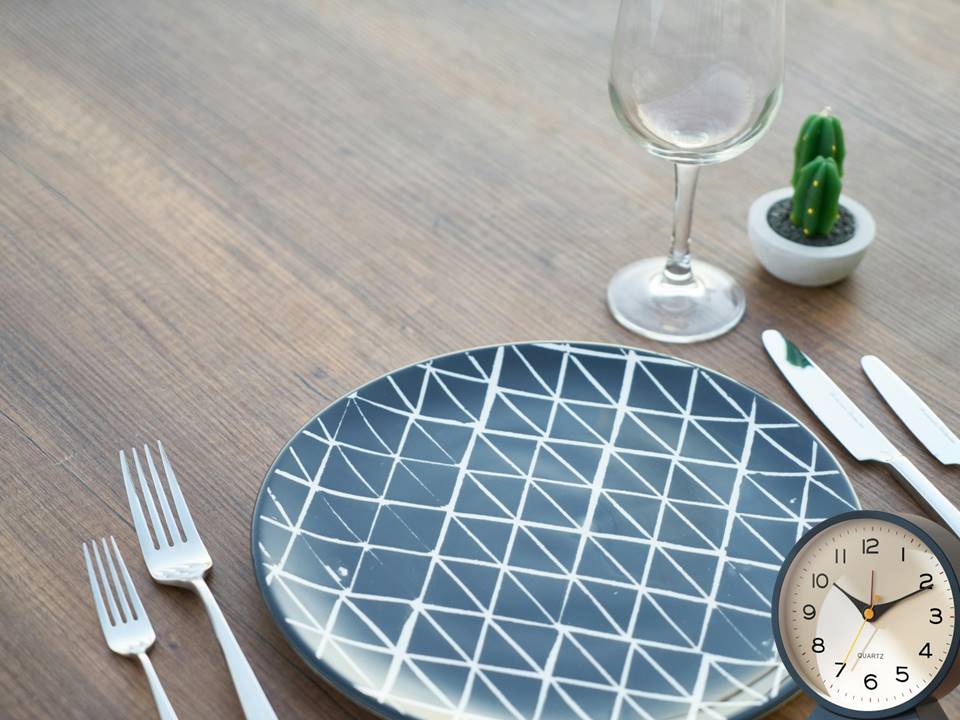
Wet cupping has been practiced for centuries as a method to release stagnant blood and restore natural balance in the body. Among the traditional recommendations, one stands out consistently across all cultures: never perform wet cupping right after eating.While it may sound like an old tradition, this advice is deeply rooted in both physiology and practical experience. Performing wet cupping on an empty stomach helps maintain stability, comfort, and optimal results during and after the session. 3 hours fasting before wet cupping session Circulatory Efficiency and Blood Flow Balance How Digestion Competes with Cupping Circulation When we eat, the body directs a large portion of blood flow toward the digestive organs — stomach, liver, and intestines — to help process nutrients.If wet cupping is performed during this time, circulation becomes divided. The suction process may draw blood inefficiently, and the client can feel weak or dizzy because the body is already under digestive strain. By waiting at least 3–4 hours after a meal, the circulatory system returns to balance. The blood is free to flow evenly throughout the body, allowing wet cupping to remove stagnant blood more effectively and safely. Nervous System Harmony Aligning the Body’s Internal Signals Digestion activates the parasympathetic nervous system, the “rest and digest” mode.Meanwhile, wet cupping mildly stimulates both sympathetic and parasympathetic pathways as it triggers a controlled local stress response.If both systems are competing — digestion on one side, cupping stimulation on the other — the result may be discomfort or light-headedness. When the stomach is empty, the body’s neuro-reflex activity is calmer and more focused. Practitioners consistently observe that clients feel more relaxed, their pulse steadier, and the skin’s response more predictable when wet cupping is performed in this balanced state. Improved Detoxification and Blood Quality Cleaner Flow, Better Results From a circulatory standpoint, wet cupping on an empty stomach helps the body clear “stagnant blood” more efficiently.After eating, the blood tends to thicken slightly due to lipid absorption and digestive processes. This makes extraction slower and may increase bruising or post-session heaviness. In contrast, fasting or light pre-session conditions keep blood viscosity lower and metabolism more active. The suction phase works smoothly, and the released fluid appears cleaner — a sign of better physiological balance. Reduced Risk of Nausea and Vasovagal Reactions Preventing Sudden Drops in Blood Pressure Some individuals, especially beginners, may experience mild dizziness or nausea if cupping is done too soon after a meal. This reaction, known as a vasovagal response, occurs when blood pressure suddenly drops due to mixed signals between the digestive system and the brain. With an empty stomach, the body’s focus is clear — it’s not diverting energy toward digestion. This stability minimizes risk, maintains mental clarity, and ensures the session remains comfortable from start to finish. Syncing with the Body’s Natural Rhythms The Best Time for Wet Cupping Traditional healers and modern practitioners agree that timing matters.Morning hours — especially between 8 a.m. and 11 a.m., before heavy meals — are considered ideal. At this time, the metabolism is active, circulation is clean, and the skin responds optimally to suction. This aligns with the natural detox rhythm of the liver and lymphatic system, which work overnight and finish their “cleansing shift” by late morning.Performing wet cupping during this window amplifies its natural effect on vitality and recovery. A Mindful Act of Respect Toward the Body Turning a Routine into a Ritual Practicing wet cupping on an empty stomach is not just a technical step — it’s an act of respect.It acknowledges that healing is a cooperative process between body and practitioner.When the client’s system is calm, unburdened by digestion, and receptive, the session becomes more than therapy — it becomes a mindful ritual of renewal. Summary Key Benefit Explanation Better circulation Blood flow is not diverted to digestion, allowing smoother extraction. Stable nervous response Balanced sympathetic and parasympathetic activity prevents dizziness. Cleaner detox effect Lower viscosity and lighter circulation make cupping more efficient. Comfort and clarity Less nausea, less fatigue, and deeper relaxation. Traditional and scientific harmony Aligns ancient wisdom with modern physiology. Discover how wet cupping supports digestive health—learn more in our article.