
Wet Cupping for Women’s Menstrual Pain
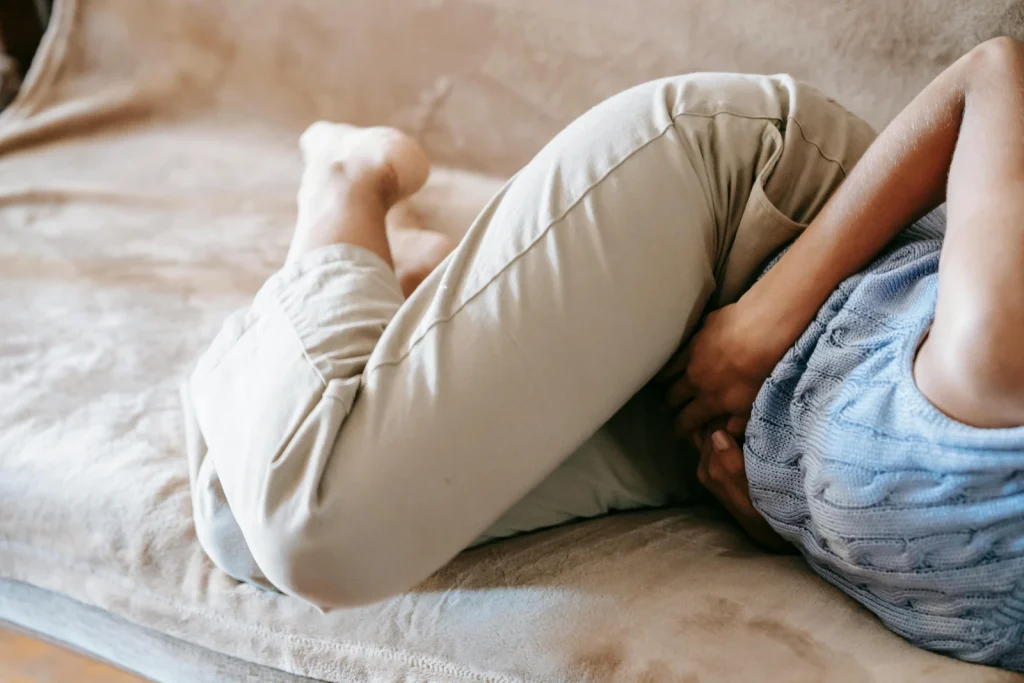
For centuries, wet cupping—also known as hijama or bekam—has been used by women to relieve menstrual discomfort, hormonal imbalance, and chronic fatigue. While modern medicine offers painkillers and hormonal therapies, many women are now exploring natural, non-pharmacological ways to restore body balance. Wet cupping provides a unique approach by improving circulation, easing pelvic tension, and supporting the body’s natural detox process. How Hormonal and Circulatory Balance Affects Women’s Health The female body goes through continuous cycles of hormonal change. Each month, fluctuations in estrogen and progesterone influence not only mood and energy, but also blood viscosity and circulation in the pelvic area. When this circulation becomes sluggish—often due to stress, sedentary lifestyle, or inflammation—women may experience cramping, bloating, headaches, or irregular cycles. Wet cupping works by gently drawing out stagnant or congested blood, allowing fresh, oxygenated blood to flow more freely. This physiological reset often brings a sense of lightness and warmth to the lower abdomen, which many women describe as natural relief from premenstrual or menstrual pain. Several studies in Complementary Therapies in Medicine and Journal of Obstetrics and Gynaecology Research have suggested that cupping can help reduce muscle tension, stimulate blood flow, and decrease inflammatory markers—factors closely linked to menstrual pain and fatigue. Women’s mentrual pain ilustration Cupping Points for Menstrual Support Practitioners often apply wet cupping on specific areas that influence reproductive and circulatory health. Commonly used points include: Lower back and sacral region (BL23–BL32) — to improve pelvic blood flow and relieve cramping. Lower abdomen — helps release congestion and promote uterine balance. Inner thighs or calf areas — to support systemic circulation and lymphatic drainage. Shoulder and upper back — to relax overall muscle tension and calm the nervous system. These points are chosen based on both traditional knowledge and modern anatomy. The goal is not only to relieve local pain, but to reconnect body systems—hormonal, circulatory, and neurological—into a more harmonious rhythm. Complementary Lifestyle and Nutritional Approaches To enhance the effects of wet cupping, women can combine it with simple yet effective lifestyle adjustments: Hydration and iron balance: Regular cupping releases small amounts of blood, so proper hydration and iron-rich foods (like lentils, spinach, or fish) are essential. Anti-inflammatory diet: Omega-3s, whole grains, and green vegetables help reduce systemic inflammation. Mind–body relaxation: Practices such as deep breathing, relax position support hormonal balance and reduce pain sensitivity. Sleep and recovery: Hormonal regulation improves most efficiently during deep, restorative sleep. When combined with these habits, cupping sessions can help the body reset its natural rhythm, rather than just masking symptoms. Safety and Timing Considerations Wet cupping for women’s health should always be performed by a trained professional familiar with the female physiology and menstrual cycle. The ideal time for treatment is typically after menstruation, when the body is ready for gentle detoxification and renewal.Avoid cupping during active bleeding days, pregnancy, or severe anemia. Each session should use sterile equipment, single-use cups, and precise technique to ensure comfort and safety. After the procedure, resting and staying hydrated for 24 hours helps the body recover smoothly. Restoring Balance, Naturally Wet cupping offers women a natural, body-centered way to reconnect with their health. Rather than focusing solely on pain management, this ancient method supports the root cause—circulatory stagnation and hormonal imbalance. As more women across Europe and North America explore holistic self-care, cupping is finding new relevance as a bridge between traditional wisdom and modern science. Get the free at-home wet cupping tutorial — an easy-to-follow e-book with videos, featuring the 5 essential points every wet cupping practitioner must know — inside Natural Reset: Modern Wet Cupping Made Simple.
How Wet Cupping Affects Hormonal Balance

Hormonal balance plays a crucial role in energy, mood, sleep, and reproductive health. When hormones fluctuate, the body’s equilibrium can easily shift—leading to fatigue, irritability, irregular cycles, or reduced vitality.Wet cupping, an ancient technique known as hijama in Arabic and bekam in Southeast Asia, has been practiced for centuries to support the body’s natural self-regulating systems. While modern medicine focuses on pharmacological intervention, wet cupping offers a circulatory approach that indirectly influences the endocrine system — the network of glands responsible for hormone production and regulation. The Link Between Circulation and Hormonal Function The endocrine system depends on healthy circulation to deliver hormones efficiently to target organs and tissues. When blood flow becomes sluggish, nutrient delivery and hormone transport can slow down as well.Wet cupping improves microcirculation by gently removing stagnant blood and allowing fresh, oxygen-rich blood to flow more freely through the capillaries. This increased perfusion can help normalize tissue oxygenation, reduce localized inflammation, and create a more favorable internal environment for hormonal balance. Some practitioners observe that patients experience more stable moods, better sleep, or improved menstrual regularity after a few cupping sessions. While these effects vary from person to person, they align with the body’s natural response to improved circulation and reduced stress load. Hormonal Imbalance Metaphor Cupping Points and Endocrine Pathways Strategic placement of cups may influence certain physiological zones connected to hormonal activity. Commonly targeted regions include: Upper back and shoulders — areas near the adrenal and thyroid reflex zones, believed to help regulate stress and metabolism. Lower back and abdomen — regions associated with reproductive and pelvic circulation. Neck and occipital areas — may support neuro-hormonal regulation through relaxation of the cervical muscles and improved blood supply to the hypothalamic region. These traditional placements align with modern understanding of how blood flow and nervous system regulation interact with endocrine functions. Though cupping doesn’t replace medical treatment for hormonal disorders, it can complement lifestyle and stress-management efforts that support glandular balance. Gender-Specific Observations For women, wet cupping is often used to ease symptoms related to premenstrual tension or irregular cycles by improving pelvic circulation and relieving lower back pressure. For men, sessions are sometimes focused on the upper back or shoulders to reduce muscular stiffness and support adrenal function, which can influence energy and testosterone regulation. In both cases, improved circulation and reduced oxidative stress may contribute to more consistent hormonal rhythms. Stress, Inflammation, and Hormonal Imbalance Chronic stress and systemic inflammation are two of the most common disruptors of hormonal health. Elevated cortisol — the primary stress hormone — can suppress reproductive and thyroid hormones while increasing fatigue and mood swings.Wet cupping’s relaxation effect, combined with the mild anti-inflammatory response that follows controlled microbleeding, may help lower overall stress burden. This helps the hypothalamic–pituitary–adrenal (HPA) axis function more smoothly — a key regulator of hormonal homeostasis. Some pilot studies and clinical observations suggest that cupping may reduce markers of oxidative stress and modulate inflammatory cytokines, both of which play roles in hormonal regulation. While more research is needed, these findings offer an empirical foundation for cupping’s systemic impact. Integrating Wet Cupping into Holistic Hormonal Care For individuals managing hormonal imbalance, wet cupping can be part of a broader wellness plan that includes: Balanced nutrition and hydration Regular physical activity Mindfulness or stress-reduction practices Sufficient sleep and circadian rhythm stability Cupping should always be performed by a trained practitioner, especially for clients with endocrine conditions or those taking medication. Proper hygiene, gentle technique, and correct aftercare are essential for safe integration. Key Takeaway Wet cupping doesn’t “control” hormones directly—but by improving circulation, reducing stress, and supporting the body’s natural detox and recovery systems, it may indirectly enhance hormonal harmony.Whether addressing fatigue, irregular cycles, or general vitality, this time-tested practice offers a holistic bridge between traditional body balance and modern endocrine understanding. With proper technique and professional guidance, wet cupping can become a meaningful ally in restoring the body’s rhythm—naturally, safely, and empathetically. Get the free at-home wet cupping tutorial — an easy-to-follow e-book with videos, featuring the 5 essential points every wet cupping practitioner must know — inside Natural Reset: Modern Wet Cupping Made Simple.