
From Ancient Remedy to Modern Revival: Why Wet Cupping Is Coming Back
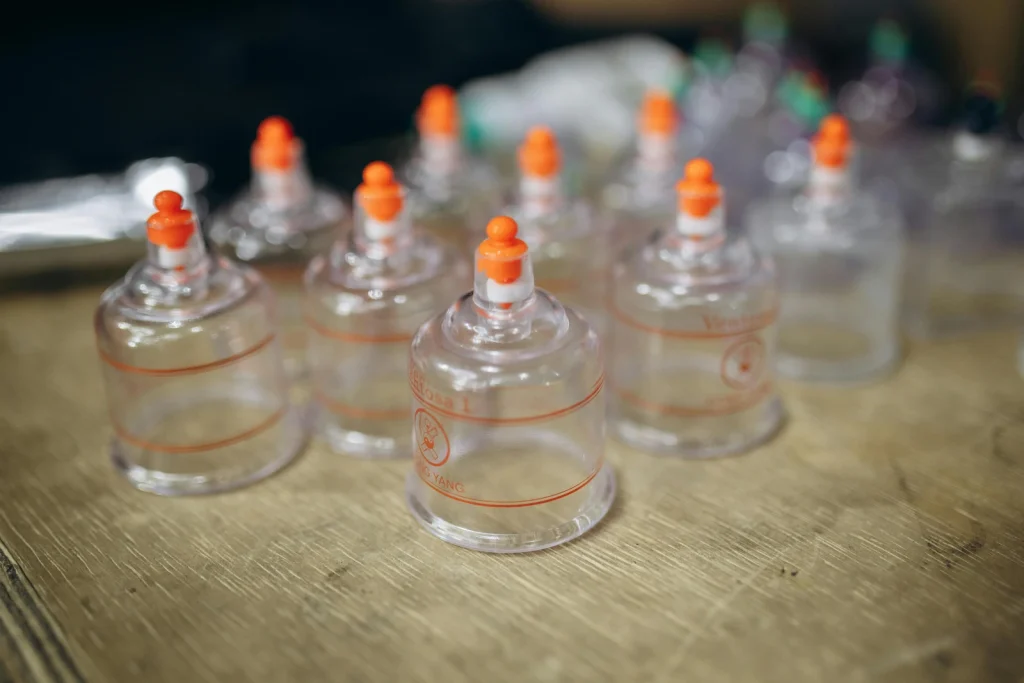
Wet cupping, an ancient healing practice, has experienced a notable resurgence in modern wellness. Once rooted in traditional medicine across Egypt, China, Persia, and the Islamic world, it is now embraced globally for its circulatory, detoxification, and pain-relief benefits. But what explains its comeback, and why are more people—including clinicians—taking notice today? Global Wellness Trend The wellness industry has exploded over the past decade, with a focus on holistic and natural therapies. Amid this movement, wet cupping has gained attention for its ability to: Support circulation and microvascular health Aid in the removal of stagnant blood and metabolic waste Relieve muscle tension and localized pain Spas, wellness clinics, and integrative health centers across Europe, North America, and Asia now include wet cupping in their offerings. Celebrities, athletes, and wellness influencers have also contributed to its popularity, showcasing cupping marks on social media, which sparked curiosity and public interest. What makes wet cupping particularly appealing in the modern wellness context is its dual appeal: it is both a tradition-rich practice with centuries of cultural significance and a hands-on therapy that visibly demonstrates its effects, such as cupping marks and localized warmth, which users interpret as a tangible sign of healing. Increasing Clinical Interest and Research Scientific curiosity about wet cupping has grown alongside its public popularity. Clinical studies now investigate its effects on circulation, inflammation, pain management, and overall wellbeing. Research highlights include: Improved local blood flow and oxygenation, which helps tissue repair and reduces fatigue (Tagil et al., 2014) Reduction of inflammatory markers, supporting immune modulation and recovery (Ernst & Lee, 2011) Potential effects on blood pressure and metabolic balance, suggesting cardiovascular benefits These studies contribute to validating traditional claims of wet cupping, moving it from purely anecdotal practice into the realm of evidence-informed complementary medicine. Clinics and practitioners increasingly integrate wet cupping into rehabilitation, sports recovery, and stress management programs, demonstrating that ancient therapies can coexist with modern medical approaches. The Bridge Between Tradition and Modern Care Modern and Affordable Wet Cupping Tools of the most compelling aspects of wet cupping’s revival is how it connects historical wisdom with contemporary healthcare standards. Traditional practice emphasizes: Specific cupping points aligned with organ systems or energy meridians Ethical and clean handling of tools Timing and procedural guidance rooted in centuries of observational experience Modern adaptations focus on: Sterile, disposable cups and lancing device Standardized protocols for safe and controlled microbleeding Integration with other therapies like massage, physiotherapy, or acupuncture By respecting both tradition and modern safety protocols, wet cupping becomes a bridge between the old and the new, offering a holistic approach that appeals to individuals seeking natural, safe, and effective wellness options. This balance also fosters cultural appreciation. People today can explore the spiritual and historical dimensions of wet cupping—such as its practice in Islamic medicine (Hijama)—while experiencing measurable physiological benefits. It’s a rare therapy that retains its cultural richness without sacrificing modern standards of hygiene and safety. Why It’s Gaining Momentum Now Several factors contribute to the renewed interest in wet cupping: Public visibility: Media coverage, social media posts, and athlete endorsements have made it more mainstream. Integration into wellness programs: Clinics offer cupping as part of multi-modal recovery plans, combining it with physiotherapy, yoga, or mindfulness practices. Evidence-based recognition: Scientific studies are increasingly cited in journals, providing credibility for both practitioners and users. Global accessibility: Courses, workshops, and online tutorials have made training and practice more widely available to professionals worldwide. Together, these factors have created a modern ecosystem where wet cupping thrives both as a therapeutic tool and a wellness trend. Key Takeaway Wet cupping is no longer just an ancient remedy—it has become a modern wellness revival, blending historical knowledge with contemporary scientific validation. Its comeback is fueled by global demand for holistic therapies, increasing clinical research, and safe integration into modern care practices. Individuals seeking natural approaches to circulation, detoxification, or pain relief now have a therapy that is rich in tradition, evidence-informed, and widely accessible. For more insights on the evolution of cupping and how it transitioned into modern wellness, see From Spa to Science: The Evolution of Cupping Therapy.
Modern Wet Cupping: Safe, Effective, and Root-Cause Focused

Introduction Wet cupping has evolved from an ancient healing art into a modern, evidence-informed practice designed to support health from the root. For centuries, communities across the world have used cupping to ease discomfort, lift fatigue, and rejuvenate the body. Today, modern wet cupping reframes that tradition—integrating medical-grade hygiene, anatomical awareness, and a deeper appreciation of how the body’s systems interact. While many conventional approaches focus on short-term symptom management, wet cupping offers a more foundational pathway. It supports circulation, encourages natural detoxification processes, and promotes balanced neuro-hormonal function. In this way, it helps the body recalibrate itself—naturally, gently, and effectively. Modern wet cupping is no longer simply an “alternative”; it is a thoughtful bridge between classical wisdom and contemporary wellness science. Imagine a wooden boat taking on water: one person frantically scoops with a bucket to keep the surface calm, while another searches for the small crack that caused the leak in the first place. The first response manages symptoms; the second addresses the source. Real restoration begins when we stop only removing the water—and start repairing the hull. Symptom Management Vs Root Cause Problem Solving Why Modern Wet Cupping Matters Safety First: From Tradition to Sterility One of the main transformations of modern wet cupping is its standard of hygiene and procedural safety. Traditional cupping relied heavily on practitioner experience, but lacked uniform sterilization. Modern wet cupping, however, employs sterilized cups, disposable lancet, and strict aseptic techniques to minimize any risk of infection. Every surface, every tool, and every touchpoint follows the same rigorous standards used in clinical environments. Furthermore, controlled suction and precise duration ensure that the skin and capillaries are treated gently. No more unnecessary bruising or tissue trauma. The suction is now measured—not by guesswork, but by the science of negative pressure and capillary response. As a result, patients can enjoy all the benefits of wet cupping without the concerns often associated with older, unstandardized methods. Targeting Root Causes: The Philosophy of Healing Modern wet cupping focuses on what truly matters: the root cause of disease, not its fleeting symptoms. Whereas pharmaceutical medicine (or chemical pharmacology) often manages pain, inflammation, or hypertension through biochemical suppression, wet cupping activates the body’s self-healing circuits. It does this by improving microcirculation, enhancing oxygen delivery, and facilitating toxin clearance through the skin’s capillary network. Every session is a reset for the blood system. The suction draws stagnant, deoxygenated blood to the surface, allowing the body to replace it with fresh, oxygen-rich circulation. This simple physiological act relieves pressure on the heart, improves metabolism, and restores clarity of thought and vitality. Beyond circulation, wet cupping has measurable effects on the neuro-hormonal system—helping to rebalance stress hormones, neurotransmitters, and immune signals. This explains why patients often report feeling lighter, calmer, and more energetic after a session. The philosophy is simple: “Don’t silence the symptom—solve the cause.” Modern wet cupping doesn’t fight the body; it helps the body fight for itself. Evidence-Based and Documented In today’s practice, modern wet cupping follows a documented, evidence-informed model. Practitioners record every session—cup position, suction level, duration, and patient response. This structured documentation allows consistent progress tracking and helps personalize treatment for chronic conditions. Clinical studies have shown significant benefits of wet cupping in areas like hypertension, musculoskeletal pain, chronic fatigue, and metabolic imbalance. While research is still growing, the patterns are clear: improved circulation, reduced inflammation markers, and better patient-reported outcomes compared to symptom-only treatments. By combining clinical observation with modern hygiene and methodology, wet cupping becomes not a relic of tradition, but a forward-looking therapeutic science. Integrative Healing: Combining Nature and Science Modern wet cupping does not reject medical science—it complements it. For acute or emergency cases, pharmaceuticals remain valuable tools. But for long-term health maintenance, prevention, and chronic conditions, wet cupping addresses what medicine often overlooks: systemic balance. This is where integration happens. A modern practitioner may combine wet cupping with: Nutritional guidance to support detoxification and blood quality. Lifestyle coaching for stress management and sleep optimization. Selective pharmacological support when acute inflammation or infection demands chemical intervention. This integrative model empowers patients to take charge of their own wellness journey—transitioning from passive consumers of medicine to active participants in healing. How Modern Wet Cupping Works The Suction Phase The session begins with the placement of sterile cups on specific points—commonly along the neck, shoulders, and back. Controlled suction creates a negative pressure environment that draws stagnant blood and interstitial fluid toward the surface. This pressure differential stimulates microcirculation, awakening the tiny vessels that feed the tissues with oxygen and nutrients. It’s like reopening blocked roads in your bloodstream—allowing traffic (blood) to flow freely again. The Cleansing Phase After several minutes, small micro-incisions are made using sterile, single-use blades. These microchannels allow a small amount of thick, dark, toxin-loaded blood to exit. This isn’t ordinary bleeding—it’s a biological cleansing at the microvascular level. The body responds by accelerating the delivery of new, oxygen-rich blood to the same area, creating a localized “renewal zone.” This process is both detoxifying and rejuvenating, helping to clear metabolic residues that often accumulate due to poor circulation, chronic stress, or sedentary habits. The Regulation Phase Once the stagnation is released, the body begins to rebalance itself. Improved circulation enhances organ function, while better oxygenation reduces fatigue and brain fog. Patients often report better sleep, improved focus, and a sense of lightness—indicators that the autonomic nervous system is recalibrating. In short, wet cupping triggers a systemic self-repair response, rather than an artificial chemical reaction. Your Assurance of Safety and Science Modern wet cupping operates on three guiding principles: safety, precision, and balance. Every tool is sterilized. Every motion is controlled. Every decision is guided by both science and intuition. The entire framework has evolved to align with modern health standards—bridging the ancient with the scientific. For patients, this means confidence. You can embrace the benefits of wet cupping without the uncertainties of older techniques. You’re engaging in a scientifically informed, physiologically sound, and globally practiced system of natural