
The Hidden Layer of Detox: How Wet Cupping Completes What Dry Cupping Starts
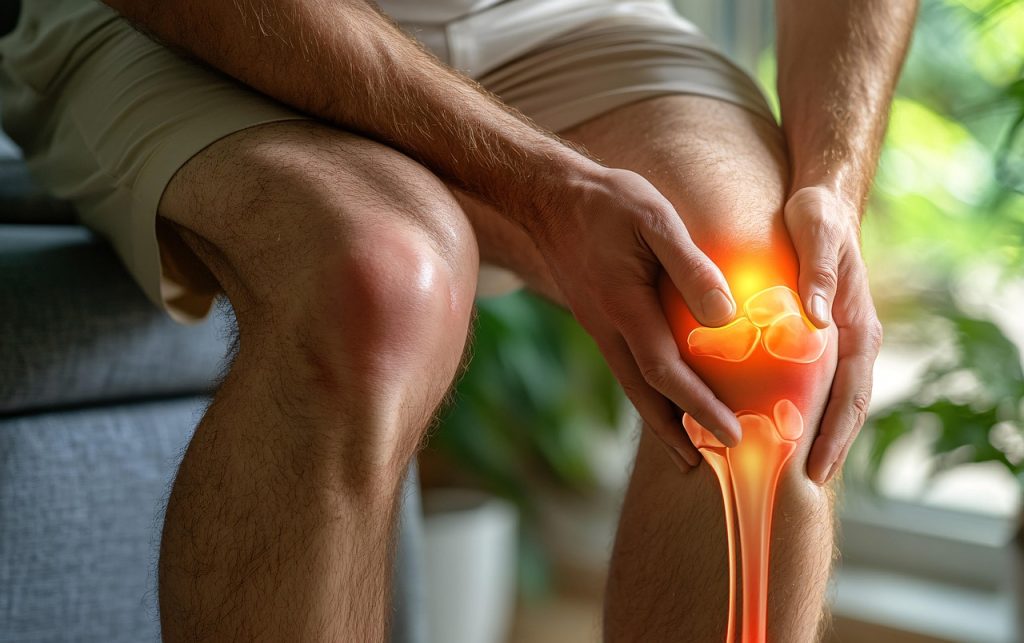
Detoxification has become one of the biggest buzzwords in modern wellness — from juice cleanses to infrared saunas. But long before those trends, traditional medicine had its own physical form of detox: cupping therapy. Cupping works by using suction to lift the skin and stimulate circulation beneath it. There are two main types: dry cupping, which relies solely on suction, and wet cupping, which involves gentle blood release after suction to remove what practitioners call stagnant blood. While dry cupping opens the pathways, wet cupping completes the detox process by reaching the deeper layers where waste and inflammation often accumulate. Let’s explore how these two methods actually complement each other inside your body. Joint Knee and Muscle Injury How Dry Cupping Stimulates Surface Flow In dry cupping, a therapist places a cup on the skin and creates suction — either by heat (traditional fire cupping) or by using a modern vacuum pump. This negative pressure gently lifts the skin and underlying tissues, drawing blood toward the surface. At a microscopic level, this process increases capillary dilation and triggers a mild inflammatory response. It’s not harmful; rather, it’s your body’s signal to start repair and regeneration. The area becomes flushed with oxygenated blood, nutrients, and immune cells. That’s why athletes often use dry cupping for muscle recovery and pain relief. The technique releases tension in the fascia, improves local circulation, and encourages lymphatic movement — essentially a “surface detox.” But while dry cupping is excellent for improving flow and relieving tightness, it doesn’t actually remove the old, stagnant blood trapped within small vessels. That’s where wet cupping comes in. Why Wet Cupping Reaches Deeper Wet cupping, sometimes called Hijama in traditional medicine, adds one more step to the process. After the first suction, the cups are briefly removed, and the skin is lightly pricked with a sterile disposal lancet or blade. The cups are then reapplied, allowing a small amount of dark, thick blood to be drawn out. This is how wet cupping completes what dry cupping starts. This extracted blood isn’t “random” — studies suggest it often contains higher levels of oxidized molecules, heavy metals, and inflammatory markers compared to venous blood.In other words, it’s the older, less oxygenated portion of circulation that contributes to fatigue and inflammation. Research published in the Journal of Alternative and Complementary Medicine by Tagil et al. (2014) found that wet cupping improved local blood flow and tissue oxygenation, supporting the body’s natural cleansing mechanisms. Another review by Ernst & Lee (2011) noted that the process may promote immune modulation and reduce oxidative stress. This makes wet cupping more than just a traditional ritual — it’s a biologically plausible deep-level detox technique. Blood, Lymph, and Cellular Waste Pathways To understand the deeper logic behind wet cupping, imagine your body’s internal cleaning system.Your bloodstream transports nutrients and oxygen, while the lymphatic system carries away waste and excess fluids. When circulation slows or inflammation builds up, metabolic waste can accumulate in localized areas — often perceived as stiffness, fatigue, or heaviness. Dry cupping helps by mobilizing these fluids. Wet cupping goes further by removing a small portion of the trapped, stagnated blood, allowing the body to replace it with fresh, oxygen-rich circulation. This dual action — mobilize and remove — mirrors how the body’s detox systems naturally function. It’s not about “flushing toxins” in the trendy sense, but rather restoring flow and balance at the microcirculatory level. That’s why after a wet cupping session, many people report lighter muscles, clearer skin tone, and a noticeable sense of mental clarity. The body isn’t just relaxed — it’s recalibrated. Complementing Both for Holistic Detox In reality, dry and wet cupping aren’t competing methods; they’re sequential layers of the same process. Dry cupping awakens the surface circulation and prepares tissues, while wet cupping finalizes the release — both working together to promote a more complete internal reset. Practitioners often describe this as “opening the drain.” The suction first draws waste toward the surface; the micro-incision allows controlled release. The body then fills the area with fresh blood, new oxygen, and immune signals, reinforcing local healing. When integrated properly, this combination supports the body’s natural detox rhythm without relying on chemicals or harsh interventions. It’s a gentle, biological detox guided by centuries of observation and now backed by growing physiological research. For those new to the practice, it’s important to ensure it’s done under sterile, professional conditions — ideally by a trained practitioner familiar with Wet Cupping Safety Guidelines and post-session care. Key Takeaway Dry cupping starts the flow. Wet cupping completes it Together, they represent a layered approach to detoxification — not by forcing the body, but by reminding it how to restore its own balance. Modern science is beginning to confirm what ancient practitioners intuitively knew: sometimes, the most effective cleansing happens not through what we add to the body, but through what we gently help it release. If you’re ready to understand wet cupping on a deeper, more practical level, visit our Bookstore. You’ll get a free foundational eBook complete with video guidance — plus a collection of comprehensive wet cupping books designed to help you learn with confidence.
How Wet Cupping Helps Improve Blood Flow Naturally
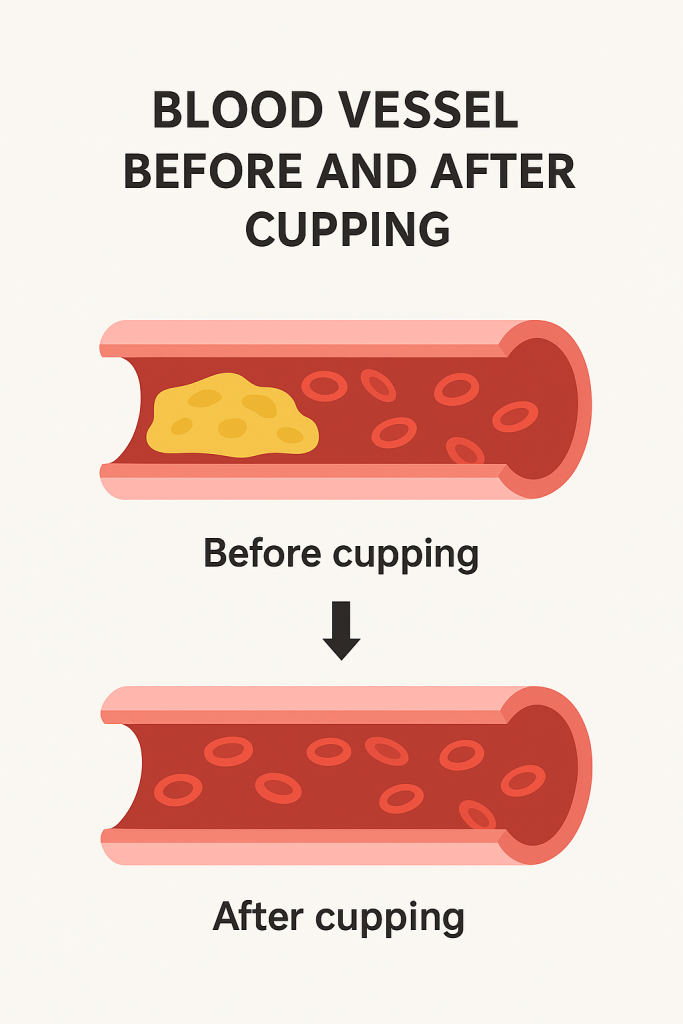
Wet cupping is more than just a traditional wellness technique — it’s like a manual reset for your body’s circulation system. When done properly, it helps clear micro-blockages, balance pressure, and restore a smoother flow of blood throughout your body. How Wet Cupping Works Step by Step During a wet cupping session, your body goes through a simple yet powerful process: Gentle suction draws old, stagnant blood to the surface of the skin. Fresh, oxygen-rich blood quickly flows in to replace it. Tiny blockages in the capillaries begin to open, allowing better circulation. Pressure within blood vessels gradually balances itself. Many people describe feeling lighter, calmer, and clearer right after a session. That “light” feeling often signals that your body’s microcirculation has started to improve — like releasing pressure from a blocked pipe. Wet cupping also helps your body remove excess waste, toxins, and fat residues that can slow down blood flow. This gentle “flushing effect” often leaves your skin warmer and your mind more alert. Even subtle color changes in the skin after a session show that blood flow has been restored — proof that your body is rebalancing itself from the inside out. Restoring the Flow: Understanding Blood Balance the Simple Way To understand how wet cupping improves blood flow, it helps to look at one simple truth: Smooth circulation equals healthy energy. Every cell in your body depends on oxygen and nutrients carried through the bloodstream. When blood flows freely, you feel light, focused, and full of energy. But when the flow slows or gets blocked — especially around the shoulders, neck, and head — you might experience: Stiff or heavy shoulders Dull headaches or dizziness Pressure around the neck Mental fog or tension These symptoms are the body’s natural signals saying: “Your blood flow isn’t smooth.” Poor circulation in these areas doesn’t just affect muscles — it can also influence how well your brain receives oxygen, how your heart maintains pressure, and how your nervous system handles stress. This creates a cycle: tension increases pressure, and pressure increases tension. How Wet Cupping Restores Natural Balance The good news? You can break this cycle naturally. Wet cupping gently removes stagnant blood and reopens microcirculation, allowing fresh blood and nutrients to move freely again. This helps: Reduce tension in the neck and shoulders Support healthy blood pressure Improve oxygen delivery to the brain Calm the nervous system It’s a simple, natural reset — helping your body return to its original rhythm of balance and flow If you’re ready to understand wet cupping on a deeper, more practical level, visit our Bookstore. You’ll get a free foundational eBook complete with video guidance — plus a collection of comprehensive wet cupping books designed to help you learn with confidence.
The Healing Benefits of five Wet Cupping Points on the Neck and Shoulders
Discover why wet cupping on the upper neck and shoulder points helps restore blood flow, balance the nervous system, and relieve tension. Learn its 5 core systems and 8 benefits.