
Cupping Marks Explained: What Those Red Circles Really Mean
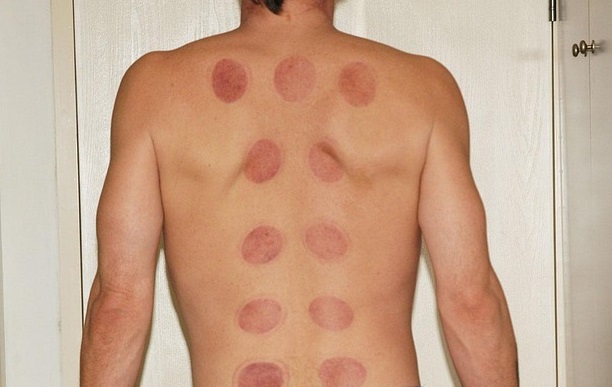
If you’ve ever had a wet cupping session or seen someone with circular marks on their back or shoulders, you might have wondered: What do those red circles actually mean? Are they dangerous? Are they a sign of toxins leaving the body? Understanding the science behind cupping marks helps you interpret them and take better care afterward. Color Indicators and Blood Flow Cupping marks are primarily a result of blood being drawn to the surface of the skin. The color of the marks can vary depending on: Amount of blood drawn Level of stagnation in the tissue Individual skin tone and sensitivity Typically, marks range from light pink to dark purple. Lighter marks indicate healthy, flowing blood, while darker marks often reflect areas where circulation has been slower or “stagnant.” These color variations are a visual clue to microcirculation and tissue response, not a sign of toxins being expelled. Essentially, the marks show that blood has pooled near the skin’s surface, which stimulates healing and improved circulation in the underlying tissues. Cupping marks illustration Why Marks Fade Faster After Wet Cupping Unlike dry cupping, wet cupping includes a controlled microbleeding step, which removes small amounts of blood from areas with poor circulation. This: Reduces the volume of pooled blood in localized tissue Improves oxygenation and nutrient delivery Accelerates the fading of marks Many people notice that marks from wet cupping fade faster than those from dry cupping because the therapy not only draws blood to the surface but also removes stagnation more efficiently. Myths vs Biological Facts A common misconception is that cupping marks represent “toxins” leaving the body. While traditional medicine often uses the term “toxin,” modern science interprets the marks as evidence of: Localized blood pooling Microcirculation activation Temporary inflammation that triggers healing responses Research shows that the skin’s discoloration is a normal response and usually resolves within a week. The marks themselves are not harmful and are actually a sign that your body is responding to the treatment. When to Worry About Skin Reaction Most cupping marks are harmless, but there are a few signs to monitor: Excessive pain, swelling, or blistering Persistent redness beyond 3–10 days Signs of infection, such as warmth, pus, or unusual odor If any of these occur, consult your practitioner immediately. Proper aftercare — cleansing, gentle massage, and the use of natural oils — can prevent complications and support faster healing. For detailed guidance, see our article on Aftercare and Natural Oils. Key Takeaway Cupping marks are a normal, expected outcome of wet cupping therapy. They indicate that circulation has been stimulated and that stagnant blood has been mobilized. The varying colors provide clues about tissue response, while the fading process reflects improved blood flow and oxygenation. Understanding the marks allows beginners and experienced users alike to approach wet cupping with realistic expectations. Rather than worrying about discoloration, focus on proper preparation, treatment by a trained practitioner, and post-session care to maximize benefits and comfort.
Antiseptic Essentials and Natural Oils for Post–Wet Cupping Recovery
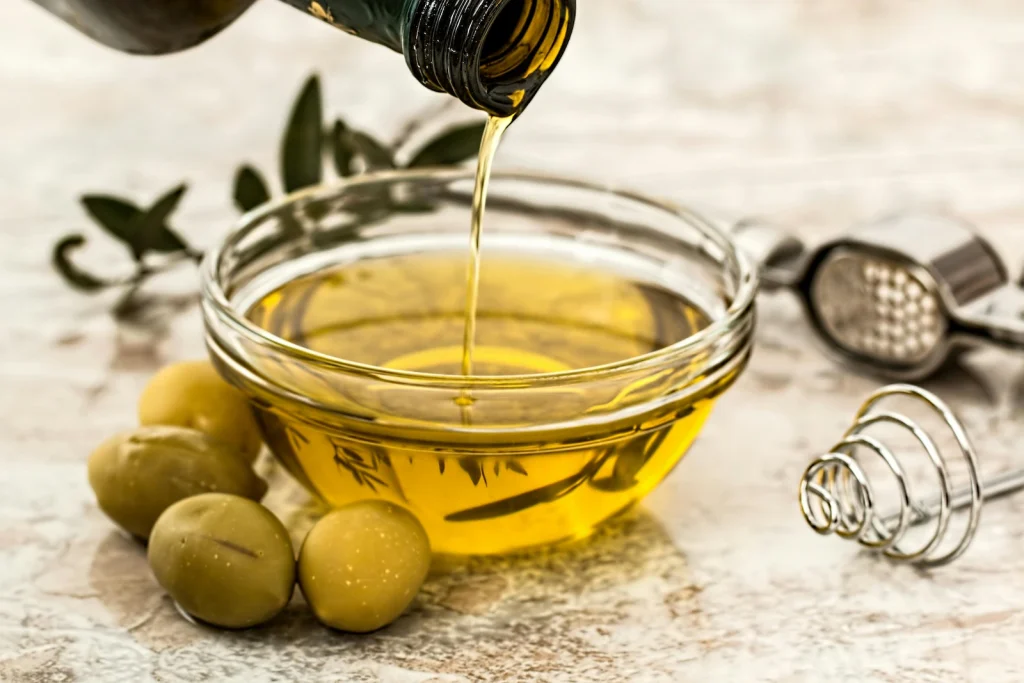
This part bridges traditional wisdom and modern hygiene — blending safe practices with the gentle science of natural healing. Drawn from more than two decades of field experience, the insights below aim to educate for wellness, not to prescribe medical treatment. Antiseptic Care Before and after wet cupping, maintaining skin cleanliness is vital. Simple antiseptics such as alcohol swabs, iodine solution, or sterile tissues protect against infection and ensure a safe, hygienic experience. Even the most refined technique still relies on one timeless principle — cleanliness as the foundation of healing. Consistent hygiene and soft aftercare prevent microbial entry, speed up tissue recovery, and maintain the trust between practitioner and client (Ali et al., 2018; Nagle et al., 2018; Ogbolu et al., 2007). Natural Herbal Oils After each wet cupping session, the micro-punctures on the skin deserve gentle and nourishing attention. Across many cultures, natural oils are trusted to soothe, protect, and rejuvenate the skin while reducing inflammation. Depending on availability and cultural background, various herbal oils can serve the same healing purpose. Below are examples of globally accessible natural herbal oils often used in post–wet cupping care. The mentioned brands serve as references only — what truly matters is purity, mildness, and safety for the skin. 1. Virgin Coconut Oil (VCO) • Known globally for its moisturizing and mild antibacterial action.• Examples: Nutiva (USA), Carrington Farms (USA), Dr. Bronner’s (Global), Tropicana VCO (Thailand), HNI-HPAI VCO (Indonesia & Malaysia). 2. Olive Oil • Excellent for soothing skin, improving tone, and enhancing microcirculation.• Examples: Bertolli (Italy), California Olive Ranch (USA), Zaitoun (UK/Palestine), Wardah (Indonesia). 3. Black Seed Oil (Nigella sativa) • A traditional Middle Eastern and Asian favorite, known for reducing inflammation and aiding skin repair.• Examples: Amazing Herbs (USA), The Blessed Seed (UK), Hemani (Middle East), Hab Shifa (Australia), Habbatussauda HNI-HPAI (Malaysia). 4. Tea Tree Oil (Must Be Diluted) • Helps prevent minor infections and supports natural recovery when used in diluted form.• Examples: Thursday Plantation (Australia), The Body Shop (UK), NOW Foods (USA). 5. Argan Oil • Lightweight, easily absorbed, and rich in vitamin E — revitalizes and nourishes the skin.• Examples: Moroccanoil (Global), Pura D’or (USA), The Bath Box Argan Oil (Indonesia). What matters most is choosing oils that are natural, non-irritating, and gently antibacterial. These oils not only protect post–wet cupping skin but also bring comfort, relaxation, and balanced recovery. Beyond cleanliness, natural oils encourage regeneration and help the skin return to its natural tone. Gentle application boosts microcirculation, supporting the body’s inner healing rhythm. How They Help After a wet cupping session, the skin enters a natural recovery phase. This is the moment when the right herbal oils can make a meaningful difference — not as medical treatment, but as gentle support for calming the skin, maintaining moisture, and helping the area settle comfortably. Each oil carries its own character and benefits. Here’s a clear, easy-to-follow overview: • Argan Oil — deeply moisturizes with antioxidants and vitamin E, helping the skin stay smooth, nourished, and naturally revitalized.• Black Seed Oil — supports natural repair, balances pigmentation, and gently reduces the appearance of dark cupping marks.• Tea Tree Oil — helps prevent minor infection when properly diluted with a carrier oil, offering a clean and protective post-session feel.• Olive or Virgin Coconut Oil — strengthens the skin barrier, reduces irritation, and maintains steady hydration for a calmer recovery.• Herbal Blend Oils (with cinnamon, clove, or ginger) — enhance microcirculation and warmth, helping cupping marks fade more quickly and evenly. For optimal results, apply a thin layer once or twice daily after the cupping area is clean and fully dry. Massage gently in circular motions for 1–2 minutes to improve absorption and relaxation. With consistent use, the marks typically fade within a few days, and the skin tone naturally returns to balance. Safety Reminder Tea tree oil must always be diluted with a carrier oil before skin application. Avoid using undiluted essential oils on open or punctured areas. Professional Note This guide summarizes wellness experience gathered over years of fieldwork. It is intended for educational purposes. For ongoing medical conditions, always pair traditional methods with professional healthcare supervision.