
Understanding Wet Cupping in Islamic Medicine and Modern Wellness
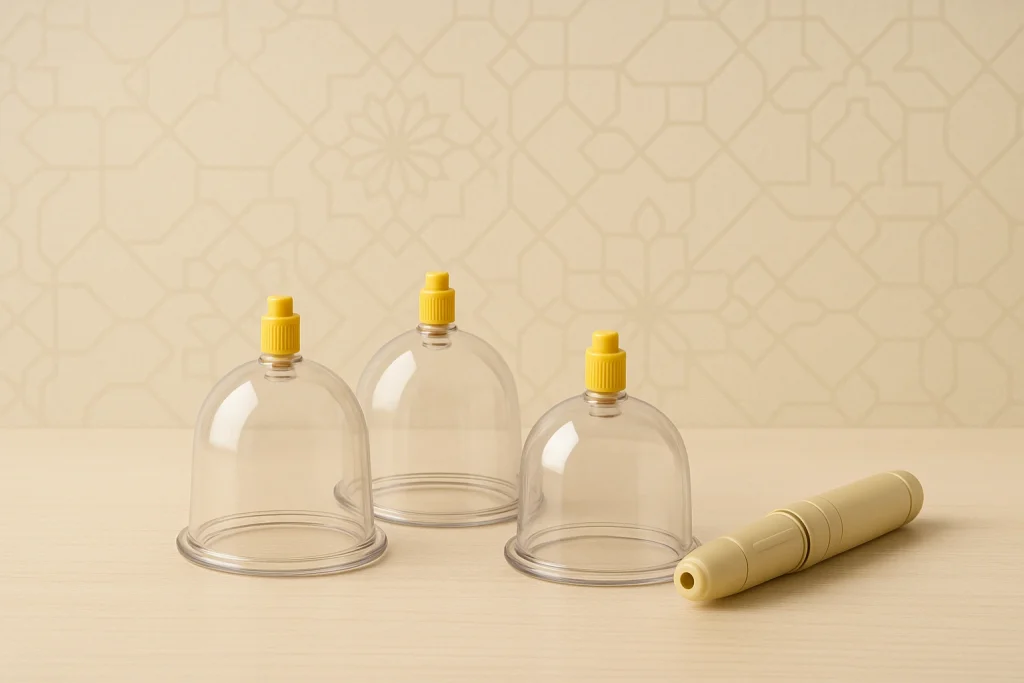
Wet cupping, or Hijama in Islamic tradition, is a therapy with deep historical roots. Practiced for centuries, it combines spiritual, cultural, and physiological insights to support health and wellness. Today, modern research is beginning to validate some of its traditional claims, bridging ancient wisdom with contemporary science. Religious Foundations (Hijama Tradition) In Islamic medicine, wet cupping is highly regarded for its preventive and restorative benefits. Historical texts describe it as a method to: Remove harmful or stagnant blood from the body Strengthen immunity and maintain energy balance Support holistic well-being by harmonizing the body and mind Hijama sessions are often conducted on specific days, following prophetic guidance, and emphasize cleanliness, proper technique, and ethical care. Beyond physical benefits, the practice also provides spiritual reassurance and mindfulness, integrating body and soul. Scientific Alignment with Modern Findings Modern studies on wet cupping show physiological effects that complement its traditional purpose: Improved local blood flow and oxygenation (Tagil et al., 2014) Enhanced microcirculation and detoxification pathways Modulation of inflammatory markers, supporting natural healing These findings suggest that wet cupping not only aligns with the principles of Islamic medicine but also offers measurable health benefits, making it compatible with contemporary wellness practices. Main Modern Wet cupping tools Universal Ethics of Care and Cleanliness A key aspect of Hijama is the emphasis on hygiene and ethical care. Principles include: Using sterilized cups and scalpels Maintaining a clean environment for therapy Ensuring the practitioner is trained and experienced Observing modesty and patient comfort These standards mirror modern medical guidelines for safe wet cupping and highlight the synergy between tradition and contemporary safety practices. Integrating Wet Cupping into Modern Wellness Many wellness centers now offer wet cupping alongside therapies such as massage, acupuncture, or physiotherapy. Integration strategies include: Pre-session assessment: Evaluating individual health status and needs Targeted cupping points: Combining traditional recommendations with anatomical insights Post-session care: Cleansing, oils, and gentle massage to optimize healing By respecting both tradition and modern science, wet cupping can serve as a holistic wellness tool, supporting circulation, stress reduction, and overall balance. Key Takeaway Wet cupping in Islamic medicine (Hijama) emphasizes preventive care, ethical practice, and body-mind harmony. Modern research supports many of its physiological effects, including improved circulation, detoxification, and inflammation modulation. By integrating these traditional insights with contemporary wellness strategies, wet cupping offers a safe, effective, and culturally meaningful approach to health. For more insights into its clinical and circulatory effects, see From Ancient Remedy to Modern Revival.