
Wet Cupping for Older Adults: Safe Approaches for Seniors
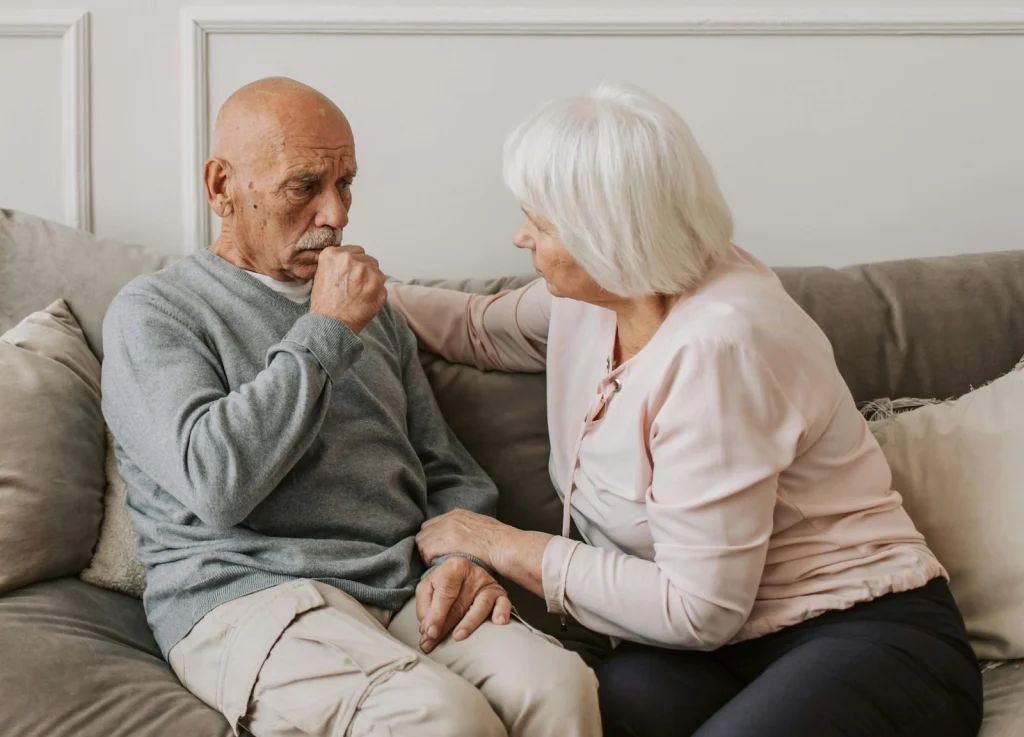
As people age, maintaining circulation, flexibility, and energy becomes increasingly important for quality of life. Many older adults explore complementary methods to support mobility and vitality. One such traditional method, wet cupping, has been practiced for centuries across cultures—from the Middle East to Asia and Europe. When applied carefully, wet cupping elderly programs can promote relaxation, improve blood flow, and ease chronic discomforts related to aging. However, because senior skin and circulation differ from younger individuals, the approach must be gentle, hygienic, and medically informed. Age-Related Circulatory Challenges Aging naturally brings physiological changes that affect how the body circulates blood and oxygen. Capillaries may become more fragile, tissues thinner, and metabolism slower. These changes can contribute to cold extremities, joint stiffness, slower recovery, and general fatigue. Poor microcirculation is also associated with chronic pain and swelling in the legs or shoulders, as well as reduced nutrient delivery to tissues. By encouraging localized blood movement, wet cupping may help relieve congestion and stimulate mild detoxification processes through the skin. Historically, practitioners observed that elderly patients often reported feeling “lighter” or more energetic after cupping sessions—likely due to improved blood flow and nervous system relaxation. Modern observations support this, suggesting that mild suction therapies can enhance circulation without strain, when performed under proper supervision. Gently treatment for Older Adults Adjusted Techniques for Sensitivity and Fragile Skin Seniors require modified cupping techniques to ensure comfort and safety. The skin loses elasticity and becomes more delicate with age, so traditional suction strength must be reduced. Key adjustments include: Gentle suction levels: Use mild to moderate pressure only—just enough to draw circulation, not to bruise deeply. Shorter duration: 3–5 minutes per cup is sufficient for most older adults. Fewer points per session: Focus on 3–5 key areas, such as the upper back, shoulders, and calves, depending on the person’s condition. Hygienic tools: Only sterile, single-use cups and blades should be applied to prevent infection. Monitoring and Aftercare for Seniors Close observation is essential before, during, and after each session. Practitioners should check blood pressure, hydration levels, and skin response throughout. After cupping, the treated area should be cleansed gently and protected from friction or heat. Applying natural oils—like virgin coconut oil, argan oil, or diluted tea tree oil—can soothe the skin and speed recovery of temporary marks. These oils also help maintain moisture and elasticity, preventing dryness that commonly affects mature skin. Post-session recommendations: Rest for several hours after treatment. Drink warm water or herbal tea to aid circulation. Avoid strong sun exposure and hot showers for 24 hours. If mild soreness occurs, apply warm compresses or light oil massage. Benefits for Mobility, Pain, and Energy When performed safely, wet cupping elderly practices may offer several supportive benefits: Improved mobility: By easing stiffness and enhancing muscle oxygenation, many seniors feel more flexible after regular sessions. Pain relief: Cupping has been traditionally used to reduce tension-related pain, especially in the shoulders, neck, and lower back. Enhanced vitality: Some older adults report better sleep and clearer mental focus—likely due to reduced stagnation and improved microcirculation. Scientific studies are still limited, but empirical reports suggest that moderate cupping can complement physiotherapy and medication, especially in managing chronic musculoskeletal discomfort. The therapy’s calming effect on the nervous system may also support emotional well-being and reduce fatigue. Integrating Tradition with Modern Care Wet cupping should always be part of a comprehensive health plan. Collaboration between cupping practitioners and healthcare providers ensures safe results, especially for seniors taking medications or managing chronic illnesses such as diabetes or hypertension. Periodic sessions every 3–4 weeks, combined with balanced nutrition and gentle exercise, may help sustain long-term vitality. Key Takeaway Wet cupping for older adults is not about aggressive detox or intense stimulation—it’s about restoring gentle balance. With proper adjustments for sensitivity, sterile technique, and mindful aftercare, it can become a valuable complementary practice to improve mobility, reduce pain, and promote overall well-being in the golden years. If you’re ready to understand wet cupping on a deeper, more practical level, visit our Bookstore. You’ll get a free foundational eBook complete with video guidance — plus a collection of comprehensive wet cupping books designed to help you learn with confidence.