
The Science of Stagnant Blood: Why Releasing It Matters?
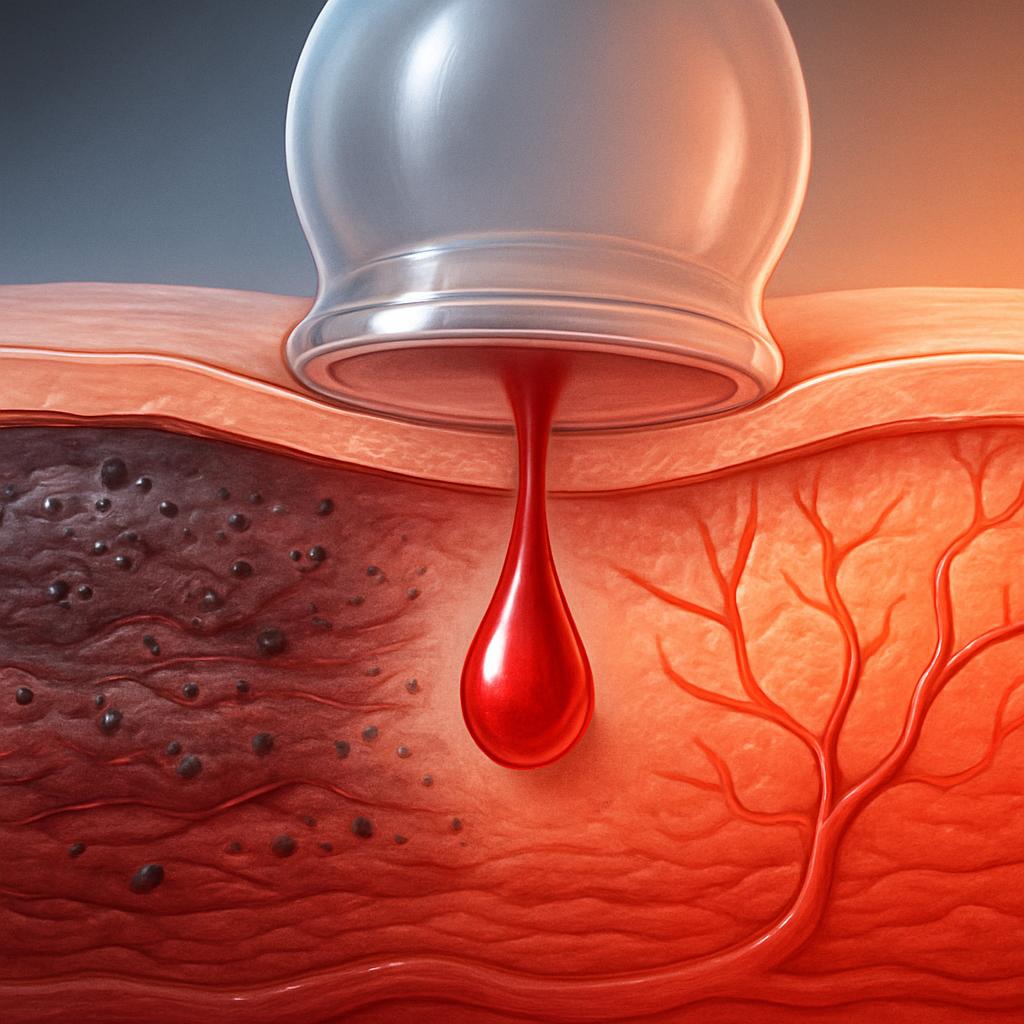
In traditional medicine, one concept often discussed in relation to wet cupping is “stagnant blood.” Many practitioners believe that the accumulation of old or poorly circulating blood can contribute to pain, fatigue, and general discomfort. But what does this term really mean, and how does modern science explain it? Understanding both perspectives helps clarify why releasing stagnant blood through wet cupping can support overall wellness. What Is Stagnant Blood in Traditional Medicine In systems like Chinese medicine and Islamic Hijama practices, stagnant blood is thought to represent blocked or sluggish circulation in specific areas of the body. It’s believed to accumulate due to injury, tension, poor lifestyle habits, or emotional stress. Traditional practitioners often associate stagnant blood with: Muscle tightness and localized pain Dark or discolored skin marks Reduced energy flow in affected areas By targeting these zones with wet cupping, practitioners aim to mobilize the stagnant blood, restore balance, and support the body’s natural healing processes. The dark-colored blood seen after cupping is often cited as evidence that stagnant blood has been released. medical illustration of tissue under the skin during wet cupping therapy Modern View: Venous Pooling and Microcirculation From a contemporary perspective, the concept of stagnant blood aligns closely with venous pooling and microcirculation dysfunction. Venous pooling occurs when blood collects in small veins or capillaries, slowing the efficient exchange of oxygen and nutrients. This can contribute to soreness, inflammation, and fatigue in localized areas. Wet cupping addresses this by creating negative pressure on the skin surface. The suction draws blood into the cup, encouraging: Enhanced microcirculation Improved oxygen delivery to tissues Reduced fluid stagnation in localized regions A study by Tagil et al. (2014) demonstrated that wet cupping significantly increased local blood flow and tissue oxygenation, supporting the idea that the therapy actively mobilizes stagnant blood and restores dynamic circulation. The Role of Nitric Oxide and Inflammation Control Beyond moving blood, wet cupping may influence biochemical pathways that regulate vascular health. Suction and microbleeding can stimulate the release of nitric oxide (NO), a molecule critical for blood vessel dilation and improved tissue perfusion. Increased NO can lead to: Better oxygen delivery to cells Reduced local inflammation Relaxation of tight muscles In addition, wet cupping has been shown to modulate inflammatory markers. By removing small amounts of blood and stimulating tissue response, the body may downregulate pro-inflammatory cytokines, helping reduce pain and promoting recovery in affected areas. This combination of mechanical and biochemical effects bridges traditional understanding of “stagnant blood” with modern physiology, explaining why many clients report relief after even a single session. Real Benefits Observed After Release Practitioners and patients have observed several practical benefits from releasing stagnant blood through wet cupping: Pain relief and muscle relaxation: Especially in shoulders, back, and neck regions. Enhanced circulation: Supporting oxygen and nutrient delivery to tissues. Reduction in inflammation: Mild anti-inflammatory effects contribute to recovery and well-being. Feeling of lightness or energy: Likely due to improved circulation and tissue perfusion. It’s important to note that these effects are usually localized and subtle rather than dramatic “detox” transformations. Wet cupping supports the body’s natural regulation, complementing other wellness practices like exercise, hydration, and balanced nutrition. Key Takeaway The concept of stagnant blood, though rooted in traditional medicine, has a clear parallel in modern physiology — venous pooling, microcirculation dysfunction, and localized inflammation. Wet cupping helps release this stagnation safely through controlled suction and microbleeding, stimulating circulation, enhancing oxygenation, and modulating inflammation. For beginners and seasoned users alike, understanding these mechanisms helps set realistic expectations. The goal is not to “purge toxins” in a chemical sense but to support the body’s natural blood flow and tissue recovery. Get the free at-home wet cupping tutorial — an easy-to-follow e-book with videos, featuring the 5 essential points every wet cupping practitioner must know — inside Natural Reset: Modern Wet Cupping Made Simple.