
Why Some Cupping Therapies Draw Blood — and What It Means for Healing?
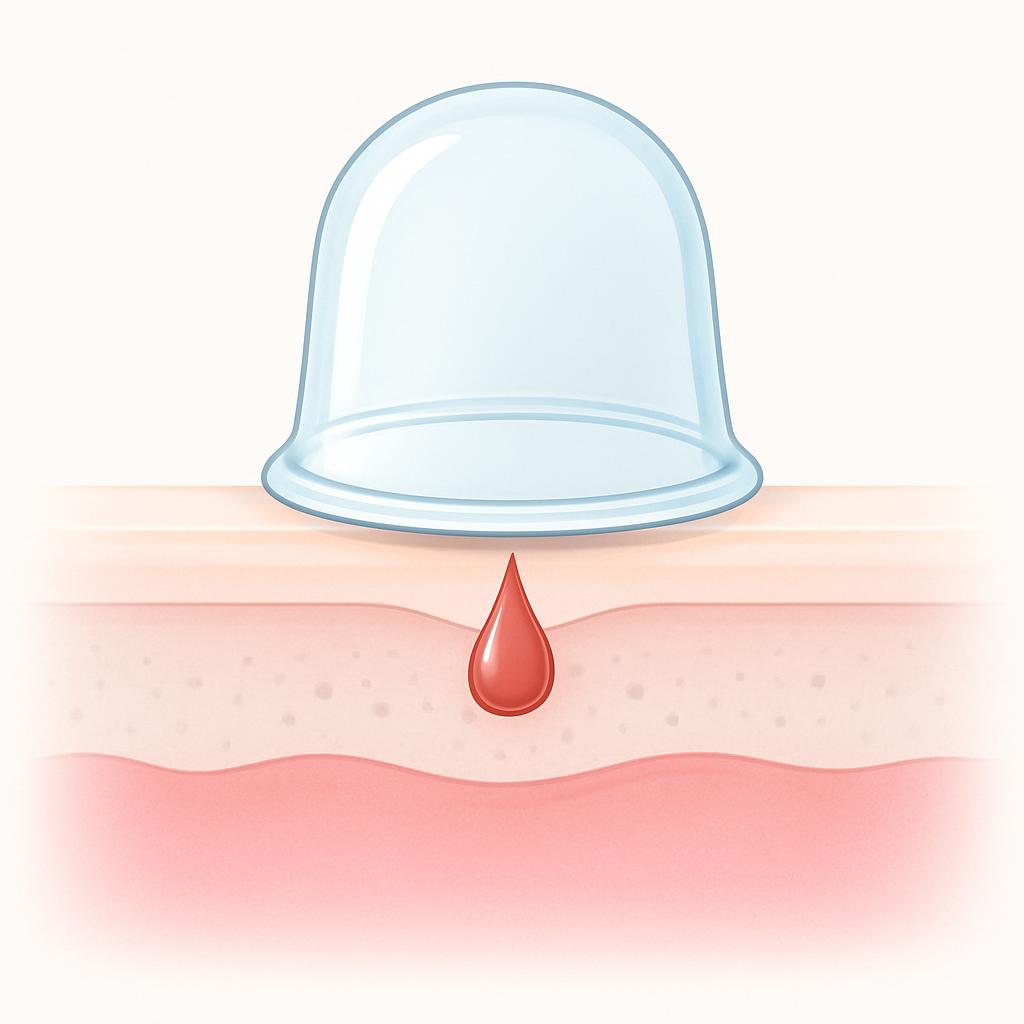
Cupping has fascinated healers for thousands of years — from ancient Egypt to modern integrative clinics across Europe and America. But if you’ve ever seen a session where small amounts of blood are drawn, you might wonder: why does it happen, and is it really necessary? At first glance, the idea of drawing blood might sound intense. Yet within the practice of wet cupping, this controlled release plays a vital role in how the body renews itself. It’s less about losing blood — and more about restoring flow, clearing stagnation, and triggering the body’s built-in repair systems. Let’s uncover the logic behind this ancient practice and what it reveals about how your body heals itself. The Draw Blood Logic In traditional medicine, the act of drawing a small amount of blood through wet cupping isn’t about “bleeding” in the surgical sense. Instead, it’s about releasing pressure and removing stagnation — a term used to describe thick, sluggish, or overused blood that no longer circulates efficiently. Practitioners believe this “old” or stagnant blood can trap waste and oxidative compounds in localized tissues. When cups are applied and suction is created, the negative pressure pulls this heavy blood toward the skin surface. A few shallow incisions then allow it to exit, making way for fresher, oxygen-rich blood. Modern science is beginning to interpret this in physiological terms. Research by Ernst & Lee (2011) suggests that wet cupping therapy creates controlled micro-injuries that stimulate the body’s self-repair mechanisms, increasing microcirculation and improving tissue perfusion. In simple language: when small amounts of blood are released, your body reacts as if it’s been “reset.” It sends in a fresh supply of oxygenated blood, immune cells, and growth factors to heal and balance the area — a process that feels surprisingly energizing afterward. Wet Cupping Draw Stagnant Blood Stagnant vs. Fresh Blood — The Circulation Reset The idea of “stagnant blood” may sound symbolic, but it aligns closely with what we know about microcirculatory dysfunction. In regions where blood flow slows — often due to inflammation, stress, or toxin buildup — capillaries become constricted, and oxygen delivery drops. This creates localized fatigue and pressure. During wet cupping, suction changes these dynamics dramatically. The pressure gradient pulls pooled, deoxygenated blood toward the surface. Once that surface layer is gently released through micro-incisions, the body immediately compensates by sending new, oxygen-rich blood into the area. The result is a cycle of release and renewal. This explains why many clients describe feeling lighter, clearer, or deeply relieved after a session. What they’re sensing isn’t mystical — it’s their circulatory system rebalancing itself. How the Body Reacts After Cupping Vasodilation: Blood vessels widen, increasing oxygen flow and nutrient exchange. Erythropoiesis: The body begins producing new red blood cells to replace those released. Immune activation: Cytokine balance shifts, reducing inflammation and oxidative stress. A study in the Journal of Alternative and Complementary Medicine (Tagil et al., 2014) confirmed that wet cupping improves local tissue metabolism and oxygenation, supporting the detox explanation long held in traditional systems. Interestingly, the mild inflammation that follows is not harmful — it’s a natural part of healing. The immune system uses it to clean up cellular debris and restore equilibrium, much like how exercise induces small muscle tears that later make you stronger. When Blood Release Is Safe and Controlled Not every cupping therapies draw blood, The wet cupping method is typically recommended when signs of stagnation appear — such as chronic pain, muscular knots, migraines, or visible skin discoloration. Modern Safety Standards Today’s certified practitioners perform wet cupping under strict hygiene standards, similar to minor medical procedures. They use disposable cups, sterile blades, gloves, antiseptic cleaning, and proper wound care afterward. The incisions are very shallow — typically less than 1 millimeter deep — and are placed only on specific, safe regions of the body, far from major veins and arteries. When done properly, blood release through cupping is safe, controlled, and biologically purposeful. However, cupping should be avoided for individuals with clotting disorders, severe anemia, or who are taking anticoagulant medication. For most people, the process is gentle, quick, and remarkably restorative. If you’re considering trying it, always review our Wet Cupping Safety Guidelines before booking a session — and choose a practitioner who understands both traditional principles and modern clinical standards. The Deeper Meaning of “Blood Draw” in Healing At a deeper level, the act of drawing blood in cupping symbolizes renewal — letting go of stagnation, both physical and energetic, so the body can replenish itself with vitality. It’s a process of balance rather than depletion. Many holistic practitioners describe it as a dialogue between old and new: the old blood leaves, carrying cellular waste and oxidative stress, while the new blood enters, rich with oxygen and life. This renewal mirrors how the body naturally sheds and regenerates — from skin cells to red blood cells every few weeks. In this sense, wet cupping is both ancient and biological wisdom in action. It demonstrates that healing doesn’t always come from adding something to the body — sometimes, it comes from letting go. Key Takeaway Wet cupping’s controlled blood release isn’t a dramatic ritual — it’s a precise, physiological process that helps your body reset its circulation and detox pathways. By releasing small amounts of old, stagnated blood, wet cupping therapy creates space for new blood, oxygen, and nutrients to flow — enhancing your body’s natural capacity to heal itself. That’s why what may look like a few drops of blood is actually one of the most intelligent healing responses your body can make. Learn how gentle blood release supports circulation—read our full guide here.