
From Ancient Remedy to Modern Revival: Why Wet Cupping Is Coming Back
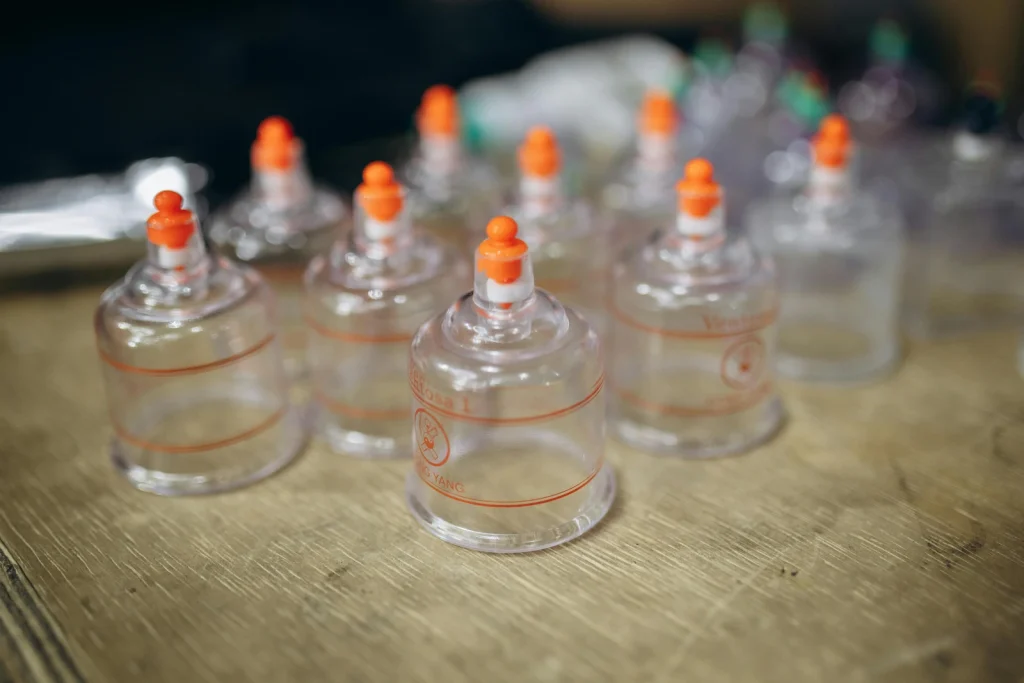
Wet cupping, an ancient healing practice, has experienced a notable resurgence in modern wellness. Once rooted in traditional medicine across Egypt, China, Persia, and the Islamic world, it is now embraced globally for its circulatory, detoxification, and pain-relief benefits. But what explains its comeback, and why are more people—including clinicians—taking notice today? Global Wellness Trend The wellness industry has exploded over the past decade, with a focus on holistic and natural therapies. Amid this movement, wet cupping has gained attention for its ability to: Support circulation and microvascular health Aid in the removal of stagnant blood and metabolic waste Relieve muscle tension and localized pain Spas, wellness clinics, and integrative health centers across Europe, North America, and Asia now include wet cupping in their offerings. Celebrities, athletes, and wellness influencers have also contributed to its popularity, showcasing cupping marks on social media, which sparked curiosity and public interest. What makes wet cupping particularly appealing in the modern wellness context is its dual appeal: it is both a tradition-rich practice with centuries of cultural significance and a hands-on therapy that visibly demonstrates its effects, such as cupping marks and localized warmth, which users interpret as a tangible sign of healing. Increasing Clinical Interest and Research Scientific curiosity about wet cupping has grown alongside its public popularity. Clinical studies now investigate its effects on circulation, inflammation, pain management, and overall wellbeing. Research highlights include: Improved local blood flow and oxygenation, which helps tissue repair and reduces fatigue (Tagil et al., 2014) Reduction of inflammatory markers, supporting immune modulation and recovery (Ernst & Lee, 2011) Potential effects on blood pressure and metabolic balance, suggesting cardiovascular benefits These studies contribute to validating traditional claims of wet cupping, moving it from purely anecdotal practice into the realm of evidence-informed complementary medicine. Clinics and practitioners increasingly integrate wet cupping into rehabilitation, sports recovery, and stress management programs, demonstrating that ancient therapies can coexist with modern medical approaches. The Bridge Between Tradition and Modern Care Modern and Affordable Wet Cupping Tools of the most compelling aspects of wet cupping’s revival is how it connects historical wisdom with contemporary healthcare standards. Traditional practice emphasizes: Specific cupping points aligned with organ systems or energy meridians Ethical and clean handling of tools Timing and procedural guidance rooted in centuries of observational experience Modern adaptations focus on: Sterile, disposable cups and lancing device Standardized protocols for safe and controlled microbleeding Integration with other therapies like massage, physiotherapy, or acupuncture By respecting both tradition and modern safety protocols, wet cupping becomes a bridge between the old and the new, offering a holistic approach that appeals to individuals seeking natural, safe, and effective wellness options. This balance also fosters cultural appreciation. People today can explore the spiritual and historical dimensions of wet cupping—such as its practice in Islamic medicine (Hijama)—while experiencing measurable physiological benefits. It’s a rare therapy that retains its cultural richness without sacrificing modern standards of hygiene and safety. Why It’s Gaining Momentum Now Several factors contribute to the renewed interest in wet cupping: Public visibility: Media coverage, social media posts, and athlete endorsements have made it more mainstream. Integration into wellness programs: Clinics offer cupping as part of multi-modal recovery plans, combining it with physiotherapy, yoga, or mindfulness practices. Evidence-based recognition: Scientific studies are increasingly cited in journals, providing credibility for both practitioners and users. Global accessibility: Courses, workshops, and online tutorials have made training and practice more widely available to professionals worldwide. Together, these factors have created a modern ecosystem where wet cupping thrives both as a therapeutic tool and a wellness trend. Key Takeaway Wet cupping is no longer just an ancient remedy—it has become a modern wellness revival, blending historical knowledge with contemporary scientific validation. Its comeback is fueled by global demand for holistic therapies, increasing clinical research, and safe integration into modern care practices. Individuals seeking natural approaches to circulation, detoxification, or pain relief now have a therapy that is rich in tradition, evidence-informed, and widely accessible. For more insights on the evolution of cupping and how it transitioned into modern wellness, see From Spa to Science: The Evolution of Cupping Therapy.