
The Golden Time of Wet Cupping: When It Was the World’s Primary Medicine
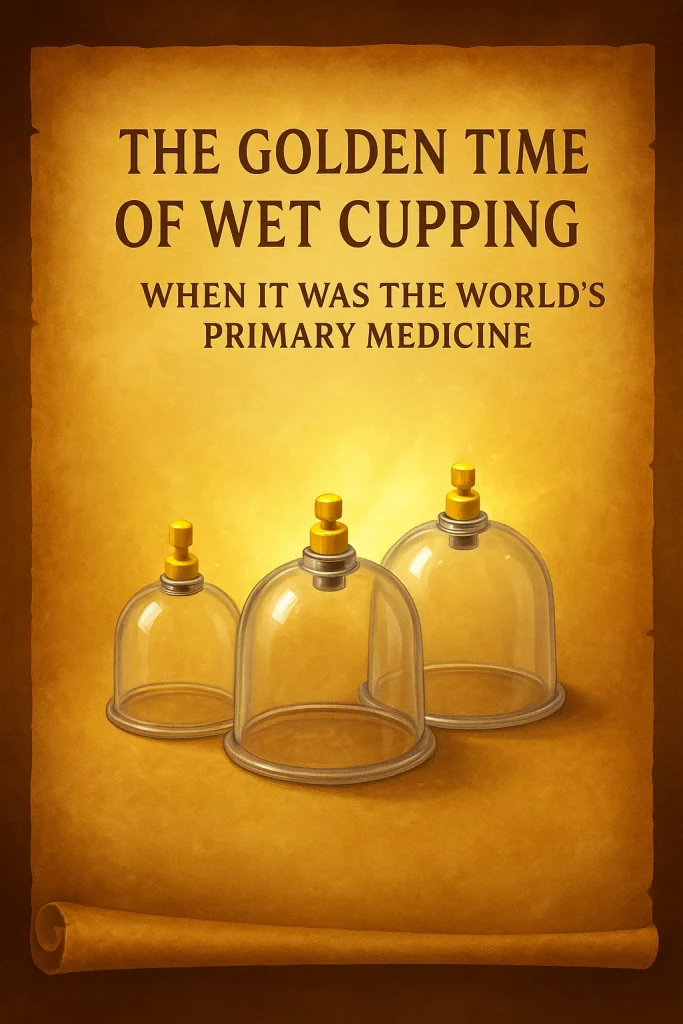
Long before modern medicine, laboratories, and pharmaceuticals existed, humans relied on natural therapies to survive and thrive. Among these, wet cupping—known in Arabic as hijama, in Southeast Asia as bekam, and by various other names worldwide—was a key therapeutic practice. For centuries, it was a primary method of health management, widely used to alleviate discomfort, improve circulation, and promote wellness. This article explores the historical prominence of wet cupping, its use across cultures, and how its principles continue to complement modern medicine. wet cupping was primary medicine Ancient Egypt: Foundations of Healing The Ebers Papyrus and Early Bloodletting Historical records, particularly the Ebers Papyrus (~1550 BCE), describe medical practices including controlled bloodletting and the application of herbal remedies. While the text does not use the term “wet cupping,” it details therapies intended to remove impurities from the blood and restore balance, consistent with later cupping practices. Traditional Applications for Pain and Fatigue Practitioners used cups and tools to create suction and sometimes make small incisions, followed by herbal applications. Wet cupping was employed for conditions such as pain, digestive issues, and fatigue, reflecting an early understanding of systemic health maintenance. Greece and Rome: Observational Integration Bloodletting and the Four Humors Theory In ancient Greece and Rome, physicians like Hippocrates and Galen described bloodletting and suction techniques as treatments for various ailments. They believed that disease could result from imbalances in the four humors—blood, phlegm, yellow bile, and black bile. Athletic Recovery and Systematic Practice Cupping, or forms of controlled blood removal, was used to alleviate pain, improve circulation, and restore balance. Historical accounts also note its application in athletic recovery among soldiers and athletes. While not identical to modern wet cupping, these methods laid the foundation for systematic use of suction and bloodletting in therapy. The Islamic World: Hijama as a Central Practice Scholars and Historical Documentation (Ibn Sina, Al-Razi) From the 7th century onward, hijama became a well-documented medical practice in the Islamic world and the golden time of wet cupping. Scholars such as Ibn Sina (Avicenna) and Al-Razi described hijama for general wellness, prevention, and treatment of various conditions. Common Conditions Treated with Hijama Historical texts indicate hijama was applied to support: Neurological conditions, including headaches and dizziness Circulatory support, such as reducing localized stagnation Musculoskeletal discomfort, including chronic pain Hospitals and healing centers often had dedicated cupping rooms. While modern clinical trials are limited, historical evidence shows hijama was widely trusted as a primary therapeutic tool, particularly in chronic or systemic conditions where conventional remedies were unavailable. Traditional Chinese Medicine: Harmonizing Qi and Blood Ancient Texts and the Huangdi Neijing In Traditional Chinese Medicine (TCM), cupping has been used for thousands of years to support the flow of Qi and blood. Texts such as the Huangdi Neijing describe the use of suction to restore balance and relieve tension. Application for Musculoskeletal and Respiratory Health Cupping was employed for a range of conditions including musculoskeletal pain, respiratory discomfort, and stress-related symptoms. While TCM emphasizes energetic balance rather than bloodletting per se, the technique aligns conceptually with wet cupping’s goal of supporting systemic function. Southeast Asia: Bekam Tradition Bekam as a Cultural Practice In Southeast Asia, the term bekam is commonly used, especially in countries like Indonesia, Malaysia, and Thailand. Bekam is a cultural and therapeutic practice passed down through generations. Contemporary Observations and Wellness Use Traditional uses include: Supporting circulation and general wellness Alleviating chronic pain and stiffness Detoxification practices as part of preventive health Contemporary observations indicate that bekam continues to play a role in wellness routines, particularly in communities valuing traditional healthcare systems. Europe: Bloodletting and Pre-Modern Medicine Medical Practices Prior to the 19th Century Until the 19th century, controlled blood removal was common in European medicine. Physicians prescribed it for fever, inflammation, and chronic pain, following the belief that removing excess blood could restore bodily balance. Cups, Lancets, and Social Integration Although terminology varied, historical records show cups and lancets were standard tools in physician kits. Patients sought these treatments for both acute symptoms and preventive maintenance, demonstrating wet cupping’s practical and social integration. Modern Medicine and the Role of Wet Cupping Diagnostic and Emergency Advantages of Modern Medicine With the development of laboratories, imaging, and pharmaceuticals, modern medicine emphasizes: Precise diagnosis through lab tests and imaging Emergency and life-saving interventions Targeted pharmacological treatment Complementary Benefits of Wet Cupping Despite modern advances, historical and contemporary observations suggest wet cupping can complement care: It may help alleviate localized discomfort and muscle tension Traditionally observed to improve circulation and relaxation Certain chronic or complex conditions historically treated with cupping cannot always be fully addressed by pharmacology alone It is important to note that while wet cupping has empirical historical support, clinical evidence is still limited. Claims regarding systemic detoxification or cure for specific diseases should be presented as traditional observations rather than scientifically confirmed facts. Key Reasons for Historical Centrality Holistic Focus and Accessibility Addressed pain, circulation, and systemic wellness simultaneously Cups and herbal adjuncts were widely available Cultural Integration and Preventive Role Trusted across civilizations and generations Regular therapy used for wellness maintenance, not just acute treatment Legacy of Wet Cupping Bridging Tradition and Modern Health Practices Wet cupping—whether referred to as hijama, bekam, or by other regional names—remains a bridge between tradition and modern health practices. For centuries, it was a primary healthcare tool, addressing systemic discomforts, supporting circulation, and promoting wellness. Continuing Relevance and Integration Today, practitioners integrate wet cupping with conventional healthcare, respecting historical knowledge while aligning with modern safety standards. Key Takeaway Across Egypt, Greece, Rome, the Islamic world, China, and Southeast Asia, wet cupping was a trusted method of maintaining health. While modern laboratories and pharmacology provide precise diagnosis and emergency care, wet cupping continues to support holistic wellness and conditions historically observed to benefit from improved circulation and systemic balance.