
Wet Cupping for Digestive Health
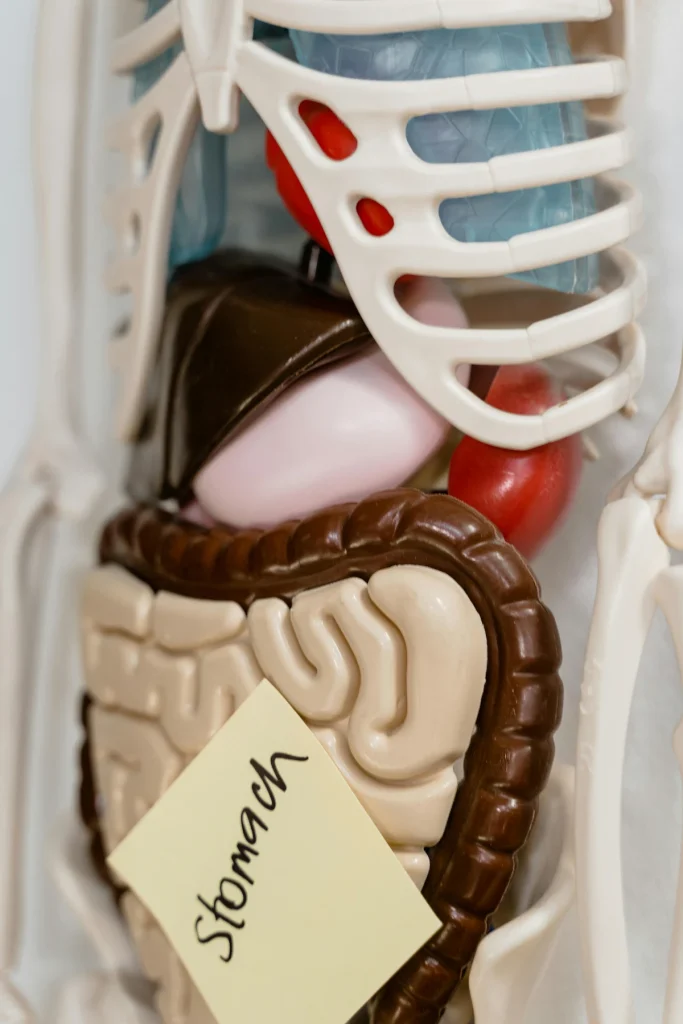
Digestive problems—such as bloating, sluggish metabolism, or irregular bowel movement—are among the most common modern health complaints. While medications can help control symptoms, many people seek deeper, long-term balance. Wet cupping, an ancient practice of drawing small amounts of stagnant blood to the surface, has been traditionally used to support internal organ function, including the digestive system. Modern understanding of wet cupping digestion now combines physiology and traditional observation: improving local blood flow may help restore organ vitality, reduce systemic inflammation, and ease stress-related digestive discomfort. How Blood Flow Influences Digestive Function The digestive system relies heavily on proper circulation. Every step—from stomach acid secretion to nutrient absorption—depends on efficient blood supply. When circulation slows, tissues receive less oxygen and nutrients, leading to fatigue, bloating, or sluggish digestion. Wet cupping supports the body’s natural regulation of blood flow through two mechanisms: Microcirculatory activation: By gently drawing stagnant or deoxygenated blood from surface capillaries, new oxygenated blood is recruited to the region. Autonomic balance: The mild suction effect also relaxes the nervous system, reducing sympathetic “stress” dominance that can suppress digestion. Historically, practitioners observed that cupping on the back, shoulder, or abdominal regions could reduce bloating, enhance appetite, and promote smoother bowel movement. Though scientific evidence is still emerging, the physiological model—better blood flow equals better organ function—remains consistent with current circulatory understanding. Digestive System illustration Cupping Points for Gut Support Wet cupping points for digestive care often focus on improving circulation around the upper and middle back, where major nerves and vessels influencing the stomach and intestines are located. Upper back (T6–T9 region): Traditionally linked to stomach and liver function. Mid-back (T10–T12): Associated with intestinal and pancreatic support. Lower abdomen (below the navel): Occasionally used by experienced practitioners to ease bloating or menstrual discomfort. These areas are chosen not randomly but based on both anatomical and reflexology maps—helping the body regulate tension and energy flow that affects digestion. Complementary Dietary Approaches For best results, wet cupping should be supported by mindful nutrition and hydration. The days following a session are ideal for light, natural foods that assist the body’s detox and recovery phase. Recommended steps include: Hydrate adequately: Water aids circulation and helps flush metabolic waste. Eat warm, simple meals: Soups, steamed vegetables, and lightly cooked grains are easier to digest post-cupping. Avoid heavy or processed foods: Deep-fried and high-fat meals can burden the system during its natural rebalancing phase. Include digestive herbs: Ginger, fennel, and peppermint may complement the effects of cupping by reducing gas and supporting gut motility. Some practitioners also suggest gentle use of natural oils such as black seed oil or olive oil on the abdomen to support local circulation—especially for individuals prone to abdominal coldness or tension. Safety and Timing Guidelines Wet cupping for digestive health should always be performed by a trained practitioner under sterile conditions. Since the abdominal region is highly vascular, precision and moderation are key. Timing: Avoid cupping immediately after meals. The ideal window is 3–4 hours post-eating or early in the morning before breakfast. Frequency: For general digestive support, sessions every 2–4 weeks are sufficient. Sterility and care: Use sterile equipment, and clean the skin with mild antiseptic before and after cupping. Aftercare: Apply gentle natural oils—such as virgin coconut, olive, or diluted tea tree oil—to soothe the skin and prevent irritation. Medical collaboration: Individuals with ulcers, anemia, or chronic intestinal disease should consult a healthcare provider before treatment. Wet cupping is not a replacement for medical diagnosis or urgent care, but rather a complementary method to help the body function more efficiently. The Circulatory Link Between Mind and Gut Growing evidence suggests that stress, circulation, and gut health are interconnected through the gut–brain axis. By enhancing local blood flow and calming the nervous system, wet cupping digestion practices may help relieve tension that contributes to indigestion and stress-related bloating. The result is not merely symptom relief, but a subtle recalibration of how the body manages energy and inflammation—an approach that has sustained traditional medicine for centuries and is now finding renewed relevance in holistic health systems. Explore how wet cupping combined with proper hydration may help relieve severe constipation—learn more in our article.
Wet Cupping for Older Adults: Safe Approaches for Seniors
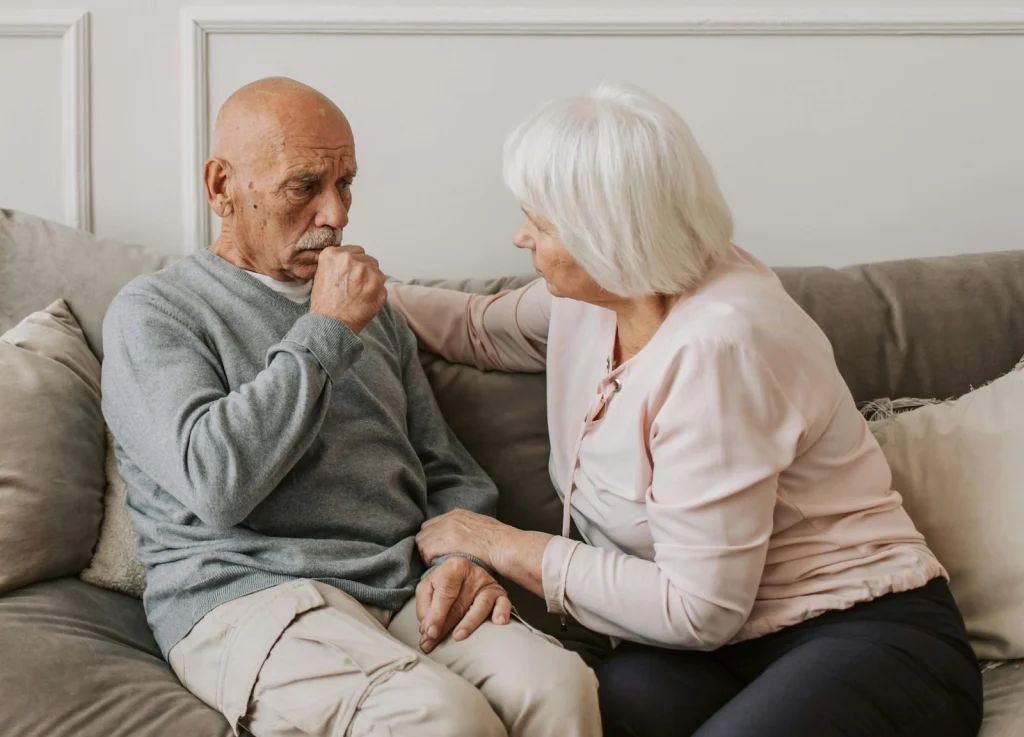
As people age, maintaining circulation, flexibility, and energy becomes increasingly important for quality of life. Many older adults explore complementary methods to support mobility and vitality. One such traditional method, wet cupping, has been practiced for centuries across cultures—from the Middle East to Asia and Europe. When applied carefully, wet cupping elderly programs can promote relaxation, improve blood flow, and ease chronic discomforts related to aging. However, because senior skin and circulation differ from younger individuals, the approach must be gentle, hygienic, and medically informed. Age-Related Circulatory Challenges Aging naturally brings physiological changes that affect how the body circulates blood and oxygen. Capillaries may become more fragile, tissues thinner, and metabolism slower. These changes can contribute to cold extremities, joint stiffness, slower recovery, and general fatigue. Poor microcirculation is also associated with chronic pain and swelling in the legs or shoulders, as well as reduced nutrient delivery to tissues. By encouraging localized blood movement, wet cupping may help relieve congestion and stimulate mild detoxification processes through the skin. Historically, practitioners observed that elderly patients often reported feeling “lighter” or more energetic after cupping sessions—likely due to improved blood flow and nervous system relaxation. Modern observations support this, suggesting that mild suction therapies can enhance circulation without strain, when performed under proper supervision. Gently treatment for Older Adults Adjusted Techniques for Sensitivity and Fragile Skin Seniors require modified cupping techniques to ensure comfort and safety. The skin loses elasticity and becomes more delicate with age, so traditional suction strength must be reduced. Key adjustments include: Gentle suction levels: Use mild to moderate pressure only—just enough to draw circulation, not to bruise deeply. Shorter duration: 3–5 minutes per cup is sufficient for most older adults. Fewer points per session: Focus on 3–5 key areas, such as the upper back, shoulders, and calves, depending on the person’s condition. Hygienic tools: Only sterile, single-use cups and blades should be applied to prevent infection. Monitoring and Aftercare for Seniors Close observation is essential before, during, and after each session. Practitioners should check blood pressure, hydration levels, and skin response throughout. After cupping, the treated area should be cleansed gently and protected from friction or heat. Applying natural oils—like virgin coconut oil, argan oil, or diluted tea tree oil—can soothe the skin and speed recovery of temporary marks. These oils also help maintain moisture and elasticity, preventing dryness that commonly affects mature skin. Post-session recommendations: Rest for several hours after treatment. Drink warm water or herbal tea to aid circulation. Avoid strong sun exposure and hot showers for 24 hours. If mild soreness occurs, apply warm compresses or light oil massage. Benefits for Mobility, Pain, and Energy When performed safely, wet cupping elderly practices may offer several supportive benefits: Improved mobility: By easing stiffness and enhancing muscle oxygenation, many seniors feel more flexible after regular sessions. Pain relief: Cupping has been traditionally used to reduce tension-related pain, especially in the shoulders, neck, and lower back. Enhanced vitality: Some older adults report better sleep and clearer mental focus—likely due to reduced stagnation and improved microcirculation. Scientific studies are still limited, but empirical reports suggest that moderate cupping can complement physiotherapy and medication, especially in managing chronic musculoskeletal discomfort. The therapy’s calming effect on the nervous system may also support emotional well-being and reduce fatigue. Integrating Tradition with Modern Care Wet cupping should always be part of a comprehensive health plan. Collaboration between cupping practitioners and healthcare providers ensures safe results, especially for seniors taking medications or managing chronic illnesses such as diabetes or hypertension. Periodic sessions every 3–4 weeks, combined with balanced nutrition and gentle exercise, may help sustain long-term vitality. Key Takeaway Wet cupping for older adults is not about aggressive detox or intense stimulation—it’s about restoring gentle balance. With proper adjustments for sensitivity, sterile technique, and mindful aftercare, it can become a valuable complementary practice to improve mobility, reduce pain, and promote overall well-being in the golden years. If you’re ready to understand wet cupping on a deeper, more practical level, visit our Bookstore. You’ll get a free foundational eBook complete with video guidance — plus a collection of comprehensive wet cupping books designed to help you learn with confidence.
How Wet Cupping Affects Hormonal Balance

Hormonal balance plays a crucial role in energy, mood, sleep, and reproductive health. When hormones fluctuate, the body’s equilibrium can easily shift—leading to fatigue, irritability, irregular cycles, or reduced vitality.Wet cupping, an ancient technique known as hijama in Arabic and bekam in Southeast Asia, has been practiced for centuries to support the body’s natural self-regulating systems. While modern medicine focuses on pharmacological intervention, wet cupping offers a circulatory approach that indirectly influences the endocrine system — the network of glands responsible for hormone production and regulation. The Link Between Circulation and Hormonal Function The endocrine system depends on healthy circulation to deliver hormones efficiently to target organs and tissues. When blood flow becomes sluggish, nutrient delivery and hormone transport can slow down as well.Wet cupping improves microcirculation by gently removing stagnant blood and allowing fresh, oxygen-rich blood to flow more freely through the capillaries. This increased perfusion can help normalize tissue oxygenation, reduce localized inflammation, and create a more favorable internal environment for hormonal balance. Some practitioners observe that patients experience more stable moods, better sleep, or improved menstrual regularity after a few cupping sessions. While these effects vary from person to person, they align with the body’s natural response to improved circulation and reduced stress load. Hormonal Imbalance Metaphor Cupping Points and Endocrine Pathways Strategic placement of cups may influence certain physiological zones connected to hormonal activity. Commonly targeted regions include: Upper back and shoulders — areas near the adrenal and thyroid reflex zones, believed to help regulate stress and metabolism. Lower back and abdomen — regions associated with reproductive and pelvic circulation. Neck and occipital areas — may support neuro-hormonal regulation through relaxation of the cervical muscles and improved blood supply to the hypothalamic region. These traditional placements align with modern understanding of how blood flow and nervous system regulation interact with endocrine functions. Though cupping doesn’t replace medical treatment for hormonal disorders, it can complement lifestyle and stress-management efforts that support glandular balance. Gender-Specific Observations For women, wet cupping is often used to ease symptoms related to premenstrual tension or irregular cycles by improving pelvic circulation and relieving lower back pressure. For men, sessions are sometimes focused on the upper back or shoulders to reduce muscular stiffness and support adrenal function, which can influence energy and testosterone regulation. In both cases, improved circulation and reduced oxidative stress may contribute to more consistent hormonal rhythms. Stress, Inflammation, and Hormonal Imbalance Chronic stress and systemic inflammation are two of the most common disruptors of hormonal health. Elevated cortisol — the primary stress hormone — can suppress reproductive and thyroid hormones while increasing fatigue and mood swings.Wet cupping’s relaxation effect, combined with the mild anti-inflammatory response that follows controlled microbleeding, may help lower overall stress burden. This helps the hypothalamic–pituitary–adrenal (HPA) axis function more smoothly — a key regulator of hormonal homeostasis. Some pilot studies and clinical observations suggest that cupping may reduce markers of oxidative stress and modulate inflammatory cytokines, both of which play roles in hormonal regulation. While more research is needed, these findings offer an empirical foundation for cupping’s systemic impact. Integrating Wet Cupping into Holistic Hormonal Care For individuals managing hormonal imbalance, wet cupping can be part of a broader wellness plan that includes: Balanced nutrition and hydration Regular physical activity Mindfulness or stress-reduction practices Sufficient sleep and circadian rhythm stability Cupping should always be performed by a trained practitioner, especially for clients with endocrine conditions or those taking medication. Proper hygiene, gentle technique, and correct aftercare are essential for safe integration. Key Takeaway Wet cupping doesn’t “control” hormones directly—but by improving circulation, reducing stress, and supporting the body’s natural detox and recovery systems, it may indirectly enhance hormonal harmony.Whether addressing fatigue, irregular cycles, or general vitality, this time-tested practice offers a holistic bridge between traditional body balance and modern endocrine understanding. With proper technique and professional guidance, wet cupping can become a meaningful ally in restoring the body’s rhythm—naturally, safely, and empathetically. Get the free at-home wet cupping tutorial — an easy-to-follow e-book with videos, featuring the 5 essential points every wet cupping practitioner must know — inside Natural Reset: Modern Wet Cupping Made Simple.
The Art of Cupping Points Placement
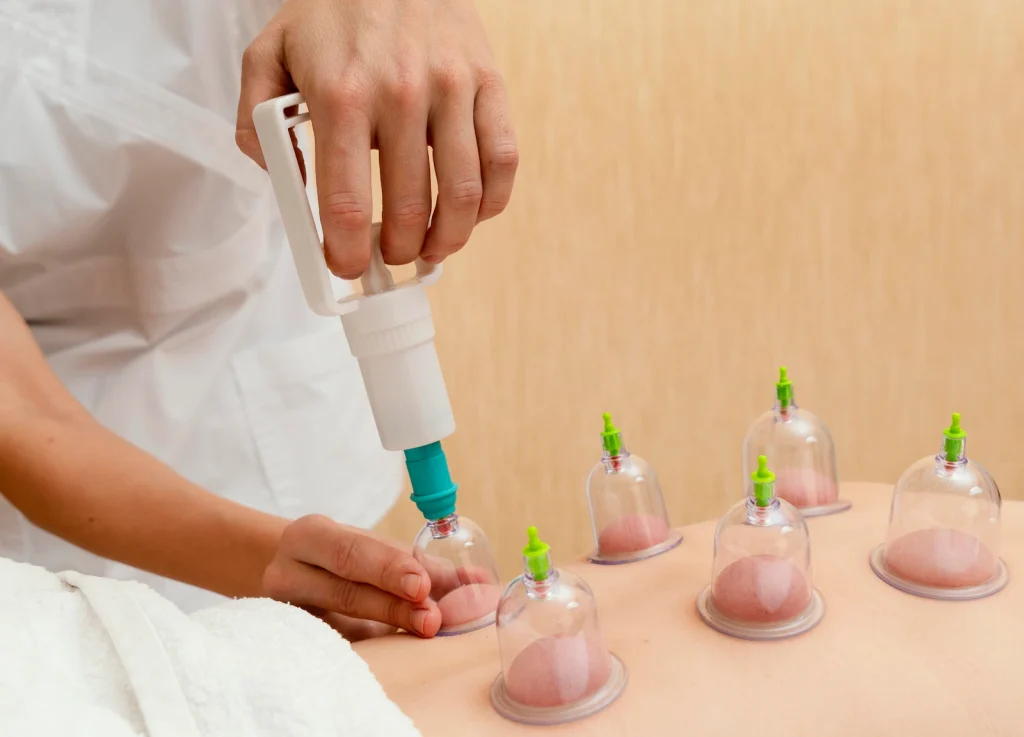
Every successful wet cupping session begins with placement. The art of choosing where to apply the cups is not superstition — it’s physiology in action. For centuries, healers in different cultures have mapped the human body with remarkable precision, selecting points that influence circulation, muscle tension, and even internal organ function.Today, modern anatomy and microcirculatory science provide a clear explanation for why those points work. The Body’s Natural Highways of Circulation Blood doesn’t flow evenly throughout the body. Some regions — such as the upper back, neck, and shoulders — act as circulatory crossroads where large muscles, major veins, and nerve pathways intersect.When daily stress, poor posture, or sedentary habits reduce flow in these zones, blood becomes sluggish, and tension builds up. These are the very areas traditional maps identify as primary cupping points. From an anatomical point of view, cupping along these “traffic hubs” helps to: Relieve local congestion in superficial veins and capillaries Stimulate oxygen delivery to overused muscle groups Reduce referred pain that radiates from stiff fascia or compressed nerves In other words, the traditional body map mirrors the functional geography of circulation and tension. Why Specific Points Trigger Systemic Effects Many cupping points correspond to what modern physiology calls neurovascular bundles — areas where blood vessels and sensory nerves run side by side.By stimulating these points, cupping can activate local reflexes that influence distant organs through the autonomic nervous system. For example: Points near the upper back and between the shoulders affect respiratory efficiency and upper-body tension. Points around the lower spine and sacrum influence digestive and pelvic circulation. Points at the base of the neck can modulate blood pressure regulation and relieve headaches caused by muscle compression. This network of reflex responses is now being studied under terms like somato-visceral reflex — the scientific explanation for what traditional healers described as “connected meridians” or “energy pathways.” Modern Mapping Meets Traditional Logic Traditional cupping charts — whether from the Middle East, China, or Southeast Asia — may look symbolic, but their placement patterns follow clear physiological logic.For instance, the seven-point back protocol (upper neck, between the shoulders, along the spine, and at the lower back) aligns perfectly with the venous return pathways that drain blood toward the heart. Likewise, cupping around the scapulae and trapezius releases chronic muscle tension that restricts microcirculation.This improves oxygen exchange not only locally but also across the lymphatic system, promoting detoxification and immune balance. The key idea: even without MRI or Doppler ultrasound, early practitioners observed cause and effect over centuries. The map may have been drawn in symbolic language, but the science behind it was observational and empirical. How Practitioners Choose the Right Points A skilled wet cupping practitioner reads the body like a topographic map — noting where circulation pools, where the skin feels colder or tighter, or where tenderness indicates trapped tension.Cupping points placement depends on both pattern recognition and physiological feedback. Here’s how placement decisions often work: Assessment: The practitioner identifies zones of stagnation (palpable tightness, temperature difference, or dull pain). Selection: Cups are applied on or near these zones to stimulate local flow. Adjustment: Pressure and duration are adapted to the individual’s constitution, age, and health condition. Unlike a random or cosmetic approach, true cupping placement follows the logic of fluid dynamics — restoring balance between inflow (arterial) and outflow (venous and lymphatic). The Evolving Science of Body Mapping While charts provide a helpful guide, every body tells its own story. True mastery in cupping is not memorizing 120 points, but understanding why they exist — how circulation, nerves, and tissues interact beneath them. By focusing on function rather than mysticism, practitioners can tailor sessions to individual needs: Athletes may benefit from upper-back and thigh points to improve muscle recovery. Office workers may need cervical and shoulder points to ease tension headaches. Those with chronic fatigue or poor digestion may respond best to mid-back and lower spine zones. The map becomes alive — not static — adapting to each body’s unique rhythm. The Takeaway — Placement Is Physiology Cupping points are not mystical coordinates; they are strategic circulatory junctions.Whether drawn in ancient ink or shown on a modern body chart, their purpose is the same: to restore flow where stagnation builds, to reset circulation, and to let the body breathe again through its own microvascular intelligence. The art of placement, then, is both ancient and modern — a dialogue between intuition and anatomy, tradition and physiology. If you’re ready to understand wet cupping on a deeper, more practical level, visit our Bookstore. You’ll get a free foundational eBook complete with video guidance — plus a collection of comprehensive wet cupping books designed to help you learn with confidence.
Wet Cupping for Musculoskeletal Pain: A Natural Relief Method
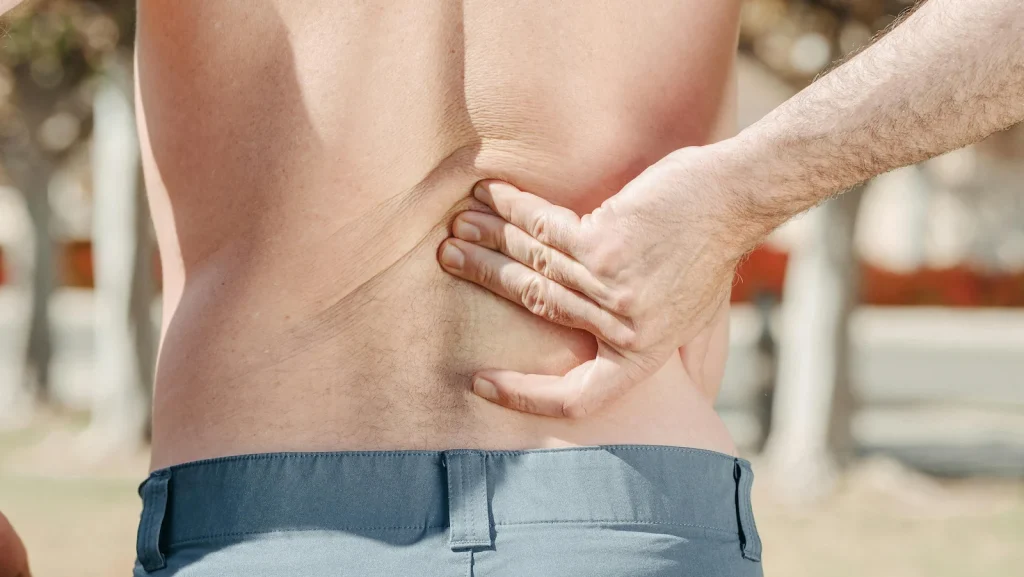
Musculoskeletal pain — including back pain, shoulder tension, and joint discomfort — is one of the most common health concerns worldwide, affecting people across all age groups and occupations. Sedentary lifestyles, repetitive movements, poor posture, and aging contribute to chronic pain that affects daily activities and quality of life. While conventional treatments such as analgesics, physical therapy, and exercise programs are widely used, many individuals seek complementary approaches for natural pain relief. Wet cupping for Musculoskeletal Pain has emerged as a viable option, offering targeted relief through controlled microbleeding and suction. Unlike dry cupping, which primarily improves superficial circulation and relieves muscle tension, wet cupping involves small, superficial incisions that allow blood release, which may enhance microcirculation, oxygenation, and tissue recovery. This combination of mechanical and physiological effects can directly address the underlying factors contributing to musculoskeletal discomfort. How Wet Cupping Relieves Musculoskeletal Pain Traditional medicine often attributes musculoskeletal pain to stagnant blood, energy blockages, or localized tension. Wet cupping is designed to mobilize stagnant blood, promote circulation, and reduce muscle stiffness. Physiologically, wet cupping may: Enhance microcirculation, delivering oxygen and nutrients to affected muscles and joints Reduce localized inflammation, which is a key contributor to chronic musculoskeletal pain Release muscular tension, particularly in areas such as the neck, shoulders, and lower back Stimulate parasympathetic activity, promoting relaxation and reducing pain perception Through these mechanisms, wet cupping can provide both immediate relief and longer-term improvements in musculoskeletal function. Preparing for a Musculoskeletal Pain Session Proper preparation ensures a safe and effective session: Hydration – Drinking sufficient water supports circulation, facilitates detoxification, and helps prevent dizziness. Light Nutrition – Avoiding heavy meals ensures comfort and prevents nausea during treatment.Comfortable Environment Comfortable Environment – A quiet, clean, and well-ventilated space with minimal distractions enhances relaxation and focus. Proper Positioning – Patients typically lie prone or side-lying, with supportive pillows, to allow easy access to affected areas like the back, shoulders, and legs. Thoughtful preparation maximizes both therapeutic benefits and overall patient comfort, ensuring an optimal and safe wet cupping experience. Step-by-Step Wet Cupping Session for Pain Relief A typical wet cupping session for musculoskeletal pain may include: Initial Assessment and Relaxation – The practitioner evaluates tension areas and may perform light massage or dry cupping to prepare muscles. Cup Placement – Cups are applied to affected regions, commonly including the upper back, shoulders, lower back, and sometimes legs, depending on pain location. Controlled Microbleeding – Superficial incisions allow minimal blood release to mobilize stagnant blood, enhance oxygenation, and stimulate tissue healing. Monitoring Suction and Duration – Suction strength and cup duration are carefully managed to ensure comfort and safety, especially for first-time clients. Post-Session Care – Cups are removed, the area is cleansed, and natural oils like VCO or olive oil may be applied to promote healing and reduce skin irritation. Sessions generally last 20–30 minutes, during which patients report warmth, relief, and decreased stiffness. Normal Reactions After Treatment Mild redness, bruising, or tenderness at the cup sites is common and typically resolves within a few days. Some patients may notice temporary fatigue, lightheadedness, or increased urination, reflecting the body’s natural response to blood mobilization and improved circulation. Proper hydration, gentle movement, rest, and avoiding strenuous activity immediately after the session can enhance recovery, support tissue repair, and prolong pain-relief benefits, ensuring a safe and effective healing process. Integrating Wet Cupping into a Pain Management Plan For optimal results, wet cupping should be integrated with other musculoskeletal health strategies, such as: Regular stretching and strengthening exercises to maintain flexibility and posture Ergonomic adjustments in workplaces or home environments to reduce strain Stress management techniques, including mindfulness or relaxation, which can modulate pain perception Adequate sleep, which supports tissue repair and recovery By combining wet cupping with these strategies, patients may experience reduced pain frequency, improved mobility, and enhanced quality of life. Get the free at-home wet cupping tutorial — an easy-to-follow e-book with videos, featuring the 5 essential points every wet cupping practitioner must know — inside Natural Reset: Modern Wet Cupping Made Simple.
How Wet Cupping Supports the Body’s Natural Healing Cycle
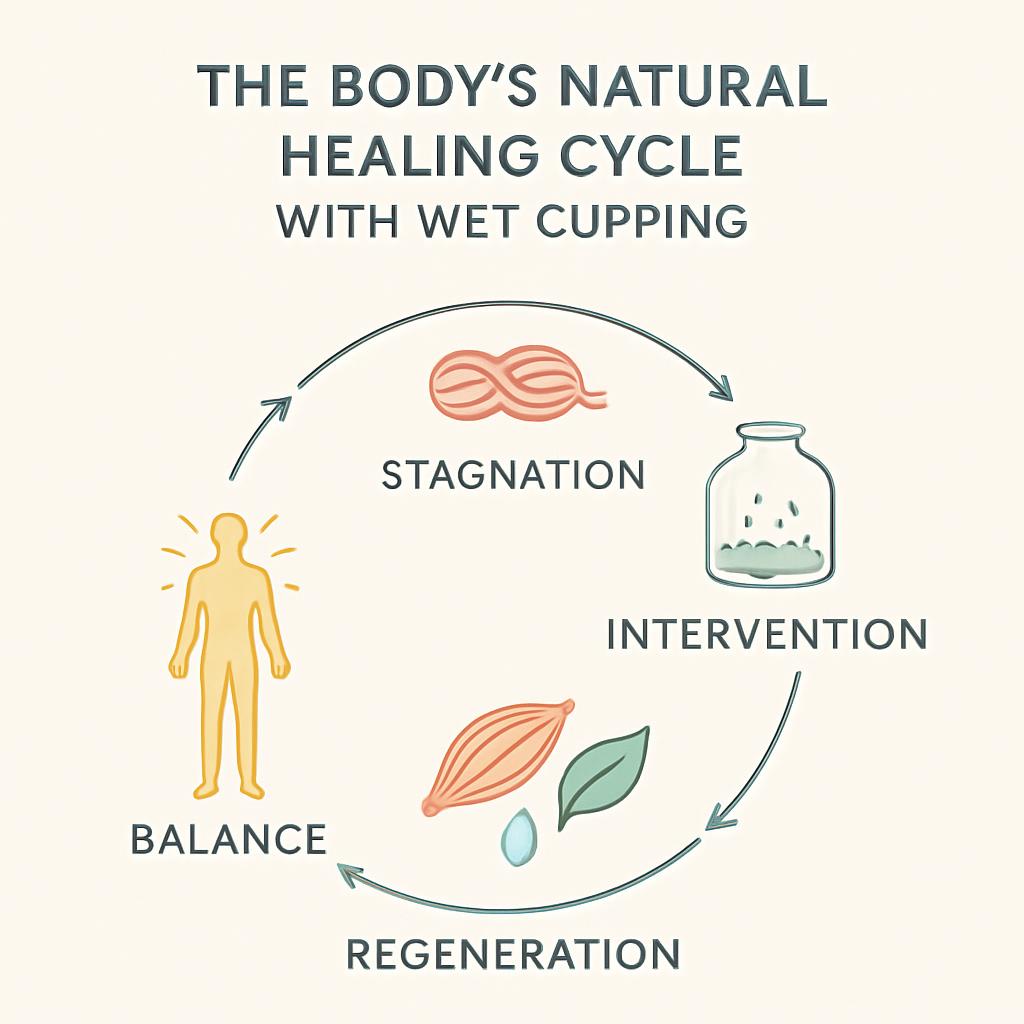
Wet cupping is more than a traditional practice; it’s a therapeutic intervention that interacts with the body’s own healing mechanisms. By combining controlled suction with microbleeding, wet cupping targets stagnant blood, improves circulation, and stimulates tissue recovery. Understanding how this process aligns with the body’s natural healing cycle helps users appreciate the subtle yet significant benefits of regular sessions. Triggering Inflammatory Modulation Inflammation is a critical part of the body’s healing process, but chronic or localized inflammation can cause pain and tissue dysfunction. Wet cupping contributes to inflammatory modulation in several ways: Localized suction draws stagnant blood to the surface, promoting microcirculatory adjustments. Controlled microbleeding initiates a mild inflammatory response that signals the body to repair tissue effectively. Downregulation of pro-inflammatory markers has been observed in some studies, indicating a balanced immune response. By triggering this controlled inflammatory modulation, wet cupping supports natural repair mechanisms without overwhelming the body or causing systemic stress. Enhanced Microcirculation and Oxygenation Circulation plays a central role in the healing cycle. Poor blood flow can delay recovery, prolong muscle soreness, and reduce tissue oxygenation. Wet cupping improves circulation through: Negative pressure suction, which encourages blood movement in targeted areas. Expansion of microcapillaries, improving oxygen and nutrient delivery to tissues. Facilitation of lymphatic drainage, helping remove cellular waste and supporting immune function. This improved microcirculation not only accelerates healing of local tissues but also contributes to a sense of relaxation and overall wellness after a session. Nervous System and Hormonal Rebalance Wet cupping also influences the nervous and hormonal systems, which are tightly linked to the body’s healing capacity. The therapy stimulates sensory nerves in the skin, sending signals to the spinal cord and brain. This activation can: Promote parasympathetic activity, helping the body relax and reduce stress. Balance hormones related to stress and inflammation, such as cortisol. Reduce sympathetic overactivity, which is often associated with tension, high blood pressure, and impaired tissue repair. By addressing both physical circulation and neurohormonal balance, wet cupping supports a holistic healing response, allowing the body to optimize recovery naturally. Practical Outcomes Observed in Users How wet cupping Support Natural Healing Cycle Individuals who undergo wet cupping regularly often report subtle but meaningful improvements in: Muscle tension and soreness reduction Improved skin tone and elasticity Enhanced energy levels and sense of well-being Support for cardiovascular and metabolic functions These benefits reflect how wet cupping aligns with the body’s own regenerative processes, rather than artificially forcing changes. Over time, many people also notice better stress tolerance, smoother circulation, and a more balanced feeling throughout the body, suggesting that consistent sessions may contribute to overall vitality and long-term wellness. Integrating Wet Cupping Into a Holistic Healing Routine To maximize the therapy’s effect on the natural healing cycle, consider these practices: Regular sessions: Consistent therapy supports ongoing circulatory and inflammatory balance. Complementary wellness habits: Adequate hydration, balanced nutrition, and moderate exercise enhance the effects. Proper aftercare: Cleansing, natural oils, and gentle massage help maintain skin integrity and optimize tissue recovery. Targeted points: Selecting appropriate cupping points for muscle, circulation, or organ-related benefits enhances therapeutic outcomes. Combining these strategies ensures that wet cupping complements, rather than replaces, other healthy lifestyle habits. When practiced thoughtfully, these supportive routines help the body recover more smoothly, maintain better energy flow, and sustain the cumulative benefits of each session, creating a balanced foundation for long-term wellness. Key Takeaway Wet cupping natural healing effects are promoted by modulating inflammation, enhancing microcirculation, and supporting nervous and hormonal balance. The therapy encourages tissue repair, reduces localized discomfort, and promotes overall wellness. While not a substitute for medical treatment, it serves as a powerful complementary practice that helps the body maintain its regenerative capabilities naturally. Get the free at-home wet cupping tutorial — an easy-to-follow e-book with videos, featuring the 5 essential points every wet cupping practitioner must know — inside Natural Reset: Modern Wet Cupping Made Simple.
How Wet Cupping Home Self-Practice Becomes Possible

What I experienced made me truly grateful. Eventually, I learned the wet cupping techniques myself so that I could apply them independently to maintain my own health. Over the years, I have shared this therapy with many people, and the responses have been remarkably consistent — many experienced lighter bodies, clearer heads, and more stable blood pressure and cholesterol levels. These experiences are also supported by emerging research on the physiological effects of wet cupping. While individual results vary, the consistency of positive experiences highlights the potential of wet cupping as a natural self-care approach. The speed of recovery differs from person to person — those in the early or moderate stages of health problems usually feel results quickly, while those with more severe conditions may need more time. Yet even then, the effects remain overwhelmingly positive. Why Wet Cupping Is Ideal for Everyday Life Wet cupping is not just an ancient tradition — it is: Safe — when practiced with proper tools and hygiene. Practical — simple enough to be taught, learned, and applied in everyday life. Easy — a session takes little time, and the technique is straightforward. Affordable — it requires only basic, low-cost tools within reach of almost anyone. The methods shared in this book have been safely practiced for over twenty years, refined through direct experience and observation. This knowledge deserves to spread across the world — simply, affordably, and widely. Imagine how transformative it would be if every household knew this ancient yet simple method of restoring balance. The world could become healthier, freer, and less anxious about long-term medical dependence. Therapy That Connects People You do not need to be a professional therapist. You can practice it for yourself, your family, and open-minded friends — while staying mindful of hygiene and proper technique. Because wet cupping is often performed on the back, it naturally invites connection and care from others. This shared practice fosters mindfulness, empathy, and a sense of mutual healing — turning wellness into something communal and compassionate. How Self-Practice Becomes Possible Self-practice is now supported by modern sterile tools, making it safe for home use under proper guidance. Mass-produced medical tools are safe, simple, and inexpensive. In very limited conditions, you only need less than five dollars to obtain a lancing device with sterile lancets, antiseptic, and basic household cups. With around twenty dollars, you can equip yourself with reusable cupping sets that last for years. Affordable Tools, Global Impact In a world where millions struggle with circulation-related problems and lifelong dependence on medication, wet cupping offers another path — a natural, empowering, and liberating complement to conventional care. The availability of modern sterile tools makes home practice accessible to anyone, anywhere. Research supports its safety when done correctly (Farhadi et al., 2019; Lee et al., 2017). The simplicity of the method hides its deep wisdom: by mastering this gentle technique, every household can bring ancient healing philosophy into modern life — safely, consciously, and sustainably. Free Wet Cupping Tutorial: Step-by-Step and Easy to Follow Yet in many regions, trained therapists are unavailable, leaving people unsure how to begin. That is why the book Natural Reset was created: a complete guide that can be freely accessed by anyone, including practical video tutorials. Here, you will also learn how to obtain modern wet cupping equipment at affordable prices, making it possible for every household to practice safely and confidently. The beauty of modern, affordable tools is that they bring the ancient wisdom of wet cupping into every home. When used with sterile equipment and proper hygiene, wet cupping at home becomes a skill anyone can master, combining centuries-old tradition with modern convenience and safety. Get the free at-home wet cupping tutorial — an easy-to-follow e-book with videos, featuring the 5 essential points every wet cupping practitioner must know — inside Natural Reset: Modern Wet Cupping Made Simple.