
A Simple Look at How Wet Cupping Benefits the Body
Wet cupping, also known as Hijama, is one of humanity’s oldest natural healing practices. Its core principle is straightforward: suction. By placing a cup on the skin and removing the air—either with heat or a small vacuum device—a negative pressure is created. This lifts the skin, draws blood toward the surface, and stimulates circulation.
In wet cupping, tiny superficial scratches allow a small amount of blood to flow out. This often includes old or stagnant blood cells and metabolic waste that are no longer circulating efficiently. Removing them helps refresh blood flow, much like cleaning a clogged filter.
People who practice cupping regularly often report feeling lighter, calmer, and more energized. Scientific studies increasingly explore cupping’s potential benefits for conditions such as high blood pressure and elevated cholesterol. Its effects on circulation, oxidative stress, and lipid metabolism may explain these health benefits (Zhao et al., 2017; Nabati et al., 2012; Yıldız et al., 2014).
What Happens in the Body During Cupping
Cupping triggers several physiological responses. Blood vessels under the skin expand, enhancing local blood flow. Endorphins, the body’s natural pain relievers, are released, and the nervous system adjusts circulation, producing a calming effect.
During wet cupping, when small amounts of blood are drawn: blood cells are renewed, local inflammation decreases, and detoxification processes in the liver and kidneys are stimulated. This gentle “reset” supports circulation, the cardiovascular system, and metabolism, promoting overall balance.
How Cupping May Lower High Blood Pressure
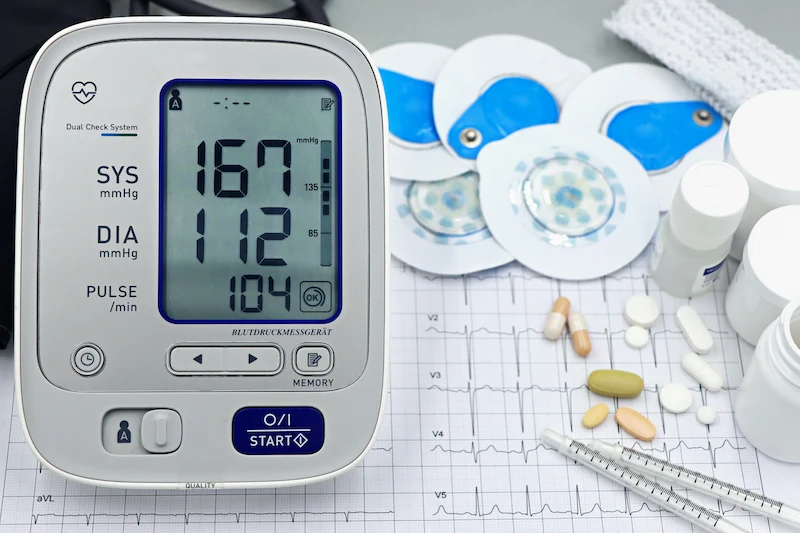
High blood pressure occurs when the heart pumps blood through narrowed or stiff vessels. Wet cupping may help naturally through several mechanisms:
Enhancing Blood Flow and Reducing Resistance
Suction opens tiny capillaries, improving microcirculation. Reduced vascular resistance means the heart works less strenuously, gradually helping to lower blood pressure.
Calming the Nervous System
Cupping stimulates nerve endings that influence the autonomic nervous system. By activating the parasympathetic (relaxing) response, it helps calm the body, similar to meditation or deep breathing.
Decreasing Oxidative Stress
Stagnant blood can release free radicals, damaging vessels and increasing stiffness. Removing these cells helps restore antioxidant balance and protects arterial health.
Supporting Nitric Oxide Production
Nitric oxide (NO) relaxes blood vessels. Research shows that cupping can boost NO levels, improving vasodilation and contributing to more stable blood pressure.
Get the complete guide to supporting healthy blood pressure at home—includes step-by-step instructions and video tutorials in Wet Cupping for High Blood Pressure