
The circulatory system — your heart, veins, arteries, and microcapillaries — is essential for delivering oxygen, nutrients, and immune cells throughout the body. When circulation slows or becomes uneven, it can contribute to fatigue, muscle tension, and even long-term cardiovascular issues. Wet cupping offers a natural way to stimulate circulation, improve oxygenation, and support vascular health.
Unlike dry cupping, which primarily moves blood near the skin surface, wet cupping incorporates controlled microbleeding. This combination helps mobilize stagnant blood, enhance microcapillary flow, and improve overall tissue perfusion.
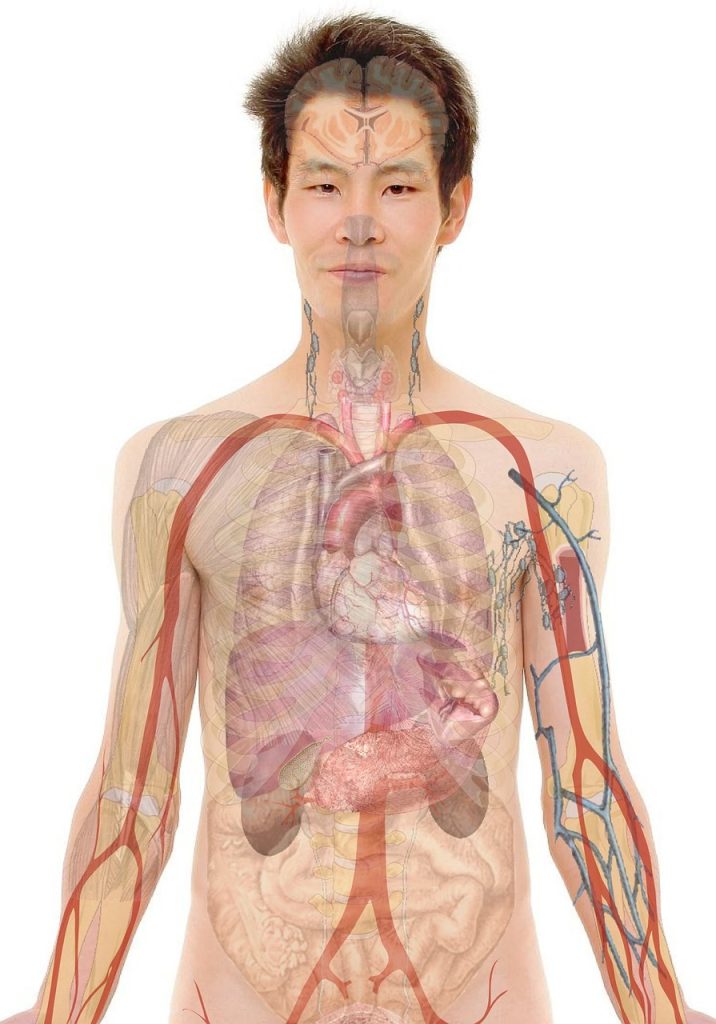
Heart, Veins, and Microcapillary Effects
At the core of wet cupping’s circulatory benefits is its impact on local and systemic blood flow.
- Heart function: By drawing blood to specific areas, wet cupping indirectly reduces peripheral resistance, supporting smoother blood movement through veins and arteries.
- Veins: Suction helps reduce venous pooling, particularly in areas prone to stagnation, like the back, shoulders, and neck.
- Microcapillaries: These tiny blood vessels respond to suction and minor bleeding by expanding, improving nutrient and oxygen delivery to tissues.
Studies, such as Tagil et al. (2014), have shown measurable increases in local oxygenation after wet cupping, suggesting that microcapillaries benefit directly from improved circulation. Enhanced perfusion not only relieves tension but also accelerates recovery from minor injuries and chronic muscle discomfort.
Reflex Pathways and Oxygen Exchange
Wet cupping doesn’t just affect blood flow mechanically. It also stimulates reflex pathways in the nervous system. The negative pressure activates sensory nerves in the skin and underlying tissues, sending signals to the spinal cord and brain. These reflexes can:
- Promote vasodilation, expanding blood vessels and increasing oxygen exchange.
- Support the autonomic nervous system in regulating heart rate and vascular tone.
- Reduce localized sympathetic overactivity, which can help lower blood pressure temporarily.
This combination of mechanical and neurological effects makes wet cupping a unique therapy for improving tissue oxygenation and circulation naturally, without medications or invasive procedures.
Role in Blood Pressure and Cholesterol Regulation
Emerging research indicates that wet cupping may have a beneficial role in cardiovascular health. By improving microcirculation and reducing peripheral resistance, wet cupping can contribute to more stable blood pressure. In addition, some studies suggest that the therapy may support better lipid metabolism:
- Mobilizing stagnant blood may help improve vascular elasticity, indirectly aiding cholesterol balance.
- Enhanced circulation supports endothelial function, which is critical for maintaining heart health.
It support circulatory function and helping the body maintain balance naturally. Many clients report a sense of lightness, reduced tension, and improved energy levels after sessions — all linked to healthier blood flow.
Practical Tips for Optimizing Circulatory Benefits
Wet cupping delivers its best circulatory benefits when supported by simple, consistent habits. With a steady and intentional approach, the body is better able to maintain healthy blood flow and a stable, natural recovery response.
- Regular sessions: Depending on individual needs, spacing sessions every 1–2 weeks can help maintain microcirculation improvements.
- Hydration and nutrition: Proper fluid intake supports blood flow and recovery.
- Targeted cupping points: Back, neck, and shoulders are commonly chosen for circulatory support; some points correspond to heart-related reflex zones (T2–T5).
- Aftercare: Gentle massage, stretching, and natural oils help the skin and underlying tissues recover while maintaining improved circulation.
Following these practices can maximize the therapy’s circulatory benefits while ensuring safety, comfort, and long-term support for the body’s natural healing rhythms.
Key Takeaway
Wet cupping is more than a relaxation tool — it works as a circulatory reset. By linking wet cupping and the circulatory system through suction and controlled microbleeding, the practice enhances blood flow in veins, arteries, and microcapillaries, activates reflex pathways, and supports healthier oxygen exchange. While it is not a replacement for medical care in conditions like heart disease or hypertension, it can serve as a complementary method to maintain vascular function, ease muscle tension, and support the body’s natural blood pressure and cholesterol regulation.
Get the free at-home wet cupping tutorial — an easy-to-follow e-book with videos, featuring the 5 essential points every wet cupping practitioner must know — inside Natural Reset: Modern Wet Cupping Made Simple.