
Clear, glowing skin isn’t just cosmetic — it reflects the health of circulation, metabolism, and inflammation in underlying tissues. Traditional wet cupping, or hijama/bekam, has long been used in various cultures to promote wellness, and modern observations suggest that it may influence skin health through improved microcirculation and localized detoxification.
How Microcirculation Impacts Skin Health
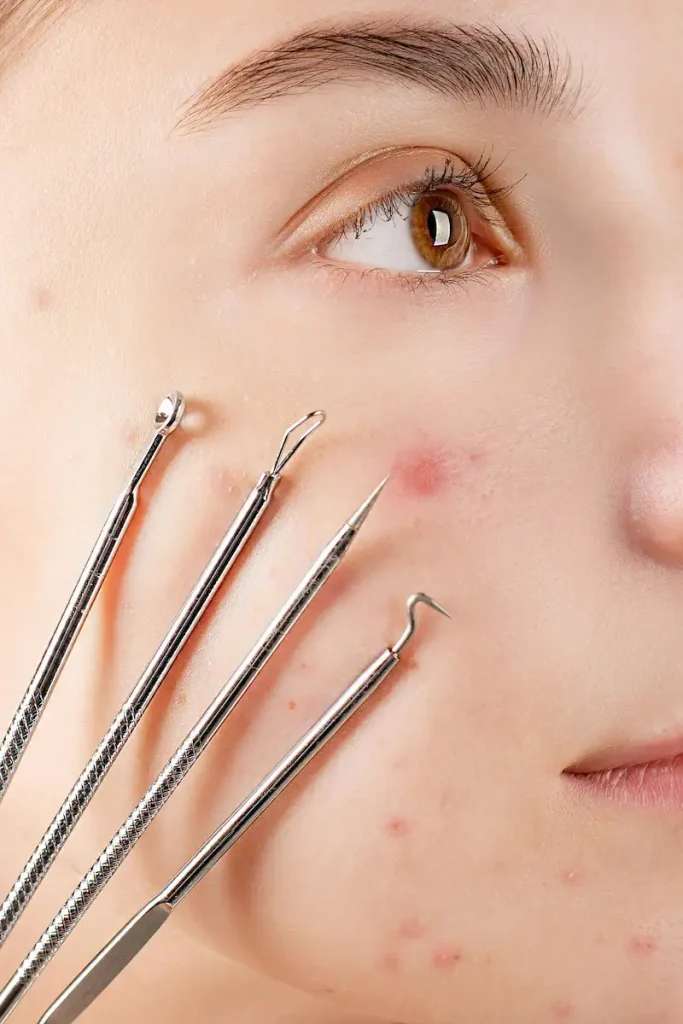
Skin receives nutrients and oxygen through capillaries in the dermis. When circulation is sluggish due to tension, inflammation, or stress, skin cells may not get sufficient oxygen, and metabolic waste can accumulate.
This can manifest as:
- Dull complexion
- Slow wound healing
- Inflammatory skin conditions, including acne
Wet cupping temporarily draws blood toward the skin surface, expanding capillaries and stimulating local circulation. This can:
- Increase nutrient and oxygen delivery to skin cells
- Help remove localized metabolic byproducts
- Support natural repair processes
In essence, what traditional medicine described as “removing stagnant blood” aligns with measurable microvascular benefits.
Effects on Acne and Sebum Balance
Acne is influenced by excess sebum, clogged pores, inflammation, and bacterial activity. While wet cupping does not directly target sebaceous glands, it may contribute indirectly:
- Enhanced detoxification: By improving microcirculation and lymph flow, cupping helps clear local metabolic waste and inflammatory mediators, reducing the skin’s inflammatory load.
- Anti-inflammatory effect: Local suction and controlled bloodletting may trigger mild immune and repair responses, calming inflammation that exacerbates acne lesions.
- Hormonal and stress modulation: Some studies suggest cupping can reduce tension and promote relaxation, which may indirectly influence hormonal factors affecting sebum production.
Traditional practitioners often combine wet cupping with herbal topical treatments (like black seed or olive oil) to support tissue healing and sebum regulation.
Complementary Skincare Practices
For best results, cupping should be part of a holistic skin routine:
- Gentle cleansing: Avoid harsh scrubs that irritate the skin post-cupping.
- Natural oils: Virgin coconut oil, argan oil, or diluted tea tree oil can soothe skin, maintain elasticity, and aid in clearing cupping marks.
- Hydration: Drinking water helps microcirculation and lymphatic function.
- Dietary balance: Adequate protein, antioxidants, and low glycemic load foods support skin metabolism.
These practices enhance the circulatory and metabolic effects initiated by cupping.
Safety Considerations for Skin Cupping
Skin health-focused cupping must be carefully performed:
- Avoid cupping on active, open acne lesions or irritated skin to reduce infection risk.
- Ensure sterile cups and lancets for wet cupping.
- Limit session duration and suction strength to prevent bruising beyond cosmetic marks.
- For sensitive skin, practitioners may combine dry cupping in adjacent areas with wet cupping on safe zones.
Proper aftercare ensures the skin recovers safely and maximizes the benefits of improved microcirculation.
Integrating Wet Cupping with Modern Dermatology
While modern dermatology provides topical and pharmacologic treatments for acne, wet cupping may serve as a complementary approach for individuals seeking traditional or integrative methods. Its effects on circulation, detoxification, and tissue repair align with modern concepts of skin metabolism and inflammatory modulation.
Importantly, wet cupping should not replace conventional medical advice for moderate to severe acne, cysts, or systemic skin disorders.
Takeaway — Circulation as Skin’s Secret Weapon
Wet cupping promotes skin health primarily by enhancing local blood and lymph flow, supporting tissue detoxification, and reducing inflammation.
Acne and dullness often reflect underlying circulation and metabolic inefficiencies — areas where wet cupping can contribute.
When combined with proper hygiene, hydration, natural oils, and a healthy lifestyle, cupping can help the skin look and feel more resilient — a modern interpretation of centuries-old practice.
If you’re ready to understand wet cupping on a deeper, more practical level, visit our Bookstore. You’ll get a free foundational eBook complete with video guidance — plus a collection of comprehensive wet cupping books designed to help you learn with confidence.