
After a wet cupping session, your body has experienced controlled suction and gentle microbleeding. This process promotes circulation, relieves tension, and removes stagnant blood — but your skin, as the first line of defense, also deserves mindful care. Proper aftercare not only supports healing but also determines how long the marks last. With the right approach, redness and spots fade faster, leaving your skin calm, clean, and nourished.
Cleansing and Antiseptic Essentials
Natural Herbal Oils for Wet Cupping Aftercare
Right after a session, cleanliness is crucial. Tiny micro-incisions created during cupping make the skin temporarily vulnerable to bacteria, so your first step is always gentle cleansing.
- Use mild antiseptics or antibacterial soap. Gently clean the treated area without scrubbing or rubbing.
- Avoid harsh chemicals. Alcohol-based products may sting and cause dryness, slowing down natural repair.
- Pat dry carefully. Use a soft, clean towel — never wipe — to avoid reopening microcuts.
Maintaining hygiene in the first 24–48 hours ensures safe healing and prevents infection. However, antiseptics alone don’t help your skin regenerate faster. This is where natural oils make a difference — they nourish, soothe, and minimize marks more effectively than relying on alcohol or chemical cleansers alone.
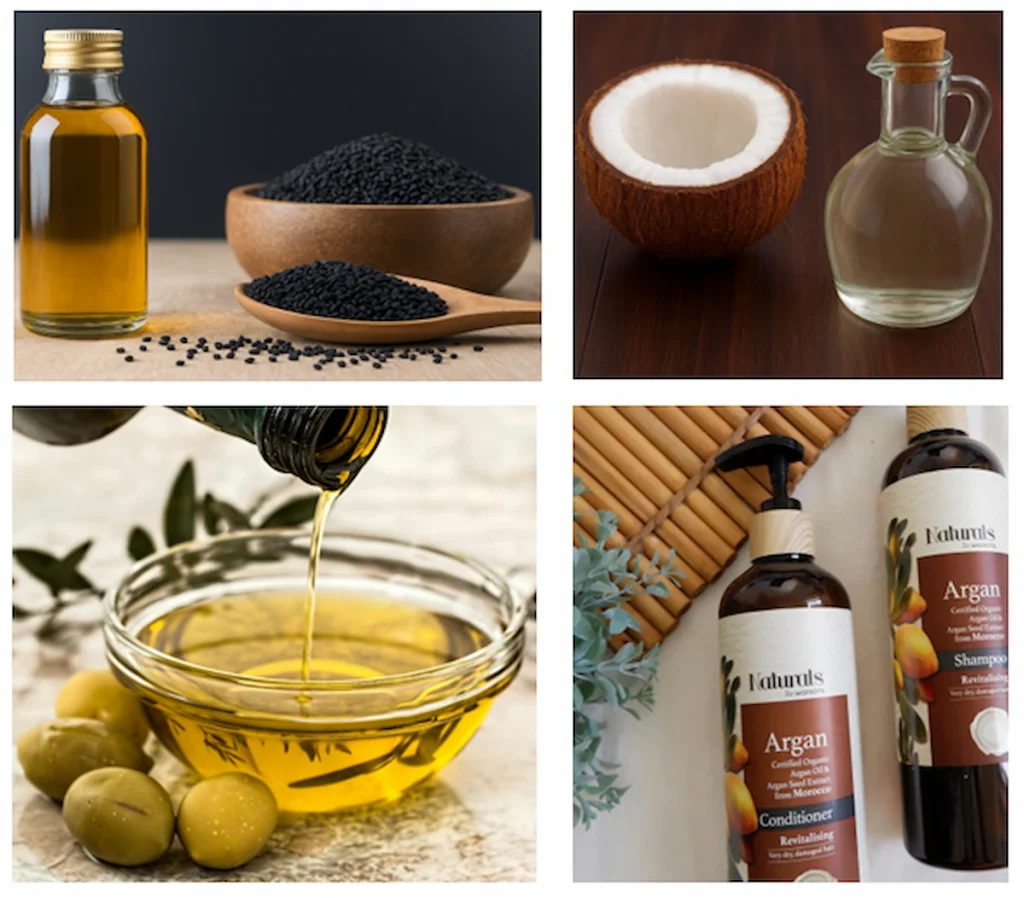
Applying natural oils as Wet cupping aftercare is important step to provides the skin with nutrients, antioxidants, and protective moisture. Oils work as a natural barrier, keeping out bacteria while softening the tissue underneath the cupping marks. The following options are among the most effective:
- Virgin Coconut Oil (VCO): Rich in lauric acid, VCO acts as a natural antimicrobial and anti-inflammatory. It soothes redness, supports collagen formation, and gives a smooth texture during recovery.
- Olive Oil: Packed with vitamin E and antioxidants, olive oil helps repair damaged tissue and restore moisture balance. It also strengthens the skin barrier against dryness.
- Black Seed Oil: Traditionally praised for enhancing circulation and reducing irritation, black seed oil supports detoxification while keeping the skin calm and protected.
- Argan Oil: Extracted from Moroccan argan kernels, this oil is loaded with omega fatty acids and vitamin E. It accelerates regeneration, fades marks, and prevents post-cupping pigmentation.
- Tea Tree Oil (diluted): When used in small, diluted amounts, tea tree oil provides antibacterial defense while preventing clogged pores or irritation. It’s especially useful for those with acne-prone or sensitive skin.
Why natural oils matter:
Studies on skin regeneration show that plant-based oils deliver essential lipids that help restore the epidermal barrier. Compared with using only alcohol or antiseptics, which can strip moisture and delay tissue repair, applying oils after cleaning promotes faster mark fading, softer skin, and fewer residual dark spots.
Apply a thin layer of your chosen oil twice daily for 2–3 days after each session. Massage lightly in circular motions around, not directly on, the open microcuts.
Gentle Massage and Relaxation
Once the skin has sealed (usually after 12–24 hours), light massage supports blood flow and lymphatic drainage — two key elements for faster recovery.
- Use minimal pressure. Focus around the cupped zones instead of pressing the marks directly.
- Circular and upward motions. Encourage circulation and oxygen delivery to healing tissue.
- Incorporate relaxation techniques. Deep breathing or gentle stretching helps your body integrate the therapy’s detox effects.
Massage, when combined with natural oil use, reduces stiffness, supports oxygen exchange, and keeps the skin supple.
Additional Aftercare Tips
- Avoid direct sunlight on the treated areas for at least 24 hours. UV exposure can darken marks and slow fading.
- Skip saunas or hot baths immediately after sessions to prevent irritation or inflammation.
- Wear loose, breathable clothing to reduce friction and sweating.
- Stay hydrated. Proper hydration assists blood flow, cell renewal, and toxin clearance.
- Eat antioxidant-rich foods like fruits and leafy greens to boost the body’s natural healing response.
Following these steps keeps the skin resilient, smooth, and evenly toned — while letting your body fully enjoy the circulatory and detox benefits of wet cupping.
Key Takeaway
After wet cupping, proper aftercare is as essential as the session itself. Gentle cleansing, mild antiseptic use, and the application of nutrient-rich natural oils like VCO, olive, black seed, argan, and diluted tea tree oil help the skin heal faster and fade marks naturally.
Compared to using only alcohol or chemical antiseptics, natural oils maintain moisture, prevent irritation, and restore the protective lipid layer that supports regeneration. Combined with relaxation, light massage, and hydration, this approach ensures that the benefits of wet cupping — improved circulation, relaxation, and detoxification — come with healthy, radiant skin to match.
For more guidance on supplies and natural products, visit our linked article on Antiseptic and Natural Herbal Oils.
I’ve been playing here for a few weeks and the payout speed is honestly impressive. Highly recommend zbet88me for anyone looking for a reliable spot.