
High cholesterol is a major contributor to cardiovascular disease, increasing the risk of heart attacks, stroke, and other serious health issues. Managing cholesterol involves a combination of dietary adjustments, lifestyle habits, and supportive therapies. One often overlooked method is wet cupping therapy, which can complement nutrition and lifestyle changes to improve circulation, reduce muscular tension, and support cardiovascular health.
Integrating a cholesterol-friendly diet with wet cupping ensures that both internal and external factors contributing to vascular stress are addressed.
Understanding Cholesterol and Its Impact on Circulation
Cholesterol is a lipid essential for hormone production, cell membrane integrity, and other vital bodily functions. However, excess low-density lipoprotein (LDL) cholesterol can accumulate in arterial walls, restricting blood flow and increasing the risk of heart disease. Meanwhile, high triglyceride levels may exacerbate vascular inflammation, contributing to tension in the cervical and trapezius muscles—areas commonly targeted by wet cupping therapy.
By reducing dietary cholesterol and supporting healthy lipid metabolism, individuals can decrease vascular strain. This allows wet cupping to work more effectively, improving blood flow and releasing muscle tension that may indirectly result from poor circulation.
Cholesterol-Friendly Foods to Prioritize
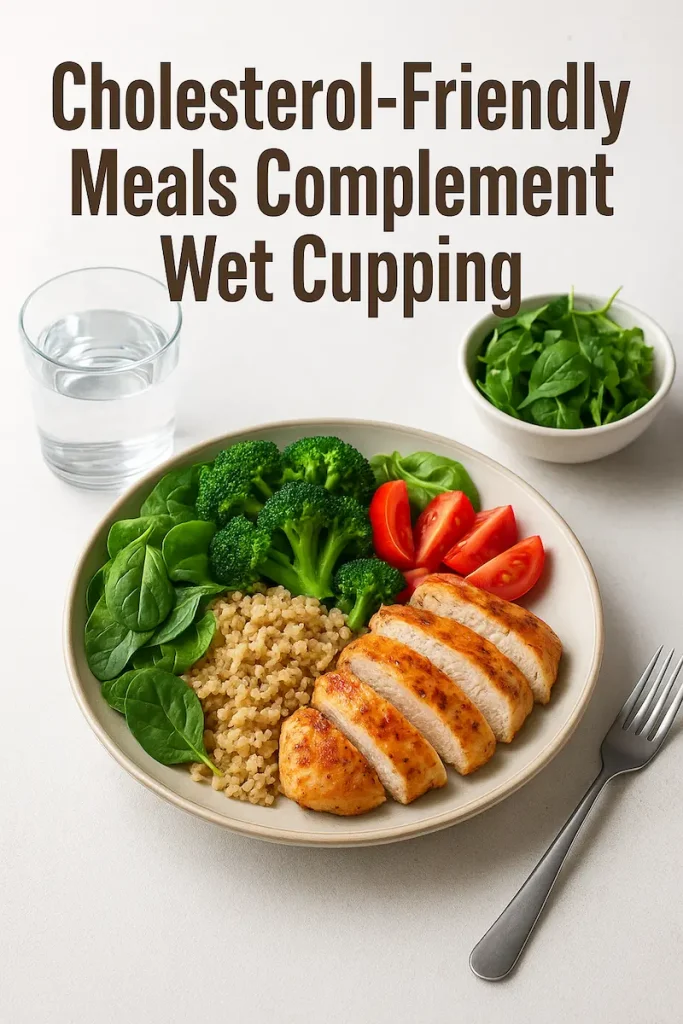
A diet designed to support healthy cholesterol levels emphasizes whole, unprocessed foods with anti-inflammatory properties. Key choices include:
- Soluble fiber-rich foods: Oats, barley, apples, and legumes help bind cholesterol in the digestive tract, reducing LDL levels.
- Healthy fats: Olive oil, avocado, and nuts provide monounsaturated fats that improve heart health without raising LDL.
- Fatty fish: Salmon, sardines, and mackerel contain omega-3 fatty acids that lower triglycerides and support circulation.
- Vegetables and fruits: Leafy greens, cruciferous vegetables, berries, and citrus fruits provide antioxidants that reduce vascular inflammation.
- Whole grains: Brown rice, quinoa, and whole wheat provide fiber and stabilize blood sugar, indirectly supporting heart health.
By prioritizing these foods, you support both the cardiovascular system and the muscular structures affected by poor circulation, enhancing the benefits of wet cupping therapy.
How Wet Cupping Complements Dietary Efforts
While nutrition lays the foundation, wet cupping therapy adds a physical dimension to vascular and muscular support. Key benefits include:
- Enhanced local blood flow: Targeted cupping on the trapezius, cervical, and upper thoracic muscles promotes circulation to areas prone to tension from poor vascular health.
- Release of muscular tightness: Tight muscles can compress blood vessels and worsen circulation, which may contribute to headaches and fatigue.
- Parasympathetic activation: Cupping encourages relaxation, lowering stress hormones that can negatively affect cholesterol metabolism.
Regular wet cupping sessions, combined with a cholesterol-conscious diet, create a synergistic effect that supports vascular health, reduces muscular tension, and enhances overall well-being.
Lifestyle Habits to Maximize Results
Beyond diet and cupping, several habits reinforce healthy cholesterol levels and improve circulation:
- Consistent physical activity: Aerobic exercise, strength training, and yoga support heart health, improve circulation, and reduce stress.
- Stress management: deep breathing, and mindful practices prevent stress-induced spikes in cortisol, which can negatively affect lipid profiles.
- Adequate hydration: Sufficient water intake aids circulation, tissue health, and detoxification.
- Sleep hygiene: Consistent, restorative sleep supports cardiovascular repair and helps regulate metabolism.
- Monitoring intake: Limiting processed foods, trans fats, and excess sugar helps maintain optimal cholesterol levels.
These practices, paired with a cholesterol-friendly diet and wet cupping therapy, provide a comprehensive approach to heart and vascular health.
Sample Daily Routine
A practical routine to support cholesterol management and muscle relaxation might include:
- Breakfast: Oatmeal with chia seeds, blueberries, and almond butter
- Morning: 10-minute neck and shoulder stretches
- Lunch: Grilled salmon with quinoa and leafy greens, olive oil dressing
- Afternoon: Short walk or light yoga
- Snack: Apple slices with walnuts
- Evening: Wet cupping session on trapezius and upper back points
- Dinner: Lentil stew with mixed vegetables, herbal tea
- Throughout the day: Hydrate with water or unsweetened herbal tea
Following this routine consistently allows for both internal nutritional support and external muscular and vascular release through wet cupping.
Conclusion
High cholesterol is not only a risk factor for heart disease but can indirectly contribute to muscular tension and discomfort in areas like the trapezius and cervical spine. A cholesterol-friendly diet rich in fiber, healthy fats, and anti-inflammatory nutrients lays the groundwork for healthier circulation. When combined with wet cupping therapy, which improves blood flow, reduces muscle stiffness, and promotes parasympathetic relaxation, this approach becomes a holistic strategy for cardiovascular and muscular health.
Integrating dietary awareness, lifestyle habits, and cupping therapy provides immediate relief from tension and supports long-term wellness. Over time, individuals often notice improved energy, reduced muscular tightness, better circulation, and enhanced heart health—creating a sustainable, natural approach to well-being.
Combine a cholesterol-conscious diet with targeted wet cupping to release tension, improve circulation, and support heart health naturally