
Shoulder and neck tension is a widespread issue in today’s sedentary, screen-focused lifestyle. Muscle stiffness, poor posture, and stress often combine to create chronic discomfort, headaches, and fatigue. While stretching and ergonomic adjustments are commonly recommended, pairing wet cupping therapy with thoughtful meal planning can amplify results, improve circulation, and support long-term muscular health.
Nutrients That Support Muscle Relaxation
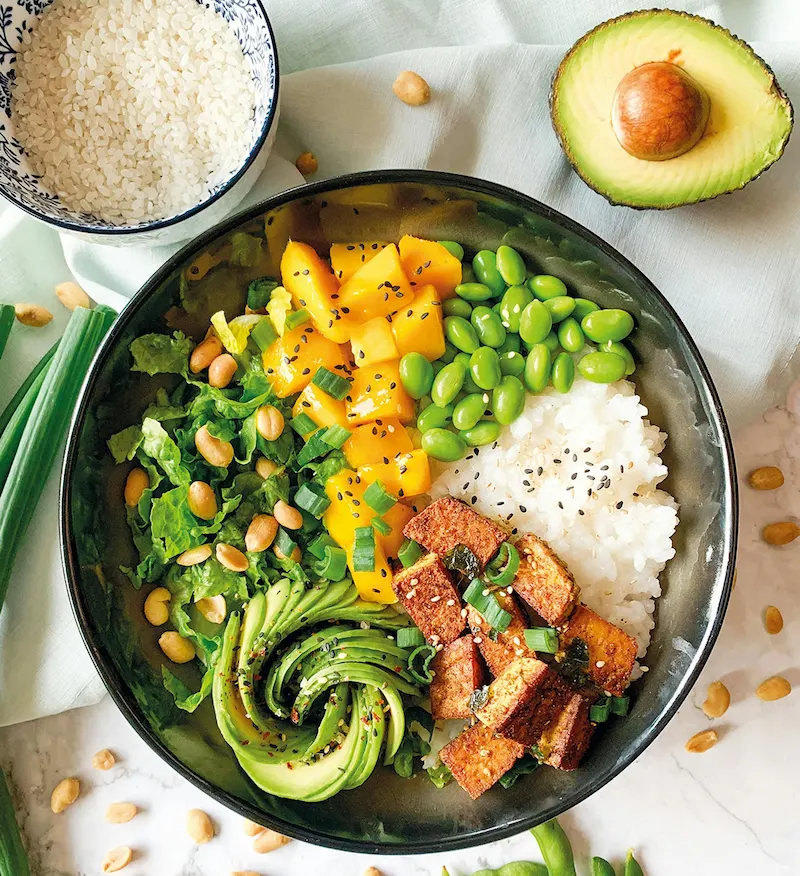
Nutrition plays a key role in muscle function and recovery. Certain nutrients help relax tight muscles, reduce inflammation, and maintain healthy circulation—allowing wet cupping therapy to be more effective:
- Magnesium: Found in almonds, pumpkin seeds, spinach, and beans, magnesium helps muscles contract and relax properly, reducing cramping and stiffness.
- Potassium: Present in bananas, sweet potatoes, and avocados, potassium maintains fluid balance and prevents muscle fatigue.
- Omega-3 fatty acids: Fatty fish like salmon and sardines, as well as chia and flax seeds, reduce inflammation and support vascular health.
- Vitamin D: Supports muscle function and repair, helping reduce chronic tension. Sources include sunlight, fortified foods, and fatty fish.
- Hydration: Adequate water intake keeps tissues supple and aids nutrient delivery to muscles.
Incorporating these nutrients consistently ensures muscles receive the support they need to remain relaxed and resilient, complementing wet cupping therapy.
How Wet Cupping Enhances Shoulder and Neck Relief
While diet provides internal support, wet cupping therapy offers direct physical benefits:
- Improved circulation: Suction over the trapezius, cervical, and upper thoracic muscles encourages oxygenated blood flow, enhancing nutrient delivery and recovery.
- Release of tension: The lifting effect on skin and fascia reduces knots and muscular stiffness.
- Parasympathetic activation: Relaxation triggered by cupping reduces stress hormones, promoting long-term muscular and nervous system balance.
For optimal outcomes, sessions can be performed 1–2 times per week, targeting areas prone to tension buildup.
Daily Meal Habits to Support Muscle Health
Meal planning that prioritizes anti-inflammatory and circulation-supportive foods enhances the effects of wet cupping:
- Breakfast: Include magnesium-rich foods such as oatmeal with pumpkin seeds and a banana for potassium.
- Lunch: Lean protein paired with leafy greens, avocado, and whole grains supports repair and sustained energy.
- Snacks: Nuts, seeds, and fruit provide essential nutrients and prevent blood sugar spikes that may worsen muscle tension.
- Dinner: Incorporate omega-3-rich fish or plant-based sources with vegetables and complex carbohydrates to aid overnight recovery.
- Hydration: Consistently sip water and herbal teas to keep tissues hydrated, which improves circulation and reduces stiffness.
These nutritional habits work synergistically with wet cupping, preparing muscles to respond more effectively and recover faster.
Lifestyle Habits for Long-Term Relief
In addition to diet and cupping, certain lifestyle practices enhance shoulder and neck tension relief:
- Postural awareness: Use ergonomic chairs, adjust screen height, and practice regular posture checks to prevent chronic strain.
- Stretching breaks: Take short breaks every 30–60 minutes for gentle neck rolls, shoulder shrugs, and spinal mobility exercises.
- Stress reduction: Breathing exercises, meditation, or brief walks lower cortisol, which contributes to muscular tension.
- Consistent sleep schedule: Quality rest allows muscles to repair and reduces chronic fatigue.
- Regular movement: Light aerobic activity or yoga improves circulation, reducing stagnation in the trapezius and neck.
These habits amplify both dietary and cupping benefits, creating a holistic approach to muscular wellness.
Sample Daily Routine
- Morning: Oatmeal with pumpkin seeds, banana, and herbal tea; light neck stretches
- Mid-morning snack: Almonds or walnuts with a small fruit
- Lunch: Grilled salmon, spinach salad, quinoa, olive oil dressing
- Afternoon: 5–10 minutes posture and shoulder mobility exercises
- Evening: Wet cupping session on trapezius and cervical muscles, followed by hydration and light stretching
- Dinner: Lentil and vegetable stew with whole-grain bread, herbal tea
- Throughout the day: Maintain hydration and frequent short movement breaks
Following this routine consistently supports muscle relaxation, improved circulation, and reduced tension, enhancing the long-term benefits of wet cupping.
Conclusion
Shoulder and neck tension affects posture, comfort, and overall quality of life. While stretching and ergonomic adjustments help, a holistic approach combining diet and wet cupping therapy provides deeper, longer-lasting relief. Nutrients like magnesium, potassium, and omega-3 fatty acids support muscular function and reduce inflammation, while wet cupping enhances circulation, releases tension, and promotes parasympathetic relaxation.
Coupled with consistent daily habits—such as postural awareness, regular stretching, stress management, and hydration—this approach addresses both the physical and internal factors contributing to chronic tension. Over time, individuals experience reduced stiffness, fewer headaches, better posture, and improved energy, all while supporting overall muscular and vascular health.
If you want a simple, safe, and structured way to combine wet cupping with daily habits for neck and shoulder relief, you can explore our free e-book with video guide Wet Cupping for Upper-Back Tension for practical steps you can apply at home.