
Waking up or going through the day with a heavy head sensation can be frustrating—especially when there’s no actual pain. You feel pressure, mental fog, or a sense of fullness, but no headache strikes. This phenomenon is surprisingly common and can be caused by a combination of muscular tension, circulation issues, stress, and lifestyle factors.
Understanding why your head feels heavy can help you take simple steps to restore clarity, energy, and comfort.
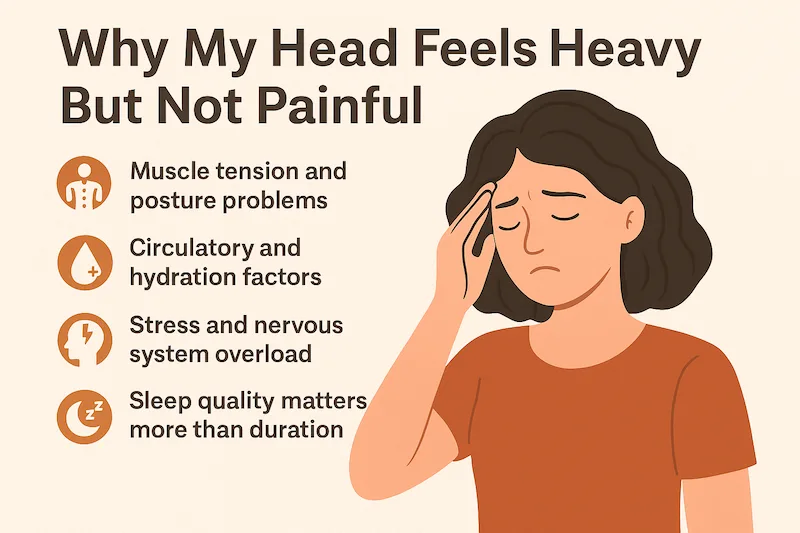
Muscle Tension Is a Major Culprit
One of the main reasons your head feels heavy is tight muscles in the neck, shoulders, and upper back.
Trapezius and Cervical Muscles
- Chronic tension reduces blood flow and lymph drainage.
- This can create pressure or heaviness in the head without causing pain.
Poor Posture
- Forward head posture from phones or computers strains cervical muscles.
- Rounded shoulders and slouched sitting increase load, contributing to the sensation of a heavy head.
Tip: Gentle stretching, ergonomic adjustments, and wet cupping sessions on the trapezius and cervical muscles can release tension, improve circulation, and restore comfort.
Circulation and Hydration Matter
Even mild dehydration or slowed blood flow can make your head feel heavy and mentally foggy, affecting focus, energy, and overall well-being.
Low Hydration
- Mild dehydration thickens blood, reducing oxygen delivery to the brain → feelings of fogginess, mental sluggishness, or heaviness.
Poor Circulation
- Prolonged sitting or sedentary habits slow venous return.
- This creates subtle pressure in the head, temples, or behind the eyes, contributing to that heavy sensation.
Tip: Drink water consistently, move regularly with short walks or stretches, and consider targeted wet cupping to support microcirculation, muscle relaxation, and overall energy.
Stress Keeps Your Nervous System Alert
Even without feeling anxious, stress can activate the sympathetic nervous system, keeping your body in a constant “alert” state. This:
- Increases muscle tension
- Elevates cortisol
- Reduces parasympathetic (rest-and-digest) activity
The result: your brain interprets this as heaviness, mental fog, or morning sluggishness, even after enough sleep.
Tip:
- Practice slow breathing, meditation, or mindfulness to calm the nervous system
- Gentle evening stretches help release built-up tension
Targeted wet cupping can further reduce nervous system stress, improve circulation, and support relaxation
Sleep Quality Matters More Than Duration
Sleeping 7–9 hours isn’t enough if your sleep is shallow or frequently interrupted. Factors like:
- Micro-awakenings
- Poor REM/deep sleep balance
- Muscle tension during sleep
…all contribute to morning heaviness, mental fog, and reduced energy throughout the day.
How to Improve Sleep Quality
- Keep consistent sleep/wake times to regulate your circadian rhythm
- Avoid screens one hour before bed to support natural melatonin production
- Use dim lighting in the evening to prepare your body for rest
- Incorporate gentle stretching or wet cupping to relax muscles and calm the nervous system before sleep
These steps help promote restorative sleep, reduce head heaviness, and improve daytime alertness.
Diet and Nutritional Factors
Certain nutrient deficiencies subtly contribute to head heaviness.
- Magnesium: relaxes muscles and supports circulation
- Potassium: stabilizes blood pressure
- Omega-3s: reduce low-level inflammation
- B vitamins: support nervous system function
Quick Dietary Fixes
- Bananas, leafy greens, seeds, nuts
- Salmon, eggs, yogurt
- Brown rice, oats, sweet potatoes
- Maintain hydration throughout the day
These foods support both muscle relaxation and better sleep cycles, reducing head heaviness.
Integrating Lifestyle Habits for Relief
Small daily habits can prevent heavy-head sensations:
• Regular movement: short walks, desk stretches — keeps blood flowing and muscles loose
• Caffeine timing: avoid after 2 PM — prevents sleep disruption and morning fog
• Screen exposure: reduce evening use — supports melatonin production and deep sleep
• Evening wind-down: journaling, light stretching, or heat packs — calms nervous system and relaxes muscles
Combined with targeted wet cupping, these habits help release tension, improve circulation, reset the nervous system, and support clear, energized mornings.
Conclusion
A heavy head without pain is common and rarely serious.
It signals that your muscles, circulation, nervous system, or lifestyle need attention. Often, this feeling is an early warning that subtle imbalances are affecting overall energy, focus, and well-being.
By integrating:
• Muscle care (stretching, posture correction, wet cupping)
• Hydration and diet
• Stress management
• Better sleep routines
…you can relieve heaviness, restore mental clarity, improve daytime alertness, and feel energized throughout the day.
If your head often feels heavy, supporting muscle relaxation and circulation can make a real difference.
Download our free guide, Wet Cupping for Tension & Mental Clarity, and discover simple at-home steps to wake up lighter, clearer, and more energized every day.