
Tension in the trapezius muscle, located across the upper back and shoulders, is a common source of discomfort, stiffness, and headaches. Many people spend hours hunched over desks, looking at screens, or carrying heavy loads, which tightens this critical muscle group. While stretching and posture exercises are commonly recommended, holistic diet habits combined with wet cupping therapy can enhance tension relief and support long-term muscular health.
Nutrients That Promote Muscle Relaxation
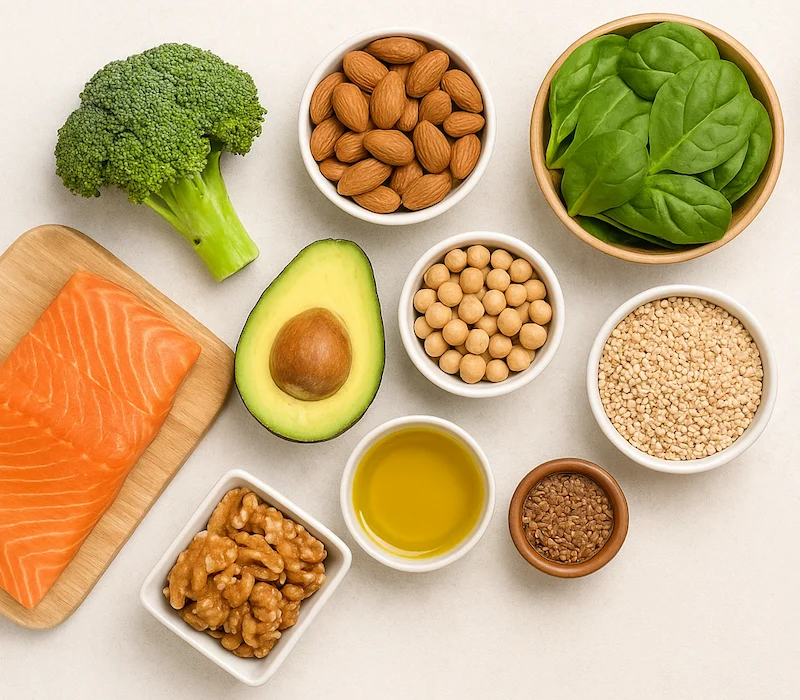
Muscle tightness is influenced not only by physical strain but also by nutritional status. Certain nutrients help muscles relax, reduce inflammation, and improve circulation, making trapezius tension easier to manage.
- Magnesium: Essential for muscle relaxation and nerve function. Found in leafy greens, almonds, pumpkin seeds, and legumes.
- Potassium: Helps regulate fluid balance and nerve signaling. Found in bananas, avocados, sweet potatoes, and spinach.
- Omega-3 fatty acids: Anti-inflammatory fats that support circulation and reduce muscular stiffness. Sources include fatty fish (salmon, mackerel), chia seeds, and walnuts.
- Vitamin D: Supports muscle function and reduces chronic pain sensitivity. Found in fortified foods, fatty fish, and sunlight exposure.
- Hydration: Adequate water intake maintains tissue elasticity, prevents cramping, and supports blood flow to tight muscles.
Incorporating these nutrients consistently ensures that your muscles receive the building blocks needed for relaxation and repair.
Wet Cupping Protocols for Upper Back Tension
While diet provides the internal support, wet cupping therapy offers a physical solution to release trapped tension. By targeting the trapezius, cervical, and upper thoracic points, wet cupping:
- Improves circulation: Encourages oxygenated blood flow to tight muscles, aiding recovery and relaxation.
- Reduces muscular stiffness: Gentle suction lifts and stretches tissue, releasing knots and adhesions.
- Activates the parasympathetic nervous system: Promotes relaxation, lowers stress hormones, and supports better sleep and posture.
For best results, sessions can be scheduled every 2 weeks, then adjusted based on progress and comfort.
Daily Habits to Maintain Muscle Flexibility
Nutrition and cupping are most effective when paired with daily lifestyle habits:
- Postural awareness: Regularly check alignment while sitting or standing. Ergonomic desks and chair adjustments prevent overuse of trapezius muscles.
- Stretching and mobility exercises: Gentle neck rolls, shoulder shrugs, and upper back stretches reduce tension buildup.
- Stress management: breathing exercises, or short walks lower sympathetic nervous system activity, which can contribute to muscle tightness.
- Hydration and frequent movement: Taking brief breaks every 30–60 minutes to stretch and hydrate keeps muscles supple.
- Balanced meals: Combining magnesium, potassium, and anti-inflammatory foods enhances the effect of cupping therapy and reduces recurrence of stiffness.
A synergistic approach that combines diet, cupping, and supportive habits provides both immediate relief and long-term prevention of trapezius tension.
Sample Day Routine for Trapezius Health
- Morning: Magnesium-rich breakfast (oatmeal with pumpkin seeds and almond butter), light stretching
- Midday: Lunch including leafy greens, lean protein, and omega-3 sources like salmon or chia seeds
- Afternoon: Short walk or mobility exercises to counteract sedentary work
- Evening: Wet cupping session on trapezius and upper back points, followed by hydration and light stretching
- Throughout the day: Maintain posture awareness and sip water consistently
By following this routine, individuals often experience reduced stiffness, improved posture, and decreased tension-related headaches within weeks.
Conclusion
Trapezius tension is a common issue that affects posture, comfort, and overall well-being. While stretching and physical exercises are important, holistic diet habits and wet cupping therapy provide complementary benefits. Nutrients like magnesium, potassium, and omega-3 fatty acids support muscle relaxation, while wet cupping enhances circulation, releases tight knots, and activates the nervous system for deep relaxation.
Coupled with daily habits such as posture management, stress reduction, and proper hydration, this holistic approach provides both immediate relief and long-term muscle health. Individuals often notice reduced stiffness, fewer tension headaches, and improved energy when combining these strategies consistently.
Get the essential wet cupping points, habits, and daily techniques to ease trapezius and neck tension.
Download your free upper-back pain guide now.