
How Wet Cupping Can Help Relieve Vertigo?

Stimulation around the mastoid zone, upper neck, upper back, and shoulders serves as a neurovascular reset area that naturally enhances blood flow, rebalances the autonomic nervous system, and restores energy circulation. Activating these regions can bring notable improvement in many conditions—ranging from blood pressure and metabolic problems to muscular stiffness, emotional stress, and sleep irregularities—helping the body gradually return to balance. The benefits reach multiple networks, including the heart, brain, muscles, and stress-regulating hormones. Scientific Evidence Behind the Practice Recent integrative findings reinforce this explanation. Studies in Traditional and Integrative Medicine report that wet cupping promotes microcirculatory activity, clears blood stagnation, and helps normalize autonomic regulation—especially across the cervical and upper-thoracic regions (Al-Bedah et al., 2019). A related clinical trial in the Journal of Complementary and Integrative Medicine found measurable gains in blood flow and heart-rate variability following cupping, showing improved coordination between sympathetic and parasympathetic systems (Gürkan & Karagülle, 2020). These physiological shifts directly affect vestibular and cerebral blood supply—key factors that sustain body balance. Further evidence from vestibular research strengthens the circulation–balance link. The Journal of Vestibular Research highlights that uneven fluid or pressure inside the inner-ear canals, often linked to poor microcirculation around the mastoid and cervical areas, contributes to vertigo and disorientation (López-Escámez et al., 2015). This provides a rational basis for how wet cupping behind the ears and on the upper neck helps alleviate vertigo—not by masking symptoms, but by restoring the body’s natural neurovascular stability. Applying these points together allows vertigo to be treated at its source—addressing root imbalances rather than superficial sensations. Problem, What Happens, and How Wet Cupping Helps Wet Cupping Holistic Approach This model illustrates how wet cupping works holistically, targeting not just the symptoms but the systemic factors influencing circulation, cholesterol regulation, and microvascular efficiency. With consistent practice, it supports both immediate comfort and long-term physiological harmony. By stimulating seven main points (behind ears, upper neck, back, and shoulders), wet cupping addresses four root causes—blood stagnation, oxygen deficiency, pressure irregularity, and neuro-hormonal overload—thus reactivating balance in five interrelated systems: Cardiovascular System (Blood Circulation). Normalizes blood pressure and sustains steady flow to the brain, muscles, and vital organs. Autonomic Nervous System (Neuro-Regulation). Balances the stress (sympathetic) and relaxation (parasympathetic) responses. Respiratory–Oxygenation System. Enhances oxygen and carbon dioxide exchange in the lungs and body tissues. Detoxification & Metabolic System (Liver–Kidney–Lymph Axis). Filters toxins, metabolic waste, cholesterol, and uric acid from the bloodstream. Immune–Inflammatory System. Maintains immune stability, preventing both excessive and insufficient immune reactions. This integrated activation supports recovery from head and nerve-related conditions, including vertigo and balance disorders Vertigo and the Circulation–Balance Connection The human spine is not just a support column—it serves as the main communication highway connecting the brain to all organs and muscles. Along its course, billions of nerve fibers carry signals that control movement, perception, and internal coordination. Structurally, the spine is divided into three key sections: Cervical spine (C1–C7): Seven vertebrae in the neck linking the brain to the head, neck, and upper limbs, while regulating balance, breathing, and brain blood flow. Thoracic spine (T1–T12): Twelve vertebrae in the upper–mid back that connect with the heart, lungs, and major organs. Lumbar spine (L1–L5): Five sturdy vertebrae in the lower back responsible for movement, digestion, and lower-body stability. Each spinal region communicates with specific organs, which explains why improving circulation along these pathways can positively influence posture, equilibrium, and internal health. When blood or nerve flow through these areas is restricted—due to stiffness, stagnation, or poor posture—the body’s internal communication falters, leading to conditions like vertigo, where spatial and balance perception become distorted The Vestibular System: The Body’s Internal Balance Compass The vestibular system functions as the body’s internal navigation and balance guide, located deep within the inner ear. It allows the brain to interpret movement and position—helping the body know whether it’s upright, turning, or shifting. Vestibular System Major Parts Its structure includes three major parts: Semicircular Canals — three fluid-filled loops that detect head rotation and directional movement (up–down, side–side, tilt). Otolithic Organs (Utricle and Saccule) — sense gravity and linear motion, keeping you aware of upright posture and forward movement. Vestibular Nerve — transmits balance information from the inner ear to the brainstem and cerebellum, which coordinate posture and eye alignment. Roots of Vertigo When the fluid dynamics or pressure in these ear structures become unbalanced, or when local blood supply weakens, signal synchronization between the ears, eyes, and brain is disrupted—causing the spinning or floating sensations typical of vertigo. Understanding Vertigo Vertigo is not primarily a brain-origin condition; it arises from a mismatch within the vestibular system—the inner-ear mechanism governing balance and spatial perception. When blood flow or pressure in the head–neck–ear region becomes disturbed, the coordination between the ear, eyes, and brainstem falters, leading to dizziness, spinning sensations, or loss of balance. From the perspective of wet cupping, vertigo reflects a circulatory and equilibrium imbalance rather than a purely neural disorder. The main goal is to restore vascular and lymphatic harmony along the upper spine and cranial areas, allowing natural drainage and stable orientation to return. Wet Cupping Areas for Vertigo Mastoid Region. Acts as a drainage and relaxation point that boosts microcirculation around the cochlea and semicircular canals, easing internal ear pressure and stabilizing balance. Lower Neck. Serves as the major venous outlet of the head; promotes better blood outflow from the brain, relieves congestion, and harmonizes blood–lymph flow in the upper cervical zone. Upper Back. Works as a central rebalancing hub linking both sides of the upper spine and modulating the autonomic nervous system to align balance and orientation. Shoulders (Right & Left). Facilitate cross-circulation across the upper spine, promoting symmetrical blood flow and releasing muscular tightness that could compress cervical vessels. Together, these points establish the Vertigo Flow — a coordinated pattern that clears stagnation, revives circulation, and restores natural equilibrium in the head–neck region. Through this reactivation, the body regains its inherent sense of balance and calm. “By releasing stagnation and improving circulation across the cervical–thoracic junction,
How Wet Cupping Supports Heart Health Naturally
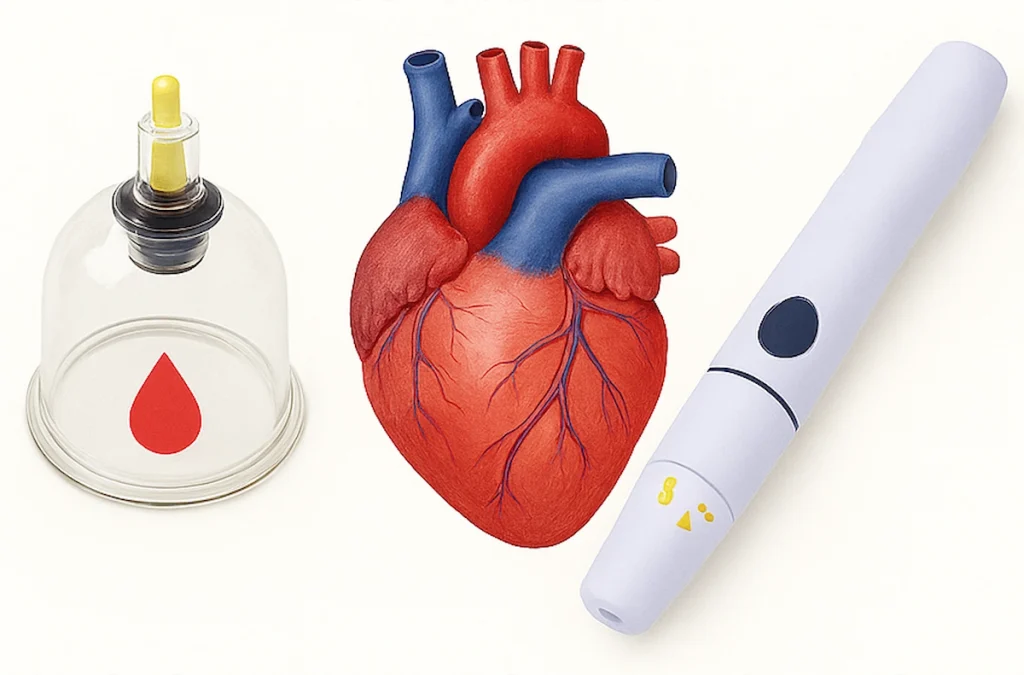
Wet cupping is more than a traditional practice — it’s a biological reset system that helps the body restore circulatory and nervous balance.When performed correctly, it supports heart function, regulates blood pressure, and promotes overall cardiovascular harmony. In this article, we’ll explore how wet cupping benefits the heart through blood circulation, cholesterol management, and autonomic nervous system balance. Understanding the Heart–Circulation Connection The heart is the engine of life — tirelessly pumping blood to deliver oxygen and nutrients throughout the body.However, factors like stress, poor diet, and inactivity can cause the system to lose balance, leading to high blood pressure, cholesterol buildup, and vascular stiffness. Wet cupping acts as a gentle circulatory reset. Through controlled suction and blood release, it helps the body clear stagnation, improve oxygen flow, and restore natural pressure balance. Wet Cupping For Heart Health Illustration Why Circulation Matters for Heart Function Healthy circulation keeps the heart efficient, arteries flexible, and organs well-nourished. When blood flow slows or thickens due to high cholesterol, the heart must work harder, increasing cardiovascular strain over time. Cholesterol and Blood Pressure Regulation Wet cupping functions like a manual reset for your circulatory system.Here’s what happens during a typical session: Suction draws stagnant blood to the surface, gently stretching the skin and underlying vessels. Fresh, oxygen-rich blood flows in, refreshing tissues and supporting organ function. Micro-blockages begin to clear. Clients often describe an instant sense of lightness or mental clarity — as if “something heavy” has been lifted off their shoulders. Vascular pressure normalizes, reducing the strain on the heart and easing circulation. How Wet Cupping Affects Blood Pressure By improving microcirculation and vessel elasticity, wet cupping helps lower peripheral resistance — the root cause of high blood pressure. Cupping for Cholesterol Balance Regular wet cupping may also: Activate liver and lymphatic pathways to process fats efficiently. Reduce oxidative stress in blood vessels. Support mild detoxification, helping the body manage cholesterol naturally. The “Traffic Analogy” — Easy Way to Visualize Imagine your bloodstream as a busy highway: Cholesterol is like slow-moving cars that block the lanes. High blood pressure is like traffic lights stuck on red, causing jams behind them. Wet cupping acts like a gentle street cleaner — clearing the lanes so blood flows smoothly again.Over time, this improves heart efficiency, vessel flexibility, and cardiovascular balance. The Feeling of Lightness After a Session That sense of calm or clarity many people feel post-session is a real sign of circulatory balance returning — the heart no longer fighting against resistance. How Wet Cupping Balances the Cardiovascular System Problem What Happens in the Body How Wet Cupping Helps Naturally High Blood Pressure Arteries stiffen, heart pumps harder Improves circulation, relaxes vessel walls High Cholesterol LDL clogs arteries, increasing plaque risk Enhances liver & lymphatic flow Poor Microcirculation Tissues lack oxygen and nutrients Opens microcapillaries Oxidative Stress Free radicals damage vessels Removes stagnant blood Stress & Nervous Tension Cortisol increases, circulation drops Activates parasympathetic system Cardiovascular Fatigue Heart overworked Gentle circulatory reset Regular Maintenance for the Heart Routine wet cupping — especially once or twice monthly — helps maintain blood flow, manage lipid buildup, and prevent chronic stress from burdening the cardiovascular system. The Autonomic Nervous System and the Heart The autonomic nervous system (ANS) regulates vital functions like heartbeat, blood pressure, and circulation without conscious control (Thayer & Lane, 2000).It has two branches: Sympathetic system — accelerates heart rate and increases pressure. Parasympathetic system — slows the heart and restores balance. When Stress Disrupts the Autonomic Balance Chronic stress overstimulates the sympathetic system, keeping the heart in a “fight-or-flight” state. This constant tension exhausts both the vessels and the mind. Wet cupping helps restore that balance — not by acting directly on the heart, but through neurovascular pathways in the upper back (especially between T2–T5 vertebrae). How Wet Cupping Influences Autonomic Balance 1. Neurovascular Reflex Actication Stimulation near autonomic nerve roots creates a skin–organ reflex, helping reduce sympathetic overactivity and enhance parasympathetic tone. → Result: steadier heart rhythm and calmer pulse. 2. Improved Microcirculation By clearing sluggish capillary blood, cupping promotes oxygen exchange and reduces the heart’s workload — a micro-reset for the cardiovascular system. 3. Restoration of Homeostasis As metabolic waste and tension are released, the brain receives a “safety signal,” shifting from fight-or-flight mode into recovery.→ Result: deeper breathing and lighter chest sensation. 4. Systemic Regulation Cupping sends feedback through the central nervous system, reducing cortisol and raising endorphins — enhancing both circulation and emotional well-being. Wet Cupping Points for Heart Support When performed around the upper back and left chest, wet cupping activates key reflex zones connected to the heart. These points help balance nerve signals, enhance circulation, and ease the muscle tension that often burdens the chest area.It’s a simple yet powerful support for natural cardiovascular balance. Neuro-Reflex Pathway Cupping along T2–T5 stimulates skin–organ reflexes that affect the heart’s rhythm and tone.By calming overactive nerves and boosting parasympathetic activity, it helps restore steady rhythm and emotional ease. Clients often report feeling lighter and more relaxed within minutes. Microcirculation Enhancement Gentle suction improves local blood flow and clears stagnation near the thoracic veins.This process enhances oxygen delivery, supports venous return, and helps the heart work more efficiently. It’s like clearing a narrow stream so water can flow freely again. Reduced Sympathetic Overactivity Calms the cardiovascular centers in the brain, gradually stabilizing blood pressure and stress responses. Modern stress often keeps the body in constant alert mode, raising heart rate and blood pressure. Wet cupping provides a reset signal to the nervous system, easing tension and lowering cortisol levels. As calm returns, both pulse and breathing become more rhythmic Myofascial and Respiratory Benefits Releases tight chest and shoulder muscles, allowing deeper breathing and a sense of relief near the heart area. Cupping on the chest and shoulder area releases tight fascia that restricts breathing and posture. Once tension softens, clients can breathe deeper and feel the chest lighten. Better breathing means better oxygen flow — and a happier heart. Anti-Inflammatory Response
Wet Cupping for Cholesterol and the Link with High Blood Pressure
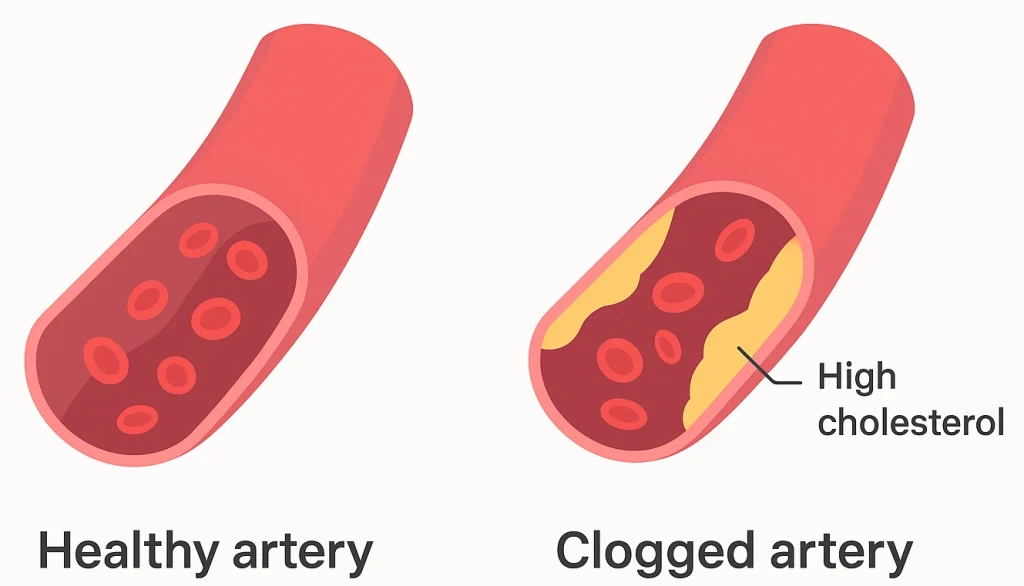
How Wet Cupping Helps Reduce Cholesterol Levels Cholesterol is essential for cell and hormone production, but excess LDL (“bad” cholesterol) can block arteries. Cupping can help regulate cholesterol naturally: Removing Oxidized Fat and Thick Blood. Blood released during cupping often contains higher levels of oxidized cholesterol and triglycerides, suggesting that cupping helps eliminate harmful components. Activating Liver Function. Certain cupping points, particularly near the upper back and liver area, are believed to stimulate liver activity, improving fat metabolism and reducing LDL cholesterol. Balancing Lipid Metabolism. Regular cupping may support a healthier balance of HDL (“good”) and LDL (“bad”) cholesterol. Clients often report improved digestion, higher energy, and lab tests showing reduced total cholesterol. Enhancing Detox Pathways. The suction and slight bleeding stimulate the lymphatic system, helping the body remove fat residues and toxins more efficiently, which supports overall metabolic health. The Connection between High Blood Pressure and High Cholesterol High blood pressure and high cholesterol are close companions — unfortunately, not the friendly kind. When cholesterol accumulates on artery walls, the vessels become narrower and stiffer. The heart must pump harder, causing blood pressure to rise. At the same time, high blood pressure damages the vessel walls further, allowing more cholesterol to stick. This creates a vicious cycle. Cupping offers a gentle, holistic way to break it: improving circulation, reducing inflammation, lowering oxidative stress Helping vessels regain flexibility In essence, cupping doesn’t just treat symptoms — it helps the body return to a healthier internal balance. Learn how wet cupping can naturally support healthy cholesterol levels and blood pressure at home with step-by-step guidance and video tutorials in Wet Cupping for Cholesterol and blood pressure