
Wet Cupping for People Who Can’t Switch Off Their Mind at Night

For many people struggling with insomnia, the problem isn’t just falling asleep — it’s an internal inability to “let go.” The mind races, tension lingers in the upper body, and even when you’re lying down, your nervous system stays alert. Wet cupping therapy offers a unique approach, targeting muscular tension, circulation, and neurological pathways to help the body enter a state conducive to restful sleep. Understanding the Overactive Mind Insomnia often arises from a mismatch between the sympathetic nervous system (responsible for alertness) and the parasympathetic system (responsible for rest). Chronic stress, long work hours, or even excessive screen time can keep the sympathetic system dominant, preventing natural sleep onset. Physiologically, tension in the neck, shoulders, and upper back acts as a continuous “alert signal,” making the body feel unsafe to rest (Thayer et al., 2012). Those who struggle to switch off their mind at night frequently report physical manifestations: tight shoulders, shallow breathing, jaw tension, or a sense of heaviness in the upper body. This tension keeps the nervous system in a loop of vigilance, creating difficulty not just in falling asleep, but also in achieving deep, restorative rest. Insomnia Ilustration How Wet Cupping Helps Wet cupping therapy works on three main levels: Mechanical Release: By drawing out stagnant fluids and softening tight muscles, wet cupping reduces physical restrictions in the neck, shoulders, and suboccipital region. Circulatory Improvement: The therapy stimulates blood and lymphatic flow, delivering oxygen and nutrients to tissues while facilitating detoxification. Neurological Signaling: The sudden release of tension sends a message to the nervous system: “It is safe to relax.” This promotes a downshift in sympathetic activity and activates parasympathetic pathways, preparing the body for sleep (Cao et al., 2012). Targeted points include the mastoid region behind the ears, the C7–T1 neck junction, and the shoulders. These zones correspond to areas where chronic tension accumulates and directly influence the nervous system’s ability to calm down. The Vagus Nerve Connection The vagus nerve plays a central role in sleep regulation, heart rate, and digestive readiness. Upper-body tension can restrict vagal activity, keeping the nervous system in a heightened state. Wet cupping helps relieve this restriction, allowing vagal signals to flow more effectively. As a result, heart rate slows, breathing deepens, and the body moves toward a parasympathetic-dominant state — a natural gateway to sleep (Porges, 2011). Many people describe the sensation post-cupping as “warm, light, and peaceful,” a physiological state that often precedes sleep onset. Frequency and Protocol for Insomnia For chronic insomnia or overactive minds: Initial Phase: One session every 2 weeks can help reduce baseline tension and reprogram nervous system responses. Maintenance Phase: Once improvement stabilizes, sessions may reduce to once every 3–4 weeks. Consistency is key. Regular sessions allow the nervous system to recalibrate and prevent tension from re-accumulating in the upper body. Practical Tip: Complement cupping with gentle stretches and postural exercises for the neck and shoulders. Even 5–10 minutes daily can help maintain muscular relaxation and prevent tension from building overnight. Supporting Lifestyle Habits Wet cupping works best when combined with lifestyle habits that reinforce relaxation: Sleep Environment: Keep your bedroom cool, dimly lit, and free from electronics to support natural melatonin production. Evening Routine: Calm activities like reading, stretching, or warm baths signal the body that it’s time to wind down. Hydration: Proper water intake helps maintain circulation and reduces muscular tension. Diet: Avoid caffeine, alcohol, and sugar before bedtime, which can heighten nervous system activity. Mindfulness Practices: Journaling, meditation, or deep breathing exercises further quiet the mind and nervous system. Together, these habits create a supportive environment for wet cupping therapy to exert its full benefits. Tracking Your Sleep and Progress Documenting each session and your sleep patterns can enhance results: Note the time of session and points treated. Record sleep onset time, quality, and duration. Track energy levels and mood upon waking. Regular tracking helps identify patterns and fine-tune both your cupping protocol and lifestyle adjustments. If racing thoughts keep you awake at night, wet cupping therapy can help reset both body and mind. For detailed instructions, diagrams, and a guided approach, see our book “Wet Cupping for Insomnia at Home”. It provides practical tools to help you calm your nervous system, relax muscles, and finally enjoy deep, restorative sleep.
Recurrent Insomnia from Cervical Stagnation: Wet Cupping Approach
Insomnia can feel like a relentless thief of rest, especially when it keeps returning night after night. While lifestyle, stress, and diet play significant roles, cervical stagnation—chronic tension and restricted circulation in the neck—can be a hidden contributor. Understanding this mechanism and addressing it with wet cupping therapy can help restore restorative sleep. Cervical Circulation and Sleep The upper cervical region, including the C1–C7 vertebrae, suboccipital muscles, and sternocleidomastoid (SCM), is crucial for blood flow, lymphatic drainage, and nerve signaling to the brain. When tension accumulates, circulation slows, and nerve communication is disrupted. This stagnation can: Trigger sympathetic nervous system overactivity, keeping the body alert Reduce parasympathetic activation, which is essential for deep sleep Cause referred pain or discomfort that wakes the individual during the night Research has shown that cervical stiffness and muscle congestion are common in people with recurrent insomnia, making them more susceptible to sleep fragmentation and early awakenings (Kjaer et al., 2012). Wet Cupping Protocol for Neck Tension Wet cupping therapy, when applied to the neck and upper back, addresses both muscular and circulatory stagnation. Key components of an effective protocol include: Target Points: Mastoid region, SCM, upper trapezius, and suboccipital muscles Technique: Clean, sterile cups create controlled negative pressure to draw stagnant blood and fluids to the surface, relieving congestion Session Duration: Typically 5–10 minutes per point, depending on tolerance Frequency: Weekly sessions initially, then adjusted based on response This therapy promotes muscle relaxation, improved microcirculation, and enhanced parasympathetic activity, setting the stage for natural sleep onset. Insomnia and Cervical Stagnation Illustration Gentle Exercises to Maintain Flow After wet cupping, maintaining cervical mobility is critical to prolong benefits and prevent recurrence. Recommended exercises include: Neck rotations: Slowly rotate the head clockwise and counterclockwise to ease stiffness. Chin tucks: Gently pull the chin toward the chest, stretching suboccipital muscles. Shoulder rolls: Relax the upper trapezius and improve blood flow to the neck region. Breathing coordination: Combine gentle stretches with deep, slow breathing to stimulate parasympathetic activation. Even 5–10 minutes of daily practice can maintain cervical circulation and nerve function, reinforcing the effects of wet cupping. Supporting Sleep Hygiene While wet cupping addresses physical stagnation, integrating sleep-promoting habits maximizes results: Consistent Bedtime: Aim to go to bed and wake up at the same time daily to stabilize circadian rhythm. Calm Environment: Dim lighting, cool temperatures, and quiet surroundings encourage parasympathetic dominance. Mindful Pre-Sleep Routine: Meditation, light stretching, or reading reduces sympathetic arousal. Avoid Stimulants: Limit caffeine, nicotine, and heavy meals 3–4 hours before bedtime. Hydration: Balanced fluid intake supports circulation without causing nighttime disruptions. By combining wet cupping with these practices, the internal environment becomes conducive to deep, restorative sleep, reducing the likelihood of insomnia recurrence. H3: Long-Term Benefits and Considerations Regular wet cupping sessions over several weeks can: Reduce neck muscle tension and postural strain Improve cranial blood flow, supporting brain and nervous system function Promote relaxation of the sympathetic nervous system, facilitating faster sleep onset Enhance overall sleep quality, including deeper REM cycles Safety considerations include: Using sterile cups and blades to avoid infection Adjusting suction intensity to minimize bruising Observing the body’s response and spacing sessions according to comfort and results With consistent application, wet cupping transforms from a temporary relief tool into a sustainable strategy for managing recurrent insomnia. Integrating Wet Cupping Into Your Lifestyle To maximize therapeutic effects, incorporate wet cupping into a broader habit-based approach: Track Sleep Patterns: Note sleep duration, quality, and any disturbances to monitor improvements. Combine with Stress Management: Deep breathing, yoga, or mindfulness strengthens parasympathetic tone. Maintain Cervical Mobility: Daily stretches prevent stiffness and stagnation. Nutrition: Magnesium-rich foods, lean protein, and hydration support neuromuscular function and circulation. Evening Routine: Schedule cupping sessions and relaxation exercises in the evening to prime the nervous system for sleep. Many individuals report a clearer mind, lighter neck, and deeper sleep after combining wet cupping with supportive habits. The therapy does not force sleep but rather creates an environment in which the body can self-regulate and re-enter natural sleep cycles. Final Thoughts Recurrent insomnia linked to cervical stagnation is a common yet often overlooked problem. By targeting the neck, mastoid, and suboccipital muscles with wet cupping, circulation improves, muscle tension decreases, and the nervous system shifts toward parasympathetic dominance, facilitating natural sleep. Paired with gentle exercises, proper sleep hygiene, hydration, and stress management, wet cupping becomes a powerful tool for sustainable relief. Over time, this approach empowers the body to self-correct, reduce recurring sleep disturbances, and restore consistent, restorative rest. If your nights feel long and your mind refuses to slow down, you can explore our other insomnia articles. They’re written to help you understand the hidden patterns behind restless sleep and offer small, practical steps you can try tonight.
Wet Cupping for PMS-Triggered Migraines

Migraines linked to hormonal cycles, particularly premenstrual syndrome (PMS), are a common challenge for many women. These migraines often appear a few days before menstruation and are characterized by throbbing pain, sensitivity to light, nausea, and sometimes neck tension. Understanding the hormonal mechanisms behind these migraines and applying targeted interventions like wet cupping therapy can provide significant relief. Hormonal Migraine Mechanisms During the menstrual cycle, fluctuations in estrogen and progesterone influence blood vessel tone and neurological activity. Estrogen, in particular, affects serotonin and nitric oxide pathways, which regulate vascular dilation and pain perception (MacGregor, 2014). As estrogen levels drop just before menstruation, blood vessels in the brain may constrict or react abnormally, triggering migraine pain. Additionally, hormonal changes can increase cervical and upper back tension, further amplifying migraine signals. Tight muscles, particularly in the SCM, trapezius, and suboccipital regions, can exacerbate pain radiating to the temples and eyes. PMS-triggered migraines are therefore a combination of hormonal fluctuations and musculoskeletal factors, making a multifaceted approach like wet cupping particularly effective. Premenstrual Migraine Cupping Points for Relief Targeted wet cupping therapy can address both the muscle tension and vascular congestion associated with PMS migraines. Key points include: Mastoid Points: Located behind the ears, these points influence venous outflow from the cranial area, reducing pressure in the temples and eyes. SCM Points: Running along the side of the neck, the SCM connects the sternum and clavicle to the mastoid process. Releasing tension here alleviates referred pain toward the head and eyes. Upper Trapezius: This muscle often becomes tight due to stress and posture changes during PMS. Cupping improves blood flow and reduces stiffness. Suboccipital Region: The small muscles at the base of the skull are frequent contributors to migraine onset. Cupping helps relax these muscles and improve neurological signaling. The combination of these points not only reduces immediate migraine intensity but also enhances circulation and lymphatic drainage, which can prevent migraines from escalating. Complementary Lifestyle Adjustments While wet cupping addresses acute tension and vascular irregularities, lifestyle modifications are essential to reduce PMS migraine frequency: Hydration: Staying well-hydrated supports optimal blood flow and reduces vascular constriction that can trigger migraines. Magnesium-Rich Foods: Magnesium helps relax smooth muscles and supports neurological function. Include almonds, spinach, pumpkin seeds, and avocados. Regular Exercise: Light to moderate exercise improves circulation and reduces muscular tension, helping to stabilize migraine triggers. Sleep Hygiene: Consistent sleep patterns can regulate hormonal cycles and reduce stress on the nervous system. Stress Management: Techniques like relax, deep breathing, can reduce sympathetic nervous system overactivation, which is often heightened during PMS. Integrating these habits enhances the therapeutic effects of wet cupping, allowing the body to respond more effectively to treatment. How Wet Cupping Supports Hormonal Balance Wet cupping doesn’t directly alter estrogen or progesterone levels but works indirectly by reducing muscular tension, improving blood flow, and calming the nervous system. These effects help: Reduce the amplitude of pain signaling from the neck to the head Promote parasympathetic dominance, which counteracts stress-related sympathetic spikes Improve circulation and oxygen delivery to cranial tissues Together, these physiological benefits create a more stable internal environment, which makes hormonal fluctuations less likely to trigger severe migraines. Frequency and Safety For PMS-triggered migraines, many practitioners recommend weekly wet cupping sessions during the luteal phase (the week before menstruation). This timing targets the period of highest hormonal fluctuation, reducing the severity and frequency of migraines. Safety tips include: Using sterile cups and blades to minimize infection risk Limiting suction intensity to avoid bruising Observing the body’s response and adjusting frequency as needed Combining therapy with light stretching or neck mobility exercises Integrating Wet Cupping Into Your Routine To maximize benefits, combine wet cupping with habit-based lifestyle adjustments: Track your menstrual cycle and anticipate PMS-related migraines Schedule wet cupping sessions ahead of the expected migraine window Maintain daily hydration, magnesium intake, and gentle exercise Practice relaxation techniques and mindful breathing during high-stress days Many women report that with consistent cupping and supportive habits, PMS migraines become less intense, shorter in duration, and easier to manage. The therapy doesn’t replace medical care but serves as a natural, evidence-informed adjunct. Final Thoughts PMS-triggered migraines are a multifactorial issue, influenced by hormones, muscle tension, and circulation patterns. Wet cupping therapy, when applied to mastoid, SCM, trapezius, and suboccipital points, helps restore blood flow, reduce tension, and signal the nervous system to relax. By pairing this therapy with hydration, nutrition, sleep, and stress management, women can experience meaningful relief and improved quality of life. With a proactive approach, migraines no longer have to dictate your premenstrual days—they can become manageable, predictable, and significantly less disruptive. You can explore our other migraine guides to understand triggers, patterns, and simple steps that actually help your body stay balanced throughout the cycle.
Wet Cupping for Digestive Health
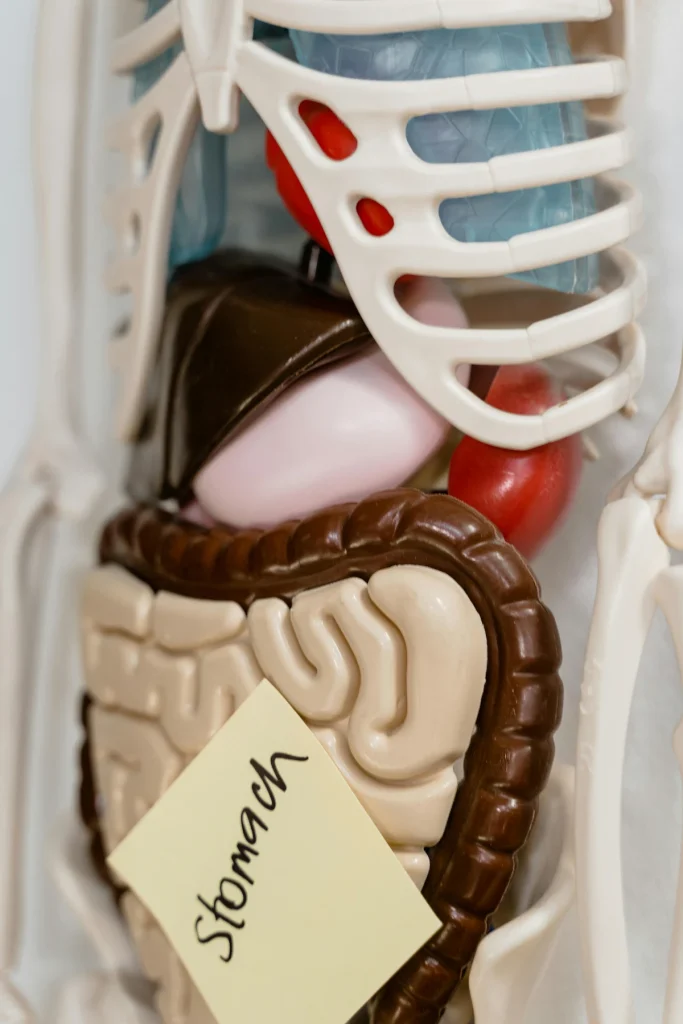
Digestive problems—such as bloating, sluggish metabolism, or irregular bowel movement—are among the most common modern health complaints. While medications can help control symptoms, many people seek deeper, long-term balance. Wet cupping, an ancient practice of drawing small amounts of stagnant blood to the surface, has been traditionally used to support internal organ function, including the digestive system. Modern understanding of wet cupping digestion now combines physiology and traditional observation: improving local blood flow may help restore organ vitality, reduce systemic inflammation, and ease stress-related digestive discomfort. How Blood Flow Influences Digestive Function The digestive system relies heavily on proper circulation. Every step—from stomach acid secretion to nutrient absorption—depends on efficient blood supply. When circulation slows, tissues receive less oxygen and nutrients, leading to fatigue, bloating, or sluggish digestion. Wet cupping supports the body’s natural regulation of blood flow through two mechanisms: Microcirculatory activation: By gently drawing stagnant or deoxygenated blood from surface capillaries, new oxygenated blood is recruited to the region. Autonomic balance: The mild suction effect also relaxes the nervous system, reducing sympathetic “stress” dominance that can suppress digestion. Historically, practitioners observed that cupping on the back, shoulder, or abdominal regions could reduce bloating, enhance appetite, and promote smoother bowel movement. Though scientific evidence is still emerging, the physiological model—better blood flow equals better organ function—remains consistent with current circulatory understanding. Digestive System illustration Cupping Points for Gut Support Wet cupping points for digestive care often focus on improving circulation around the upper and middle back, where major nerves and vessels influencing the stomach and intestines are located. Upper back (T6–T9 region): Traditionally linked to stomach and liver function. Mid-back (T10–T12): Associated with intestinal and pancreatic support. Lower abdomen (below the navel): Occasionally used by experienced practitioners to ease bloating or menstrual discomfort. These areas are chosen not randomly but based on both anatomical and reflexology maps—helping the body regulate tension and energy flow that affects digestion. Complementary Dietary Approaches For best results, wet cupping should be supported by mindful nutrition and hydration. The days following a session are ideal for light, natural foods that assist the body’s detox and recovery phase. Recommended steps include: Hydrate adequately: Water aids circulation and helps flush metabolic waste. Eat warm, simple meals: Soups, steamed vegetables, and lightly cooked grains are easier to digest post-cupping. Avoid heavy or processed foods: Deep-fried and high-fat meals can burden the system during its natural rebalancing phase. Include digestive herbs: Ginger, fennel, and peppermint may complement the effects of cupping by reducing gas and supporting gut motility. Some practitioners also suggest gentle use of natural oils such as black seed oil or olive oil on the abdomen to support local circulation—especially for individuals prone to abdominal coldness or tension. Safety and Timing Guidelines Wet cupping for digestive health should always be performed by a trained practitioner under sterile conditions. Since the abdominal region is highly vascular, precision and moderation are key. Timing: Avoid cupping immediately after meals. The ideal window is 3–4 hours post-eating or early in the morning before breakfast. Frequency: For general digestive support, sessions every 2–4 weeks are sufficient. Sterility and care: Use sterile equipment, and clean the skin with mild antiseptic before and after cupping. Aftercare: Apply gentle natural oils—such as virgin coconut, olive, or diluted tea tree oil—to soothe the skin and prevent irritation. Medical collaboration: Individuals with ulcers, anemia, or chronic intestinal disease should consult a healthcare provider before treatment. Wet cupping is not a replacement for medical diagnosis or urgent care, but rather a complementary method to help the body function more efficiently. The Circulatory Link Between Mind and Gut Growing evidence suggests that stress, circulation, and gut health are interconnected through the gut–brain axis. By enhancing local blood flow and calming the nervous system, wet cupping digestion practices may help relieve tension that contributes to indigestion and stress-related bloating. The result is not merely symptom relief, but a subtle recalibration of how the body manages energy and inflammation—an approach that has sustained traditional medicine for centuries and is now finding renewed relevance in holistic health systems. Explore how wet cupping combined with proper hydration may help relieve severe constipation—learn more in our article.
Wet Cupping for Women’s Menstrual Pain

For centuries, wet cupping—also known as hijama or bekam—has been used by women to relieve menstrual discomfort, hormonal imbalance, and chronic fatigue. While modern medicine offers painkillers and hormonal therapies, many women are now exploring natural, non-pharmacological ways to restore body balance. Wet cupping provides a unique approach by improving circulation, easing pelvic tension, and supporting the body’s natural detox process. How Hormonal and Circulatory Balance Affects Women’s Health The female body goes through continuous cycles of hormonal change. Each month, fluctuations in estrogen and progesterone influence not only mood and energy, but also blood viscosity and circulation in the pelvic area. When this circulation becomes sluggish—often due to stress, sedentary lifestyle, or inflammation—women may experience cramping, bloating, headaches, or irregular cycles. Wet cupping works by gently drawing out stagnant or congested blood, allowing fresh, oxygenated blood to flow more freely. This physiological reset often brings a sense of lightness and warmth to the lower abdomen, which many women describe as natural relief from premenstrual or menstrual pain. Several studies in Complementary Therapies in Medicine and Journal of Obstetrics and Gynaecology Research have suggested that cupping can help reduce muscle tension, stimulate blood flow, and decrease inflammatory markers—factors closely linked to menstrual pain and fatigue. Women’s mentrual pain ilustration Cupping Points for Menstrual Support Practitioners often apply wet cupping on specific areas that influence reproductive and circulatory health. Commonly used points include: Lower back and sacral region (BL23–BL32) — to improve pelvic blood flow and relieve cramping. Lower abdomen — helps release congestion and promote uterine balance. Inner thighs or calf areas — to support systemic circulation and lymphatic drainage. Shoulder and upper back — to relax overall muscle tension and calm the nervous system. These points are chosen based on both traditional knowledge and modern anatomy. The goal is not only to relieve local pain, but to reconnect body systems—hormonal, circulatory, and neurological—into a more harmonious rhythm. Complementary Lifestyle and Nutritional Approaches To enhance the effects of wet cupping, women can combine it with simple yet effective lifestyle adjustments: Hydration and iron balance: Regular cupping releases small amounts of blood, so proper hydration and iron-rich foods (like lentils, spinach, or fish) are essential. Anti-inflammatory diet: Omega-3s, whole grains, and green vegetables help reduce systemic inflammation. Mind–body relaxation: Practices such as deep breathing, relax position support hormonal balance and reduce pain sensitivity. Sleep and recovery: Hormonal regulation improves most efficiently during deep, restorative sleep. When combined with these habits, cupping sessions can help the body reset its natural rhythm, rather than just masking symptoms. Safety and Timing Considerations Wet cupping for women’s health should always be performed by a trained professional familiar with the female physiology and menstrual cycle. The ideal time for treatment is typically after menstruation, when the body is ready for gentle detoxification and renewal.Avoid cupping during active bleeding days, pregnancy, or severe anemia. Each session should use sterile equipment, single-use cups, and precise technique to ensure comfort and safety. After the procedure, resting and staying hydrated for 24 hours helps the body recover smoothly. Restoring Balance, Naturally Wet cupping offers women a natural, body-centered way to reconnect with their health. Rather than focusing solely on pain management, this ancient method supports the root cause—circulatory stagnation and hormonal imbalance. As more women across Europe and North America explore holistic self-care, cupping is finding new relevance as a bridge between traditional wisdom and modern science. Get the free at-home wet cupping tutorial — an easy-to-follow e-book with videos, featuring the 5 essential points every wet cupping practitioner must know — inside Natural Reset: Modern Wet Cupping Made Simple.
How Wet Cupping Affects Hormonal Balance

Hormonal balance plays a crucial role in energy, mood, sleep, and reproductive health. When hormones fluctuate, the body’s equilibrium can easily shift—leading to fatigue, irritability, irregular cycles, or reduced vitality.Wet cupping, an ancient technique known as hijama in Arabic and bekam in Southeast Asia, has been practiced for centuries to support the body’s natural self-regulating systems. While modern medicine focuses on pharmacological intervention, wet cupping offers a circulatory approach that indirectly influences the endocrine system — the network of glands responsible for hormone production and regulation. The Link Between Circulation and Hormonal Function The endocrine system depends on healthy circulation to deliver hormones efficiently to target organs and tissues. When blood flow becomes sluggish, nutrient delivery and hormone transport can slow down as well.Wet cupping improves microcirculation by gently removing stagnant blood and allowing fresh, oxygen-rich blood to flow more freely through the capillaries. This increased perfusion can help normalize tissue oxygenation, reduce localized inflammation, and create a more favorable internal environment for hormonal balance. Some practitioners observe that patients experience more stable moods, better sleep, or improved menstrual regularity after a few cupping sessions. While these effects vary from person to person, they align with the body’s natural response to improved circulation and reduced stress load. Hormonal Imbalance Metaphor Cupping Points and Endocrine Pathways Strategic placement of cups may influence certain physiological zones connected to hormonal activity. Commonly targeted regions include: Upper back and shoulders — areas near the adrenal and thyroid reflex zones, believed to help regulate stress and metabolism. Lower back and abdomen — regions associated with reproductive and pelvic circulation. Neck and occipital areas — may support neuro-hormonal regulation through relaxation of the cervical muscles and improved blood supply to the hypothalamic region. These traditional placements align with modern understanding of how blood flow and nervous system regulation interact with endocrine functions. Though cupping doesn’t replace medical treatment for hormonal disorders, it can complement lifestyle and stress-management efforts that support glandular balance. Gender-Specific Observations For women, wet cupping is often used to ease symptoms related to premenstrual tension or irregular cycles by improving pelvic circulation and relieving lower back pressure. For men, sessions are sometimes focused on the upper back or shoulders to reduce muscular stiffness and support adrenal function, which can influence energy and testosterone regulation. In both cases, improved circulation and reduced oxidative stress may contribute to more consistent hormonal rhythms. Stress, Inflammation, and Hormonal Imbalance Chronic stress and systemic inflammation are two of the most common disruptors of hormonal health. Elevated cortisol — the primary stress hormone — can suppress reproductive and thyroid hormones while increasing fatigue and mood swings.Wet cupping’s relaxation effect, combined with the mild anti-inflammatory response that follows controlled microbleeding, may help lower overall stress burden. This helps the hypothalamic–pituitary–adrenal (HPA) axis function more smoothly — a key regulator of hormonal homeostasis. Some pilot studies and clinical observations suggest that cupping may reduce markers of oxidative stress and modulate inflammatory cytokines, both of which play roles in hormonal regulation. While more research is needed, these findings offer an empirical foundation for cupping’s systemic impact. Integrating Wet Cupping into Holistic Hormonal Care For individuals managing hormonal imbalance, wet cupping can be part of a broader wellness plan that includes: Balanced nutrition and hydration Regular physical activity Mindfulness or stress-reduction practices Sufficient sleep and circadian rhythm stability Cupping should always be performed by a trained practitioner, especially for clients with endocrine conditions or those taking medication. Proper hygiene, gentle technique, and correct aftercare are essential for safe integration. Key Takeaway Wet cupping doesn’t “control” hormones directly—but by improving circulation, reducing stress, and supporting the body’s natural detox and recovery systems, it may indirectly enhance hormonal harmony.Whether addressing fatigue, irregular cycles, or general vitality, this time-tested practice offers a holistic bridge between traditional body balance and modern endocrine understanding. With proper technique and professional guidance, wet cupping can become a meaningful ally in restoring the body’s rhythm—naturally, safely, and empathetically. Get the free at-home wet cupping tutorial — an easy-to-follow e-book with videos, featuring the 5 essential points every wet cupping practitioner must know — inside Natural Reset: Modern Wet Cupping Made Simple.
Wet Cupping for Detox and Lymphatic Support
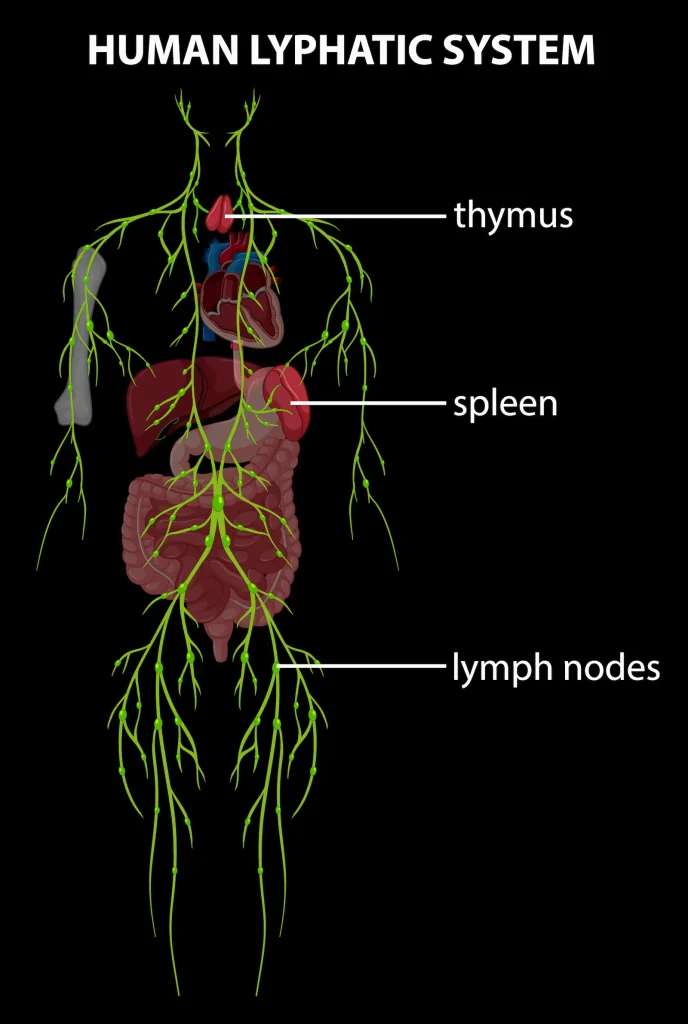
In recent years, “detox” has become a buzzword — often associated with juice cleanses or miracle diets. But traditional wet cupping takes the concept much deeper.For centuries, practitioners have used it to help the body release stagnant fluids and restore balance in circulation.Modern research now suggests that these effects may relate not to mythical “toxins,” but to measurable changes in microcirculation, lymphatic flow, and metabolic waste clearance. What ‘Detox’ Really Means in the Body The human body naturally performs detoxification every second. The liver, kidneys, skin, and lymphatic system continually process and eliminate metabolic byproducts — such as urea, lactic acid, and oxidized proteins. However, poor circulation, chronic stress, and sedentary habits can slow these processes. When blood and lymph flow become sluggish, metabolic residues accumulate in tissues, causing: Persistent fatigue Stiff muscles Dull skin tone A general feeling of heaviness Traditional wet cupping — known as hijama in Arabic and bekam in Southeast Asia — was historically described as a way to remove “bad blood” or “stagnation.”Modern physiology interprets this not as removing poison, but as stimulating the body’s natural waste-removal systems. How Wet Cupping Supports Microcirculation The suction created by cupping pulls blood toward the skin’s surface, expanding capillaries and small lymphatic vessels.When light incisions are made, a small amount of old, deoxygenated blood — often rich in cellular debris and oxidized compounds — is released. Scientific studies suggest that: Local suction increases capillary perfusion and oxygen delivery. Controlled bloodletting can reduce oxidative stress markers in nearby tissues. The healing response afterward triggers angiogenesis (new microvessel formation), improving long-term circulation. In essence, wet cupping gives a manual restart to regions where circulation has stagnated, helping tissues regain their natural turnover rhythm. The Lymphatic Connection The lymphatic system is the body’s silent cleaner — a network of vessels that carries excess fluid, immune cells, and waste products away from tissues.Unlike the heart, the lymph system has no pump; it depends on muscle movement, breathing, and pressure gradients.When lymph flow slows, waste can accumulate, leading to swelling, inflammation, or sluggish immunity. Cupping therapy may help by: Creating negative pressure that gently mobilizes lymph flow Reducing interstitial congestion (fluid trapped in soft tissue) Supporting immune cell transport and inflammatory balance Some clinical studies using thermography and ultrasound imaging show improved lymphatic drainage and faster resolution of localized inflammation after cupping.While more controlled trials are needed, these findings align with centuries of observational use. Lympathic System Illsutration Why Cupping Feels ‘Lightening’ Many people describe feeling “lighter” or “cleaner” after a session.This isn’t mystical — it’s likely due to redistribution of fluids and increased parasympathetic activity (the body’s “rest and digest” mode).By releasing muscular and vascular tension, wet cupping may help normalize blood viscosity and reduce localized edema, allowing the body to process metabolic waste more efficiently. Safe and Evidence-Based Detox Practices Wet cupping should never replace medical detoxification or emergency care.However, as a complementary wellness practice, it may support: Post-exercise recovery Chronic fatigue and muscle stiffness Circulatory sluggishness from long sitting or poor posture To practice safely: Hydrate well before and after the session. Avoid heavy meals or alcohol within 6 hours before treatment. Allow 48–72 hours between sessions for tissue recovery. Ensure all tools are sterile and disposable. It’s also advisable to consult a qualified practitioner who understands both anatomy and contraindications — for example, avoiding cupping on varicose veins, open wounds, or areas with poor skin integrity. Beyond “Toxin Removal” — Restoring Balance Scientific language may differ from traditional metaphors, but the underlying aim is similar: to restore flow where stagnation builds up.Instead of seeing detox as extracting poison, modern understanding frames wet cupping as: Improving microvascular exchange (oxygen, nutrients, and metabolites) Enhancing lymphatic clearance Supporting the body’s own detox organs indirectly through better circulation This is why the sensation after treatment is often described as “clarity” or “lightness” — the body is functioning closer to equilibrium. The Takeaway — Detox Is Circulation True detox isn’t about purging toxins. It’s about keeping your circulatory and lymphatic systems dynamic.Wet cupping offers a time-tested, observation-backed method to do just that — by targeting areas where flow slows, releasing mechanical tension, and encouraging natural drainage. In modern terms, wet cupping can be seen as a microcirculatory reset, not a miracle cleanse — but one grounded in both tradition and physiology. Get the free at-home wet cupping tutorial — an easy-to-follow e-book with videos, featuring the 5 essential points every wet cupping practitioner must know — inside Natural Reset: Modern Wet Cupping Made Simple.
Wet Cupping for Acne and Skin Health
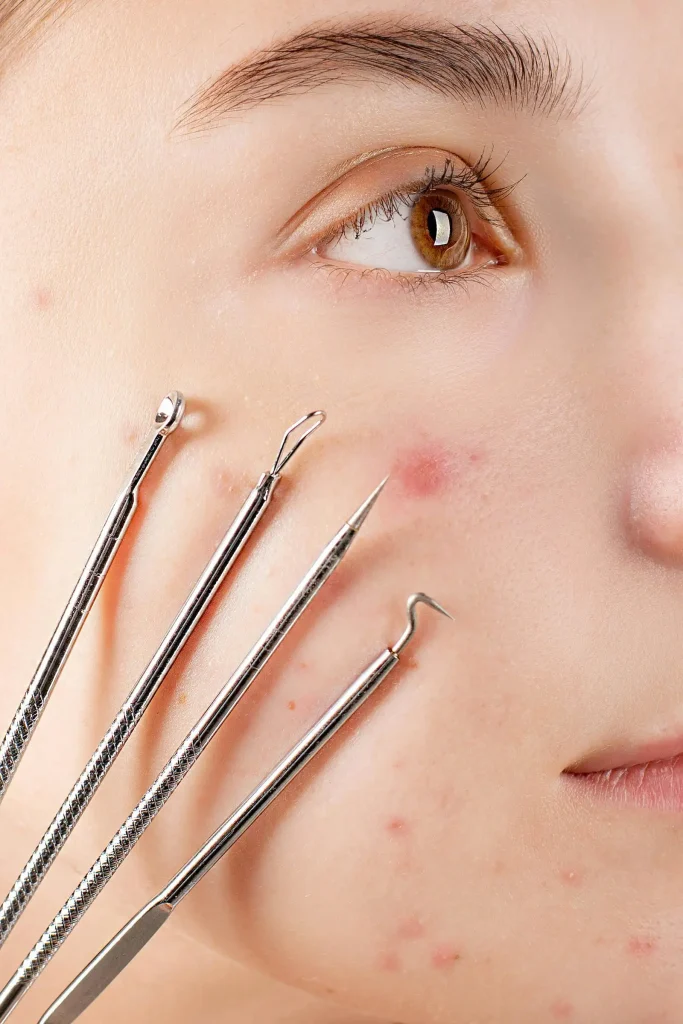
Clear, glowing skin isn’t just cosmetic — it reflects the health of circulation, metabolism, and inflammation in underlying tissues. Traditional wet cupping, or hijama/bekam, has long been used in various cultures to promote wellness, and modern observations suggest that it may influence skin health through improved microcirculation and localized detoxification. How Microcirculation Impacts Skin Health Acne, as hormonal imbalance Effect Skin receives nutrients and oxygen through capillaries in the dermis. When circulation is sluggish due to tension, inflammation, or stress, skin cells may not get sufficient oxygen, and metabolic waste can accumulate. This can manifest as: Dull complexion Slow wound healing Inflammatory skin conditions, including acne Wet cupping temporarily draws blood toward the skin surface, expanding capillaries and stimulating local circulation. This can: Increase nutrient and oxygen delivery to skin cells Help remove localized metabolic byproducts Support natural repair processes In essence, what traditional medicine described as “removing stagnant blood” aligns with measurable microvascular benefits. Effects on Acne and Sebum Balance Acne is influenced by excess sebum, clogged pores, inflammation, and bacterial activity. While wet cupping does not directly target sebaceous glands, it may contribute indirectly: Enhanced detoxification: By improving microcirculation and lymph flow, cupping helps clear local metabolic waste and inflammatory mediators, reducing the skin’s inflammatory load. Anti-inflammatory effect: Local suction and controlled bloodletting may trigger mild immune and repair responses, calming inflammation that exacerbates acne lesions. Hormonal and stress modulation: Some studies suggest cupping can reduce tension and promote relaxation, which may indirectly influence hormonal factors affecting sebum production. Traditional practitioners often combine wet cupping with herbal topical treatments (like black seed or olive oil) to support tissue healing and sebum regulation. Complementary Skincare Practices For best results, cupping should be part of a holistic skin routine: Gentle cleansing: Avoid harsh scrubs that irritate the skin post-cupping. Natural oils: Virgin coconut oil, argan oil, or diluted tea tree oil can soothe skin, maintain elasticity, and aid in clearing cupping marks. Hydration: Drinking water helps microcirculation and lymphatic function. Dietary balance: Adequate protein, antioxidants, and low glycemic load foods support skin metabolism. These practices enhance the circulatory and metabolic effects initiated by cupping. Safety Considerations for Skin Cupping Skin health-focused cupping must be carefully performed: Avoid cupping on active, open acne lesions or irritated skin to reduce infection risk. Ensure sterile cups and lancets for wet cupping. Limit session duration and suction strength to prevent bruising beyond cosmetic marks. For sensitive skin, practitioners may combine dry cupping in adjacent areas with wet cupping on safe zones. Proper aftercare ensures the skin recovers safely and maximizes the benefits of improved microcirculation. Integrating Wet Cupping with Modern Dermatology While modern dermatology provides topical and pharmacologic treatments for acne, wet cupping may serve as a complementary approach for individuals seeking traditional or integrative methods. Its effects on circulation, detoxification, and tissue repair align with modern concepts of skin metabolism and inflammatory modulation. Importantly, wet cupping should not replace conventional medical advice for moderate to severe acne, cysts, or systemic skin disorders. Takeaway — Circulation as Skin’s Secret Weapon Wet cupping promotes skin health primarily by enhancing local blood and lymph flow, supporting tissue detoxification, and reducing inflammation.Acne and dullness often reflect underlying circulation and metabolic inefficiencies — areas where wet cupping can contribute. When combined with proper hygiene, hydration, natural oils, and a healthy lifestyle, cupping can help the skin look and feel more resilient — a modern interpretation of centuries-old practice. If you’re ready to understand wet cupping on a deeper, more practical level, visit our Bookstore. You’ll get a free foundational eBook complete with video guidance — plus a collection of comprehensive wet cupping books designed to help you learn with confidence.
Wet Cupping for Immune Support: Strengthening Your Body Naturally

Maintaining a strong immune system is essential for overall health and resilience against infections, inflammation, and chronic conditions. Many people seek natural methods to enhance immunity, complementing vaccinations, nutrition, and exercise. Among these approaches, wet cupping has emerged as a complementary therapy with potential benefits for immune regulation and circulatory health. Unlike dry cupping, which primarily enhances superficial circulation and relieves muscular tension, wet cupping involves controlled microbleeding. This process is believed to improve microcirculation, lymphatic flow, and blood detoxification, all of which play key roles of wet cupping for immune support. How Wet Cupping Influences Immunity Traditional medicine considers stagnant blood and blocked energy flow as factors that compromise the body’s natural defense mechanisms. By mobilizing stagnation and improving circulation, wet cupping may help the body respond more efficiently to internal and external stressors. From a physiological perspective, wet cupping can: Enhance lymphatic circulation, aiding in the removal of toxins and supporting immune surveillance Promote microcirculation, delivering oxygen and nutrients to tissues and immune cells Reduce localized inflammation, potentially lowering chronic inflammatory markers that impair immune function Modulate stress responses, which can indirectly improve immunity, as chronic stress suppresses the immune system These effects suggest that wet cupping may support the body’s natural immune defenses, complementing a healthy lifestyle and medical guidance. Preparing for Immune-Boosting Sessions Preparation is important to maximize the benefits of wet cupping: Hydration – Adequate water intake supports circulation, lymphatic drainage, and detoxification processes. Light Nutrition – Patients should avoid heavy meals immediately before the session but may have a light snack to maintain comfort. Comfortable Environment – A calm, quiet, and clean space enhances relaxation and reduces stress, reinforcing immune-supportive effects. Mental Readiness – Encouraging patients to focus on wellness goals and stress reduction can amplify the holistic benefits of the therapy. Proper preparation ensures that wet cupping is both safe and effective. Step-by-Step Session for Immune Support A typical wet cupping session aimed at enhancing immunity involves: Initial Stimulation – Light massage or dry cupping on areas prone to tension, including the back, shoulders, and upper chest, to stimulate circulation. Cup Placement – Cups are applied to strategic points along the back, particularly near the spine and lymphatic pathways, to promote detoxification and immune modulation. Controlled Microbleeding – Superficial incisions allow minimal blood release, which may help mobilize stagnant blood and improve oxygenation. Monitoring – Suction strength and duration are carefully adjusted to minimize discomfort and prevent excessive bruising. Aftercare – Treated areas are cleansed and may be treated with natural oils like VCO or olive oil to support healing and reduce irritation. Sessions typically last 20–30 minutes, during which most patients report a sense of warmth, relaxation, and lightness in targeted areas. Normal Reactions and Recovery Temporary side effects may include mild redness, light bruising, or tenderness at the cup sites. Some patients notice increased urination or mild fatigue, reflecting the body’s natural detoxification processes. These effects are usually temporary and resolve within a few days. Hydration, gentle stretching, and rest post-session help optimize recovery and immune-supportive benefits. Integrating Wet Cupping Into a Holistic Immune Plan Wet cupping is most effective when combined with other immune-supportive strategies, including: Balanced nutrition, emphasizing a variety of fruits, vegetables, whole grains, and protein-rich foods to provide essential vitamins, minerals, and antioxidants that strengthen immune cell function. Regular exercise, which enhances circulation, supports lymphatic flow, and promotes detoxification, all key factors in a robust immune system. Stress management, through meditation, mindfulness, deep-breathing exercises, or other relaxation practices, since chronic stress can suppress immune responses. Adequate sleep, which is critical for immune regulation, cellular repair, and maintaining hormonal balance. By combining wet cupping sessions with these holistic lifestyle approaches, individuals can experience amplified wet cupping for immune support, helping the body respond more effectively to internal and external stressors. This integrative approach not only boosts overall resilience but also promotes sustained long-term immune health, improved vitality, and enhanced well-being. If you’re ready to understand wet cupping on a deeper, more practical level, visit our Bookstore. You’ll get a free foundational eBook complete with video guidance — plus a collection of comprehensive wet cupping books designed to help you learn with confidence.
Wet Cupping for Migraines and Tension Headaches

Migraines and tension-type headaches affect millions of people worldwide, often interfering with daily life and productivity. While medications like NSAIDs, triptans, and preventive drugs are common, many patients seek natural alternatives that address underlying circulatory or muscular issues. Wet cupping has emerged as a popular complementary therapy globally, for its potential to relieve pain, improve blood flow, and reduce muscle tension. Additionally, this therapy may support nervous system balance, promote relaxation, and enhance overall well-being, making it a holistic option for those looking to complement conventional headache management strategies. Understanding Headache Triggers and Circulatory Patterns Headaches can stem from various causes, including vascular changes, muscle tightness, and nervous system imbalances. Tension headaches often originate from tight muscles in the neck, shoulders, and scalp, which restrict blood flow and increase pain signaling. Migraines, while more complex, can involve vascular constriction followed by dilation, triggering throbbing pain. From a traditional medicine perspective, these areas may also harbor stagnant blood, contributing to inflammation, localized pressure, and overall discomfort. Wet cupping targets specific points in the upper back, neck, and shoulders to mobilize circulation, improve oxygen delivery, and reduce stagnation, potentially easing both tension and migraine symptoms while supporting the body’s natural self-regulation and recovery processes. How Wet Cupping Reduces Muscle Tension and Inflammation Wet cupping for migraines and tension headaches works through a combination of suction and controlled microbleeding. Suction draws the skin and underlying tissues upward, stretching tight muscles and enhancing local blood flow and oxygenation. Small amounts of blood removed during wet cupping are thought to release metabolic waste and inflammatory mediators, supporting the body’s natural healing process. Physiological effects include improved microcirculation, reduced muscle spasm, and modulation of nerve activity. By targeting areas commonly associated with headache triggers, wet cupping can alleviate pressure on nerves and decrease pain perception, offering a drug-free alternative for headache relief. In addition, the therapy may promote relaxation, reduce localized tension in the scalp, neck, and shoulders, and enhance lymphatic drainage. Regular sessions can contribute to overall stress reduction, improved energy levels, and a sense of well-being, complementing other healthy lifestyle practices for sustained headache management. Safe Points and Protocols for Head Treatments Practitioners often focus on the upper trapezius, suboccipital region, and shoulder blades, where muscular tension frequently accumulates, creating localized pressure and contributing to headache or migraine triggers. Treatments should always be performed by trained professionals, following strict hygiene standards, precise cup placement, and controlled bleeding protocols to minimize risk. Proper assessment, individualized session duration, and patient monitoring are essential to ensure safety and maximize therapeutic benefits, while integrating gentle stretching, posture guidance, and relaxation strategies can further enhance outcomes and support long-term headache prevention. Session duration typically ranges from 10 to 20 minutes per area, with frequency adjusted based on patient response. Combining cupping with gentle stretching, posture correction, and relaxation techniques can enhance outcomes and reduce recurrence of headaches. Additionally, practitioners may assess surrounding muscle groups and connective tissue to identify hidden tension patterns, ensuring a comprehensive approach. Patients are encouraged to maintain adequate hydration and practice mindful body awareness between sessions, supporting circulation, recovery, and long-term resilience against migraine and tension-type headaches. Complementary Lifestyle Approaches While wet cupping can provide immediate relief, long-term headache management benefits from a holistic approach. Adequate hydration, proper sleep, ergonomic work setups, and stress-reduction strategies such as gratitude practices, mindful breathing, or gentle relaxation routines can complement the therapy. Additionally, maintaining a balanced diet, taking short breaks during work, and engaging in light physical activity can further support circulation and reduce tension. Integrating wet cupping into this broader framework helps restore balance, reduces dependence on medication, and promotes overall well-being, energy, and resilience for daily life. Get the home wet cupping for migraine tutorial — an easy-to-follow e-book with videos, featuring the 7 essential points for migraine relief — inside Modern Wet Cupping for Migraine Relief Book.
Wet Cupping for Musculoskeletal Pain: A Natural Relief Method
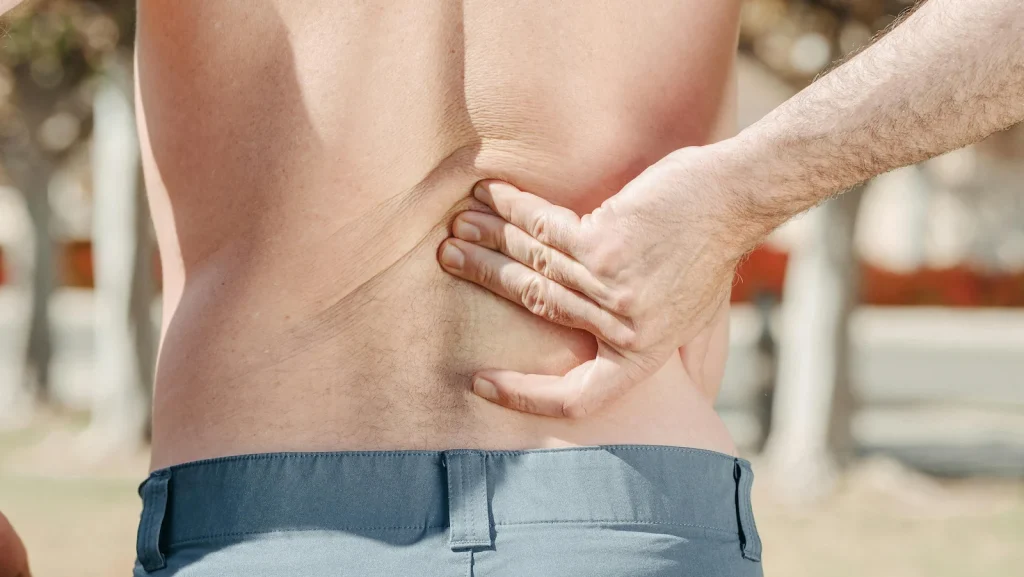
Musculoskeletal pain — including back pain, shoulder tension, and joint discomfort — is one of the most common health concerns worldwide, affecting people across all age groups and occupations. Sedentary lifestyles, repetitive movements, poor posture, and aging contribute to chronic pain that affects daily activities and quality of life. While conventional treatments such as analgesics, physical therapy, and exercise programs are widely used, many individuals seek complementary approaches for natural pain relief. Wet cupping for Musculoskeletal Pain has emerged as a viable option, offering targeted relief through controlled microbleeding and suction. Unlike dry cupping, which primarily improves superficial circulation and relieves muscle tension, wet cupping involves small, superficial incisions that allow blood release, which may enhance microcirculation, oxygenation, and tissue recovery. This combination of mechanical and physiological effects can directly address the underlying factors contributing to musculoskeletal discomfort. How Wet Cupping Relieves Musculoskeletal Pain Traditional medicine often attributes musculoskeletal pain to stagnant blood, energy blockages, or localized tension. Wet cupping is designed to mobilize stagnant blood, promote circulation, and reduce muscle stiffness. Physiologically, wet cupping may: Enhance microcirculation, delivering oxygen and nutrients to affected muscles and joints Reduce localized inflammation, which is a key contributor to chronic musculoskeletal pain Release muscular tension, particularly in areas such as the neck, shoulders, and lower back Stimulate parasympathetic activity, promoting relaxation and reducing pain perception Through these mechanisms, wet cupping can provide both immediate relief and longer-term improvements in musculoskeletal function. Preparing for a Musculoskeletal Pain Session Proper preparation ensures a safe and effective session: Hydration – Drinking sufficient water supports circulation, facilitates detoxification, and helps prevent dizziness. Light Nutrition – Avoiding heavy meals ensures comfort and prevents nausea during treatment.Comfortable Environment Comfortable Environment – A quiet, clean, and well-ventilated space with minimal distractions enhances relaxation and focus. Proper Positioning – Patients typically lie prone or side-lying, with supportive pillows, to allow easy access to affected areas like the back, shoulders, and legs. Thoughtful preparation maximizes both therapeutic benefits and overall patient comfort, ensuring an optimal and safe wet cupping experience. Step-by-Step Wet Cupping Session for Pain Relief A typical wet cupping session for musculoskeletal pain may include: Initial Assessment and Relaxation – The practitioner evaluates tension areas and may perform light massage or dry cupping to prepare muscles. Cup Placement – Cups are applied to affected regions, commonly including the upper back, shoulders, lower back, and sometimes legs, depending on pain location. Controlled Microbleeding – Superficial incisions allow minimal blood release to mobilize stagnant blood, enhance oxygenation, and stimulate tissue healing. Monitoring Suction and Duration – Suction strength and cup duration are carefully managed to ensure comfort and safety, especially for first-time clients. Post-Session Care – Cups are removed, the area is cleansed, and natural oils like VCO or olive oil may be applied to promote healing and reduce skin irritation. Sessions generally last 20–30 minutes, during which patients report warmth, relief, and decreased stiffness. Normal Reactions After Treatment Mild redness, bruising, or tenderness at the cup sites is common and typically resolves within a few days. Some patients may notice temporary fatigue, lightheadedness, or increased urination, reflecting the body’s natural response to blood mobilization and improved circulation. Proper hydration, gentle movement, rest, and avoiding strenuous activity immediately after the session can enhance recovery, support tissue repair, and prolong pain-relief benefits, ensuring a safe and effective healing process. Integrating Wet Cupping into a Pain Management Plan For optimal results, wet cupping should be integrated with other musculoskeletal health strategies, such as: Regular stretching and strengthening exercises to maintain flexibility and posture Ergonomic adjustments in workplaces or home environments to reduce strain Stress management techniques, including mindfulness or relaxation, which can modulate pain perception Adequate sleep, which supports tissue repair and recovery By combining wet cupping with these strategies, patients may experience reduced pain frequency, improved mobility, and enhanced quality of life. Get the free at-home wet cupping tutorial — an easy-to-follow e-book with videos, featuring the 5 essential points every wet cupping practitioner must know — inside Natural Reset: Modern Wet Cupping Made Simple.
Wet Cupping for Sleep Improvement: Natural Support for Restful Nights

Sleep disturbances — from occasional insomnia to chronic sleep disorders — are becoming increasingly common worldwide, affecting people across all cultures and lifestyles. Factors like stress, irregular schedules, poor lifestyle habits, and muscle tension can disrupt restorative sleep, impacting both physical and mental health. While sleep hygiene and relaxation techniques are standard recommendations, wet cupping has emerged as a complementary approach that may support better sleep quality and duration. Unlike dry cupping, which primarily stimulates superficial circulation and muscle relaxation, wet cupping for sleep improvement involves controlled microbleeding. This approach can influence circulation, nervous system balance, and the release of endorphins and other neurochemicals, all of which contribute to improved sleep. How Wet Cupping Supports Sleep Traditional medicine often associates stagnant blood and blocked energy flow with sleep disturbances. Wet cupping is designed to mobilize stagnant blood, improve microcirculation, and restore balance, which may help the body transition more easily into restful sleep. From a physiological perspective, wet cupping may: Reduce sympathetic nervous system overactivity, which is often heightened in people with insomnia or anxiety Enhance parasympathetic activity, promoting relaxation and restorative processes Relieve muscular tension, particularly in the back, neck, and shoulders, which can interfere with comfortable sleep Modulate inflammatory markers, which are increasingly recognized as influencing sleep quality By targeting both physical and neurological contributors to sleep disturbances, wet cupping may complement standard sleep strategies. Preparing for a Sleep-Focused Session Proper preparation helps maximize benefits: Timing – Sessions are ideally scheduled in the evening or late afternoon, allowing the body to respond naturally and prepare for sleep. 3 hour Fasting – Avoiding heavy meals beforehand ensures comfort during treatment and supports circulation. Hydration – Adequate water intake supports circulation, detoxification, and tissue recovery. Comfortable Environment – Soft lighting, quiet surroundings, and relaxed clothing enhance the overall experience and help the patient enter a calm state. These preparations ensure that wet cupping not only supports circulation but also fosters a relaxing pre-sleep routine. Step-by-Step Session for Sleep Improvement A typical wet cupping session designed for sleep improvement may include: Initial Relaxation – Light massage or dry cupping on the shoulders, upper back, and neck to release tension and stimulate circulation. Cup Placement – Cups are applied to areas associated with stress, muscle tension, and nervous system regulation, including the upper back, shoulders, and neck. Controlled Microbleeding – Superficial incisions allow small amounts of blood to be drawn, mobilizing stagnant blood and enhancing oxygen delivery to tissues. Monitoring – Suction levels and duration are carefully managed to ensure comfort and minimize discomfort or excessive bruising. Post-Session Care – Cups are removed, and treated areas are cleaned and often treated with natural oils like VCO or olive oil to promote healing and relaxation. The session typically lasts 20–30 minutes, during which patients report feelings of warmth, relief, and calm. Normal Reactions After a Session After wet cupping, it is common to experience mild redness, light bruising, or temporary soreness at the cup sites. Some may notice increased urination, relaxation, or a sense of heaviness, reflecting the body’s natural response. These effects are usually temporary and resolve within a few days. Patients are encouraged to rest, hydrate, and avoid strenuous activity following the session. Gentle stretching or relaxation exercises can enhance the sleep-promoting benefits. Integrating Wet Cupping Into a Sleep Routine Wet cupping is most effective when combined with other sleep-promoting habits, such as: Consistent bedtime and wake time Limiting screen exposure before sleep Practicing gentle calming routines, such as slow breathing or mindful awareness Maintaining a comfortable, quiet, and cool sleep environment When integrated into a broader sleep-support plan, wet cupping may help reduce sleep latency, promote deeper and more restorative sleep cycles, and lessen nighttime awakenings. By easing muscular tension, supporting circulation, and reducing overall physical stress, it can complement healthy routines that encourage a calmer mind before bedtime, ultimately contributing to improved physical and mental well-being. Get the home wet cupping tutorial — an easy-to-follow e-book with videos, featuring the 7 essential points wet cupping for sleep disorder — inside Modern Wet Cupping for Insomnia and Sleep disorder.