
If you’ve ever seen circular red marks on athletes’ backs or spa clients, you’ve witnessed the result of wet cupping, a traditional healing practice that combines suction with gentle blood release. For beginners, the idea may feel intimidating, but understanding the process, preparation, and expected reactions can make your first session comfortable and effective.
Wet cupping is a branch of cupping therapy — along with dry cupping — and is designed to improve circulation, relieve tension, and support the body’s natural detoxification processes. Unlike dry cupping, wet cupping adds a controlled bloodletting step to enhance microcirculation and remove “stagnant” blood.
Preparing Your Body and Mind
Preparation is key for a safe and beneficial session. The therapy works best when your circulation is optimal and your nervous system is relaxed.
Hydration is essential. Adequate water intake helps the blood flow more efficiently, reducing discomfort and improving results. Avoid heavy meals or alcohol before the session, as this can redirect blood flow to the digestive system and potentially reduce effectiveness.
Rest and mental readiness also matter. Going into the session in a calm state lowers sympathetic nervous activity, which can reduce muscle tension and make the suction more tolerable. Simple deep-breathing exercises or relax can help ease pre-session anxiety.
Why an Empty Stomach Matters
Practitioners often recommend arriving at least three hours after a light meal. Eating too much can divert blood to the stomach, which may reduce the efficiency of circulation in the targeted areas. Some beginners feel slightly dizzy or lightheaded if they arrive on a full stomach, so keeping it light ensures safety and comfort.
Step-by-Step Session Flow
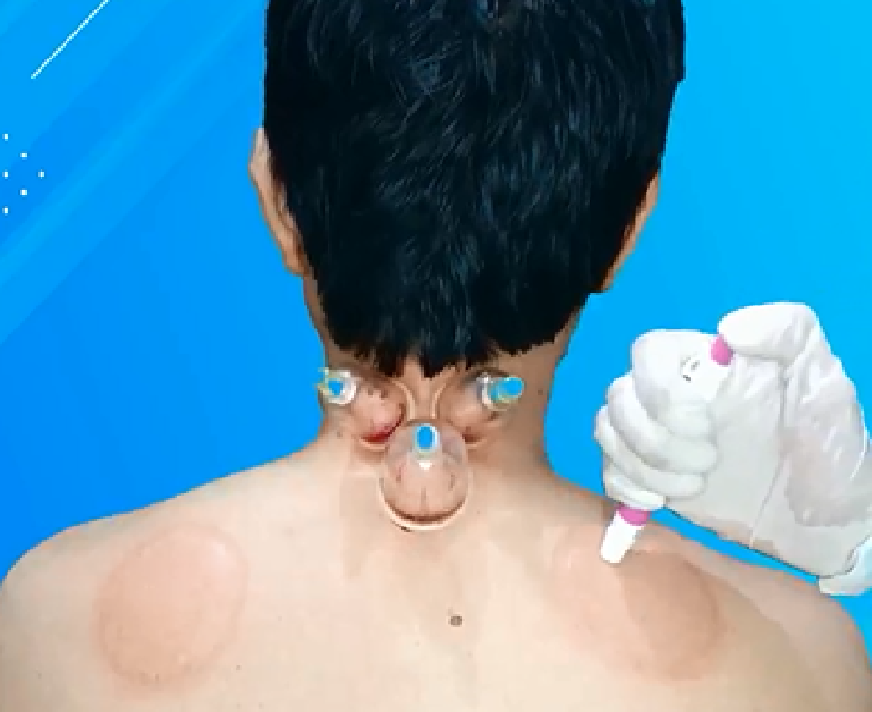
Understanding what happens during a session can reduce anxiety and help beginners feel in control. A typical wet cupping session includes:
- Assessment and Consultation: The practitioner reviews your health history and identifies cupping points based on tension, pain, or circulatory needs.
- Skin Preparation: The targeted areas are cleansed with an antiseptic solution to minimize infection risk.
- Dry Suction Phase: Cups are placed on the skin, and negative pressure draws blood to the surface. This improves local circulation and prepares tissue for the next step.
- Micro-Incision Phase: Small, shallow incisions are made using sterile blades or needles. Only a thin layer of skin is affected, so the procedure is safe when performed by trained practitioners.
- Blood Extraction Phase: Cups are reapplied to gently draw a small amount of blood. This controlled removal targets stagnant blood and stimulates fresh circulation.
- Cup Removal and Post-Care: Cups are removed, and the skin is cleansed again. The practitioner may apply natural oils or gentle massage to support recovery.
Sessions typically last 15–30 minutes, depending on the number of points treated and the individual’s tolerance
Normal Reactions After Cupping
It’s normal to notice:
- Red or purple circular marks at cupping points, which usually fade within 3–7 days.
- Mild soreness or tenderness, often described as similar to a deep tissue massage.
- Relaxation and lightness, as improved circulation and reduced muscle tension promote overall comfort.
Some beginners also report subtle mental clarity or reduced fatigue after a session. These effects reflect improved blood flow and microcirculation, rather than a literal “removal of toxins.”
Unusual reactions — prolonged bleeding, severe pain, or dizziness — should be reported to the practitioner immediately. Safety and hygiene are key, so only trained professionals should perform wet cupping.
Practical Tips: Wet Cupping for Beginners
- Wear loose clothing to allow easy access to cupping points.
- Schedule sessions wisely, with at least a few days between treatments for recovery.
- Hydrate and rest post-session to support circulation and tissue healing.
- Follow proper aftercare, including cleansing and gentle massage — see Post Wet Cupping Care for detailed guidance.
- Communicate openly with your practitioner about discomfort, expectations, or medical conditions.
By integrating these practices, beginners can safely experience the benefits of wet cupping, including enhanced circulation, muscle relaxation, and a sense of well-being.
Key Takeaway
For those new to wet cupping, the first session is more about experience and body awareness than dramatic detox results. Proper preparation, guidance from a trained practitioner, and realistic expectations make the session safe and beneficial. Wet cupping can help your body restore balance, relieve tension, and support natural circulatory and immune functions.
With the right approach, your first session can be informative, relaxing, and surprisingly empowering — opening the door to a traditional therapy that has endured for thousands of years.
If you’re ready to understand wet cupping on a deeper, more practical level, visit our Bookstore. You’ll get a free foundational eBook complete with video guidance — plus a collection of comprehensive wet cupping books designed to help you learn with confidence.