
Wet Cupping for Musculoskeletal Pain: A Natural Relief Method
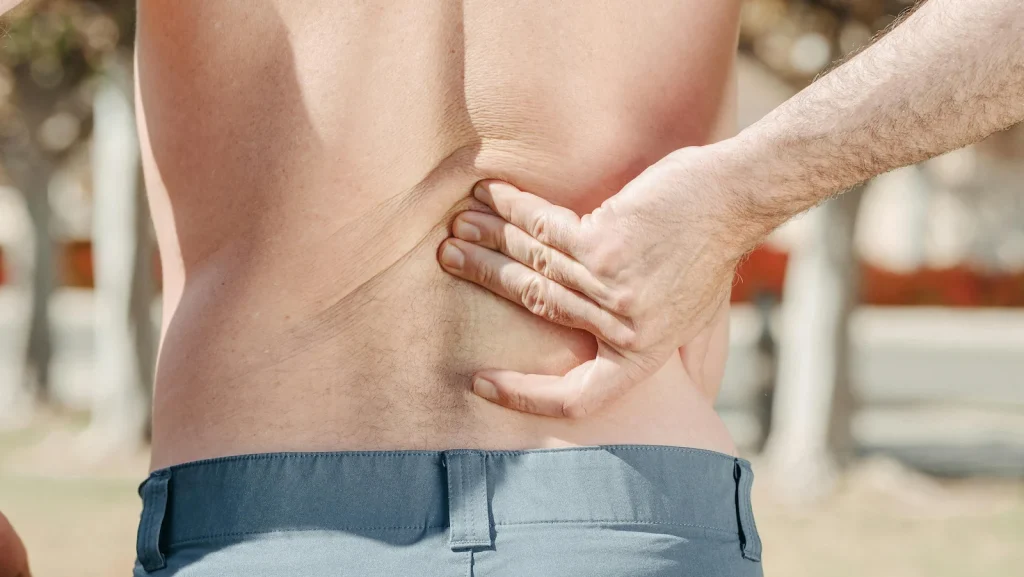
Musculoskeletal pain — including back pain, shoulder tension, and joint discomfort — is one of the most common health concerns worldwide, affecting people across all age groups and occupations. Sedentary lifestyles, repetitive movements, poor posture, and aging contribute to chronic pain that affects daily activities and quality of life. While conventional treatments such as analgesics, physical therapy, and exercise programs are widely used, many individuals seek complementary approaches for natural pain relief. Wet cupping for Musculoskeletal Pain has emerged as a viable option, offering targeted relief through controlled microbleeding and suction. Unlike dry cupping, which primarily improves superficial circulation and relieves muscle tension, wet cupping involves small, superficial incisions that allow blood release, which may enhance microcirculation, oxygenation, and tissue recovery. This combination of mechanical and physiological effects can directly address the underlying factors contributing to musculoskeletal discomfort. How Wet Cupping Relieves Musculoskeletal Pain Traditional medicine often attributes musculoskeletal pain to stagnant blood, energy blockages, or localized tension. Wet cupping is designed to mobilize stagnant blood, promote circulation, and reduce muscle stiffness. Physiologically, wet cupping may: Enhance microcirculation, delivering oxygen and nutrients to affected muscles and joints Reduce localized inflammation, which is a key contributor to chronic musculoskeletal pain Release muscular tension, particularly in areas such as the neck, shoulders, and lower back Stimulate parasympathetic activity, promoting relaxation and reducing pain perception Through these mechanisms, wet cupping can provide both immediate relief and longer-term improvements in musculoskeletal function. Preparing for a Musculoskeletal Pain Session Proper preparation ensures a safe and effective session: Hydration – Drinking sufficient water supports circulation, facilitates detoxification, and helps prevent dizziness. Light Nutrition – Avoiding heavy meals ensures comfort and prevents nausea during treatment.Comfortable Environment Comfortable Environment – A quiet, clean, and well-ventilated space with minimal distractions enhances relaxation and focus. Proper Positioning – Patients typically lie prone or side-lying, with supportive pillows, to allow easy access to affected areas like the back, shoulders, and legs. Thoughtful preparation maximizes both therapeutic benefits and overall patient comfort, ensuring an optimal and safe wet cupping experience. Step-by-Step Wet Cupping Session for Pain Relief A typical wet cupping session for musculoskeletal pain may include: Initial Assessment and Relaxation – The practitioner evaluates tension areas and may perform light massage or dry cupping to prepare muscles. Cup Placement – Cups are applied to affected regions, commonly including the upper back, shoulders, lower back, and sometimes legs, depending on pain location. Controlled Microbleeding – Superficial incisions allow minimal blood release to mobilize stagnant blood, enhance oxygenation, and stimulate tissue healing. Monitoring Suction and Duration – Suction strength and cup duration are carefully managed to ensure comfort and safety, especially for first-time clients. Post-Session Care – Cups are removed, the area is cleansed, and natural oils like VCO or olive oil may be applied to promote healing and reduce skin irritation. Sessions generally last 20–30 minutes, during which patients report warmth, relief, and decreased stiffness. Normal Reactions After Treatment Mild redness, bruising, or tenderness at the cup sites is common and typically resolves within a few days. Some patients may notice temporary fatigue, lightheadedness, or increased urination, reflecting the body’s natural response to blood mobilization and improved circulation. Proper hydration, gentle movement, rest, and avoiding strenuous activity immediately after the session can enhance recovery, support tissue repair, and prolong pain-relief benefits, ensuring a safe and effective healing process. Integrating Wet Cupping into a Pain Management Plan For optimal results, wet cupping should be integrated with other musculoskeletal health strategies, such as: Regular stretching and strengthening exercises to maintain flexibility and posture Ergonomic adjustments in workplaces or home environments to reduce strain Stress management techniques, including mindfulness or relaxation, which can modulate pain perception Adequate sleep, which supports tissue repair and recovery By combining wet cupping with these strategies, patients may experience reduced pain frequency, improved mobility, and enhanced quality of life. Get the free at-home wet cupping tutorial — an easy-to-follow e-book with videos, featuring the 5 essential points every wet cupping practitioner must know — inside Natural Reset: Modern Wet Cupping Made Simple.
Wet Cupping vs Massage: Which One Works Deeper for Detox and Pain Relief?
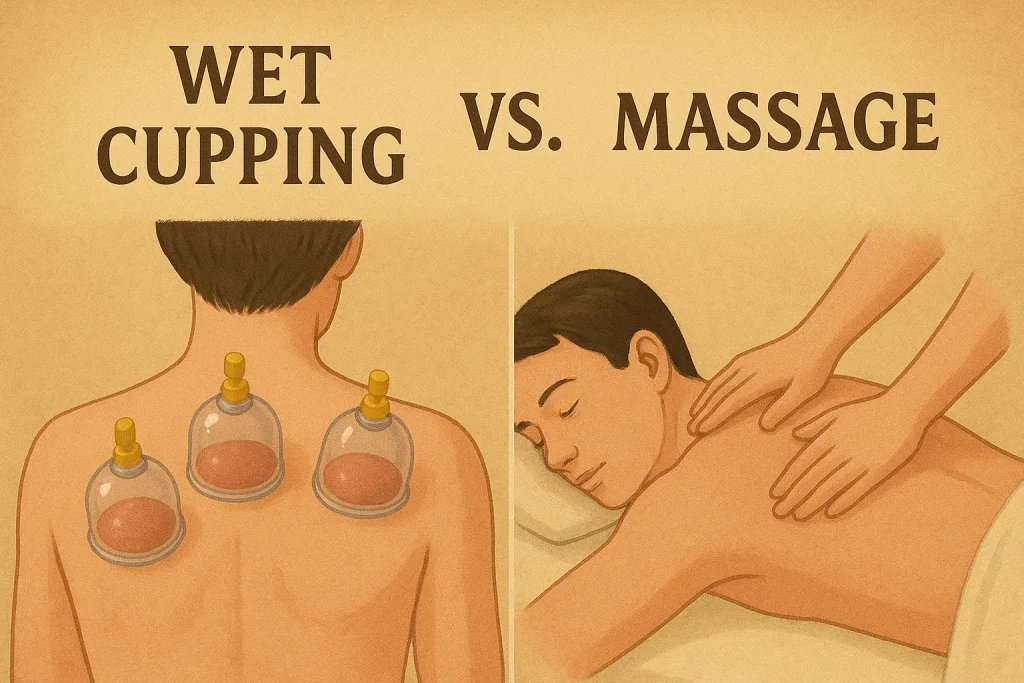
When it comes to relaxation, pain relief, and detoxification, both wet cupping and massage are popular therapies. While they share some goals, they work through different mechanisms. Understanding the differences in depth, circulation effects, and recovery outcomes can help individuals choose the right therapy for their needs. Superficial Relaxation vs Deep Detox Massage primarily targets the muscles and soft tissue, using pressure, kneading, and stretching to: Relieve tension and tightness in superficial muscles Improve flexibility and joint mobility Promote relaxation and stress reduction Wet cupping, on the other hand, combines negative pressure and controlled microbleeding, which: Pulls stagnant blood to the surface Stimulates deeper microcirculation and lymphatic drainage Encourages detoxification at the tissue and cellular level While massage provides immediate relaxation, wet cupping often reaches deeper layers of tissue and blood flow, addressing both muscular and circulatory congestion. Wet cupping and massage offer complementary benefits when used together Muscle, Circulation, and Nerve Stimulation Both therapies impact muscles and nerves but in different ways: Massage: Mechanical manipulation relaxes fascia, stimulates sensory nerves, and improves local circulation in targeted muscles. Wet cupping: Suction and microbleeding activate reflex pathways, enhance oxygenation in deeper tissues, and trigger subtle inflammatory modulation to promote healing. These mechanisms explain why wet cupping can sometimes offer more profound pain relief and detoxification, especially in areas with chronic tension or poor circulation. Wet Cupping vs Massage: When to Choose One Over the Other For relaxation and stress relief: Massage may be preferable for its immediate calming effects and broad coverage. For deep tissue recovery and detox: Wet cupping can complement massage or stand alone, especially for athletes or individuals with chronic stagnation. For combined benefits: Many wellness centers integrate both therapies in sequence — massage first to loosen superficial tissues, followed by wet cupping to address deeper circulation and stagnant blood Safety and Integration Tips Qualified practitioners: Both therapies require trained professionals to maximize benefits and avoid injuries. Timing considerations: Avoid intense physical activity immediately after wet cupping to allow tissue recovery. Hydration and aftercare: Drinking water and applying natural oils can support detoxification and skin healing after wet cupping. By integrating massage and wet cupping thoughtfully, individuals can optimize pain relief, circulation, and overall wellness. Key Takeaway Massage and wet cupping serve complementary purposes. Massage excels in superficial relaxation and immediate relief, while wet cupping works deeper by enhancing microcirculation, mobilizing stagnant blood, and supporting detoxification. Understanding these differences allows you to choose the therapy—or combination—that best aligns with your wellness goals. Get the free at-home wet cupping tutorial — an easy-to-follow e-book with videos, featuring the 5 essential points every wet cupping practitioner must know — inside Natural Reset: Modern Wet Cupping Made Simple.
The Science of Stagnant Blood: Why Releasing It Matters?
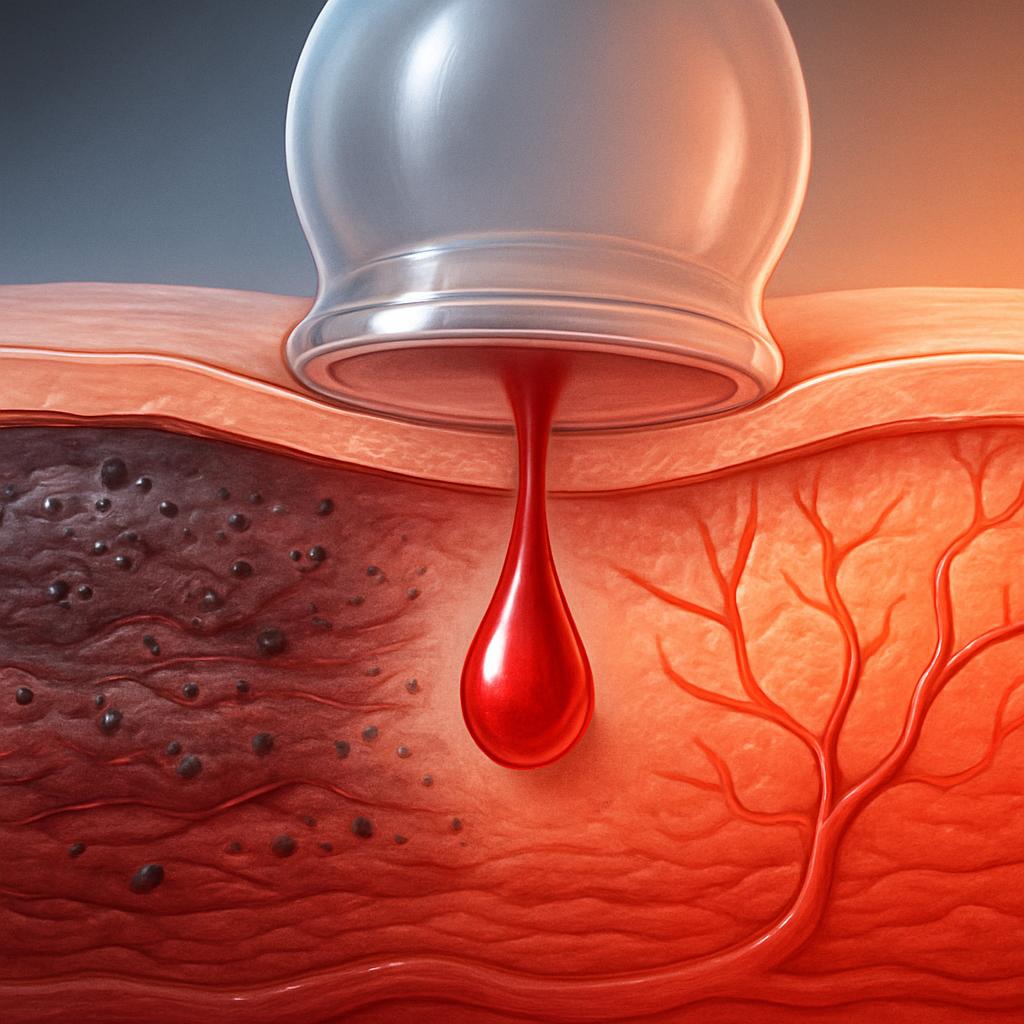
In traditional medicine, one concept often discussed in relation to wet cupping is “stagnant blood.” Many practitioners believe that the accumulation of old or poorly circulating blood can contribute to pain, fatigue, and general discomfort. But what does this term really mean, and how does modern science explain it? Understanding both perspectives helps clarify why releasing stagnant blood through wet cupping can support overall wellness. What Is Stagnant Blood in Traditional Medicine In systems like Chinese medicine and Islamic Hijama practices, stagnant blood is thought to represent blocked or sluggish circulation in specific areas of the body. It’s believed to accumulate due to injury, tension, poor lifestyle habits, or emotional stress. Traditional practitioners often associate stagnant blood with: Muscle tightness and localized pain Dark or discolored skin marks Reduced energy flow in affected areas By targeting these zones with wet cupping, practitioners aim to mobilize the stagnant blood, restore balance, and support the body’s natural healing processes. The dark-colored blood seen after cupping is often cited as evidence that stagnant blood has been released. medical illustration of tissue under the skin during wet cupping therapy Modern View: Venous Pooling and Microcirculation From a contemporary perspective, the concept of stagnant blood aligns closely with venous pooling and microcirculation dysfunction. Venous pooling occurs when blood collects in small veins or capillaries, slowing the efficient exchange of oxygen and nutrients. This can contribute to soreness, inflammation, and fatigue in localized areas. Wet cupping addresses this by creating negative pressure on the skin surface. The suction draws blood into the cup, encouraging: Enhanced microcirculation Improved oxygen delivery to tissues Reduced fluid stagnation in localized regions A study by Tagil et al. (2014) demonstrated that wet cupping significantly increased local blood flow and tissue oxygenation, supporting the idea that the therapy actively mobilizes stagnant blood and restores dynamic circulation. The Role of Nitric Oxide and Inflammation Control Beyond moving blood, wet cupping may influence biochemical pathways that regulate vascular health. Suction and microbleeding can stimulate the release of nitric oxide (NO), a molecule critical for blood vessel dilation and improved tissue perfusion. Increased NO can lead to: Better oxygen delivery to cells Reduced local inflammation Relaxation of tight muscles In addition, wet cupping has been shown to modulate inflammatory markers. By removing small amounts of blood and stimulating tissue response, the body may downregulate pro-inflammatory cytokines, helping reduce pain and promoting recovery in affected areas. This combination of mechanical and biochemical effects bridges traditional understanding of “stagnant blood” with modern physiology, explaining why many clients report relief after even a single session. Real Benefits Observed After Release Practitioners and patients have observed several practical benefits from releasing stagnant blood through wet cupping: Pain relief and muscle relaxation: Especially in shoulders, back, and neck regions. Enhanced circulation: Supporting oxygen and nutrient delivery to tissues. Reduction in inflammation: Mild anti-inflammatory effects contribute to recovery and well-being. Feeling of lightness or energy: Likely due to improved circulation and tissue perfusion. It’s important to note that these effects are usually localized and subtle rather than dramatic “detox” transformations. Wet cupping supports the body’s natural regulation, complementing other wellness practices like exercise, hydration, and balanced nutrition. Key Takeaway The concept of stagnant blood, though rooted in traditional medicine, has a clear parallel in modern physiology — venous pooling, microcirculation dysfunction, and localized inflammation. Wet cupping helps release this stagnation safely through controlled suction and microbleeding, stimulating circulation, enhancing oxygenation, and modulating inflammation. For beginners and seasoned users alike, understanding these mechanisms helps set realistic expectations. The goal is not to “purge toxins” in a chemical sense but to support the body’s natural blood flow and tissue recovery. Get the free at-home wet cupping tutorial — an easy-to-follow e-book with videos, featuring the 5 essential points every wet cupping practitioner must know — inside Natural Reset: Modern Wet Cupping Made Simple.