
From Ancient Remedy to Modern Revival: Why Wet Cupping Is Coming Back
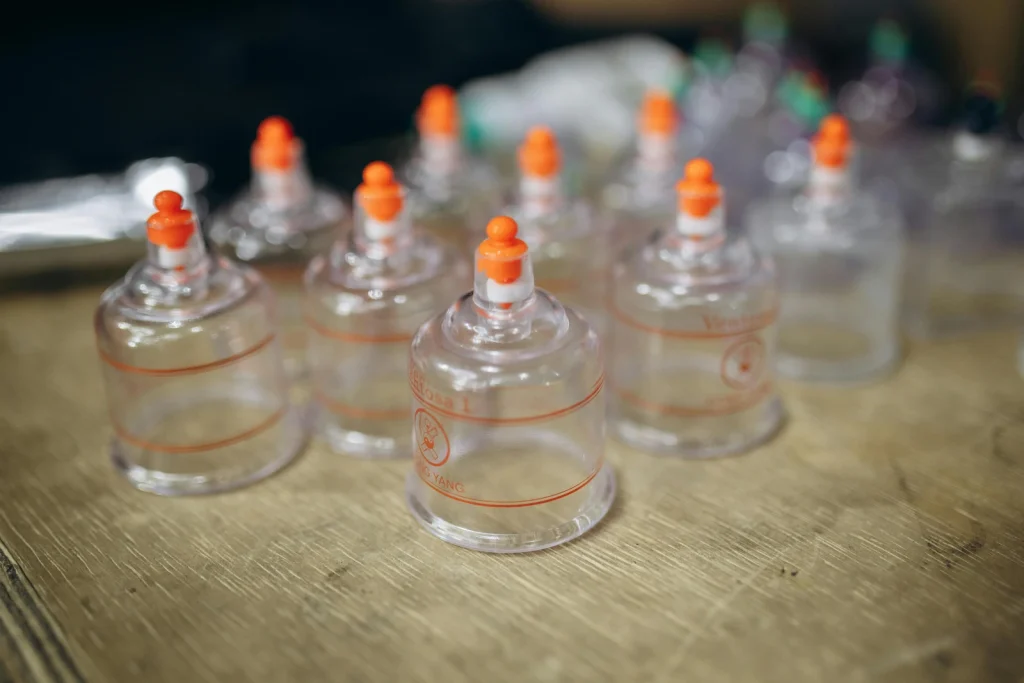
Wet cupping, an ancient healing practice, has experienced a notable resurgence in modern wellness. Once rooted in traditional medicine across Egypt, China, Persia, and the Islamic world, it is now embraced globally for its circulatory, detoxification, and pain-relief benefits. But what explains its comeback, and why are more people—including clinicians—taking notice today? Global Wellness Trend The wellness industry has exploded over the past decade, with a focus on holistic and natural therapies. Amid this movement, wet cupping has gained attention for its ability to: Support circulation and microvascular health Aid in the removal of stagnant blood and metabolic waste Relieve muscle tension and localized pain Spas, wellness clinics, and integrative health centers across Europe, North America, and Asia now include wet cupping in their offerings. Celebrities, athletes, and wellness influencers have also contributed to its popularity, showcasing cupping marks on social media, which sparked curiosity and public interest. What makes wet cupping particularly appealing in the modern wellness context is its dual appeal: it is both a tradition-rich practice with centuries of cultural significance and a hands-on therapy that visibly demonstrates its effects, such as cupping marks and localized warmth, which users interpret as a tangible sign of healing. Increasing Clinical Interest and Research Scientific curiosity about wet cupping has grown alongside its public popularity. Clinical studies now investigate its effects on circulation, inflammation, pain management, and overall wellbeing. Research highlights include: Improved local blood flow and oxygenation, which helps tissue repair and reduces fatigue (Tagil et al., 2014) Reduction of inflammatory markers, supporting immune modulation and recovery (Ernst & Lee, 2011) Potential effects on blood pressure and metabolic balance, suggesting cardiovascular benefits These studies contribute to validating traditional claims of wet cupping, moving it from purely anecdotal practice into the realm of evidence-informed complementary medicine. Clinics and practitioners increasingly integrate wet cupping into rehabilitation, sports recovery, and stress management programs, demonstrating that ancient therapies can coexist with modern medical approaches. The Bridge Between Tradition and Modern Care Modern and Affordable Wet Cupping Tools of the most compelling aspects of wet cupping’s revival is how it connects historical wisdom with contemporary healthcare standards. Traditional practice emphasizes: Specific cupping points aligned with organ systems or energy meridians Ethical and clean handling of tools Timing and procedural guidance rooted in centuries of observational experience Modern adaptations focus on: Sterile, disposable cups and lancing device Standardized protocols for safe and controlled microbleeding Integration with other therapies like massage, physiotherapy, or acupuncture By respecting both tradition and modern safety protocols, wet cupping becomes a bridge between the old and the new, offering a holistic approach that appeals to individuals seeking natural, safe, and effective wellness options. This balance also fosters cultural appreciation. People today can explore the spiritual and historical dimensions of wet cupping—such as its practice in Islamic medicine (Hijama)—while experiencing measurable physiological benefits. It’s a rare therapy that retains its cultural richness without sacrificing modern standards of hygiene and safety. Why It’s Gaining Momentum Now Several factors contribute to the renewed interest in wet cupping: Public visibility: Media coverage, social media posts, and athlete endorsements have made it more mainstream. Integration into wellness programs: Clinics offer cupping as part of multi-modal recovery plans, combining it with physiotherapy, yoga, or mindfulness practices. Evidence-based recognition: Scientific studies are increasingly cited in journals, providing credibility for both practitioners and users. Global accessibility: Courses, workshops, and online tutorials have made training and practice more widely available to professionals worldwide. Together, these factors have created a modern ecosystem where wet cupping thrives both as a therapeutic tool and a wellness trend. Key Takeaway Wet cupping is no longer just an ancient remedy—it has become a modern wellness revival, blending historical knowledge with contemporary scientific validation. Its comeback is fueled by global demand for holistic therapies, increasing clinical research, and safe integration into modern care practices. Individuals seeking natural approaches to circulation, detoxification, or pain relief now have a therapy that is rich in tradition, evidence-informed, and widely accessible. For more insights on the evolution of cupping and how it transitioned into modern wellness, see From Spa to Science: The Evolution of Cupping Therapy.
Dry vs Wet Cupping: What’s the Real Difference Inside Your Body?
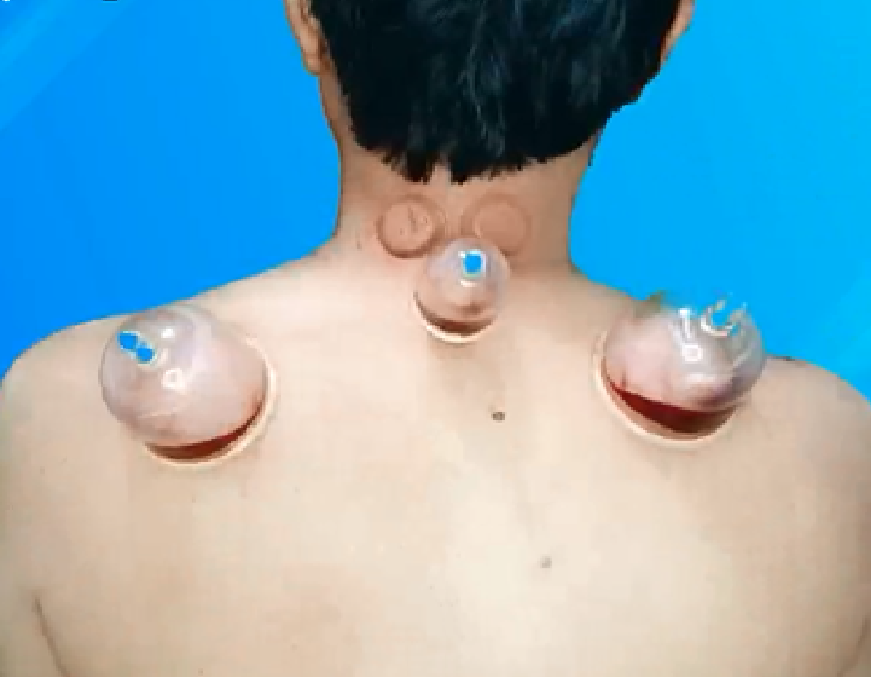
For centuries, people across civilizations have used cupping as a way to restore health, balance, and energy. Yet today, two main approaches dominate the modern conversation — dry cupping and wet cupping. Both methods may look similar on the surface, but what happens inside your body tells a very different story. In this guide, we’ll explore how these two techniques evolved, how they actually work in your circulation, and which one might suit you best — according to both traditional insights and modern research. The Origins of Cupping — From Heat to Healing Cupping isn’t a new wellness trend. Its earliest traces reach back more than 3,000 years to ancient Egypt, China, and Persia, where healers used heated cups to draw out what they called “bad blood” or “stagnant wind.” The technique then spread through Greek medicine under Hippocrates and was later refined in Islamic civilization as Hijama — the wet cupping we know today. According to Ernst and Lee (2011), the historical rationale behind cupping was rooted in balance — physically removing stagnation to allow the body’s natural flow to resume. Modern medicine may use different language, but the core concept of improving circulation and reducing pressure remains remarkably relevant. Today, cupping has evolved from fire-lit glass cups to sterile, medical-grade tools. What remains unchanged is the principle: stimulate the skin’s surface to influence deeper systems — blood, lymph, and neural pathways. How Dry Cupping Works (No Blood, More Pressure) Dry cupping is the simpler and more popular form, often seen in spas, sports clinics, and physiotherapy centers. Here, the practitioner creates suction on the skin using vacuum pumps or briefly heated cups. The pressure pulls the skin and underlying tissue upward for several minutes. From a physiological standpoint, this suction: Increases microcirculation in the affected area Stimulates local nerve endings Encourages interstitial fluid exchange and cellular metabolism In their review, Ernst and Lee (2011) noted that this negative pressure acts much like deep tissue massage but in reverse — lifting instead of pressing. It relaxes fascia, relieves muscle tightness, and promotes blood flow to oxygen-starved areas. That’s why athletes like swimmers and runners often favor dry cupping: it offers quick relief without skin incisions or bleeding. However, the effect of dry cupping is mostly surface-level. It mobilizes stagnant fluids and relaxes tension, but it doesn’t expel any blood or metabolic waste directly. How Wet Cupping Works (Gentle Blood Release) Wet Cupping Illustration Wet cupping, on the other hand, adds a crucial step. After creating mild suction, the cups are removed, and the skin is lightly pricked with sterile lancets before being re-applied. This allows a small amount of blood — usually 1 to 5 milliliters per point — to flow out through controlled micro-bleeding. According to Tagil et al. (2014), this process leads to a measurable increase in local blood flow and oxygenation, along with improved tissue perfusion. In other words, the body doesn’t just redistribute old blood — it replaces it. During the short session, suction draws out venous and capillary blood that may contain metabolic byproducts or inflammatory markers. Once removed, fresh, oxygen-rich blood rapidly refills the area, resetting the local circulation cycle. This is why practitioners of Hijama often describe it as a “manual reset for your body’s internal traffic.” You aren’t merely stimulating pressure — you’re helping your system unload stagnant congestion that dry cupping can’t fully reach. Dry vs Wet Cupping: Why Blood Extraction Matters Modern researchers such as Al-Bedah et al. (2016) classify wet cupping as a form of controlled micro-bloodletting, distinct from ancient open bloodletting or leech therapy. The bleeding is minimal and localized, but it triggers a cascade of physiological benefits: Improved microcirculation – Old, deoxygenated blood is replaced by fresh arterial supply. Reduced oxidative stress – Several studies show decreased markers of free radicals post-session. Inflammation modulation – Mild suction activates the body’s natural anti-inflammatory mechanisms. Neuro-hormonal balance – The nervous system responds by releasing endorphins and calming stress pathways. The logic is simple yet elegant: by removing the “old,” the body is encouraged to regenerate the “new.” Traditional healers used to call this “removing bad blood.” Today, physiology would describe it as enhancing microvascular exchange and tissue oxygenation. Which Method Fits You Best? The choice between dry and wet cupping depends on your goals — relaxation, rehabilitation, or restoration. Goal Recommended Method Why Muscle relaxation & recovery Dry cupping Enhances local circulation, ideal for athletes Detoxification & metabolic reset Wet cupping Promotes removal of stagnant blood and waste Stress relief & nervous balance Wet cupping (gentle points) Encourages hormonal and circulatory balance Cosmetic & fascia release Dry cupping Safe, non-invasive, surface stimulation If you’re new to cupping, dry cupping is a safe entry point. It introduces you to the sensation and circulation changes without blood involvement. But if you seek deeper detoxification, many people — and modern studies — suggest that wet cupping provides a more comprehensive effect. Both methods, when practiced correctly, complement rather than compete. As Al-Bedah et al. (2016) emphasize, each type of cupping has its own role: dry cupping stimulates flow, wet cupping completes the cycle. Bridging Ancient Wisdom and Modern Science For centuries, healers relied on observation: they saw better complexion, clearer mind, and reduced pain after cupping. Modern science now provides language to explain those outcomes — improved blood rheology, nitric oxide regulation, and reduced oxidative load. When you compare dry vs wet cupping, you’re really comparing two stages of the same process: Dry cupping awakens circulation. Wet cupping renews it. Together, they represent a continuum of healing — from stimulation to purification. And that’s the real difference inside your body. Learn our article how to apply wet cupping safely at home.
How Wet Cupping Supports Heart Health Naturally
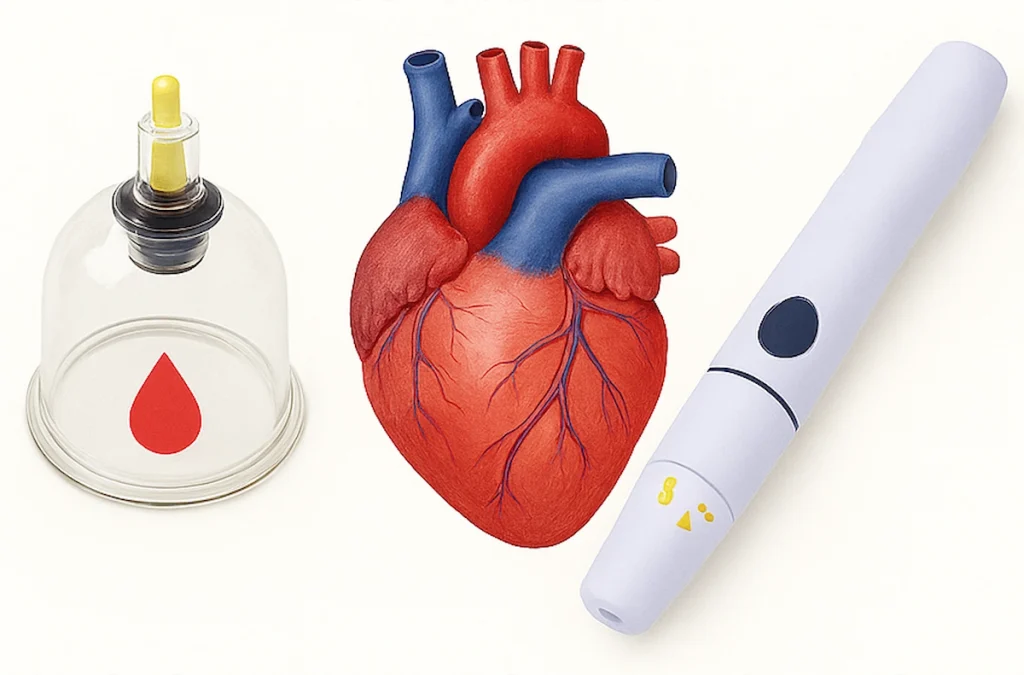
Wet cupping is more than a traditional practice — it’s a biological reset system that helps the body restore circulatory and nervous balance.When performed correctly, it supports heart function, regulates blood pressure, and promotes overall cardiovascular harmony. In this article, we’ll explore how wet cupping benefits the heart through blood circulation, cholesterol management, and autonomic nervous system balance. Understanding the Heart–Circulation Connection The heart is the engine of life — tirelessly pumping blood to deliver oxygen and nutrients throughout the body.However, factors like stress, poor diet, and inactivity can cause the system to lose balance, leading to high blood pressure, cholesterol buildup, and vascular stiffness. Wet cupping acts as a gentle circulatory reset. Through controlled suction and blood release, it helps the body clear stagnation, improve oxygen flow, and restore natural pressure balance. Wet Cupping For Heart Health Illustration Why Circulation Matters for Heart Function Healthy circulation keeps the heart efficient, arteries flexible, and organs well-nourished. When blood flow slows or thickens due to high cholesterol, the heart must work harder, increasing cardiovascular strain over time. Cholesterol and Blood Pressure Regulation Wet cupping functions like a manual reset for your circulatory system.Here’s what happens during a typical session: Suction draws stagnant blood to the surface, gently stretching the skin and underlying vessels. Fresh, oxygen-rich blood flows in, refreshing tissues and supporting organ function. Micro-blockages begin to clear. Clients often describe an instant sense of lightness or mental clarity — as if “something heavy” has been lifted off their shoulders. Vascular pressure normalizes, reducing the strain on the heart and easing circulation. How Wet Cupping Affects Blood Pressure By improving microcirculation and vessel elasticity, wet cupping helps lower peripheral resistance — the root cause of high blood pressure. Cupping for Cholesterol Balance Regular wet cupping may also: Activate liver and lymphatic pathways to process fats efficiently. Reduce oxidative stress in blood vessels. Support mild detoxification, helping the body manage cholesterol naturally. The “Traffic Analogy” — Easy Way to Visualize Imagine your bloodstream as a busy highway: Cholesterol is like slow-moving cars that block the lanes. High blood pressure is like traffic lights stuck on red, causing jams behind them. Wet cupping acts like a gentle street cleaner — clearing the lanes so blood flows smoothly again.Over time, this improves heart efficiency, vessel flexibility, and cardiovascular balance. The Feeling of Lightness After a Session That sense of calm or clarity many people feel post-session is a real sign of circulatory balance returning — the heart no longer fighting against resistance. How Wet Cupping Balances the Cardiovascular System Problem What Happens in the Body How Wet Cupping Helps Naturally High Blood Pressure Arteries stiffen, heart pumps harder Improves circulation, relaxes vessel walls High Cholesterol LDL clogs arteries, increasing plaque risk Enhances liver & lymphatic flow Poor Microcirculation Tissues lack oxygen and nutrients Opens microcapillaries Oxidative Stress Free radicals damage vessels Removes stagnant blood Stress & Nervous Tension Cortisol increases, circulation drops Activates parasympathetic system Cardiovascular Fatigue Heart overworked Gentle circulatory reset Regular Maintenance for the Heart Routine wet cupping — especially once or twice monthly — helps maintain blood flow, manage lipid buildup, and prevent chronic stress from burdening the cardiovascular system. The Autonomic Nervous System and the Heart The autonomic nervous system (ANS) regulates vital functions like heartbeat, blood pressure, and circulation without conscious control (Thayer & Lane, 2000).It has two branches: Sympathetic system — accelerates heart rate and increases pressure. Parasympathetic system — slows the heart and restores balance. When Stress Disrupts the Autonomic Balance Chronic stress overstimulates the sympathetic system, keeping the heart in a “fight-or-flight” state. This constant tension exhausts both the vessels and the mind. Wet cupping helps restore that balance — not by acting directly on the heart, but through neurovascular pathways in the upper back (especially between T2–T5 vertebrae). How Wet Cupping Influences Autonomic Balance 1. Neurovascular Reflex Actication Stimulation near autonomic nerve roots creates a skin–organ reflex, helping reduce sympathetic overactivity and enhance parasympathetic tone. → Result: steadier heart rhythm and calmer pulse. 2. Improved Microcirculation By clearing sluggish capillary blood, cupping promotes oxygen exchange and reduces the heart’s workload — a micro-reset for the cardiovascular system. 3. Restoration of Homeostasis As metabolic waste and tension are released, the brain receives a “safety signal,” shifting from fight-or-flight mode into recovery.→ Result: deeper breathing and lighter chest sensation. 4. Systemic Regulation Cupping sends feedback through the central nervous system, reducing cortisol and raising endorphins — enhancing both circulation and emotional well-being. Wet Cupping Points for Heart Support When performed around the upper back and left chest, wet cupping activates key reflex zones connected to the heart. These points help balance nerve signals, enhance circulation, and ease the muscle tension that often burdens the chest area.It’s a simple yet powerful support for natural cardiovascular balance. Neuro-Reflex Pathway Cupping along T2–T5 stimulates skin–organ reflexes that affect the heart’s rhythm and tone.By calming overactive nerves and boosting parasympathetic activity, it helps restore steady rhythm and emotional ease. Clients often report feeling lighter and more relaxed within minutes. Microcirculation Enhancement Gentle suction improves local blood flow and clears stagnation near the thoracic veins.This process enhances oxygen delivery, supports venous return, and helps the heart work more efficiently. It’s like clearing a narrow stream so water can flow freely again. Reduced Sympathetic Overactivity Calms the cardiovascular centers in the brain, gradually stabilizing blood pressure and stress responses. Modern stress often keeps the body in constant alert mode, raising heart rate and blood pressure. Wet cupping provides a reset signal to the nervous system, easing tension and lowering cortisol levels. As calm returns, both pulse and breathing become more rhythmic Myofascial and Respiratory Benefits Releases tight chest and shoulder muscles, allowing deeper breathing and a sense of relief near the heart area. Cupping on the chest and shoulder area releases tight fascia that restricts breathing and posture. Once tension softens, clients can breathe deeper and feel the chest lighten. Better breathing means better oxygen flow — and a happier heart. Anti-Inflammatory Response