
Cupping Set for Wet Cupping
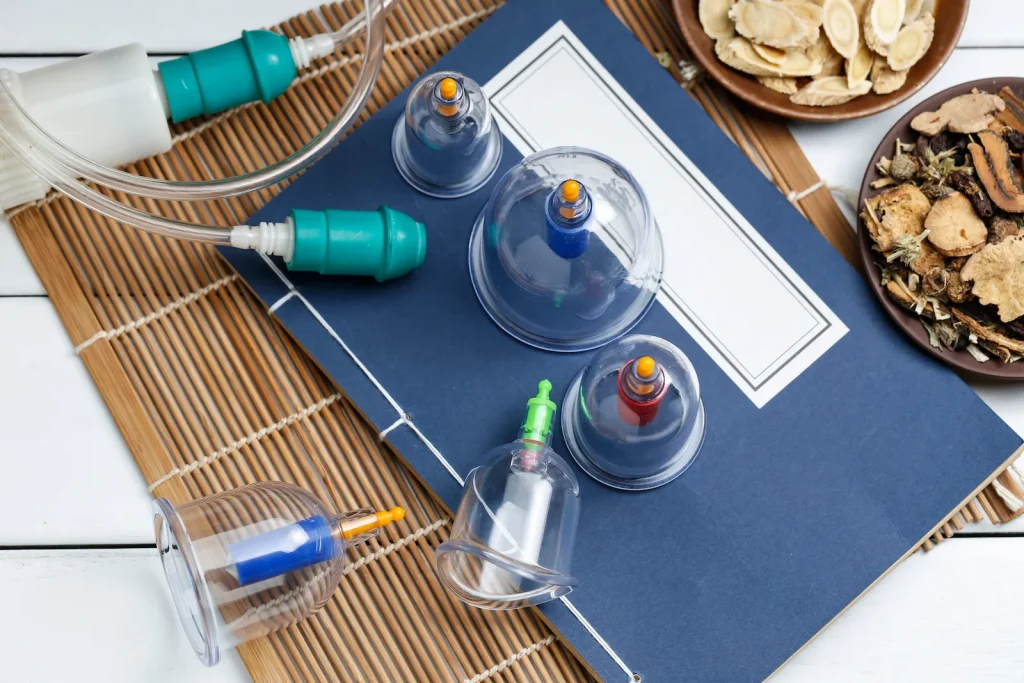
Modern cupping sets have made wet cupping therapy safer, more precise, and beginner-friendly. Unlike traditional horn or glass cups that required skill and carried certain risks, today’s plastic or polycarbonate cups paired with a hand pump allow almost anyone to perform wet cupping at home with care and confidence. (Lee MS & Ernst, 2018; Kim et al., 2019). Cupping set for wet cupping include: Cups: Made from durable, transparent plastic, so you can observe the process safely. Available in different sizes, typically 2.5 cm to 6 cm in diameter, to match various points on the body. Easy to clean and sterilize after each use, supporting safe Most sets include 6–12 cups, though some larger sets may contain 24 or more. Hand Pump: A small vacuum pump that attaches securely to the cup. Provides precise control over suction, making therapy comfortable and gentle. Lightweight, durable, and simple to operate, suitable even for beginners. Tip: Using modern cupping sets emphasizes safety, comfort, and hygiene, aligning with responsible self-care practices. A standard cupping set with 6–12 cups and a hand pump is widely available online, with prices typically ranging from USD $10 to $25, depending on the number of cups, material quality, and brand. While stainless steel or medical-grade sets may cost more, a basic plastic set is sufficient for most home users. Some packages include additional accessories, such as a magnet device, but these are not necessary for wet cupping therapy. Typical Set Contents: Most sets contain 6 to 24 cups. For personal use, a set with 8 cups is usually enough. For hypertension or cholesterol support, smaller cups (2.5–3 cm diameter) are helpful for neck and upper back points. If your set has fewer cups than points you want to treat, simply apply them in sequence rather than all at once. With this simple, modern set, wet cupping therapy no longer requires advanced skills or risky tools. By following basic hygiene and safety guidelines, anyone can perform the therapy in a controlled, comfortable, and effective way.
Antiseptic Essentials and Natural Oils for Post–Wet Cupping Recovery
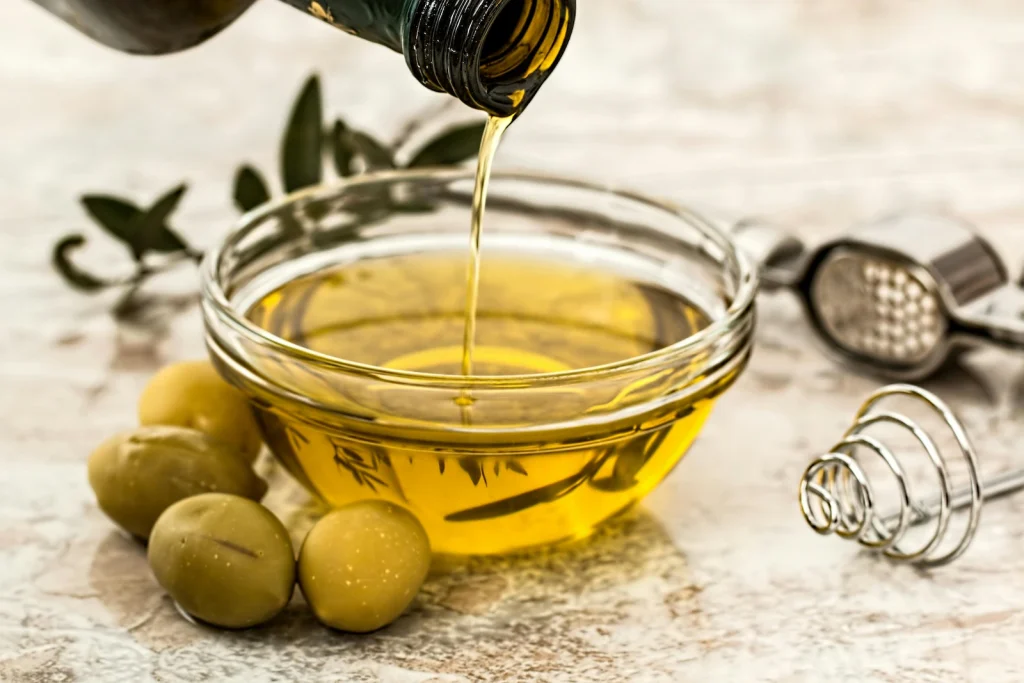
This part bridges traditional wisdom and modern hygiene — blending safe practices with the gentle science of natural healing. Drawn from more than two decades of field experience, the insights below aim to educate for wellness, not to prescribe medical treatment. Antiseptic Care Before and after wet cupping, maintaining skin cleanliness is vital. Simple antiseptics such as alcohol swabs, iodine solution, or sterile tissues protect against infection and ensure a safe, hygienic experience. Even the most refined technique still relies on one timeless principle — cleanliness as the foundation of healing. Consistent hygiene and soft aftercare prevent microbial entry, speed up tissue recovery, and maintain the trust between practitioner and client (Ali et al., 2018; Nagle et al., 2018; Ogbolu et al., 2007). Natural Herbal Oils After each wet cupping session, the micro-punctures on the skin deserve gentle and nourishing attention. Across many cultures, natural oils are trusted to soothe, protect, and rejuvenate the skin while reducing inflammation. Depending on availability and cultural background, various herbal oils can serve the same healing purpose. Below are examples of globally accessible natural herbal oils often used in post–wet cupping care. The mentioned brands serve as references only — what truly matters is purity, mildness, and safety for the skin. 1. Virgin Coconut Oil (VCO) • Known globally for its moisturizing and mild antibacterial action.• Examples: Nutiva (USA), Carrington Farms (USA), Dr. Bronner’s (Global), Tropicana VCO (Thailand), HNI-HPAI VCO (Indonesia & Malaysia). 2. Olive Oil • Excellent for soothing skin, improving tone, and enhancing microcirculation.• Examples: Bertolli (Italy), California Olive Ranch (USA), Zaitoun (UK/Palestine), Wardah (Indonesia). 3. Black Seed Oil (Nigella sativa) • A traditional Middle Eastern and Asian favorite, known for reducing inflammation and aiding skin repair.• Examples: Amazing Herbs (USA), The Blessed Seed (UK), Hemani (Middle East), Hab Shifa (Australia), Habbatussauda HNI-HPAI (Malaysia). 4. Tea Tree Oil (Must Be Diluted) • Helps prevent minor infections and supports natural recovery when used in diluted form.• Examples: Thursday Plantation (Australia), The Body Shop (UK), NOW Foods (USA). 5. Argan Oil • Lightweight, easily absorbed, and rich in vitamin E — revitalizes and nourishes the skin.• Examples: Moroccanoil (Global), Pura D’or (USA), The Bath Box Argan Oil (Indonesia). What matters most is choosing oils that are natural, non-irritating, and gently antibacterial. These oils not only protect post–wet cupping skin but also bring comfort, relaxation, and balanced recovery. Beyond cleanliness, natural oils encourage regeneration and help the skin return to its natural tone. Gentle application boosts microcirculation, supporting the body’s inner healing rhythm. How They Help After a wet cupping session, the skin enters a natural recovery phase. This is the moment when the right herbal oils can make a meaningful difference — not as medical treatment, but as gentle support for calming the skin, maintaining moisture, and helping the area settle comfortably. Each oil carries its own character and benefits. Here’s a clear, easy-to-follow overview: • Argan Oil — deeply moisturizes with antioxidants and vitamin E, helping the skin stay smooth, nourished, and naturally revitalized.• Black Seed Oil — supports natural repair, balances pigmentation, and gently reduces the appearance of dark cupping marks.• Tea Tree Oil — helps prevent minor infection when properly diluted with a carrier oil, offering a clean and protective post-session feel.• Olive or Virgin Coconut Oil — strengthens the skin barrier, reduces irritation, and maintains steady hydration for a calmer recovery.• Herbal Blend Oils (with cinnamon, clove, or ginger) — enhance microcirculation and warmth, helping cupping marks fade more quickly and evenly. For optimal results, apply a thin layer once or twice daily after the cupping area is clean and fully dry. Massage gently in circular motions for 1–2 minutes to improve absorption and relaxation. With consistent use, the marks typically fade within a few days, and the skin tone naturally returns to balance. Safety Reminder Tea tree oil must always be diluted with a carrier oil before skin application. Avoid using undiluted essential oils on open or punctured areas. Professional Note This guide summarizes wellness experience gathered over years of fieldwork. It is intended for educational purposes. For ongoing medical conditions, always pair traditional methods with professional healthcare supervision.
Preparing Your Wet Cupping Workspace: Tools, Hygiene, and Professional Setup
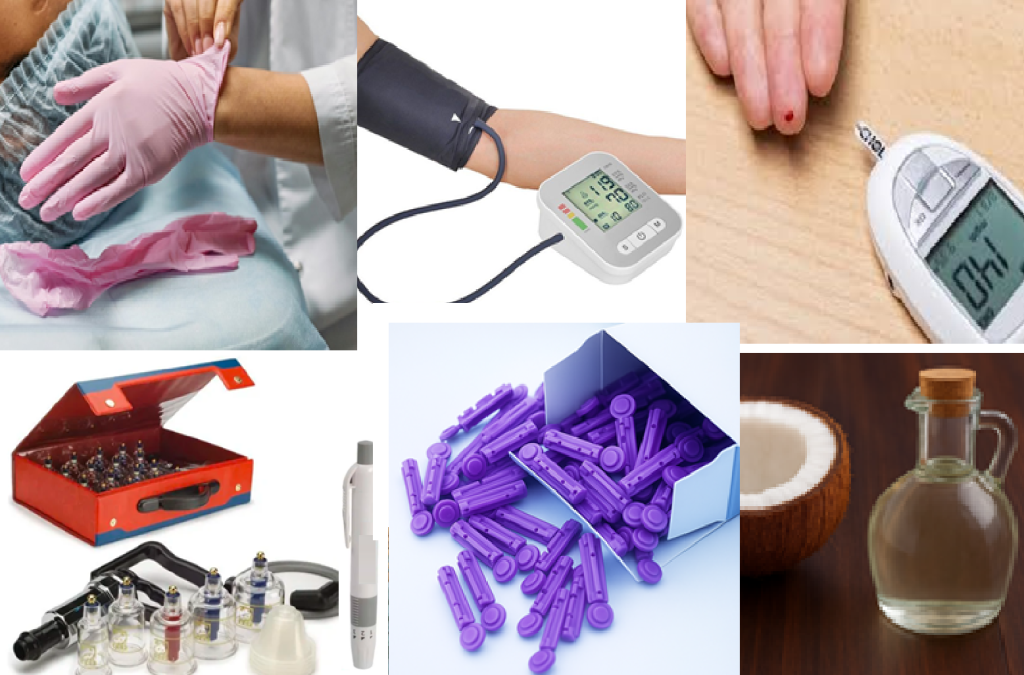
Wet cupping is more than just a therapeutic technique — it’s a system of precision, cleanliness, and mutual trust between practitioner and client.Before you begin, setting up a clean and organized workspace is essential. Every item, no matter how small, contributes to the overall safety and effectiveness of the session. The good news is that wet cupping requires only a few basic tools, yet when used correctly, these tools form the backbone of a professional and reliable practice. The following sections outline each essential component, including field-tested insights developed over decades of experience. Standard Wet Cupping tools Essential Tools for a Safe and Effective Session Cupping Set (Plastic or Glass) The cupping set is the heart of the procedure. It creates the gentle suction that stimulates local circulation and draws stagnant blood toward the surface.Modern sets, usually made of medical-grade plastic or heat-resistant glass, allow adjustable pressure and easier sterilization. Tip: Always check with your client about comfort. The goal is gentle activation, not excessive pulling. Proper communication ensures both safety and relaxation. Lancing Device and Lancet The lancing device is used to create small, controlled punctures through which the stagnant blood is released. Based on long-term field practice, a 21G lancet offers an ideal balance between comfort and effectiveness — it’s sharp enough to release pressure without causing unnecessary discomfort.Always use disposable lancets and never reuse equipment, even for the same client. Antiseptic Wipes or Alcohol Pads These are your first and last defense against infection. Before placing the cups, clean the target area thoroughly; after the session, wipe the skin again to remove any residue or fluid. Consistency in this step ensures a hygienic and professional reputation — something every serious practitioner should uphold. Herbal Oil (Pre and Post Treatment) Applying natural oil before and after cupping helps nourish the skin and minimize post-session marks. Oils like black seed, olive, or argan oil accelerate healing and promote comfort. Many clients notice that red or dark marks fade within days instead of weeks when natural oil is used properly. Cotton or Sterile Tissue These are simple yet vital. Each point of cupping should use fresh cotton or tissue to clean any remaining static blood. Reuse invites cross-contamination — something no professional can afford to risk. Gloves Gloves symbolize professionalism. Beyond hygiene, they demonstrate respect for your client’s body and peace of mind.Always wear clean, medical-grade gloves for every session, and dispose of them immediately afterward. Field Insight: The Foundation of Professionalism “Over two decades of practice have taught me one thing — cleanliness is trust.” Every step, from sterilization to equipment organization, communicates your discipline and integrity.Clients may not always see the technical details, but they can feel your care. That sense of safety is what distinguishes a professional practitioner from a casual one. A clean, well-prepared workspace is not just about compliance; it’s an expression of respect, responsibility, and mastery.It’s where healing begins — long before the first cup is placed. If you’re ready to understand wet cupping on a deeper, more practical level, visit our Bookstore. You’ll get a free foundational eBook complete with video guidance — plus a collection of comprehensive wet cupping books designed to help you learn with confidence.