
In recent years, “detox” has become a buzzword — often associated with juice cleanses or miracle diets. But traditional wet cupping takes the concept much deeper.
For centuries, practitioners have used it to help the body release stagnant fluids and restore balance in circulation.
Modern research now suggests that these effects may relate not to mythical “toxins,” but to measurable changes in microcirculation, lymphatic flow, and metabolic waste clearance.
What ‘Detox’ Really Means in the Body
The human body naturally performs detoxification every second. The liver, kidneys, skin, and lymphatic system continually process and eliminate metabolic byproducts — such as urea, lactic acid, and oxidized proteins.
However, poor circulation, chronic stress, and sedentary habits can slow these processes. When blood and lymph flow become sluggish, metabolic residues accumulate in tissues, causing:
- Persistent fatigue
- Stiff muscles
- Dull skin tone
- A general feeling of heaviness
Traditional wet cupping — known as hijama in Arabic and bekam in Southeast Asia — was historically described as a way to remove “bad blood” or “stagnation.”
Modern physiology interprets this not as removing poison, but as stimulating the body’s natural waste-removal systems.
How Wet Cupping Supports Microcirculation
The suction created by cupping pulls blood toward the skin’s surface, expanding capillaries and small lymphatic vessels.
When light incisions are made, a small amount of old, deoxygenated blood — often rich in cellular debris and oxidized compounds — is released.
Scientific studies suggest that:
- Local suction increases capillary perfusion and oxygen delivery.
- Controlled bloodletting can reduce oxidative stress markers in nearby tissues.
- The healing response afterward triggers angiogenesis (new microvessel formation), improving long-term circulation.
In essence, wet cupping gives a manual restart to regions where circulation has stagnated, helping tissues regain their natural turnover rhythm.
The Lymphatic Connection
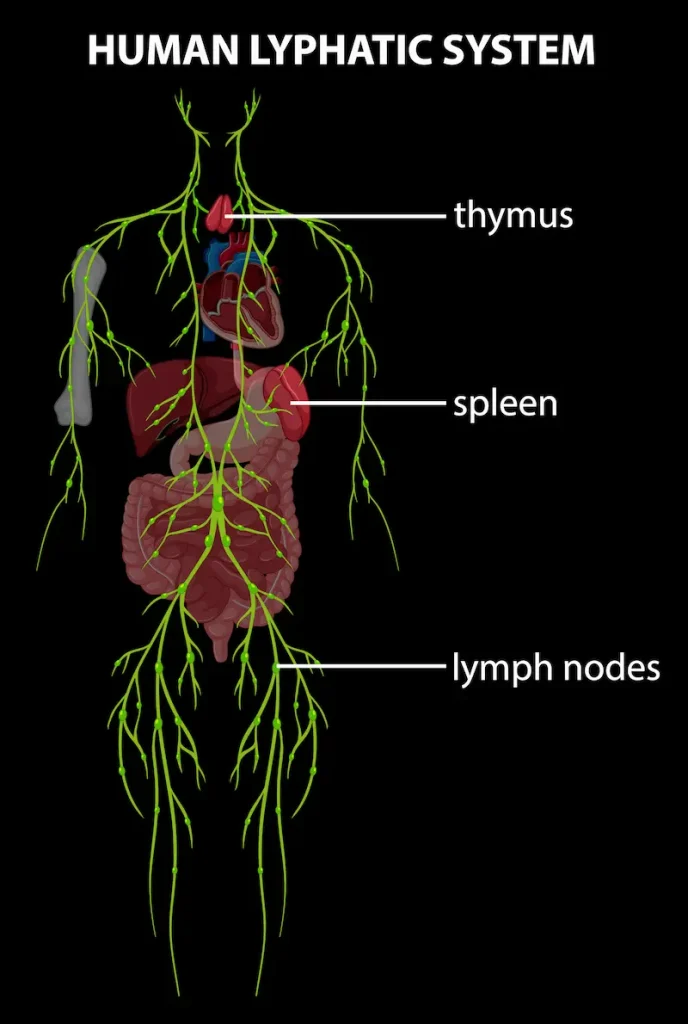
The lymphatic system is the body’s silent cleaner — a network of vessels that carries excess fluid, immune cells, and waste products away from tissues.
Unlike the heart, the lymph system has no pump; it depends on muscle movement, breathing, and pressure gradients.
When lymph flow slows, waste can accumulate, leading to swelling, inflammation, or sluggish immunity.
Cupping therapy may help by:
- Creating negative pressure that gently mobilizes lymph flow
- Reducing interstitial congestion (fluid trapped in soft tissue)
- Supporting immune cell transport and inflammatory balance
Some clinical studies using thermography and ultrasound imaging show improved lymphatic drainage and faster resolution of localized inflammation after cupping.
While more controlled trials are needed, these findings align with centuries of observational use.
Why Cupping Feels ‘Lightening’
Many people describe feeling “lighter” or “cleaner” after a session.
This isn’t mystical — it’s likely due to redistribution of fluids and increased parasympathetic activity (the body’s “rest and digest” mode).
By releasing muscular and vascular tension, wet cupping may help normalize blood viscosity and reduce localized edema, allowing the body to process metabolic waste more efficiently.
Safe and Evidence-Based Detox Practices
Wet cupping should never replace medical detoxification or emergency care.
However, as a complementary wellness practice, it may support:
- Post-exercise recovery
- Chronic fatigue and muscle stiffness
- Circulatory sluggishness from long sitting or poor posture
To practice safely:
- Hydrate well before and after the session.
- Avoid heavy meals or alcohol within 6 hours before treatment.
- Allow 48–72 hours between sessions for tissue recovery.
- Ensure all tools are sterile and disposable.
It’s also advisable to consult a qualified practitioner who understands both anatomy and contraindications — for example, avoiding cupping on varicose veins, open wounds, or areas with poor skin integrity.
Beyond “Toxin Removal” — Restoring Balance
Scientific language may differ from traditional metaphors, but the underlying aim is similar: to restore flow where stagnation builds up.
Instead of seeing detox as extracting poison, modern understanding frames wet cupping as:
- Improving microvascular exchange (oxygen, nutrients, and metabolites)
- Enhancing lymphatic clearance
- Supporting the body’s own detox organs indirectly through better circulation
This is why the sensation after treatment is often described as “clarity” or “lightness” — the body is functioning closer to equilibrium.
The Takeaway — Detox Is Circulation
True detox isn’t about purging toxins. It’s about keeping your circulatory and lymphatic systems dynamic.
Wet cupping offers a time-tested, observation-backed method to do just that — by targeting areas where flow slows, releasing mechanical tension, and encouraging natural drainage.
In modern terms, wet cupping can be seen as a microcirculatory reset, not a miracle cleanse — but one grounded in both tradition and physiology.
Get the free at-home wet cupping tutorial — an easy-to-follow e-book with videos, featuring the 5 essential points every wet cupping practitioner must know — inside Natural Reset: Modern Wet Cupping Made Simple.