
Why Wet Cupping Doesn’t Always Work on the First Session
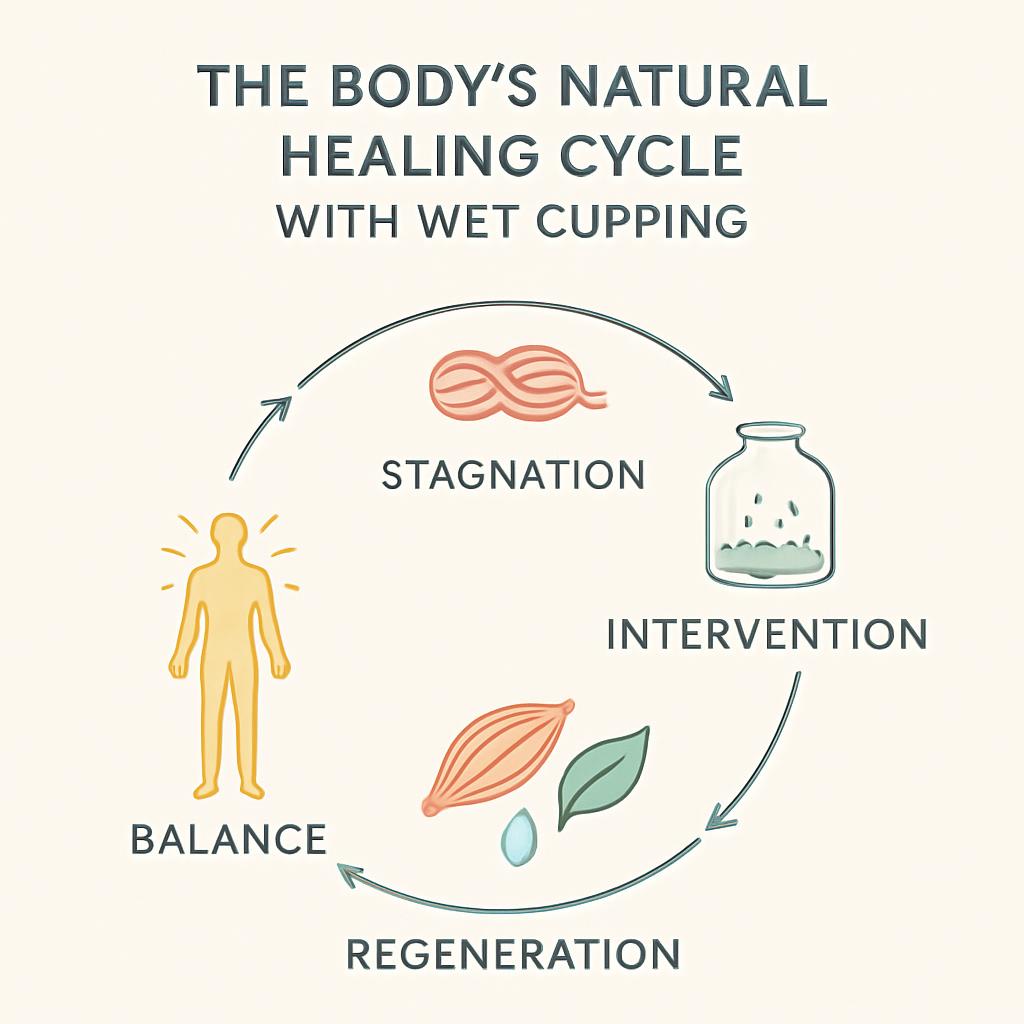
Wet cupping is known for delivering noticeable relief—many people feel lighter, clearer, and less tense after just one session. But it’s also true that for others, progress feels slower. This doesn’t mean the method “failed.” Instead, the body is simply adjusting, reorganizing circulation, and recalibrating its internal balance. Just like exercise, nutrition changes, or posture correction, wet cupping works best as a process. The results build, layer by layer, depending on your tension patterns, vascular congestion, and daily habits. Below is a clear, evidence-informed explanation of why improvements aren’t always immediate—and how to make each session more effective. Understanding How the Body Responds Wet cupping affects multiple physiological networks at once: circulation, lymphatic flow, muscle tone, and the stress-tension axis. Because each person carries a different combination of blockages and lifestyle stressors, the response time varies. Your tension map matters Some people have migraines linked to SCM tension, neck stiffness, or upper-back congestion. Others have symptoms tied to sleep deficiency, hormonal patterns, digestive load, or chronic inflammation. If your tension network is complex—or has been building for years—the first session may only “unlock the door” rather than fully clear the pathway. Blood stagnation doesn’t normalize instantly Wet cupping helps release micro-stagnation and improve perfusion. But the body still needs time to re-oxygenate tissues, drain metabolites, and adjust pressure gradients. Think of the first session as opening a channel; the subsequent sessions help widen and stabilize it. Your nervous system is recalibrating If your body lives in a long-term stress state, your muscles and vessels may not relax deeply during the first session. Once your nervous system learns the pattern of release, later sessions work faster and more effectively. Why Frequency and Patience Matter Each session builds on the previous one Cupping session Wet cupping is cumulative, not one-time magic. The first session identifies where congestion sits. The second reduces its intensity. The third improves deeper circulation. Many people start feeling clearer results around the second or third visit because the body finally has enough circulation “momentum.” This layered response is common in people with: chronic migraines hormonal-related headaches insomnia high muscle tension stress-driven neck and shoulder tightness Ideal frequency for effective results Most practitioners recommend: Once every 2 weeks for therapeutic progress. Once every 4–6 weeks for maintenance after improvements stabilize. Too much spacing between early sessions slows progress; too frequent sessions may overwhelm recovery. The sweet spot is consistent—but balanced—repetition. Patience helps your biology settle Just as physical therapy doesn’t fix posture in a single day, wet cupping needs time for tissue remodeling, circulation shifts, and nervous-system recalibration. Patience isn’t passive—it’s part of the therapeutic design. Supporting Habits and Routines Even the best wet cupping protocol can only work as well as your daily habits allow. Symptoms like migraines, tension, or insomnia often come from lifestyle patterns that silently rebuild congestion. Here’s how to make your wet cupping results stronger and longer-lasting. Posture and micro-movement Small daily corrections—lifting the chest, relaxing shoulders, gentle neck mobility—keep blood flow open between sessions. Stagnation quickly returns if your head stays forward for hours each day. Hydration and mineral balance Water, electrolytes, and steady nutrition help maintain the improved circulation that cupping creates. Dehydration thickens blood and slows recovery. Stress-recovery practices Slow breathing, light stretching, sunlight exposure, and consistent sleep ease the nervous system. This makes your muscles more responsive and prevents tension from re-accumulating. Sleep quality matters Deep sleep stabilizes hormonal rhythms and reduces inflammatory load, which directly influences how well you respond to wet cupping—especially for migraines, PMS tension, or stress-related headaches. Consistency beats intensity It’s not about doing everything perfectly. It’s about small, repeatable habits—the very things that allow the benefits of wet cupping to continue working long after each session ends. Putting It All Together Wet cupping does work—often powerfully—but not always instantly. Some people feel immediate relief; others need several sessions before changes become noticeable. This is normal, expected, and rooted in how the body heals. When you combine: a well-designed cupping protocol, the right frequency, and supportive daily habits, you give your body the best environment to respond, recover, and rebuild healthier patterns. Wet cupping is a partnership between what happens on the table and what you do in between sessions. With patience and consistency, the results become clearer, deeper, and longer-lasting.
The Art of Cupping Points Placement
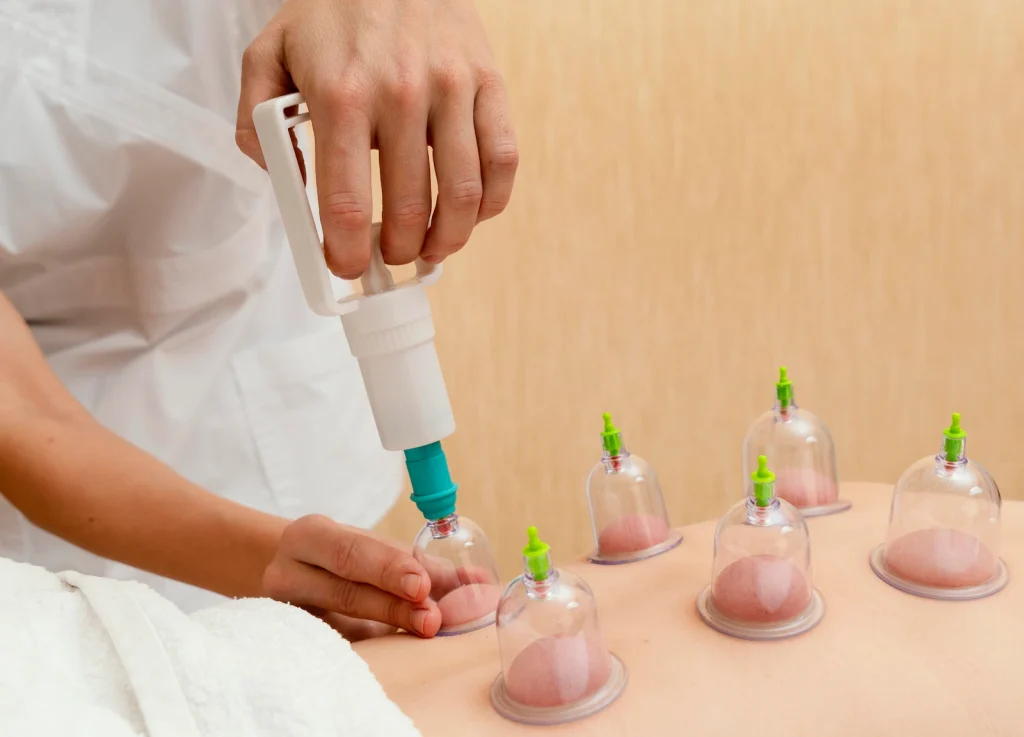
Every successful wet cupping session begins with placement. The art of choosing where to apply the cups is not superstition — it’s physiology in action. For centuries, healers in different cultures have mapped the human body with remarkable precision, selecting points that influence circulation, muscle tension, and even internal organ function.Today, modern anatomy and microcirculatory science provide a clear explanation for why those points work. The Body’s Natural Highways of Circulation Blood doesn’t flow evenly throughout the body. Some regions — such as the upper back, neck, and shoulders — act as circulatory crossroads where large muscles, major veins, and nerve pathways intersect.When daily stress, poor posture, or sedentary habits reduce flow in these zones, blood becomes sluggish, and tension builds up. These are the very areas traditional maps identify as primary cupping points. From an anatomical point of view, cupping along these “traffic hubs” helps to: Relieve local congestion in superficial veins and capillaries Stimulate oxygen delivery to overused muscle groups Reduce referred pain that radiates from stiff fascia or compressed nerves In other words, the traditional body map mirrors the functional geography of circulation and tension. Why Specific Points Trigger Systemic Effects Many cupping points correspond to what modern physiology calls neurovascular bundles — areas where blood vessels and sensory nerves run side by side.By stimulating these points, cupping can activate local reflexes that influence distant organs through the autonomic nervous system. For example: Points near the upper back and between the shoulders affect respiratory efficiency and upper-body tension. Points around the lower spine and sacrum influence digestive and pelvic circulation. Points at the base of the neck can modulate blood pressure regulation and relieve headaches caused by muscle compression. This network of reflex responses is now being studied under terms like somato-visceral reflex — the scientific explanation for what traditional healers described as “connected meridians” or “energy pathways.” Modern Mapping Meets Traditional Logic Traditional cupping charts — whether from the Middle East, China, or Southeast Asia — may look symbolic, but their placement patterns follow clear physiological logic.For instance, the seven-point back protocol (upper neck, between the shoulders, along the spine, and at the lower back) aligns perfectly with the venous return pathways that drain blood toward the heart. Likewise, cupping around the scapulae and trapezius releases chronic muscle tension that restricts microcirculation.This improves oxygen exchange not only locally but also across the lymphatic system, promoting detoxification and immune balance. The key idea: even without MRI or Doppler ultrasound, early practitioners observed cause and effect over centuries. The map may have been drawn in symbolic language, but the science behind it was observational and empirical. How Practitioners Choose the Right Points A skilled wet cupping practitioner reads the body like a topographic map — noting where circulation pools, where the skin feels colder or tighter, or where tenderness indicates trapped tension.Cupping points placement depends on both pattern recognition and physiological feedback. Here’s how placement decisions often work: Assessment: The practitioner identifies zones of stagnation (palpable tightness, temperature difference, or dull pain). Selection: Cups are applied on or near these zones to stimulate local flow. Adjustment: Pressure and duration are adapted to the individual’s constitution, age, and health condition. Unlike a random or cosmetic approach, true cupping placement follows the logic of fluid dynamics — restoring balance between inflow (arterial) and outflow (venous and lymphatic). The Evolving Science of Body Mapping While charts provide a helpful guide, every body tells its own story. True mastery in cupping is not memorizing 120 points, but understanding why they exist — how circulation, nerves, and tissues interact beneath them. By focusing on function rather than mysticism, practitioners can tailor sessions to individual needs: Athletes may benefit from upper-back and thigh points to improve muscle recovery. Office workers may need cervical and shoulder points to ease tension headaches. Those with chronic fatigue or poor digestion may respond best to mid-back and lower spine zones. The map becomes alive — not static — adapting to each body’s unique rhythm. The Takeaway — Placement Is Physiology Cupping points are not mystical coordinates; they are strategic circulatory junctions.Whether drawn in ancient ink or shown on a modern body chart, their purpose is the same: to restore flow where stagnation builds, to reset circulation, and to let the body breathe again through its own microvascular intelligence. The art of placement, then, is both ancient and modern — a dialogue between intuition and anatomy, tradition and physiology. If you’re ready to understand wet cupping on a deeper, more practical level, visit our Bookstore. You’ll get a free foundational eBook complete with video guidance — plus a collection of comprehensive wet cupping books designed to help you learn with confidence.
Proper Wet Cupping Aftercare for Healthy Skin
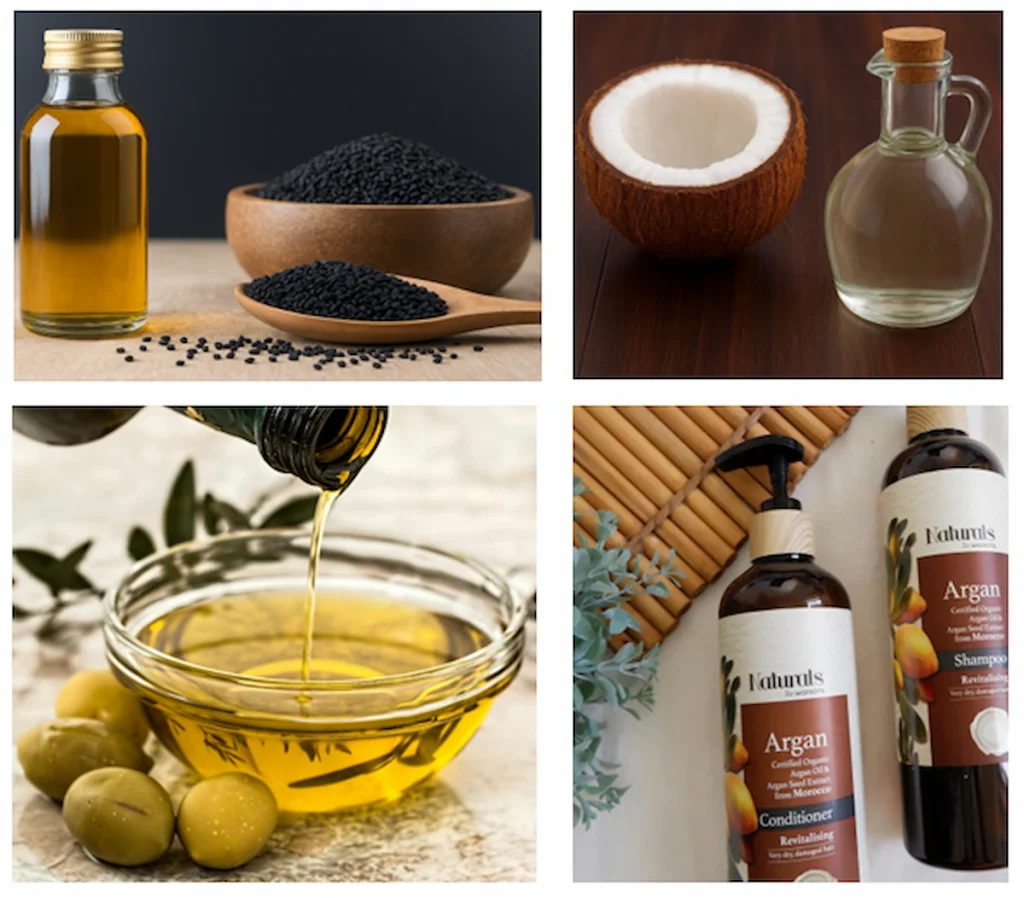
After a wet cupping session, your body has experienced controlled suction and gentle microbleeding. This process promotes circulation, relieves tension, and removes stagnant blood — but your skin, as the first line of defense, also deserves mindful care. Proper aftercare not only supports healing but also determines how long the marks last. With the right approach, redness and spots fade faster, leaving your skin calm, clean, and nourished. Cleansing and Antiseptic Essentials Natural Herbal Oils for Wet Cupping Aftercare Right after a session, cleanliness is crucial. Tiny micro-incisions created during cupping make the skin temporarily vulnerable to bacteria, so your first step is always gentle cleansing. Use mild antiseptics or antibacterial soap. Gently clean the treated area without scrubbing or rubbing. Avoid harsh chemicals. Alcohol-based products may sting and cause dryness, slowing down natural repair. Pat dry carefully. Use a soft, clean towel — never wipe — to avoid reopening microcuts. Maintaining hygiene in the first 24–48 hours ensures safe healing and prevents infection. However, antiseptics alone don’t help your skin regenerate faster. This is where natural oils make a difference — they nourish, soothe, and minimize marks more effectively than relying on alcohol or chemical cleansers alone. Natural oils for wet cupping aftercare Applying natural oils as Wet cupping aftercare is important step to provides the skin with nutrients, antioxidants, and protective moisture. Oils work as a natural barrier, keeping out bacteria while softening the tissue underneath the cupping marks. The following options are among the most effective: Virgin Coconut Oil (VCO): Rich in lauric acid, VCO acts as a natural antimicrobial and anti-inflammatory. It soothes redness, supports collagen formation, and gives a smooth texture during recovery. Olive Oil: Packed with vitamin E and antioxidants, olive oil helps repair damaged tissue and restore moisture balance. It also strengthens the skin barrier against dryness. Black Seed Oil: Traditionally praised for enhancing circulation and reducing irritation, black seed oil supports detoxification while keeping the skin calm and protected. Argan Oil: Extracted from Moroccan argan kernels, this oil is loaded with omega fatty acids and vitamin E. It accelerates regeneration, fades marks, and prevents post-cupping pigmentation. Tea Tree Oil (diluted): When used in small, diluted amounts, tea tree oil provides antibacterial defense while preventing clogged pores or irritation. It’s especially useful for those with acne-prone or sensitive skin. Why natural oils matter: Studies on skin regeneration show that plant-based oils deliver essential lipids that help restore the epidermal barrier. Compared with using only alcohol or antiseptics, which can strip moisture and delay tissue repair, applying oils after cleaning promotes faster mark fading, softer skin, and fewer residual dark spots. Apply a thin layer of your chosen oil twice daily for 2–3 days after each session. Massage lightly in circular motions around, not directly on, the open microcuts. Gentle Massage and Relaxation Once the skin has sealed (usually after 12–24 hours), light massage supports blood flow and lymphatic drainage — two key elements for faster recovery. Use minimal pressure. Focus around the cupped zones instead of pressing the marks directly. Circular and upward motions. Encourage circulation and oxygen delivery to healing tissue. Incorporate relaxation techniques. Deep breathing or gentle stretching helps your body integrate the therapy’s detox effects. Massage, when combined with natural oil use, reduces stiffness, supports oxygen exchange, and keeps the skin supple. Additional Aftercare Tips Avoid direct sunlight on the treated areas for at least 24 hours. UV exposure can darken marks and slow fading. Skip saunas or hot baths immediately after sessions to prevent irritation or inflammation. Wear loose, breathable clothing to reduce friction and sweating. Stay hydrated. Proper hydration assists blood flow, cell renewal, and toxin clearance. Eat antioxidant-rich foods like fruits and leafy greens to boost the body’s natural healing response. Following these steps keeps the skin resilient, smooth, and evenly toned — while letting your body fully enjoy the circulatory and detox benefits of wet cupping. Key Takeaway After wet cupping, proper aftercare is as essential as the session itself. Gentle cleansing, mild antiseptic use, and the application of nutrient-rich natural oils like VCO, olive, black seed, argan, and diluted tea tree oil help the skin heal faster and fade marks naturally. Compared to using only alcohol or chemical antiseptics, natural oils maintain moisture, prevent irritation, and restore the protective lipid layer that supports regeneration. Combined with relaxation, light massage, and hydration, this approach ensures that the benefits of wet cupping — improved circulation, relaxation, and detoxification — come with healthy, radiant skin to match. For more guidance on supplies and natural products, visit our linked article on Antiseptic and Natural Herbal Oils.
Why Wet Cupping Should Be Done on an Empty Stomach?
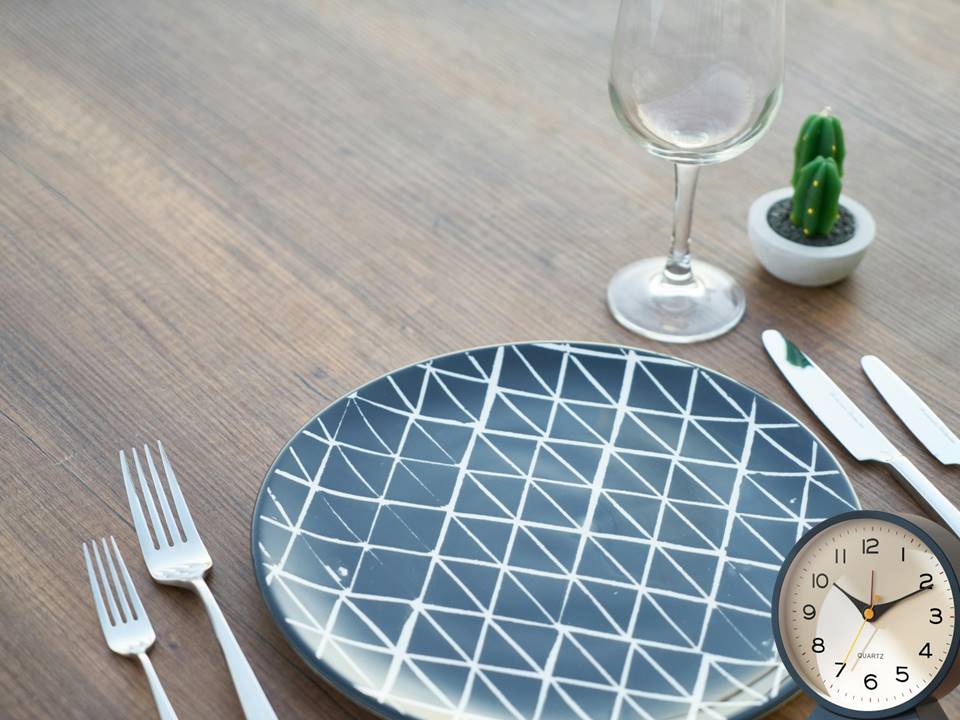
Wet cupping has been practiced for centuries as a method to release stagnant blood and restore natural balance in the body. Among the traditional recommendations, one stands out consistently across all cultures: never perform wet cupping right after eating.While it may sound like an old tradition, this advice is deeply rooted in both physiology and practical experience. Performing wet cupping on an empty stomach helps maintain stability, comfort, and optimal results during and after the session. 3 hours fasting before wet cupping session Circulatory Efficiency and Blood Flow Balance How Digestion Competes with Cupping Circulation When we eat, the body directs a large portion of blood flow toward the digestive organs — stomach, liver, and intestines — to help process nutrients.If wet cupping is performed during this time, circulation becomes divided. The suction process may draw blood inefficiently, and the client can feel weak or dizzy because the body is already under digestive strain. By waiting at least 3–4 hours after a meal, the circulatory system returns to balance. The blood is free to flow evenly throughout the body, allowing wet cupping to remove stagnant blood more effectively and safely. Nervous System Harmony Aligning the Body’s Internal Signals Digestion activates the parasympathetic nervous system, the “rest and digest” mode.Meanwhile, wet cupping mildly stimulates both sympathetic and parasympathetic pathways as it triggers a controlled local stress response.If both systems are competing — digestion on one side, cupping stimulation on the other — the result may be discomfort or light-headedness. When the stomach is empty, the body’s neuro-reflex activity is calmer and more focused. Practitioners consistently observe that clients feel more relaxed, their pulse steadier, and the skin’s response more predictable when wet cupping is performed in this balanced state. Improved Detoxification and Blood Quality Cleaner Flow, Better Results From a circulatory standpoint, wet cupping on an empty stomach helps the body clear “stagnant blood” more efficiently.After eating, the blood tends to thicken slightly due to lipid absorption and digestive processes. This makes extraction slower and may increase bruising or post-session heaviness. In contrast, fasting or light pre-session conditions keep blood viscosity lower and metabolism more active. The suction phase works smoothly, and the released fluid appears cleaner — a sign of better physiological balance. Reduced Risk of Nausea and Vasovagal Reactions Preventing Sudden Drops in Blood Pressure Some individuals, especially beginners, may experience mild dizziness or nausea if cupping is done too soon after a meal. This reaction, known as a vasovagal response, occurs when blood pressure suddenly drops due to mixed signals between the digestive system and the brain. With an empty stomach, the body’s focus is clear — it’s not diverting energy toward digestion. This stability minimizes risk, maintains mental clarity, and ensures the session remains comfortable from start to finish. Syncing with the Body’s Natural Rhythms The Best Time for Wet Cupping Traditional healers and modern practitioners agree that timing matters.Morning hours — especially between 8 a.m. and 11 a.m., before heavy meals — are considered ideal. At this time, the metabolism is active, circulation is clean, and the skin responds optimally to suction. This aligns with the natural detox rhythm of the liver and lymphatic system, which work overnight and finish their “cleansing shift” by late morning.Performing wet cupping during this window amplifies its natural effect on vitality and recovery. A Mindful Act of Respect Toward the Body Turning a Routine into a Ritual Practicing wet cupping on an empty stomach is not just a technical step — it’s an act of respect.It acknowledges that healing is a cooperative process between body and practitioner.When the client’s system is calm, unburdened by digestion, and receptive, the session becomes more than therapy — it becomes a mindful ritual of renewal. Summary Key Benefit Explanation Better circulation Blood flow is not diverted to digestion, allowing smoother extraction. Stable nervous response Balanced sympathetic and parasympathetic activity prevents dizziness. Cleaner detox effect Lower viscosity and lighter circulation make cupping more efficient. Comfort and clarity Less nausea, less fatigue, and deeper relaxation. Traditional and scientific harmony Aligns ancient wisdom with modern physiology. Discover how wet cupping supports digestive health—learn more in our article.
How Wet Cupping Home Self-Practice Becomes Possible

What I experienced made me truly grateful. Eventually, I learned the wet cupping techniques myself so that I could apply them independently to maintain my own health. Over the years, I have shared this therapy with many people, and the responses have been remarkably consistent — many experienced lighter bodies, clearer heads, and more stable blood pressure and cholesterol levels. These experiences are also supported by emerging research on the physiological effects of wet cupping. While individual results vary, the consistency of positive experiences highlights the potential of wet cupping as a natural self-care approach. The speed of recovery differs from person to person — those in the early or moderate stages of health problems usually feel results quickly, while those with more severe conditions may need more time. Yet even then, the effects remain overwhelmingly positive. Why Wet Cupping Is Ideal for Everyday Life Wet cupping is not just an ancient tradition — it is: Safe — when practiced with proper tools and hygiene. Practical — simple enough to be taught, learned, and applied in everyday life. Easy — a session takes little time, and the technique is straightforward. Affordable — it requires only basic, low-cost tools within reach of almost anyone. The methods shared in this book have been safely practiced for over twenty years, refined through direct experience and observation. This knowledge deserves to spread across the world — simply, affordably, and widely. Imagine how transformative it would be if every household knew this ancient yet simple method of restoring balance. The world could become healthier, freer, and less anxious about long-term medical dependence. Therapy That Connects People You do not need to be a professional therapist. You can practice it for yourself, your family, and open-minded friends — while staying mindful of hygiene and proper technique. Because wet cupping is often performed on the back, it naturally invites connection and care from others. This shared practice fosters mindfulness, empathy, and a sense of mutual healing — turning wellness into something communal and compassionate. How Self-Practice Becomes Possible Self-practice is now supported by modern sterile tools, making it safe for home use under proper guidance. Mass-produced medical tools are safe, simple, and inexpensive. In very limited conditions, you only need less than five dollars to obtain a lancing device with sterile lancets, antiseptic, and basic household cups. With around twenty dollars, you can equip yourself with reusable cupping sets that last for years. Affordable Tools, Global Impact In a world where millions struggle with circulation-related problems and lifelong dependence on medication, wet cupping offers another path — a natural, empowering, and liberating complement to conventional care. The availability of modern sterile tools makes home practice accessible to anyone, anywhere. Research supports its safety when done correctly (Farhadi et al., 2019; Lee et al., 2017). The simplicity of the method hides its deep wisdom: by mastering this gentle technique, every household can bring ancient healing philosophy into modern life — safely, consciously, and sustainably. Free Wet Cupping Tutorial: Step-by-Step and Easy to Follow Yet in many regions, trained therapists are unavailable, leaving people unsure how to begin. That is why the book Natural Reset was created: a complete guide that can be freely accessed by anyone, including practical video tutorials. Here, you will also learn how to obtain modern wet cupping equipment at affordable prices, making it possible for every household to practice safely and confidently. The beauty of modern, affordable tools is that they bring the ancient wisdom of wet cupping into every home. When used with sterile equipment and proper hygiene, wet cupping at home becomes a skill anyone can master, combining centuries-old tradition with modern convenience and safety. Get the free at-home wet cupping tutorial — an easy-to-follow e-book with videos, featuring the 5 essential points every wet cupping practitioner must know — inside Natural Reset: Modern Wet Cupping Made Simple.
Does Wet Cupping Hurt?
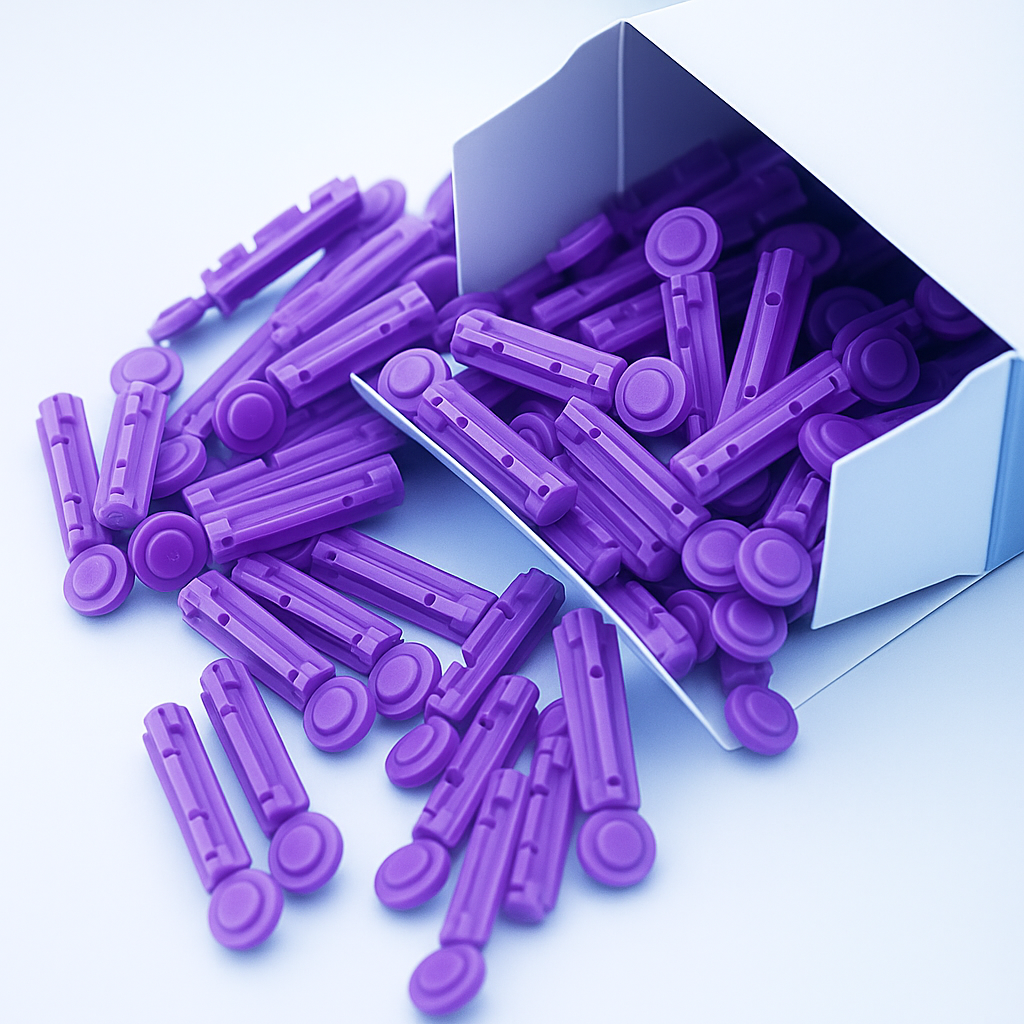
Most people trying wet cupping (Hijama) for the first time are surprised. They expect pain — but instead say: “Wait… that’s it? I barely felt anything!” When done correctly, wet cupping is one of the gentlest and most relaxing natural healing methods. Here’s why it feels almost painless — and how your body naturally adapts to it. The Cup’s Suction Naturally Numbs the Skin As the cup gently pulls the skin and superficial tissue, it lightly compresses nerve endings, temporarily reducing the sensation of pain. At the same time, the increased local blood flow stimulates the release of endorphins, the body’s natural pain-relieving chemicals. Combined with the mild numbness that develops over a few minutes of suction, this effect makes the subsequent lancet pricks feel minimal and surprisingly comfortable. Like a Natural Anesthetic When the cup is placed and air is gently removed, a mild vacuum forms. This vacuum slightly lifts the skin, increases blood flow, and — surprisingly — acts like a natural anesthetic. The suction stretches the skin and tiny nerves underneath. This brief stretch reduces sensitivity for a short time. Warm blood flow distracts the brain from pain signals. This effect, known as mechanical desensitization, means the cup itself helps prepare your skin before the pricks even begin. Most people feel only a tickle or light tapping, not pain. The 21G Lancet — Small, Sharp, and Gentle The pain we feel from a needle is not determined solely by its length, but also by its diameter. Very thin needles (e.g., under 25G) press on nerve endings over a smaller area, creating a sharper point of pressure and making the sensation more intense, even though the penetration is shallow. Slightly larger needles, such as 21G, distribute the pressure over a wider area, producing a flatter, less sharp sensation and therefore feeling noticeably more comfortable. Choose the Right Lancet Size for Maximum Comfort Wet cupping uses a fine medical-grade needle (21G, 0.8 mm). It’s designed for precision and comfort: Just right depth: only reaches the surface capillaries, not deeper pain receptors. Smooth entry: opens micro-holes cleanly, so tissue heals quickly. Soft tapping: practitioners make light, rhythmic touches instead of cuts. With the skin already numbed by suction, the experience feels light and controlled. The Brain’s Natural Pain Filter Applying suction for 3–5 minutes causes the skin to become slightly numb, so the lancet pricks are barely noticeable. This gentle preparation ensures minimal discomfort while allowing the wet cupping process to work effectively on the superficial capillaries. Gate Control Theory of Pain According to the Gate Control Theory of Pain, your brain focuses on stronger sensations first — like suction — and blocks weaker ones, such as the light pricks. It’s the same reason rubbing your arm after bumping it reduces pain. During wet cupping: The brain senses the suction. Then it filters out the mild prick sensation. You feel calm — almost no pain. Preparation Makes Everything Smoother Comfort comes from good preparation. Before wet cupping: Warm the area with gentle rubbing or warm water. Apply the cup for 2–3 minutes before the scratches. Always use clean, sharp lancets. When done right, wet cupping can feel almost meditative — a reset for both body and mind. Does Wet Cupping Hurt?: Pain Level Comparison Compared to other minor procedures — such as acne extraction or injections for insect bites — wet cupping ranks among the least painful. The sensation is mild, often described as a gentle pulling or light pressure, rather than sharp pain. This low level of discomfort makes wet cupping accessible to most people, even those who are sensitive to needles or minor skin procedures, while still delivering its therapeutic benefits safely. Almost Painless Procedure Pain Level (1–10) Sensation Injection (vaccine) 5–6 Sharp sting Blood draw 4–5 Mild ache Finger prick 3–4 Quick pinch Wet cupping (21G) 1–2 Light tapping, almost painless In Simple Terms “The cup prepares the skin. The needle only whispers.” That’s the essence of proper wet cupping (Hijama) — it reaches deep into your body’s circulation and healing systems, yet feels incredibly gentle on the surface.