
The Hidden Layer of Detox: How Wet Cupping Completes What Dry Cupping Starts
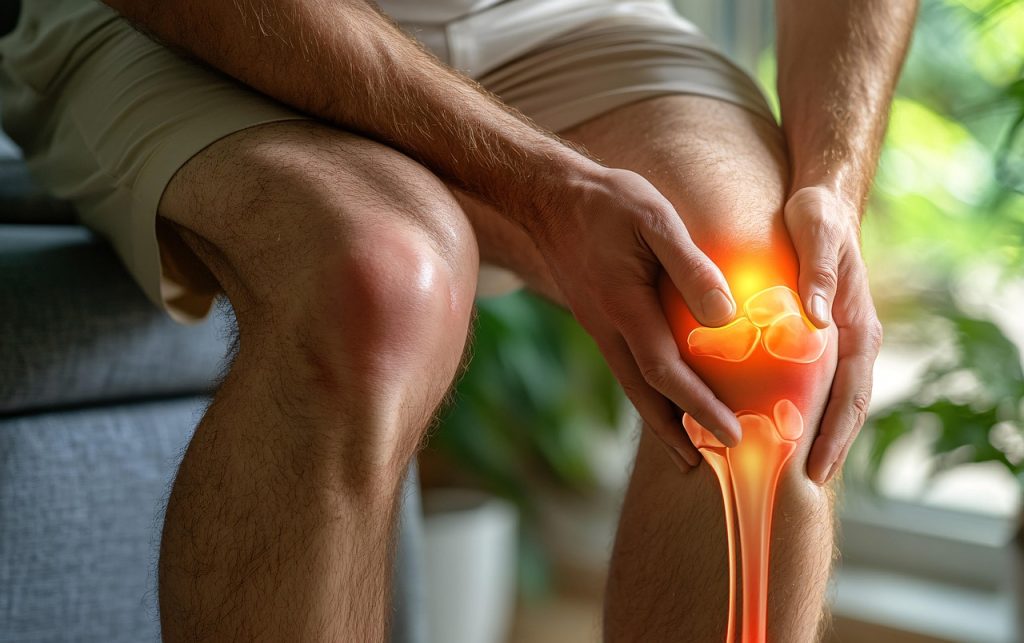
Detoxification has become one of the biggest buzzwords in modern wellness — from juice cleanses to infrared saunas. But long before those trends, traditional medicine had its own physical form of detox: cupping therapy. Cupping works by using suction to lift the skin and stimulate circulation beneath it. There are two main types: dry cupping, which relies solely on suction, and wet cupping, which involves gentle blood release after suction to remove what practitioners call stagnant blood. While dry cupping opens the pathways, wet cupping completes the detox process by reaching the deeper layers where waste and inflammation often accumulate. Let’s explore how these two methods actually complement each other inside your body. Joint Knee and Muscle Injury How Dry Cupping Stimulates Surface Flow In dry cupping, a therapist places a cup on the skin and creates suction — either by heat (traditional fire cupping) or by using a modern vacuum pump. This negative pressure gently lifts the skin and underlying tissues, drawing blood toward the surface. At a microscopic level, this process increases capillary dilation and triggers a mild inflammatory response. It’s not harmful; rather, it’s your body’s signal to start repair and regeneration. The area becomes flushed with oxygenated blood, nutrients, and immune cells. That’s why athletes often use dry cupping for muscle recovery and pain relief. The technique releases tension in the fascia, improves local circulation, and encourages lymphatic movement — essentially a “surface detox.” But while dry cupping is excellent for improving flow and relieving tightness, it doesn’t actually remove the old, stagnant blood trapped within small vessels. That’s where wet cupping comes in. Why Wet Cupping Reaches Deeper Wet cupping, sometimes called Hijama in traditional medicine, adds one more step to the process. After the first suction, the cups are briefly removed, and the skin is lightly pricked with a sterile disposal lancet or blade. The cups are then reapplied, allowing a small amount of dark, thick blood to be drawn out. This is how wet cupping completes what dry cupping starts. This extracted blood isn’t “random” — studies suggest it often contains higher levels of oxidized molecules, heavy metals, and inflammatory markers compared to venous blood.In other words, it’s the older, less oxygenated portion of circulation that contributes to fatigue and inflammation. Research published in the Journal of Alternative and Complementary Medicine by Tagil et al. (2014) found that wet cupping improved local blood flow and tissue oxygenation, supporting the body’s natural cleansing mechanisms. Another review by Ernst & Lee (2011) noted that the process may promote immune modulation and reduce oxidative stress. This makes wet cupping more than just a traditional ritual — it’s a biologically plausible deep-level detox technique. Blood, Lymph, and Cellular Waste Pathways To understand the deeper logic behind wet cupping, imagine your body’s internal cleaning system.Your bloodstream transports nutrients and oxygen, while the lymphatic system carries away waste and excess fluids. When circulation slows or inflammation builds up, metabolic waste can accumulate in localized areas — often perceived as stiffness, fatigue, or heaviness. Dry cupping helps by mobilizing these fluids. Wet cupping goes further by removing a small portion of the trapped, stagnated blood, allowing the body to replace it with fresh, oxygen-rich circulation. This dual action — mobilize and remove — mirrors how the body’s detox systems naturally function. It’s not about “flushing toxins” in the trendy sense, but rather restoring flow and balance at the microcirculatory level. That’s why after a wet cupping session, many people report lighter muscles, clearer skin tone, and a noticeable sense of mental clarity. The body isn’t just relaxed — it’s recalibrated. Complementing Both for Holistic Detox In reality, dry and wet cupping aren’t competing methods; they’re sequential layers of the same process. Dry cupping awakens the surface circulation and prepares tissues, while wet cupping finalizes the release — both working together to promote a more complete internal reset. Practitioners often describe this as “opening the drain.” The suction first draws waste toward the surface; the micro-incision allows controlled release. The body then fills the area with fresh blood, new oxygen, and immune signals, reinforcing local healing. When integrated properly, this combination supports the body’s natural detox rhythm without relying on chemicals or harsh interventions. It’s a gentle, biological detox guided by centuries of observation and now backed by growing physiological research. For those new to the practice, it’s important to ensure it’s done under sterile, professional conditions — ideally by a trained practitioner familiar with Wet Cupping Safety Guidelines and post-session care. Key Takeaway Dry cupping starts the flow. Wet cupping completes it Together, they represent a layered approach to detoxification — not by forcing the body, but by reminding it how to restore its own balance. Modern science is beginning to confirm what ancient practitioners intuitively knew: sometimes, the most effective cleansing happens not through what we add to the body, but through what we gently help it release. If you’re ready to understand wet cupping on a deeper, more practical level, visit our Bookstore. You’ll get a free foundational eBook complete with video guidance — plus a collection of comprehensive wet cupping books designed to help you learn with confidence.
Why Some Cupping Therapies Draw Blood — and What It Means for Healing?
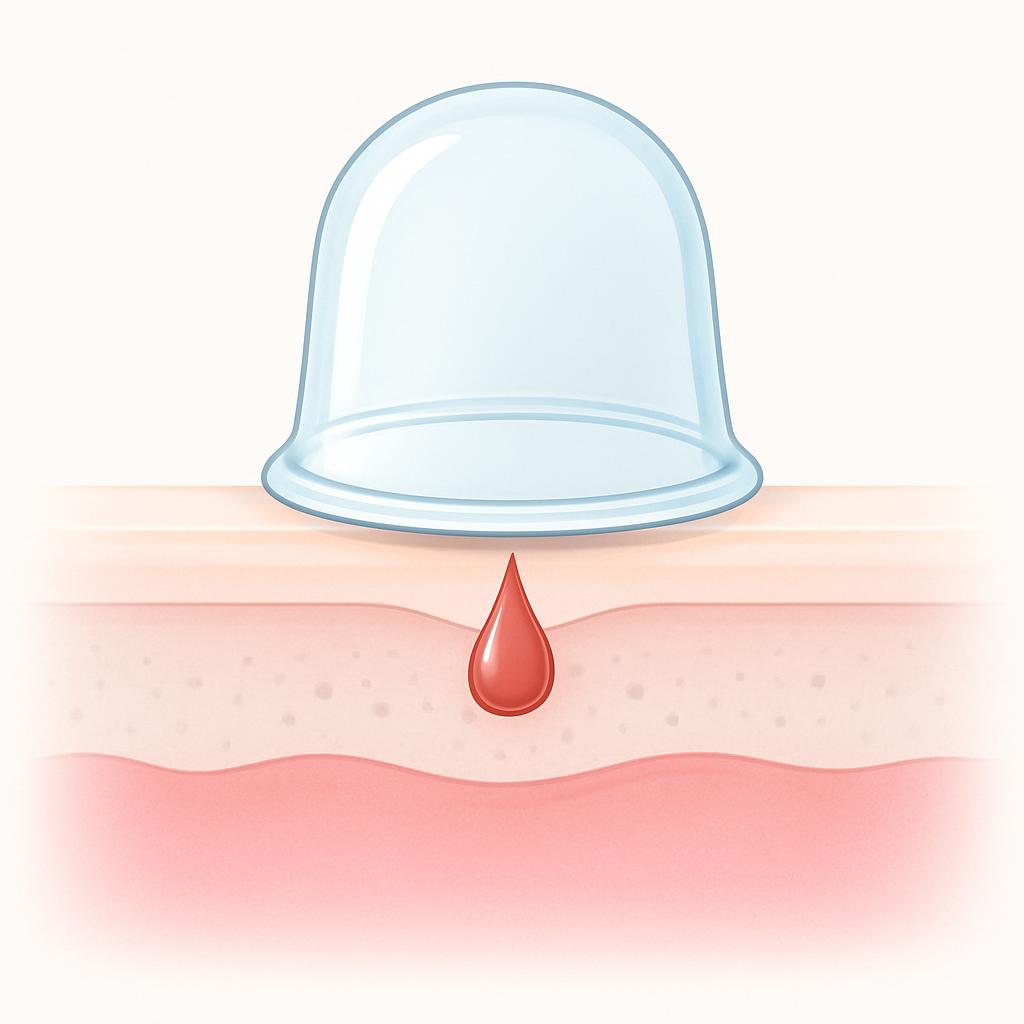
Cupping has fascinated healers for thousands of years — from ancient Egypt to modern integrative clinics across Europe and America. But if you’ve ever seen a session where small amounts of blood are drawn, you might wonder: why does it happen, and is it really necessary? At first glance, the idea of drawing blood might sound intense. Yet within the practice of wet cupping, this controlled release plays a vital role in how the body renews itself. It’s less about losing blood — and more about restoring flow, clearing stagnation, and triggering the body’s built-in repair systems. Let’s uncover the logic behind this ancient practice and what it reveals about how your body heals itself. The Draw Blood Logic In traditional medicine, the act of drawing a small amount of blood through wet cupping isn’t about “bleeding” in the surgical sense. Instead, it’s about releasing pressure and removing stagnation — a term used to describe thick, sluggish, or overused blood that no longer circulates efficiently. Practitioners believe this “old” or stagnant blood can trap waste and oxidative compounds in localized tissues. When cups are applied and suction is created, the negative pressure pulls this heavy blood toward the skin surface. A few shallow incisions then allow it to exit, making way for fresher, oxygen-rich blood. Modern science is beginning to interpret this in physiological terms. Research by Ernst & Lee (2011) suggests that wet cupping therapy creates controlled micro-injuries that stimulate the body’s self-repair mechanisms, increasing microcirculation and improving tissue perfusion. In simple language: when small amounts of blood are released, your body reacts as if it’s been “reset.” It sends in a fresh supply of oxygenated blood, immune cells, and growth factors to heal and balance the area — a process that feels surprisingly energizing afterward. Wet Cupping Draw Stagnant Blood Stagnant vs. Fresh Blood — The Circulation Reset The idea of “stagnant blood” may sound symbolic, but it aligns closely with what we know about microcirculatory dysfunction. In regions where blood flow slows — often due to inflammation, stress, or toxin buildup — capillaries become constricted, and oxygen delivery drops. This creates localized fatigue and pressure. During wet cupping, suction changes these dynamics dramatically. The pressure gradient pulls pooled, deoxygenated blood toward the surface. Once that surface layer is gently released through micro-incisions, the body immediately compensates by sending new, oxygen-rich blood into the area. The result is a cycle of release and renewal. This explains why many clients describe feeling lighter, clearer, or deeply relieved after a session. What they’re sensing isn’t mystical — it’s their circulatory system rebalancing itself. How the Body Reacts After Cupping Vasodilation: Blood vessels widen, increasing oxygen flow and nutrient exchange. Erythropoiesis: The body begins producing new red blood cells to replace those released. Immune activation: Cytokine balance shifts, reducing inflammation and oxidative stress. A study in the Journal of Alternative and Complementary Medicine (Tagil et al., 2014) confirmed that wet cupping improves local tissue metabolism and oxygenation, supporting the detox explanation long held in traditional systems. Interestingly, the mild inflammation that follows is not harmful — it’s a natural part of healing. The immune system uses it to clean up cellular debris and restore equilibrium, much like how exercise induces small muscle tears that later make you stronger. When Blood Release Is Safe and Controlled Not every cupping therapies draw blood, The wet cupping method is typically recommended when signs of stagnation appear — such as chronic pain, muscular knots, migraines, or visible skin discoloration. Modern Safety Standards Today’s certified practitioners perform wet cupping under strict hygiene standards, similar to minor medical procedures. They use disposable cups, sterile blades, gloves, antiseptic cleaning, and proper wound care afterward. The incisions are very shallow — typically less than 1 millimeter deep — and are placed only on specific, safe regions of the body, far from major veins and arteries. When done properly, blood release through cupping is safe, controlled, and biologically purposeful. However, cupping should be avoided for individuals with clotting disorders, severe anemia, or who are taking anticoagulant medication. For most people, the process is gentle, quick, and remarkably restorative. If you’re considering trying it, always review our Wet Cupping Safety Guidelines before booking a session — and choose a practitioner who understands both traditional principles and modern clinical standards. The Deeper Meaning of “Blood Draw” in Healing At a deeper level, the act of drawing blood in cupping symbolizes renewal — letting go of stagnation, both physical and energetic, so the body can replenish itself with vitality. It’s a process of balance rather than depletion. Many holistic practitioners describe it as a dialogue between old and new: the old blood leaves, carrying cellular waste and oxidative stress, while the new blood enters, rich with oxygen and life. This renewal mirrors how the body naturally sheds and regenerates — from skin cells to red blood cells every few weeks. In this sense, wet cupping is both ancient and biological wisdom in action. It demonstrates that healing doesn’t always come from adding something to the body — sometimes, it comes from letting go. Key Takeaway Wet cupping’s controlled blood release isn’t a dramatic ritual — it’s a precise, physiological process that helps your body reset its circulation and detox pathways. By releasing small amounts of old, stagnated blood, wet cupping therapy creates space for new blood, oxygen, and nutrients to flow — enhancing your body’s natural capacity to heal itself. That’s why what may look like a few drops of blood is actually one of the most intelligent healing responses your body can make. Learn how gentle blood release supports circulation—read our full guide here.
Balancing Health vs Symptom Control – The Wet Cupping Way
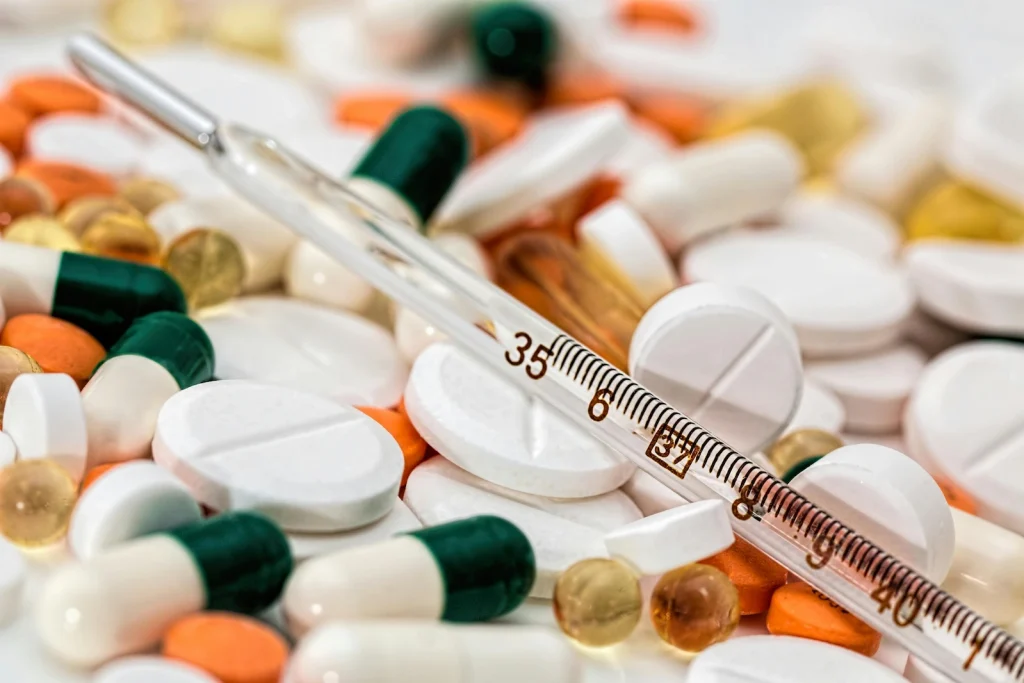
Introduction Understanding the Core Difference Modern healthcare has advanced rapidly, offering precise tools, powerful drugs, and standardized treatments. Yet, despite all this progress, chronic diseases continue to rise. Why? Because most systems still focus on symptom management — reducing pain, lowering blood pressure, or suppressing inflammation — without addressing the root imbalance beneath. In contrast, the systemic health model, as seen in the logic behind wet cupping, takes a different path. Rather than silencing symptoms, it seeks to restore balance in circulation, energy flow, and detoxification. The goal is not temporary relief, but a deeper, long-term state of harmony where the body can regulate and heal itself. Symptomatic Model: Managing the Visible, Missing the Root How Symptom Suppression Works The symptomatic or conventional model operates with a clear goal: to suppress or control symptoms. When someone experiences high blood pressure, pain, or inflammation, medications are designed to quickly normalize those numbers or sensations. Medications aimed at managing symptoms. Strengths and Limitations This approach has undeniable strengths. It provides rapid relief, follows standardized protocols, and is crucial for emergency care. However, its limitation lies in what it leaves behind — the unaddressed causes. Blood stagnation, poor microcirculation, energy blockage, or neuro-hormonal overload often remain hidden. These underlying issues continue to weaken the system, leading to recurring illness. As a result, many patients become dependent on medication, maintaining control over their condition but never truly freeing themselves from it. The symptomatic model, while effective in crisis situations, tends to focus on management, not transformation. Systemic Health Model: The Balancing Approach Restoring Natural Regulation The systemic model starts from a different logic: the body is not a collection of isolated organs but a network of self-regulating systems. The goal is to restore balance, allowing each system — circulatory, hormonal, and nervous — to communicate and function harmoniously. Blood Circulation and Detoxification In this model, techniques like wet cupping play a vital role. Through controlled suction and micro-detoxification, wet cupping stimulates blood flow and encourages the release of metabolic waste. The process reactivates microcirculation, supports oxygen delivery, and balances neuro-hormonal responses — the key mechanisms that maintain natural health. Energy and Neuro-Hormonal Balance The strength of this model lies in supporting the body’s intrinsic healing intelligence. Rather than suppressing symptoms, it corrects the foundation. The result is a gradual but lasting transformation: better vitality, clearer energy flow, and long-term resilience against disease. Comparative Logic: Two Paths, One Goal Comparative Table Aspect Symptomatic (Conventional) Systemic (Wet Cupping) Focus Symptoms only Root causes & balance Approach Suppression & management Restoration & self-healing Dependency Often high Reduced over time Sustainability Limited Long-term & preventive Scope Isolated organs or conditions Whole-body systems Interpretation Both models aim for patient well-being — but their logic diverges. The symptomatic model offers control, while the systemic model offers coherence. One silences the fire alarm; the other removes the fire source Why Balancing Makes Sense Consistency and Adaptability Consistency – The body’s systems are deeply interconnected. Treating one area without considering others often creates imbalance elsewhere. A balancing approach addresses multiple systems at once, ensuring internal harmony. Adaptability – Because it works by stimulating natural regulation, the systemic model adapts across various conditions, from fatigue to metabolic issues. Evidence-Based Logic The principles of wet cupping — improving microcirculation, reducing stagnation, and detoxifying — align with physiological evidence seen in modern research on inflammation and oxidative stress. Patient Empowerment Balance-based care encourages individuals to take part in their wellness journey, shifting from passive medication users to active participants in healing. Integration Potential: A Unified Health Future Complementary Role of Conventional Medicine The future of health doesn’t require rejecting modern medicine — it requires integrating logic. Conventional medicine remains essential in acute or emergency cases, where immediate control saves lives Wet Cupping as a Foundation for Long-Term Balance Wet cupping and other systemic approaches serve as the foundation for long-term balance and disease prevention. Together, they form a resilient, integrative framework — where modern precision meets natural intelligence. Instead of competing, these two models can complement each other, offering patients both stability and sustainability. Conclusion Harmony Over Suppression The Systemic Health Logic shifts focus from merely controlling symptoms to restoring balance — the body’s original blueprint for wellness. When combined thoughtfully with selective modern interventions, this approach creates sustainable health, minimizes dependency, and reignites the body’s self-healing capacity. Healing isn’t about suppression — it’s about synchronization.And that is where modern wellness, through the lens of wet cupping, finds its true and lasting strength. If you’re ready to understand wet cupping on a deeper, more practical level, visit our Bookstore. You’ll get a free foundational eBook complete with video guidance — plus a collection of comprehensive wet cupping books designed to help you learn with confidence.
How Wet Cupping Works: Understanding Its Effects on Blood Pressure
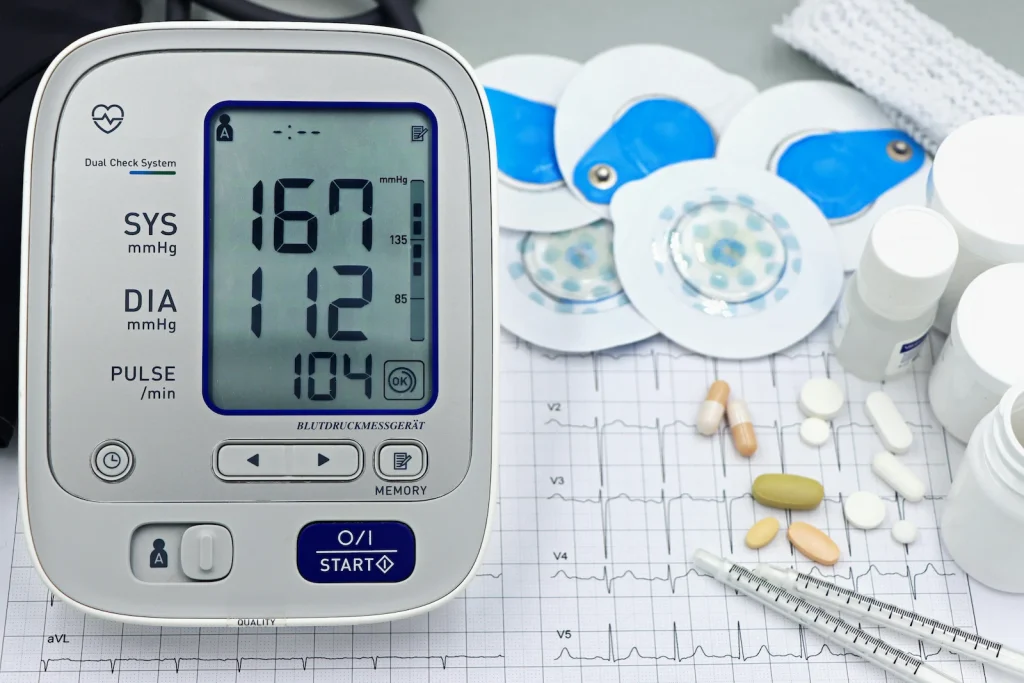
A Simple Look at How Wet Cupping Benefits the Body Wet cupping, also known as Hijama, is one of humanity’s oldest natural healing practices. Its core principle is straightforward: suction. By placing a cup on the skin and removing the air—either with heat or a small vacuum device—a negative pressure is created. This lifts the skin, draws blood toward the surface, and stimulates circulation. In wet cupping, tiny superficial scratches allow a small amount of blood to flow out. This often includes old or stagnant blood cells and metabolic waste that are no longer circulating efficiently. Removing them helps refresh blood flow, much like cleaning a clogged filter. People who practice cupping regularly often report feeling lighter, calmer, and more energized. Scientific studies increasingly explore cupping’s potential benefits for conditions such as high blood pressure and elevated cholesterol. Its effects on circulation, oxidative stress, and lipid metabolism may explain these health benefits (Zhao et al., 2017; Nabati et al., 2012; Yıldız et al., 2014). What Happens in the Body During Cupping Cupping triggers several physiological responses. Blood vessels under the skin expand, enhancing local blood flow. Endorphins, the body’s natural pain relievers, are released, and the nervous system adjusts circulation, producing a calming effect. During wet cupping, when small amounts of blood are drawn: blood cells are renewed, local inflammation decreases, and detoxification processes in the liver and kidneys are stimulated. This gentle “reset” supports circulation, the cardiovascular system, and metabolism, promoting overall balance. How Cupping May Lower High Blood Pressure High blood pressure occurs when the heart pumps blood through narrowed or stiff vessels. Wet cupping may help naturally through several mechanisms: Enhancing Blood Flow and Reducing Resistance Suction opens tiny capillaries, improving microcirculation. Reduced vascular resistance means the heart works less strenuously, gradually helping to lower blood pressure. Calming the Nervous System Cupping stimulates nerve endings that influence the autonomic nervous system. By activating the parasympathetic (relaxing) response, it helps calm the body, similar to meditation or deep breathing. Decreasing Oxidative Stress Stagnant blood can release free radicals, damaging vessels and increasing stiffness. Removing these cells helps restore antioxidant balance and protects arterial health. Supporting Nitric Oxide Production Nitric oxide (NO) relaxes blood vessels. Research shows that cupping can boost NO levels, improving vasodilation and contributing to more stable blood pressure. Get the complete guide to supporting healthy blood pressure at home—includes step-by-step instructions and video tutorials in Wet Cupping for High Blood Pressure
How Wet Cupping Helps Improve Blood Flow Naturally
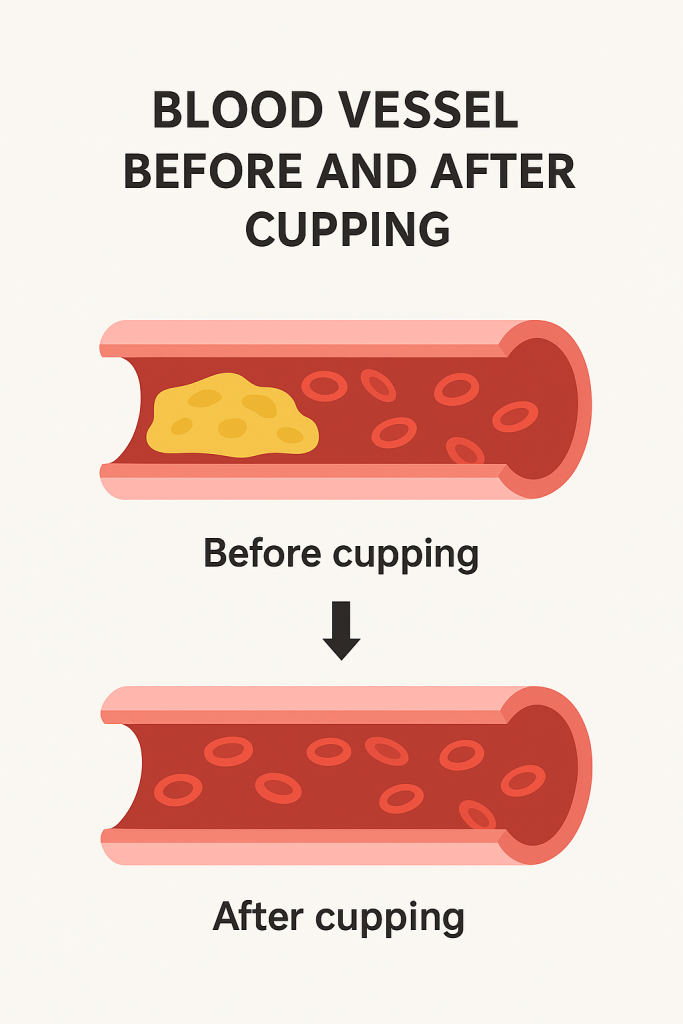
Wet cupping is more than just a traditional wellness technique — it’s like a manual reset for your body’s circulation system. When done properly, it helps clear micro-blockages, balance pressure, and restore a smoother flow of blood throughout your body. How Wet Cupping Works Step by Step During a wet cupping session, your body goes through a simple yet powerful process: Gentle suction draws old, stagnant blood to the surface of the skin. Fresh, oxygen-rich blood quickly flows in to replace it. Tiny blockages in the capillaries begin to open, allowing better circulation. Pressure within blood vessels gradually balances itself. Many people describe feeling lighter, calmer, and clearer right after a session. That “light” feeling often signals that your body’s microcirculation has started to improve — like releasing pressure from a blocked pipe. Wet cupping also helps your body remove excess waste, toxins, and fat residues that can slow down blood flow. This gentle “flushing effect” often leaves your skin warmer and your mind more alert. Even subtle color changes in the skin after a session show that blood flow has been restored — proof that your body is rebalancing itself from the inside out. Restoring the Flow: Understanding Blood Balance the Simple Way To understand how wet cupping improves blood flow, it helps to look at one simple truth: Smooth circulation equals healthy energy. Every cell in your body depends on oxygen and nutrients carried through the bloodstream. When blood flows freely, you feel light, focused, and full of energy. But when the flow slows or gets blocked — especially around the shoulders, neck, and head — you might experience: Stiff or heavy shoulders Dull headaches or dizziness Pressure around the neck Mental fog or tension These symptoms are the body’s natural signals saying: “Your blood flow isn’t smooth.” Poor circulation in these areas doesn’t just affect muscles — it can also influence how well your brain receives oxygen, how your heart maintains pressure, and how your nervous system handles stress. This creates a cycle: tension increases pressure, and pressure increases tension. How Wet Cupping Restores Natural Balance The good news? You can break this cycle naturally. Wet cupping gently removes stagnant blood and reopens microcirculation, allowing fresh blood and nutrients to move freely again. This helps: Reduce tension in the neck and shoulders Support healthy blood pressure Improve oxygen delivery to the brain Calm the nervous system It’s a simple, natural reset — helping your body return to its original rhythm of balance and flow If you’re ready to understand wet cupping on a deeper, more practical level, visit our Bookstore. You’ll get a free foundational eBook complete with video guidance — plus a collection of comprehensive wet cupping books designed to help you learn with confidence.