
Why Emotional Stress Causes Tight SCM Muscle: Wet Cupping

Many individuals notice that when stress levels rise, the neck feels tighter, especially along the sides where the sternocleidomastoid (SCM) muscle resides. This tension is not just uncomfortable—it can contribute to headaches, dizziness, and even sleep disruption. Wet cupping offers a targeted method to release this tightness and restore circulation while addressing the physiological effects of stress. Anatomy of SCM and Stress Impact The SCM is a paired muscle running from the sternum and clavicle to the mastoid process behind the ear. Its primary roles are neck flexion and rotation, but it also interacts with deep cervical fascia and vascular pathways that influence head and ear circulation. When stress activates the sympathetic nervous system, several changes occur: Muscle contraction: Chronic tension causes the SCM to remain partially contracted, restricting neck mobility. Circulatory restriction: Blood flow through surrounding arteries and veins diminishes, reducing oxygen delivery and waste removal. Nerve irritation: Tight SCM can compress cervical nerves, contributing to tension headaches or migraine triggers. These physiological reactions explain why emotional stress often manifests as tightness around the neck, difficulty turning the head, and headache pain behind the eyes or temples (Dommerholt & Huijbregts, 2010). Emotional Stress Illustration Wet Cupping Points for Release Wet cupping targets key points along the SCM and related neck regions to release accumulated stress and improve blood flow: Mid-portion of the SCM: Between the clavicle/sternum origin and mastoid insertion—main site for mechanical tension. Adjacent trapezius upper fibers: Relieves compensatory tension that develops when SCM tightens. Mastoid area: Enhances cranial circulation and complements SCM relaxation. By applying controlled suction, wet cupping helps: Draw stagnant blood: Reduces local congestion and promotes tissue oxygenation. Relax muscle fibers: Allows the SCM to lengthen naturally, easing neck stiffness. Activate parasympathetic signaling: Encourages the nervous system to switch from “stress mode” to rest-and-repair mode. Breathing and Posture Tips In addition to wet cupping, supportive habits reinforce results: Deep, slow breathing: Encourages parasympathetic activation, reducing involuntary muscle tension. Frequent posture checks: Keep shoulders relaxed and head aligned to prevent SCM overactivity. Micro-movements: Gentle rotations or side-to-side stretches throughout the day improve circulation without aggravating the neck. Hydration: Adequate water intake ensures tissues remain pliable and blood flow is optimal. These practices help maintain the effects of wet cupping, prevent recurrence, and enhance overall neck flexibility Mechanism of Wet Cupping in SCM Release Wet cupping’s impact is multi-layered: Mechanical: Suction lifts skin and fascia, releasing adhesions and promoting muscle relaxation. Circulatory: Encourages fresh blood flow to previously stagnant regions, reducing local metabolic waste. Neurological: Sends feedback to the nervous system signaling that it is safe to relax, thereby downregulating stress responses. Clinicians have noted that repeated SCM cupping sessions not only reduce neck stiffness but also improve tension headaches, migraine frequency, and even sleep quality, emphasizing the systemic benefit beyond localized relief. Safety and Frequency For safe and effective SCM wet cupping: Use sterile cups and follow hygiene protocols to prevent infection. Adjust suction intensity according to comfort, avoiding excessive bruising. Begin with weekly sessions, then space out according to response. Pair with light stretching and posture awareness post-session for long-term benefit. This combined approach ensures that wet cupping provides lasting relief without causing discomfort or injury. Integrating Lifestyle for Maximum Benefit While wet cupping addresses immediate muscle tension, daily habits reinforce results: Regular breaks from screens and workstations: Prevents prolonged SCM contraction. Balanced diet rich in magnesium and potassium: Supports nerve and muscle function. Consistent sleep schedule: Enhances nervous system regulation, reducing stress-induced muscle tension. Hydration: Ensures optimal tissue pliability and circulation. By combining wet cupping with these habits, emotional stress is less likely to translate into physical tightness, allowing the SCM to remain supple and pain-free. Conclusion The SCM muscle acts as a barometer for stress—tightness here reflects emotional strain and can trigger headaches, neck discomfort, and even migraines. Wet cupping offers a safe, effective, and evidence-informed method to release tension, restore circulation, and calm the nervous system. When paired with simple daily habits—mindful breathing, posture care, light movement, and hydration—the benefits multiply, offering long-term relief and enhanced well-being. If you’re curious how wet cupping, breathing routines, and simple daily habits can work together to reduce stress sensitivity, you can explore our next guide. It walks you through practical steps for releasing neck tension, improving circulation, and supporting a calmer nervous system.
Why Migraine Travels from Neck to Eye: Wet Cupping Explanation
Migraines that start in the neck and radiate to the eye are a common yet often misunderstood phenomenon. Many people describe the pain as a throbbing, pulsing, or sharp sensation that seems to originate at the base of the skull before migrating forward to the eye, temple, or forehead. Understanding why this happens requires exploring cervical tension, nerve pathways, and blood flow patterns, all of which can be influenced effectively by wet cupping therapy. How Cervical Tension Triggers Eye Pain Cervical tension, particularly in the upper neck and suboccipital region, can act as a trigger for migraines that extend to the eyes. The sternocleidomastoid (SCM) and suboccipital muscles connect directly to the base of the skull and the mastoid region behind the ears. When these muscles are chronically tight or inflamed, they exert pressure on the occipital nerves, trigeminal nerve pathways, and associated blood vessels, resulting in referred pain to the eye and temple (Bogduk, 2005). This tension may accumulate due to poor posture, prolonged screen time, stress, or sleep disruptions, all of which cause repetitive strain on the neck muscles. Once these muscles stiffen, blood flow can slow, lymph drainage becomes inefficient, and nerve irritation can persist—setting the stage for migraine episodes. Importantly, the link between neck tension and eye pain isn’t just mechanical; it also involves neurological signaling, where the brain interprets muscular pressure as a threat, amplifying pain perception. Migraine and Eye Pain Mastoid and SCM Points Targeting specific points in the neck and mastoid area is a core component of wet cupping therapy for these migraines. Mastoid Points: Located just behind the ear, these points influence venous outflow and cranial circulation. Stimulating them can relieve suboccipital tension and indirectly reduce pressure in the ocular region. SCM Points: The SCM runs from the sternum and clavicle to the mastoid process. Chronic tightness here can radiate pain to the forehead and behind the eye. Wet cupping helps release this tension, improving local blood flow and nerve signaling. By focusing on these points, wet cupping not only addresses the muscular source of tension but also enhances circulation along the neurovascular pathway that connects the neck to the eye. How Wet Cupping Restores Blood Flow Wet cupping works through controlled negative pressure that draws stagnant blood to the surface, gently encouraging microcirculation and lymphatic drainage. The process can: Reduce muscular congestion in the neck and suboccipital region Improve arterial and venous blood flow toward the cranial region Normalize intracranial pressure and reduce nerve irritation When applied to the mastoid and SCM points, wet cupping can interrupt the pain feedback loop that perpetuates migraines from neck to eye. Over multiple sessions, the therapy gradually resets tension patterns, allowing the nervous system to downshift from a hyper-alert state to a more relaxed, balanced condition Daily Habits to Prevent Recurrence While wet cupping addresses immediate tension and circulation issues, incorporating simple daily habits helps prevent migraines from recurring: Posture Awareness: Maintain ergonomic posture, especially during desk work, reading, or device use. A straight spine and neutral neck position reduce muscular strain. Regular Neck Stretches: Gentle stretches targeting SCM, upper trapezius, and suboccipital muscles keep cervical muscles supple and reduce cumulative tension. Stress Management: Techniques such as mindfulness meditation, deep breathing, and short breaks during work can reduce sympathetic nervous system overactivation, which often triggers migraines. Hydration and Nutrition: Adequate hydration and a balanced diet rich in magnesium, potassium, and omega-3 fatty acids support vascular health and nerve function. Sleep Hygiene: Consistent sleep patterns, a calm environment, and avoiding screen time before bed prevent muscle stiffness and excessive neurological stimulation. Integrating these habits ensures that the benefits of wet cupping therapy are sustained over the long term, reducing the likelihood of migraines returning. Putting It All Together Migraines that travel from the neck to the eye are often a neuromuscular and circulatory phenomenon. Cervical tension triggers nerve irritation, muscle stiffness, and blood flow irregularities that manifest as eye pain. Wet cupping therapy targets key points like the mastoid and SCM, restoring circulation and relieving tension while signaling the nervous system to relax. When paired with daily posture correction, stretches, stress management, hydration, and sleep hygiene, this approach offers a comprehensive, non-invasive strategy for reducing the frequency and severity of migraines. Many practitioners report that clients experience lighter heads, reduced eye pressure, and fewer migraine episodes after integrating wet cupping with lifestyle adjustments (Al-Bedah et al., 2019; Kim et al., 2011).
Why Migraines Always Return on the Same Side: Wet Cupping Insights
Migraines that repeatedly appear on the same side of the head are a unique challenge. For many, this creates not only physical pain but also a sense of frustration and helplessness. While medications and standard therapies provide temporary relief, they often fail to address the underlying muscular, vascular, and neurological patterns that make one side of the head more susceptible. Wet cupping therapy, when applied with precision, offers a holistic approach that targets these root causes, helping to reduce recurrence and restore internal balance. Understanding Recurrent Migraine Patterns Migraines that return on the same side are often associated with localized muscle tension, stagnation of blood flow, and nerve pathway irritation. The upper neck, suboccipital region, and mastoid area behind the ears are key zones where tight muscles and stagnant blood may trigger repeated headaches. In traditional medicine systems, such as Chinese medicine, these zones are known to accumulate “stagnant Qi and blood,” creating persistent pressure points. Modern physiology explains a similar phenomenon. Sternocleidomastoid (SCM), trapezius, and suboccipital muscles can compress cervical nerves and restrict blood flow. Over time, one side may become sensitized, creating a pattern where migraines frequently recur on that side. External factors, such as stress, poor posture, and inconsistent sleep, can amplify this imbalance, reinforcing the cycle. Understanding these patterns is key for effective treatment. Observing the location, triggers, and timing of migraines provides clues about which muscle groups and circulatory pathways may be involved. Migraine Return on Same Side Targeted Wet Cupping Points for Relief Wet cupping therapy works through three main mechanisms: mechanical release, circulatory improvement, and neurological signaling. For migraines that consistently affect the same side, the following points are especially effective: Mastoid points (behind the ear): These points target deep suboccipital tension and help improve venous outflow, which can alleviate pressure on nerves leading to headache. Upper neck points (C4–C6 level): Relax cervical muscles and improve arterial and lymphatic circulation, reducing the likelihood of recurring pain. Shoulder and trapezius points: Relieve peripheral tension that can pull the head forward or contribute to compensatory muscular patterns. Each session gently draws out stagnant fluids and improves local circulation. Over multiple sessions, the muscles gradually soften, the nervous system recalibrates, and the side-specific migraine pattern begins to diminish. Optimal Frequency and Protocol Consistency is critical for effective migraine management through wet cupping. Many practitioners recommend: Initial Phase: One session every two weeks for persistent migraines. Maintenance Phase: After three to four sessions, reduce to once a month to maintain results. Practical tip: Pair sessions with gentle stretches for the neck, upper shoulders, and trapezius muscles. Daily mobility exercises and postural awareness can enhance circulation, reduce stiffness, and prevent migraines from returning on the same side. Supporting Habits for Migraine Prevention Wet cupping is most effective when combined with holistic lifestyle adjustments. Simple daily habits can significantly amplify results: Hydration: Proper fluid intake supports smooth circulation and assists the removal of stagnant blood. Sleep hygiene: Maintaining consistent sleep schedules allows the parasympathetic system to restore balance and reduces nighttime migraine triggers. Stress management: Techniques like meditation, mindful breathing, or journaling prevent cervical and suboccipital muscle tension. Dietary considerations: Limit caffeine, alcohol, and high-sugar foods that may constrict blood vessels or trigger migraines. When these habits align with wet cupping, your body can maintain healthier blood flow, reduced nerve compression, and better neurological balance. Why Wet Cupping Works Differently Unlike massage or standard relaxation methods, wet cupping provides a unique combination of physiological benefits: Mechanical release: Lifts stagnant blood and softens tight muscles. Circulatory cleansing: Improves blood and lymph flow, especially in areas that sustain chronic tension. Neurological signaling: Sends a “safe to relax” message to the nervous system, helping downshift sympathetic activity. This holistic mechanism allows wet cupping to address root causes rather than only suppress symptoms. Over time, it can re-establish equilibrium and reduce the recurrence of migraines on the same side. Observing Your Progress Tracking your symptoms and sessions enhances results. Consider recording: Session dates and points treated Intensity, duration, and side of migraines Sleep quality and energy levels Stress or dietary triggers Documenting progress not only motivates but also helps identify patterns and refine your cupping protocol. Over time, you can see measurable improvements in migraine frequency and intensity. If migraines consistently strike on the same side, targeted wet cupping therapy can be a valuable addition to your wellness routine. For a detailed, step-by-step approach, diagrams, and practical tips, check out our book “Wet Cupping for Migraine at Home”. Learning precise points and proper technique empowers you to manage migraines proactively, gently, and naturally.
Why Wet Cupping May Improve Insomnia and Enhance Sleep Quality

Many people describe insomnia not simply as “difficulty sleeping,” but as an internal state of being unable to let go. The body remains alert even when the mind wants rest. Modern physiology understands this as a mismatch between two major systems: the sympathetic system, which keeps us vigilant, and the parasympathetic system, which allows deep rest (Thayer et al., 2012). Wet cupping, when applied to areas that commonly accumulate emotional strain and muscular tightness, appears to influence this balance in a unique way. How Upper-Body Tension Fuels Nighttime Alertness Sleep researchers agree that chronic tension—especially around the upper back, neck, and shoulder region—acts like a persistent “signal of threat” inside the nervous system. When these regions remain tight for long periods, the brain interprets the tension as an ongoing demand for vigilance (Benham & Johnson, 2009). This is why many people with insomnia also report heaviness in the upper body, shallow breathing, or racing thoughts at night. Releasing this tension is not simply mechanical relief; it is a neurological shift. Against Insomnia illustration How Wet Cupping Creates Multi-Layered Relaxation The Muscular Layer Wet cupping works by triggering a deep relaxation response that unfolds in layers. The first layer is muscular: as blood flow increases and stagnant fluids are drawn out, the muscles gradually soften. The Neurophysiological Layer But the deeper layer is neurophysiological. When the body experiences a sudden drop in tension, the nervous system receives a powerful message: “The pressure is decreasing; it is safe to relax.” This shift alone can significantly reduce nighttime alertness (Cao et al., 2012). The Sympathetic Downshift Once this release begins, the sympathetic system—the engine of stress—starts to downshift. Breathing becomes naturally slower, exhalations lengthen, and the heart rhythm subtly stabilizes. Many people spontaneously take deeper breaths after wet cupping without being instructed to do so. This is a biological reflex, not psychological suggestion. As the sympathetic system quiets, the body transitions toward the same physiological pathway that precedes natural sleep onset (Lauche et al., 2019). Vagal Activation and Parasympathetic Dominance Another important element is the activation of the parasympathetic system, mediated largely through vagal pathways. The vagus nerve plays a central role in calming the body, coordinating breathing rhythms, stabilizing heart rate, and preparing the digestive system for rest. When the upper body relaxes, the vagus nerve functions with fewer restrictions, allowing its calming signals to flow more freely (Porges, 2011). The result is a state many people describe as “warm,” “light,” or “peaceful”—the physiological doorway to sleep. Why Wet Cupping Feels Different from Massage What makes wet cupping distinct from general massage or relaxation techniques is the combination of mechanical release, circulatory cleansing, and neurological signaling. The extraction process reduces local stagnation and creates a controlled micro-inflammatory response that encourages the body to reset tension patterns (McEwen, 2007). The brain perceives this as a shift in internal state, and in response, it begins turning down arousal networks that contribute to insomnia. As the parasympathetic system becomes dominant, several sleep-supportive changes occur: muscle tone continues to soften, the mind becomes quieter, and thought loops lose their momentum. The physical body begins to synchronize with a slower, steadier rhythm—similar to the natural transition that happens just before falling asleep (Yoo et al., 2021). In this state, the system behaves as if it is re-entering the natural sleep-onset pathway described in neurobiology of sleep switching (Saper et al., 2010). How Improved Circulation Supports Sleep Hormones In addition, the improvement in circulation around the upper body may influence sleep indirectly by supporting hormonal balance. Stress hormones like cortisol are closely tied to nervous system tension. When the body enters a more relaxed state, cortisol levels tend to decrease and melatonin production becomes more efficient (Genzel et al., 2015). Wet cupping does not act as a sedative; instead, it helps restore the internal environment in which sleep hormones can function properly. What Studies Show About Wet Cupping and Sleep Quality Research in complementary medicine echoes these observations. Several studies have reported that wet cupping reduces perceived stress, improves autonomic balance, and enhances overall sleep quality. A 2019 clinical review found that wet cupping significantly lowered physical fatigue and improved markers of parasympathetic recovery (Lauche et al., 2019). Another study in 2021 observed reductions in anxiety, muscular tension, and sleep disturbances among participants receiving cupping-based interventions (Yoo et al., 2021). These findings align with the lived experiences of many practitioners and clients: when the body no longer carries the burden of tension, sleep naturally returns. A Gentle Return to Natural Sleep Wet cupping does not “force” the body to sleep. Instead, it helps dismantle the internal conditions that keep the body awake. By reducing muscular burden, quieting the stress system, and allowing deeper parasympathetic activity, wet cupping creates a physiological landscape where sleep becomes possible again—naturally, gently, and from within (Cao et al., 2012). If you’d like to naturally support deeper, more restful sleep, consider exploring our complete guide on wet cupping for insomnia at home. With easy-to-follow steps, this book can help soothe your body, release tension, and enjoy more restorative nights—starting tonight.
The Hidden Patterns Behind Migraines: Why They Rarely Come Alone
Migraines are often described as throbbing, sharp, or one-sided head pain. But across many real-world cases, one pattern keeps appearing: migraines almost never stand alone. They tend to come with a mix of physical stressors, lifestyle factors, and subtle changes in the nervous system that form a bigger picture of what the body is trying to communicate. Rather than a single trigger, migraines usually emerge from several systems working harder than usual. Understanding this connection doesn’t just make the condition easier to navigate—it helps people notice patterns that may improve long-term management. Migraines Are More Than Headaches Migraines can start with intense pain, but most people also report a constellation of symptoms around it: neck tightness, dizziness, sleep issues, or sensitivity to light and sound. These symptoms don’t always appear dramatic. Sometimes they’re subtle—fatigue, tension, or difficulty focusing—but together, they form a recognizable pattern. This interconnected view aligns with current research showing that migraines often involve multiple pathways: vascular changes, muscle tension, and nervous-system sensitivity. Migraine and Many Symptoms Illustration A Web of Symptoms: What Often Shows Up With Migraines Common Symptom Clusters Many individuals who experience migraines also report: fluctuating blood pressure tight shoulders and neck muscles fatigue that lingers for days poor or disrupted sleep stress-related breathing patterns increased sensitivity to light, sound, or smell post-illness exhaustion On the surface, these issues seem unrelated. But in practice, they tend to overlap. When the body carries tension or strain in several areas at once, migraines become easier to trigger and harder to ignore. Why These Symptoms Connect Current understanding suggests that the brain, muscles, blood vessels, and nervous system operate as a continuous loop. Stress in one part of the system can elevate sensitivity in another.For example: Tight neck and shoulder muscles may limit circulation around the head and scalp. Irregular sleep affects the brain’s pain-regulation pathways. Stress hormones amplify nerve reactivity, which may increase migraine frequency. In many cases, migraines act as the “loudest” symptom in a chain of subtle imbalances. How the Body Responds—Slowly, Then Steadily One of the most consistent observations is that migraine relief often comes gradually, not instantly. People commonly report subtle shifts before the pain fully settles. Early Signs of Improvement These may include: softened tension in the neck or upper back reduced pressure or throbbing in the head better mental clarity calmer energy levels a more restorative sleep cycle These improvements might seem small at first, but together they indicate that the body is gradually rebalancing its systems. Looking at Migraines Through a Whole-Body Lens Across many individual experiences, one theme remains clear: migraines function as part of a larger body story. Pain in the head is often the surface-level signal of deeper stress elsewhere. Why a Holistic View Helps Supporting the whole system—rather than only targeting head pain—tends to produce more consistent results. Many people find relief through a combination of: improving sleep timing and quality reducing upper-body muscle tension supporting stable daily routines managing stress through gentle habits (movement, breathing exercises, hydration) noticing triggers related to diet or hormonal changes Not all strategies work for everyone, and they’re not replacements for medical evaluation. But these patterns highlight how interconnected the body can be. What This Perspective Means for Migraine Sufferers Migraines can feel unpredictable, but when viewed through a broader lens, they reveal patterns that many people overlook. Instead of focusing only on pain episodes, paying attention to sleep, posture, breathing, and daily stressors can offer meaningful insight. Understanding the Body’s Signals Migraines often function as a communication system—one the body uses when multiple areas need rest, support, or reset. When people learn to observe patterns beyond the pain itself, they often feel more equipped to understand what their body is asking for. This approach doesn’t promise instant results, but it offers something more sustainable:a clearer understanding of how the whole body moves toward balance. For readers who want a clear, step-by-step method to support circulation, ease upper-body tension, and create a calmer internal rhythm, the Wet Cupping for Migraine at Home guide offers a complete framework you can follow with confidence
What Modern Studies Say About Wet Cupping’s Mechanisms
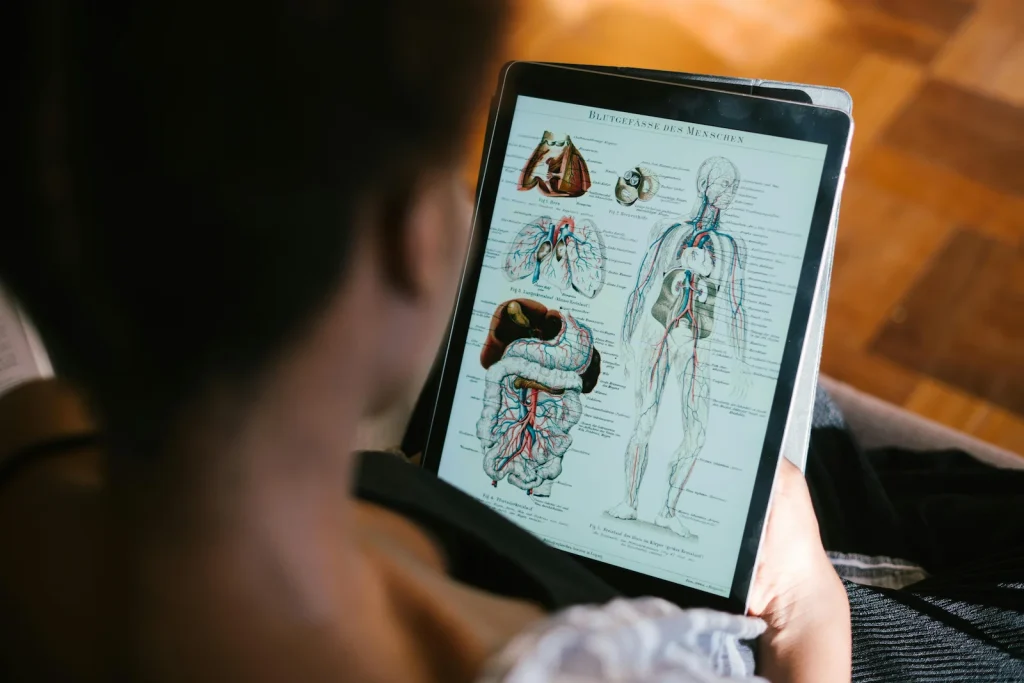
Interest in wet cupping (hijama/bekam) has grown in clinical and integrative medicine circles, and a steady stream of studies has attempted to explain how the method may produce clinical effects. Overall, the literature points to several plausible biological mechanisms — from changes in microcirculation to modulation of inflammation and pain pathways — while also highlighting variability in study quality and the need for larger, well-controlled trials. Clinical Evidence — what trials and reviews report Modern clinical research on wet cupping’s mechanisms includes randomized controlled trials (RCTs), observational studies, and systematic reviews. Key, cautious takeaways are: Symptom-focused benefits: A number of trials report short-term improvements in pain (neck, low back, migraine), muscle stiffness, and some functional measures when cupping is compared with usual care or sham procedures. Effect sizes vary and are often modest. Heterogeneous results: Systematic reviews commonly conclude that while many individual studies show positive signals, heterogeneity (different methods, cupping types, outcome measures) and risk of bias (small samples, inadequate blinding) limit definitive claims. Condition-specific findings: Evidence is strongest in musculoskeletal pain domains (e.g., chronic low back pain, neck pain) and less conclusive for claims such as systemic “detoxification” or curing chronic internal diseases. Safety profile: When performed by trained practitioners with sterile technique, serious adverse events are rare; most reported effects are mild and local (transient marks, bruising). (Notes: major journals publishing cupping research include complementary-medicine outlets and some mainstream clinical journals. Reviews emphasize cautious optimism and call for standardized protocols.) Proposed biological mechanisms (what the studies try to explain) Microcirculation and tissue perfusion Several studies measure local blood flow and report increased skin perfusion following cupping. The suction—plus the mild bloodletting in wet cupping—may transiently change pressure gradients in capillaries and encourage fresh, oxygenated blood into previously under-perfused tissues. Improved microcirculation can plausibly aid tissue metabolism and repair. Inflammation and oxidative stress modulation Some pilot studies have found reductions in certain inflammatory or oxidative stress markers after cupping sessions (for example, transient changes in cytokines or markers like malondialdehyde). This suggests cupping might trigger a controlled local inflammatory/healing response that, paradoxically, lowers chronic inflammation over time. However, findings are inconsistent across studies. Neurophysiological pain modulation Cupping may activate peripheral mechanoreceptors and nociceptors in a way that induces endogenous analgesic pathways (e.g., diffuse noxious inhibitory control, endorphin release) and alters central pain processing. Functional imaging and neurophysiological work hint that stimulation of specific back/neck points can produce measurable changes in pain-related brain areas. Lymphatic mobilization and interstitial fluid dynamics Negative pressure from cups can mobilize interstitial fluid and potentially enhance lymph flow locally. Because the lymphatic system depends on pressure differentials and movement, cupping’s mechanical effects might assist clearance of localized edema or metabolic byproducts. Hemorheology (blood properties) Some researchers frame traditional ideas of “stagnant blood” in modern terms: altered blood viscosity, rouleaux formation (stacking of red blood cells), and impaired capillary transit. Controlled peripheral blood removal may provoke regenerative hematologic responses, though this mechanism needs more rigorous demonstration in humans. Quality, limitations, and research gaps The research field shows promise but also clear limitations: Small, diverse studies: Many trials have limited sample sizes and diverse protocols (dry vs wet cupping, cup types, suction strength, session frequency). Blinding challenges: Blinding is inherently difficult in cupping studies, increasing placebo-related confounding. Outcome heterogeneity: Different symptom scales, short follow-ups, and variable control groups complicate meta-analysis. Need for mechanistic trials: More crossover and physiological studies (microcirculation imaging, cytokine panels, fMRI) with standardized protocols would strengthen causal inference. Systematic reviewers consistently call for larger RCTs with rigorous design and consensus on outcome measures. Practical, evidence-informed takeaways for practitioners and patients Cupping shows consistent signals for short-term symptomatic relief in some pain conditions and for improving perceived circulation/relaxation. Mechanistically, effects likely combine local circulatory changes, neurophysiological modulation, and mild inflammatory/healing responses. Safety and standardization matter: use sterile technique, trained practitioners, and clear patient selection (avoid in severe bleeding disorders, uncontrolled anticoagulation, or active infection). Presently, wet cupping is best framed as a complementary option supported by promising, but not definitive, scientific evidence.
The Science of Stagnant Blood: When Tradition Meets Modern Physiology
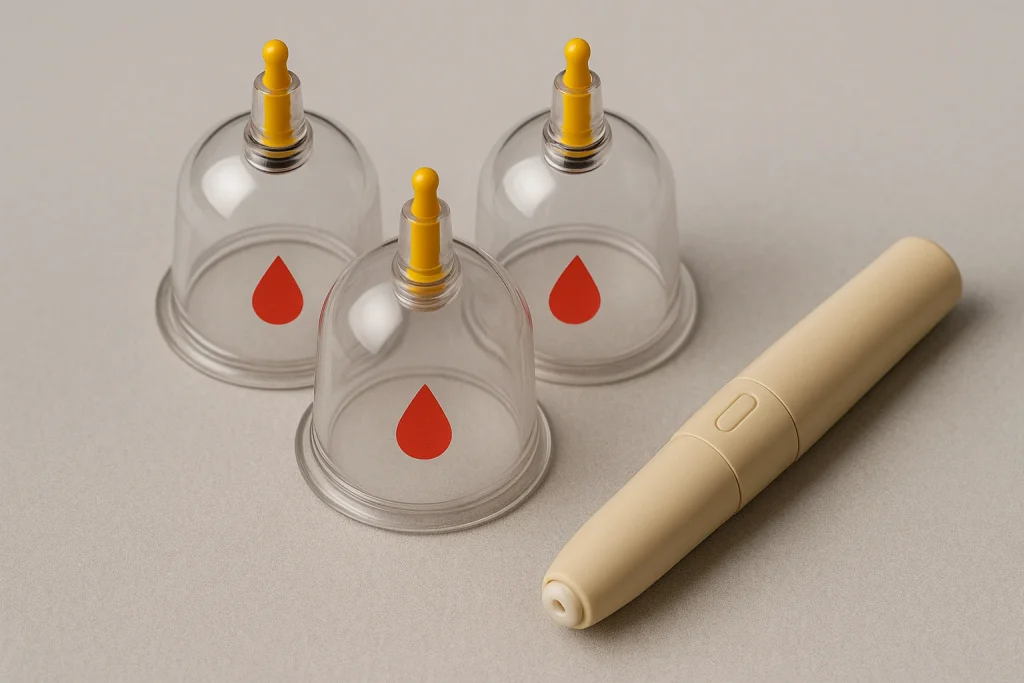
For centuries, traditional medicine has spoken about “dirty” or stagnant blood — the type that no longer nourishes tissues properly and causes pain, fatigue, or dull skin. In modern physiology, this concept finds surprising parallels in the study of microcirculation, blood rheology, and oxidative stress.Wet cupping, or hijama, is one of the few natural methods designed specifically to address this stagnation — not by mystical means, but by directly influencing how blood flows, renews, and detoxifies itself. What Traditional Healers Mean by “Stagnant Blood” In many Eastern and Middle Eastern healing systems, stagnant blood represents a condition where circulation slows, waste accumulates, and vital energy flow is blocked. The symptoms are recognizable even today: heaviness, tension, dull aches, and fatigue without an obvious medical cause. Traditional cupping practices view this stagnation as a form of internal “congestion.” The goal of wet cupping is to draw out small amounts of that thickened, old blood — the dark, tar-like substance that often appears in the cups — and stimulate renewal through improved microcirculation. While ancient language used metaphors, modern research reveals that these descriptions correlate closely with measurable physiological phenomena. Modern Physiology — The Circulatory Reality Behind “Stagnation” When scientists study blood rheology — the science of how blood flows — they find that under chronic stress, poor diet, or inflammation, red blood cells can lose flexibility. This makes them stick together (rouleaux formation) and move sluggishly through capillaries, reducing oxygen delivery to tissues.This is essentially what ancient physicians observed: blood that moves too slowly to nourish properly. At the same time, modern studies show that oxidative stress and free radicals can damage cell membranes, further worsening viscosity and impairing tissue repair. These micro-level changes contribute to fatigue, slow recovery, and chronic pain — all symptoms traditionally linked with “bad” or “dirty” blood. Wet cupping acts as a mild micro-depletion therapy: by removing a small portion of stagnant peripheral blood, it triggers a controlled regenerative response. The body compensates by producing fresh, oxygen-rich blood cells, improving overall hemorheology. Oxidative Stress and the Hidden Chemistry of Fatigue Oxidative stress is a key player in modern diseases — from cardiovascular issues to metabolic disorders. It occurs when free radicals (reactive oxygen species) outnumber antioxidants, leading to tissue damage and inflammation.When blood stagnates, oxidative byproducts and inflammatory mediators can accumulate in localized regions, particularly in the skin, fascia, and muscle layers. This accumulation mirrors what traditional healers call “heat” or “toxicity.” Interestingly, studies have found that after wet cupping, there’s a measurable decrease in serum malondialdehyde (MDA) — a marker of oxidative stress — and a rise in antioxidant enzymes such as superoxide dismutase (SOD).These results suggest that the “cleansing” effect described in traditional cupping may correspond to a biochemical reduction in oxidative load. Microcirculation — The Missing Link The smallest blood vessels, called capillaries, are where oxygen and nutrients actually exchange with tissues. When capillaries become clogged by sticky red blood cells or local edema, cells don’t receive enough oxygen. This creates a cycle of local hypoxia, inflammation, and pain. Wet cupping enhances local microcirculation by breaking that loop. The suction draws interstitial fluid and sluggish blood toward the surface, and the controlled incisions allow a small amount to exit. Once the pressure normalizes, fresh capillary flow returns, flushing metabolic waste and delivering nutrients more efficiently. In this sense, wet cupping is less about “removing dirty blood” and more about resetting local circulation — allowing the body’s repair systems to function again. From Tradition to Science — A Shared Language When viewed through modern physiology, traditional cupping wisdom doesn’t appear outdated — it appears observationally correct.Where ancient texts spoke of “bad blood,” we now recognize stagnant microcirculation and oxidative stress.Where they described “cooling” or “detoxifying,” we now see inflammation modulation and restored tissue perfusion. This bridge between old and new understanding helps demystify cupping for modern readers while respecting its cultural roots. The Takeaway — Renewal Through Circulatory Reset Stagnant blood isn’t a mystical concept; it’s a poetic way to describe measurable changes in how our blood behaves under chronic strain.Wet cupping works not by draining life, but by stimulating renewal — helping the body restart its natural rhythm of flow, oxygenation, and balance. So next time you hear someone speak of “dirty blood,” you might think of blood rheology, oxidative load, and capillary oxygen exchange — the modern science behind an ancient truth.Wet cupping unites these worlds — a traditional ritual now understood through the lens of microcirculation and cellular health. If you’re ready to understand wet cupping on a deeper, more practical level, visit our Bookstore. You’ll get a free foundational eBook complete with video guidance — plus a collection of comprehensive wet cupping books designed to help you learn with confidence.
How Wet Cupping Supports the Body’s Natural Healing Cycle
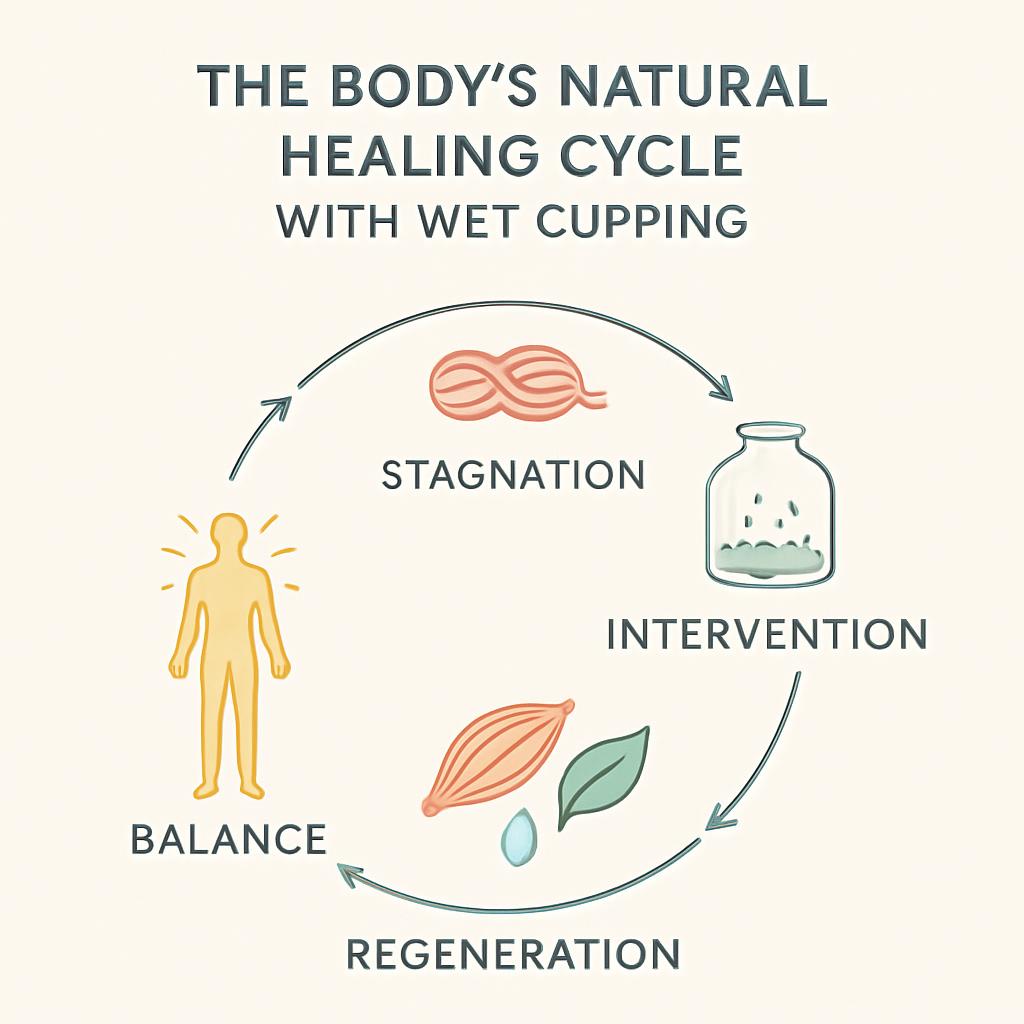
Wet cupping is more than a traditional practice; it’s a therapeutic intervention that interacts with the body’s own healing mechanisms. By combining controlled suction with microbleeding, wet cupping targets stagnant blood, improves circulation, and stimulates tissue recovery. Understanding how this process aligns with the body’s natural healing cycle helps users appreciate the subtle yet significant benefits of regular sessions. Triggering Inflammatory Modulation Inflammation is a critical part of the body’s healing process, but chronic or localized inflammation can cause pain and tissue dysfunction. Wet cupping contributes to inflammatory modulation in several ways: Localized suction draws stagnant blood to the surface, promoting microcirculatory adjustments. Controlled microbleeding initiates a mild inflammatory response that signals the body to repair tissue effectively. Downregulation of pro-inflammatory markers has been observed in some studies, indicating a balanced immune response. By triggering this controlled inflammatory modulation, wet cupping supports natural repair mechanisms without overwhelming the body or causing systemic stress. Enhanced Microcirculation and Oxygenation Circulation plays a central role in the healing cycle. Poor blood flow can delay recovery, prolong muscle soreness, and reduce tissue oxygenation. Wet cupping improves circulation through: Negative pressure suction, which encourages blood movement in targeted areas. Expansion of microcapillaries, improving oxygen and nutrient delivery to tissues. Facilitation of lymphatic drainage, helping remove cellular waste and supporting immune function. This improved microcirculation not only accelerates healing of local tissues but also contributes to a sense of relaxation and overall wellness after a session. Nervous System and Hormonal Rebalance Wet cupping also influences the nervous and hormonal systems, which are tightly linked to the body’s healing capacity. The therapy stimulates sensory nerves in the skin, sending signals to the spinal cord and brain. This activation can: Promote parasympathetic activity, helping the body relax and reduce stress. Balance hormones related to stress and inflammation, such as cortisol. Reduce sympathetic overactivity, which is often associated with tension, high blood pressure, and impaired tissue repair. By addressing both physical circulation and neurohormonal balance, wet cupping supports a holistic healing response, allowing the body to optimize recovery naturally. Practical Outcomes Observed in Users How wet cupping Support Natural Healing Cycle Individuals who undergo wet cupping regularly often report subtle but meaningful improvements in: Muscle tension and soreness reduction Improved skin tone and elasticity Enhanced energy levels and sense of well-being Support for cardiovascular and metabolic functions These benefits reflect how wet cupping aligns with the body’s own regenerative processes, rather than artificially forcing changes. Over time, many people also notice better stress tolerance, smoother circulation, and a more balanced feeling throughout the body, suggesting that consistent sessions may contribute to overall vitality and long-term wellness. Integrating Wet Cupping Into a Holistic Healing Routine To maximize the therapy’s effect on the natural healing cycle, consider these practices: Regular sessions: Consistent therapy supports ongoing circulatory and inflammatory balance. Complementary wellness habits: Adequate hydration, balanced nutrition, and moderate exercise enhance the effects. Proper aftercare: Cleansing, natural oils, and gentle massage help maintain skin integrity and optimize tissue recovery. Targeted points: Selecting appropriate cupping points for muscle, circulation, or organ-related benefits enhances therapeutic outcomes. Combining these strategies ensures that wet cupping complements, rather than replaces, other healthy lifestyle habits. When practiced thoughtfully, these supportive routines help the body recover more smoothly, maintain better energy flow, and sustain the cumulative benefits of each session, creating a balanced foundation for long-term wellness. Key Takeaway Wet cupping natural healing effects are promoted by modulating inflammation, enhancing microcirculation, and supporting nervous and hormonal balance. The therapy encourages tissue repair, reduces localized discomfort, and promotes overall wellness. While not a substitute for medical treatment, it serves as a powerful complementary practice that helps the body maintain its regenerative capabilities naturally. Get the free at-home wet cupping tutorial — an easy-to-follow e-book with videos, featuring the 5 essential points every wet cupping practitioner must know — inside Natural Reset: Modern Wet Cupping Made Simple.
Wet Cupping and the Circulatory System: Resetting Body Flow Naturally
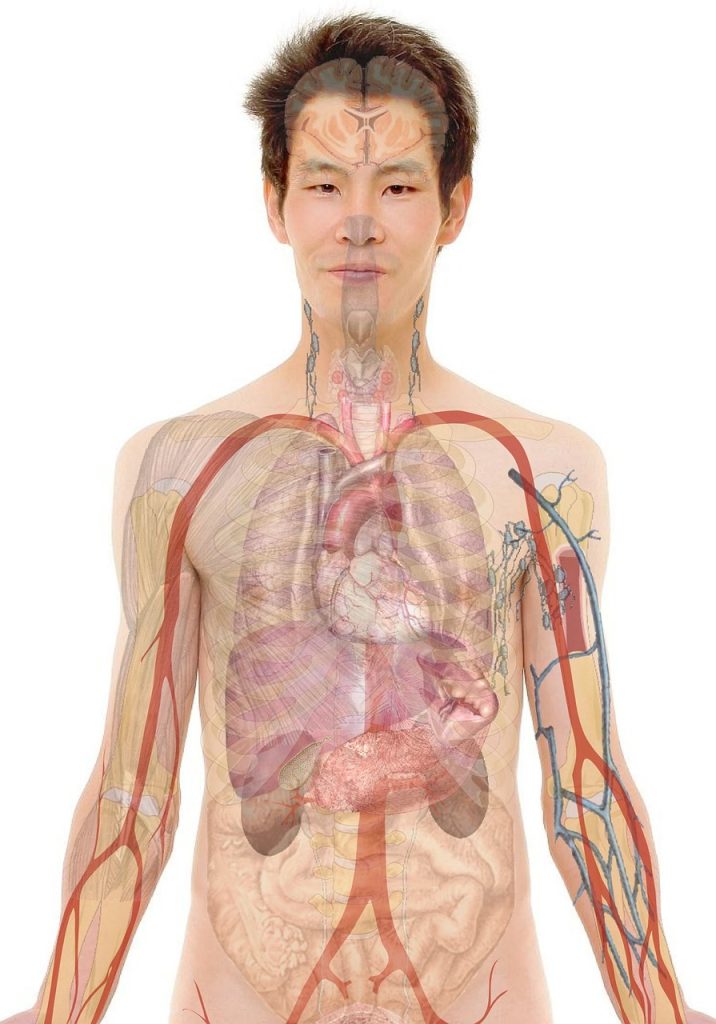
The circulatory system — your heart, veins, arteries, and microcapillaries — is essential for delivering oxygen, nutrients, and immune cells throughout the body. When circulation slows or becomes uneven, it can contribute to fatigue, muscle tension, and even long-term cardiovascular issues. Wet cupping offers a natural way to stimulate circulation, improve oxygenation, and support vascular health. Unlike dry cupping, which primarily moves blood near the skin surface, wet cupping incorporates controlled microbleeding. This combination helps mobilize stagnant blood, enhance microcapillary flow, and improve overall tissue perfusion. Heart, Veins, and Microcapillary Effects At the core of wet cupping’s circulatory benefits is its impact on local and systemic blood flow. Heart function: By drawing blood to specific areas, wet cupping indirectly reduces peripheral resistance, supporting smoother blood movement through veins and arteries. Veins: Suction helps reduce venous pooling, particularly in areas prone to stagnation, like the back, shoulders, and neck. Microcapillaries: These tiny blood vessels respond to suction and minor bleeding by expanding, improving nutrient and oxygen delivery to tissues. Studies, such as Tagil et al. (2014), have shown measurable increases in local oxygenation after wet cupping, suggesting that microcapillaries benefit directly from improved circulation. Enhanced perfusion not only relieves tension but also accelerates recovery from minor injuries and chronic muscle discomfort. Circulatory system Reflex Pathways and Oxygen Exchange Wet cupping doesn’t just affect blood flow mechanically. It also stimulates reflex pathways in the nervous system. The negative pressure activates sensory nerves in the skin and underlying tissues, sending signals to the spinal cord and brain. These reflexes can: Promote vasodilation, expanding blood vessels and increasing oxygen exchange. Support the autonomic nervous system in regulating heart rate and vascular tone. Reduce localized sympathetic overactivity, which can help lower blood pressure temporarily. This combination of mechanical and neurological effects makes wet cupping a unique therapy for improving tissue oxygenation and circulation naturally, without medications or invasive procedures. Role in Blood Pressure and Cholesterol Regulation Emerging research indicates that wet cupping may have a beneficial role in cardiovascular health. By improving microcirculation and reducing peripheral resistance, wet cupping can contribute to more stable blood pressure. In addition, some studies suggest that the therapy may support better lipid metabolism: Mobilizing stagnant blood may help improve vascular elasticity, indirectly aiding cholesterol balance. Enhanced circulation supports endothelial function, which is critical for maintaining heart health. It support circulatory function and helping the body maintain balance naturally. Many clients report a sense of lightness, reduced tension, and improved energy levels after sessions — all linked to healthier blood flow. Practical Tips for Optimizing Circulatory Benefits Wet cupping delivers its best circulatory benefits when supported by simple, consistent habits. With a steady and intentional approach, the body is better able to maintain healthy blood flow and a stable, natural recovery response. Regular sessions: Depending on individual needs, spacing sessions every 1–2 weeks can help maintain microcirculation improvements. Hydration and nutrition: Proper fluid intake supports blood flow and recovery. Targeted cupping points: Back, neck, and shoulders are commonly chosen for circulatory support; some points correspond to heart-related reflex zones (T2–T5). Aftercare: Gentle massage, stretching, and natural oils help the skin and underlying tissues recover while maintaining improved circulation. Following these practices can maximize the therapy’s circulatory benefits while ensuring safety, comfort, and long-term support for the body’s natural healing rhythms. Key Takeaway Wet cupping is more than a relaxation tool — it works as a circulatory reset. By linking wet cupping and the circulatory system through suction and controlled microbleeding, the practice enhances blood flow in veins, arteries, and microcapillaries, activates reflex pathways, and supports healthier oxygen exchange. While it is not a replacement for medical care in conditions like heart disease or hypertension, it can serve as a complementary method to maintain vascular function, ease muscle tension, and support the body’s natural blood pressure and cholesterol regulation. Get the free at-home wet cupping tutorial — an easy-to-follow e-book with videos, featuring the 5 essential points every wet cupping practitioner must know — inside Natural Reset: Modern Wet Cupping Made Simple.
Cupping Marks Explained: What Those Red Circles Really Mean
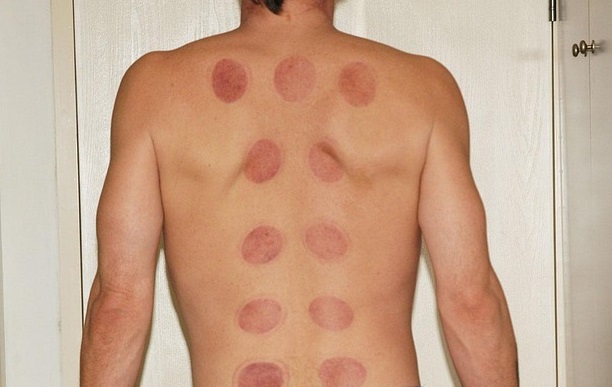
If you’ve ever had a wet cupping session or seen someone with circular marks on their back or shoulders, you might have wondered: What do those red circles actually mean? Are they dangerous? Are they a sign of toxins leaving the body? Understanding the science behind cupping marks helps you interpret them and take better care afterward. Color Indicators and Blood Flow Cupping marks are primarily a result of blood being drawn to the surface of the skin. The color of the marks can vary depending on: Amount of blood drawn Level of stagnation in the tissue Individual skin tone and sensitivity Typically, marks range from light pink to dark purple. Lighter marks indicate healthy, flowing blood, while darker marks often reflect areas where circulation has been slower or “stagnant.” These color variations are a visual clue to microcirculation and tissue response, not a sign of toxins being expelled. Essentially, the marks show that blood has pooled near the skin’s surface, which stimulates healing and improved circulation in the underlying tissues. Cupping marks illustration Why Marks Fade Faster After Wet Cupping Unlike dry cupping, wet cupping includes a controlled microbleeding step, which removes small amounts of blood from areas with poor circulation. This: Reduces the volume of pooled blood in localized tissue Improves oxygenation and nutrient delivery Accelerates the fading of marks Many people notice that marks from wet cupping fade faster than those from dry cupping because the therapy not only draws blood to the surface but also removes stagnation more efficiently. Myths vs Biological Facts A common misconception is that cupping marks represent “toxins” leaving the body. While traditional medicine often uses the term “toxin,” modern science interprets the marks as evidence of: Localized blood pooling Microcirculation activation Temporary inflammation that triggers healing responses Research shows that the skin’s discoloration is a normal response and usually resolves within a week. The marks themselves are not harmful and are actually a sign that your body is responding to the treatment. When to Worry About Skin Reaction Most cupping marks are harmless, but there are a few signs to monitor: Excessive pain, swelling, or blistering Persistent redness beyond 3–10 days Signs of infection, such as warmth, pus, or unusual odor If any of these occur, consult your practitioner immediately. Proper aftercare — cleansing, gentle massage, and the use of natural oils — can prevent complications and support faster healing. For detailed guidance, see our article on Aftercare and Natural Oils. Key Takeaway Cupping marks are a normal, expected outcome of wet cupping therapy. They indicate that circulation has been stimulated and that stagnant blood has been mobilized. The varying colors provide clues about tissue response, while the fading process reflects improved blood flow and oxygenation. Understanding the marks allows beginners and experienced users alike to approach wet cupping with realistic expectations. Rather than worrying about discoloration, focus on proper preparation, treatment by a trained practitioner, and post-session care to maximize benefits and comfort.
The Science of Stagnant Blood: Why Releasing It Matters?
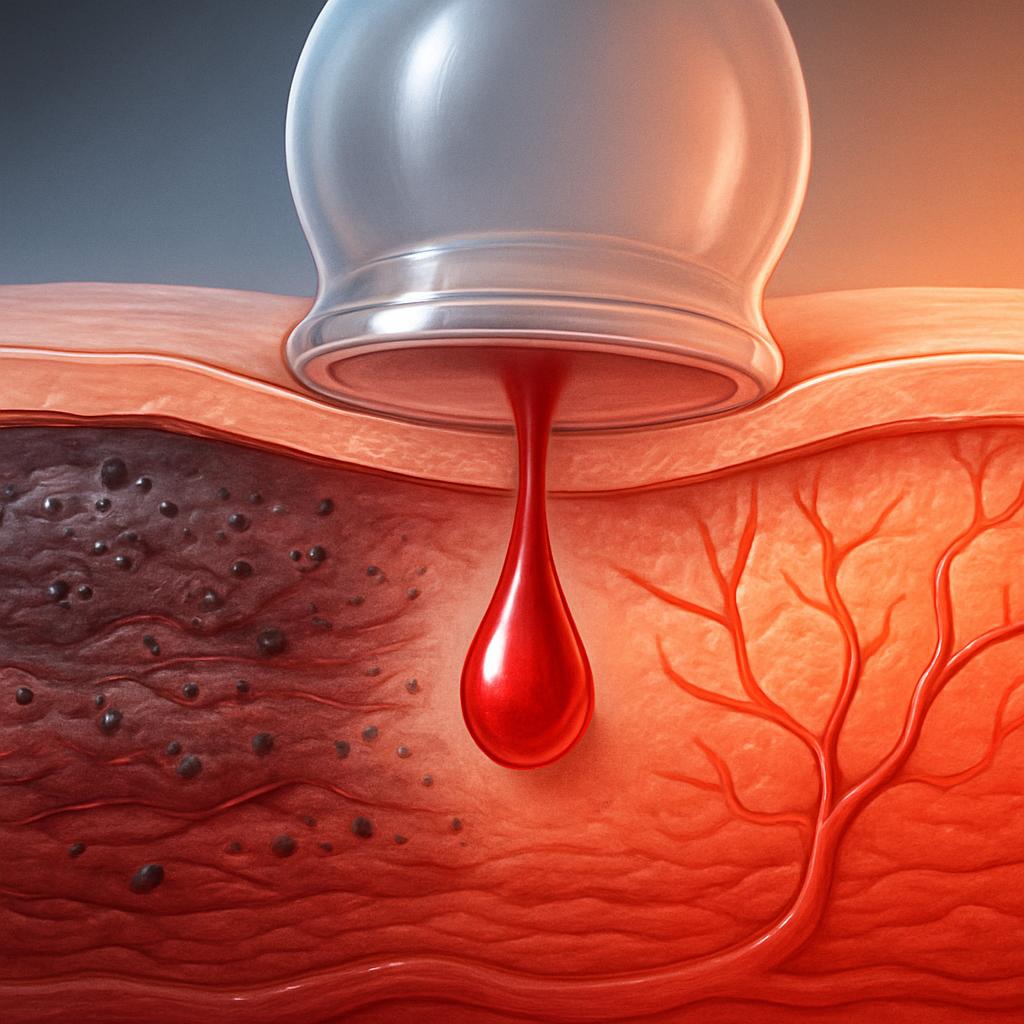
In traditional medicine, one concept often discussed in relation to wet cupping is “stagnant blood.” Many practitioners believe that the accumulation of old or poorly circulating blood can contribute to pain, fatigue, and general discomfort. But what does this term really mean, and how does modern science explain it? Understanding both perspectives helps clarify why releasing stagnant blood through wet cupping can support overall wellness. What Is Stagnant Blood in Traditional Medicine In systems like Chinese medicine and Islamic Hijama practices, stagnant blood is thought to represent blocked or sluggish circulation in specific areas of the body. It’s believed to accumulate due to injury, tension, poor lifestyle habits, or emotional stress. Traditional practitioners often associate stagnant blood with: Muscle tightness and localized pain Dark or discolored skin marks Reduced energy flow in affected areas By targeting these zones with wet cupping, practitioners aim to mobilize the stagnant blood, restore balance, and support the body’s natural healing processes. The dark-colored blood seen after cupping is often cited as evidence that stagnant blood has been released. medical illustration of tissue under the skin during wet cupping therapy Modern View: Venous Pooling and Microcirculation From a contemporary perspective, the concept of stagnant blood aligns closely with venous pooling and microcirculation dysfunction. Venous pooling occurs when blood collects in small veins or capillaries, slowing the efficient exchange of oxygen and nutrients. This can contribute to soreness, inflammation, and fatigue in localized areas. Wet cupping addresses this by creating negative pressure on the skin surface. The suction draws blood into the cup, encouraging: Enhanced microcirculation Improved oxygen delivery to tissues Reduced fluid stagnation in localized regions A study by Tagil et al. (2014) demonstrated that wet cupping significantly increased local blood flow and tissue oxygenation, supporting the idea that the therapy actively mobilizes stagnant blood and restores dynamic circulation. The Role of Nitric Oxide and Inflammation Control Beyond moving blood, wet cupping may influence biochemical pathways that regulate vascular health. Suction and microbleeding can stimulate the release of nitric oxide (NO), a molecule critical for blood vessel dilation and improved tissue perfusion. Increased NO can lead to: Better oxygen delivery to cells Reduced local inflammation Relaxation of tight muscles In addition, wet cupping has been shown to modulate inflammatory markers. By removing small amounts of blood and stimulating tissue response, the body may downregulate pro-inflammatory cytokines, helping reduce pain and promoting recovery in affected areas. This combination of mechanical and biochemical effects bridges traditional understanding of “stagnant blood” with modern physiology, explaining why many clients report relief after even a single session. Real Benefits Observed After Release Practitioners and patients have observed several practical benefits from releasing stagnant blood through wet cupping: Pain relief and muscle relaxation: Especially in shoulders, back, and neck regions. Enhanced circulation: Supporting oxygen and nutrient delivery to tissues. Reduction in inflammation: Mild anti-inflammatory effects contribute to recovery and well-being. Feeling of lightness or energy: Likely due to improved circulation and tissue perfusion. It’s important to note that these effects are usually localized and subtle rather than dramatic “detox” transformations. Wet cupping supports the body’s natural regulation, complementing other wellness practices like exercise, hydration, and balanced nutrition. Key Takeaway The concept of stagnant blood, though rooted in traditional medicine, has a clear parallel in modern physiology — venous pooling, microcirculation dysfunction, and localized inflammation. Wet cupping helps release this stagnation safely through controlled suction and microbleeding, stimulating circulation, enhancing oxygenation, and modulating inflammation. For beginners and seasoned users alike, understanding these mechanisms helps set realistic expectations. The goal is not to “purge toxins” in a chemical sense but to support the body’s natural blood flow and tissue recovery. Get the free at-home wet cupping tutorial — an easy-to-follow e-book with videos, featuring the 5 essential points every wet cupping practitioner must know — inside Natural Reset: Modern Wet Cupping Made Simple.
Does Wet Cupping Remove Toxins? What Science and Tradition Say

You may have heard claims that wet cupping detoxifies the body by removing harmful substances from the blood. From ancient texts to modern wellness blogs, the idea of flushing out “toxins” is central to how many people understand this practice. But what does science actually say? And how does it align with traditional medicine? Let’s explore both perspectives and clarify what wet cupping really does for your body. The Concept of Toxin in Traditional Medicine Blood Cells magnification In traditional systems, including Chinese medicine and Islamic medicine (Hijama), a toxin is often seen as any substance that accumulates in the body and disrupts balance. These “toxins” can be thought of as stagnant blood, metabolic waste, or energy blockages. Wet cupping was historically prescribed to remove these unwanted elements, particularly in areas with pain, tension, or chronic inflammation. By drawing out a small amount of blood, practitioners believed they could restore circulation and enable the body to regain harmony. Even today, the terminology persists: many people describe the dark-colored blood from wet cupping as “toxin-laden,” but the focus is more on restoring proper flow than on removing chemical toxins in the modern sense. Scientific Evidence on Circulatory and Inflammatory Effects Modern research offers a more physiological explanation. Studies, including those compiled by Ernst & Lee (2011) and Tagil et al. (2014), suggest that wet cupping improves local blood circulation, microvascular flow, and oxygenation. The process involves: Suction that draws blood to the surface Controlled micro-incisions to release small amounts of blood Replenishment by oxygen-rich, fresh blood These effects can reduce local inflammation and oxidative stress, which may explain why some people feel lighter or experience pain relief after treatment. In other words, wet cupping may help the body regulate its internal environment, rather than directly “eliminating toxins” in a chemical sense. A review in Complementary Therapies in Medicine (Ernst & Lee, 2011) notes that wet cupping may also modulate immune function, stimulate lymphatic drainage, and improve microcirculation. These mechanisms align closely with what traditional medicine considered the removal of “bad blood” or imbalance. Detox vs Biological Regulation It’s important to distinguish between trendy detox claims and real physiological processes. Juice cleanses, detox teas, and supplements promise chemical elimination, which is largely handled naturally by your liver, kidneys, and lymphatic system. Wet cupping, on the other hand, primarily enhances circulatory and tissue-level regulation. The “detox” is subtle: it’s about mobilizing stagnant fluids, improving oxygen supply, and supporting the immune system, rather than flushing out specific chemicals. Think of it like cleaning a congested street: cupping doesn’t remove all the trash, but it opens pathways so traffic (blood, lymph, oxygen) flows freely again. Realistic Expectations for Wellness Many clients come to wet cupping expecting a miracle cleanse, but realistic benefits are more about balance and recovery: Reduction in localized pain and tension Improved circulation in stagnated areas Subtle support for blood pressure and metabolic regulation A study referenced in the NIH database also suggests that wet cupping may contribute to cardiovascular health and improve microvascular function, which complements traditional claims of detoxification. The key takeaway? Wet cupping can support the body’s natural detox pathways, but it should not be treated as a substitute for liver, kidney, or medical detoxification. It works best as part of a holistic wellness approach that includes nutrition, exercise, and adequate hydration. Conclusion So does wet cupping remove toxins? Yes — but in a nuanced way. It helps clear stagnant blood and improve circulation, which can indirectly aid in the body’s natural cleansing processes. Rather than expecting chemical detox, think of it as enhancing the body’s innate regulation and balance. By combining ancient wisdom with modern understanding, wet cupping offers a method to support well-being, reduce inflammation, and complement other health practices. For those interested in cardiovascular support, check out our article on Wet Cupping for Blood Pressure.