
How Wet Cupping Addresses Root Mechanisms While Relieving Symptoms
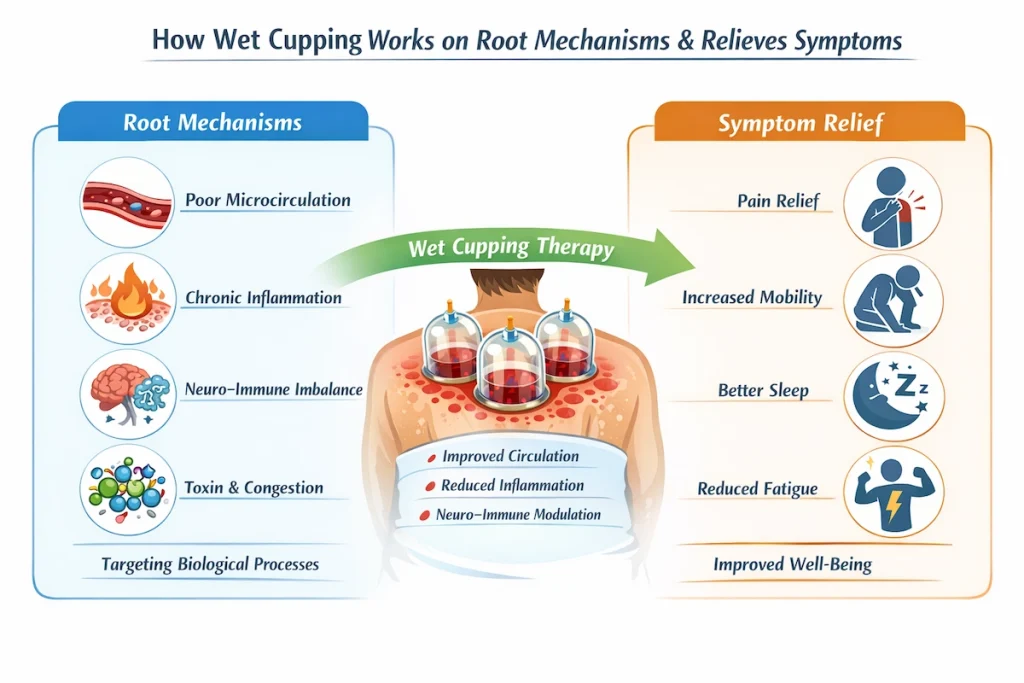
Understanding Chronic Conditions Beyond Symptom Control Chronic health conditions are often discussed as if treatments must choose between addressing root causes or managing symptoms. In reality, this division oversimplifies how biological interventions work. Most effective interventions influence specific underlying mechanisms, and symptom improvement emerges as a downstream result of those changes. Wet cupping fits this biological model. Rather than acting as a purely symptomatic measure, wet cupping engages identifiable physiological processes that contribute to chronic discomfort, fatigue, and functional imbalance. Understanding wet cupping through its mechanisms—rather than through ideological labels—provides a clearer, more accurate scientific picture. What Are “Root Mechanisms” in Chronic Conditions? In many chronic complaints, the “root” is not a single cause but a set of recurring biological patterns, such as: impaired local microcirculation tissue congestion and stagnation persistent low-grade inflammation autonomic nervous system imbalance altered neurovascular signaling These mechanisms are widely recognized in biomedical literature and are involved in conditions ranging from musculoskeletal pain to stress-related fatigue and tension disorders. Interventions that influence these processes are, by definition, acting at a root-mechanism level, even if they do not address every contributing factor simultaneously. How Wet Cupping Influences These Mechanisms Wet cupping applies controlled negative pressure followed by superficial micro-bleeding at targeted areas of the body. This combination produces several biologically relevant effects: 1. Microcirculatory Reset Wet cupping improves local blood flow dynamics by reducing stagnant blood accumulation and encouraging fresh perfusion. Enhanced oxygen and nutrient delivery supports tissue recovery and metabolic balance. 2. Modulation of Local Inflammation Research suggests that wet cupping influences inflammatory mediators and immune signaling in treated areas. This helps interrupt cycles of chronic low-grade inflammation that often persist without obvious acute injury. 3. Neurovascular and Autonomic Regulation Stimulation of skin and subcutaneous receptors affects autonomic nervous system activity. This is particularly relevant in conditions associated with chronic stress, muscle guarding, and tension-related pain. These are not surface-level effects. They represent upstream biological shifts that alter how tissues and regulatory systems function over time. Why Symptom Relief Follows Mechanistic Change When root mechanisms change, symptoms often improve naturally. After wet cupping sessions, individuals frequently report: reduced pain or stiffness improved range of motion decreased fatigue better sleep quality a sense of physical lightness or relaxation Importantly, these outcomes are not isolated or accidental. They are secondary effects of improved circulation, reduced inflammatory signaling, and restored neurovascular balance. In this context, symptom relief is not the goal alone—it is the observable consequence of deeper physiological modulation. Moving Beyond the “Root Cause vs Symptom” Debate No biomedical intervention—pharmaceutical, procedural, or otherwise—acts universally across all diseases or all individuals. Each operates within defined biological domains. Wet cupping should be evaluated using the same scientific standard: What mechanisms does it influence? Under what conditions? With what measurable outcomes? When assessed this way, wet cupping occupies a clear and legitimate position:a targeted biological intervention that modifies root-level processes while delivering meaningful symptom improvement. This framing avoids exaggeration, rejects false limitations, and reflects how modern physiology understands complex systems. A Mechanism-Based Perspective on Wet Cupping Labeling wet cupping as “only symptomatic” ignores documented physiological effects. Presenting it as a universal cure would also misrepresent evidence. The most accurate position is grounded in mechanism-based science. Wet cupping works by influencing specific biological processes—particularly those related to circulation, inflammation, and regulation—and symptom relief emerges as a direct and measurable outcome of those changes. Final Thoughts Chronic conditions rarely respond to single-factor solutions. Progress comes from understanding how different interventions influence different layers of biology. Wet cupping contributes at the level of local and regulatory mechanisms, offering both functional improvement and symptom relief without relying on speculative claims. This is not an alternative narrative—it is a mechanistic one. Curious how wet cupping targets specific biological mechanisms rather than just masking symptoms? Explore our in-depth guides on wet cupping points, safety, and physiological effects to understand how this approach fits into a modern, mechanism-based health strategy. Explore how to appply wet cupping at home by downloading our free e-book with video guide Natural Reset : Wet Cupping Made Simple.
Wet Cupping for Beginners: What to Expect in Your First Session
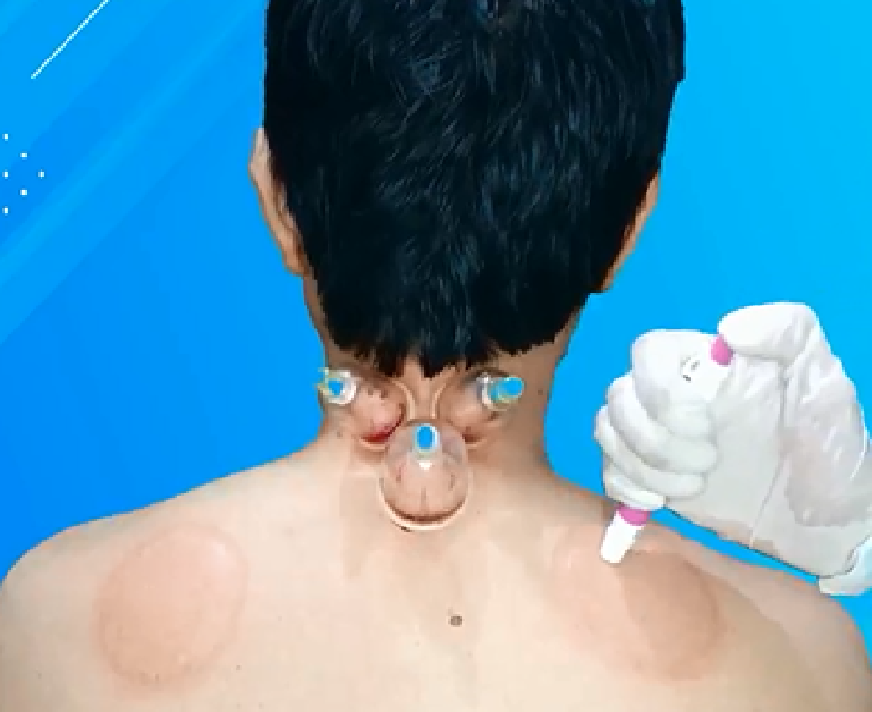
If you’ve ever seen circular red marks on athletes’ backs or spa clients, you’ve witnessed the result of wet cupping, a traditional healing practice that combines suction with gentle blood release. For beginners, the idea may feel intimidating, but understanding the process, preparation, and expected reactions can make your first session comfortable and effective. Wet cupping is a branch of cupping therapy — along with dry cupping — and is designed to improve circulation, relieve tension, and support the body’s natural detoxification processes. Unlike dry cupping, wet cupping adds a controlled bloodletting step to enhance microcirculation and remove “stagnant” blood. Preparing Your Body and Mind Preparation is key for a safe and beneficial session. The therapy works best when your circulation is optimal and your nervous system is relaxed. Hydration is essential. Adequate water intake helps the blood flow more efficiently, reducing discomfort and improving results. Avoid heavy meals or alcohol before the session, as this can redirect blood flow to the digestive system and potentially reduce effectiveness. Rest and mental readiness also matter. Going into the session in a calm state lowers sympathetic nervous activity, which can reduce muscle tension and make the suction more tolerable. Simple deep-breathing exercises or relax can help ease pre-session anxiety. Why an Empty Stomach Matters Practitioners often recommend arriving at least three hours after a light meal. Eating too much can divert blood to the stomach, which may reduce the efficiency of circulation in the targeted areas. Some beginners feel slightly dizzy or lightheaded if they arrive on a full stomach, so keeping it light ensures safety and comfort. Step-by-Step Session Flow Wet Cupping Session Understanding what happens during a session can reduce anxiety and help beginners feel in control. A typical wet cupping session includes: Assessment and Consultation: The practitioner reviews your health history and identifies cupping points based on tension, pain, or circulatory needs. Skin Preparation: The targeted areas are cleansed with an antiseptic solution to minimize infection risk. Dry Suction Phase: Cups are placed on the skin, and negative pressure draws blood to the surface. This improves local circulation and prepares tissue for the next step. Micro-Incision Phase: Small, shallow incisions are made using sterile blades or needles. Only a thin layer of skin is affected, so the procedure is safe when performed by trained practitioners. Blood Extraction Phase: Cups are reapplied to gently draw a small amount of blood. This controlled removal targets stagnant blood and stimulates fresh circulation. Cup Removal and Post-Care: Cups are removed, and the skin is cleansed again. The practitioner may apply natural oils or gentle massage to support recovery. Sessions typically last 15–30 minutes, depending on the number of points treated and the individual’s tolerance Normal Reactions After Cupping It’s normal to notice: Red or purple circular marks at cupping points, which usually fade within 3–7 days. Mild soreness or tenderness, often described as similar to a deep tissue massage. Relaxation and lightness, as improved circulation and reduced muscle tension promote overall comfort. Some beginners also report subtle mental clarity or reduced fatigue after a session. These effects reflect improved blood flow and microcirculation, rather than a literal “removal of toxins.” Unusual reactions — prolonged bleeding, severe pain, or dizziness — should be reported to the practitioner immediately. Safety and hygiene are key, so only trained professionals should perform wet cupping. Practical Tips: Wet Cupping for Beginners Wear loose clothing to allow easy access to cupping points. Schedule sessions wisely, with at least a few days between treatments for recovery. Hydrate and rest post-session to support circulation and tissue healing. Follow proper aftercare, including cleansing and gentle massage — see Post Wet Cupping Care for detailed guidance. Communicate openly with your practitioner about discomfort, expectations, or medical conditions. By integrating these practices, beginners can safely experience the benefits of wet cupping, including enhanced circulation, muscle relaxation, and a sense of well-being. Key Takeaway For those new to wet cupping, the first session is more about experience and body awareness than dramatic detox results. Proper preparation, guidance from a trained practitioner, and realistic expectations make the session safe and beneficial. Wet cupping can help your body restore balance, relieve tension, and support natural circulatory and immune functions. With the right approach, your first session can be informative, relaxing, and surprisingly empowering — opening the door to a traditional therapy that has endured for thousands of years. If you’re ready to understand wet cupping on a deeper, more practical level, visit our Bookstore. You’ll get a free foundational eBook complete with video guidance — plus a collection of comprehensive wet cupping books designed to help you learn with confidence.
Dry vs Wet Cupping: What’s the Real Difference Inside Your Body?
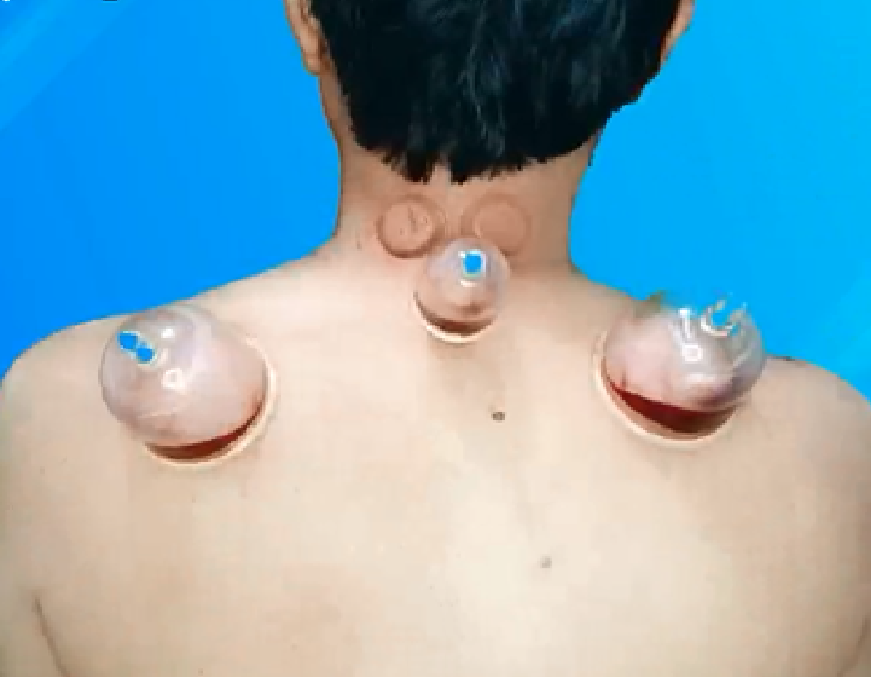
For centuries, people across civilizations have used cupping as a way to restore health, balance, and energy. Yet today, two main approaches dominate the modern conversation — dry cupping and wet cupping. Both methods may look similar on the surface, but what happens inside your body tells a very different story. In this guide, we’ll explore how these two techniques evolved, how they actually work in your circulation, and which one might suit you best — according to both traditional insights and modern research. The Origins of Cupping — From Heat to Healing Cupping isn’t a new wellness trend. Its earliest traces reach back more than 3,000 years to ancient Egypt, China, and Persia, where healers used heated cups to draw out what they called “bad blood” or “stagnant wind.” The technique then spread through Greek medicine under Hippocrates and was later refined in Islamic civilization as Hijama — the wet cupping we know today. According to Ernst and Lee (2011), the historical rationale behind cupping was rooted in balance — physically removing stagnation to allow the body’s natural flow to resume. Modern medicine may use different language, but the core concept of improving circulation and reducing pressure remains remarkably relevant. Today, cupping has evolved from fire-lit glass cups to sterile, medical-grade tools. What remains unchanged is the principle: stimulate the skin’s surface to influence deeper systems — blood, lymph, and neural pathways. How Dry Cupping Works (No Blood, More Pressure) Dry cupping is the simpler and more popular form, often seen in spas, sports clinics, and physiotherapy centers. Here, the practitioner creates suction on the skin using vacuum pumps or briefly heated cups. The pressure pulls the skin and underlying tissue upward for several minutes. From a physiological standpoint, this suction: Increases microcirculation in the affected area Stimulates local nerve endings Encourages interstitial fluid exchange and cellular metabolism In their review, Ernst and Lee (2011) noted that this negative pressure acts much like deep tissue massage but in reverse — lifting instead of pressing. It relaxes fascia, relieves muscle tightness, and promotes blood flow to oxygen-starved areas. That’s why athletes like swimmers and runners often favor dry cupping: it offers quick relief without skin incisions or bleeding. However, the effect of dry cupping is mostly surface-level. It mobilizes stagnant fluids and relaxes tension, but it doesn’t expel any blood or metabolic waste directly. How Wet Cupping Works (Gentle Blood Release) Wet Cupping Illustration Wet cupping, on the other hand, adds a crucial step. After creating mild suction, the cups are removed, and the skin is lightly pricked with sterile lancets before being re-applied. This allows a small amount of blood — usually 1 to 5 milliliters per point — to flow out through controlled micro-bleeding. According to Tagil et al. (2014), this process leads to a measurable increase in local blood flow and oxygenation, along with improved tissue perfusion. In other words, the body doesn’t just redistribute old blood — it replaces it. During the short session, suction draws out venous and capillary blood that may contain metabolic byproducts or inflammatory markers. Once removed, fresh, oxygen-rich blood rapidly refills the area, resetting the local circulation cycle. This is why practitioners of Hijama often describe it as a “manual reset for your body’s internal traffic.” You aren’t merely stimulating pressure — you’re helping your system unload stagnant congestion that dry cupping can’t fully reach. Dry vs Wet Cupping: Why Blood Extraction Matters Modern researchers such as Al-Bedah et al. (2016) classify wet cupping as a form of controlled micro-bloodletting, distinct from ancient open bloodletting or leech therapy. The bleeding is minimal and localized, but it triggers a cascade of physiological benefits: Improved microcirculation – Old, deoxygenated blood is replaced by fresh arterial supply. Reduced oxidative stress – Several studies show decreased markers of free radicals post-session. Inflammation modulation – Mild suction activates the body’s natural anti-inflammatory mechanisms. Neuro-hormonal balance – The nervous system responds by releasing endorphins and calming stress pathways. The logic is simple yet elegant: by removing the “old,” the body is encouraged to regenerate the “new.” Traditional healers used to call this “removing bad blood.” Today, physiology would describe it as enhancing microvascular exchange and tissue oxygenation. Which Method Fits You Best? The choice between dry and wet cupping depends on your goals — relaxation, rehabilitation, or restoration. Goal Recommended Method Why Muscle relaxation & recovery Dry cupping Enhances local circulation, ideal for athletes Detoxification & metabolic reset Wet cupping Promotes removal of stagnant blood and waste Stress relief & nervous balance Wet cupping (gentle points) Encourages hormonal and circulatory balance Cosmetic & fascia release Dry cupping Safe, non-invasive, surface stimulation If you’re new to cupping, dry cupping is a safe entry point. It introduces you to the sensation and circulation changes without blood involvement. But if you seek deeper detoxification, many people — and modern studies — suggest that wet cupping provides a more comprehensive effect. Both methods, when practiced correctly, complement rather than compete. As Al-Bedah et al. (2016) emphasize, each type of cupping has its own role: dry cupping stimulates flow, wet cupping completes the cycle. Bridging Ancient Wisdom and Modern Science For centuries, healers relied on observation: they saw better complexion, clearer mind, and reduced pain after cupping. Modern science now provides language to explain those outcomes — improved blood rheology, nitric oxide regulation, and reduced oxidative load. When you compare dry vs wet cupping, you’re really comparing two stages of the same process: Dry cupping awakens circulation. Wet cupping renews it. Together, they represent a continuum of healing — from stimulation to purification. And that’s the real difference inside your body. Learn our article how to apply wet cupping safely at home.
Modern Wet Cupping: Safe, Effective, and Root-Cause Focused

Introduction Wet cupping has evolved from an ancient healing art into a modern, evidence-informed practice designed to support health from the root. For centuries, communities across the world have used cupping to ease discomfort, lift fatigue, and rejuvenate the body. Today, modern wet cupping reframes that tradition—integrating medical-grade hygiene, anatomical awareness, and a deeper appreciation of how the body’s systems interact. While many conventional approaches focus on short-term symptom management, wet cupping offers a more foundational pathway. It supports circulation, encourages natural detoxification processes, and promotes balanced neuro-hormonal function. In this way, it helps the body recalibrate itself—naturally, gently, and effectively. Modern wet cupping is no longer simply an “alternative”; it is a thoughtful bridge between classical wisdom and contemporary wellness science. Imagine a wooden boat taking on water: one person frantically scoops with a bucket to keep the surface calm, while another searches for the small crack that caused the leak in the first place. The first response manages symptoms; the second addresses the source. Real restoration begins when we stop only removing the water—and start repairing the hull. Symptom Management Vs Root Cause Problem Solving Why Modern Wet Cupping Matters Safety First: From Tradition to Sterility One of the main transformations of modern wet cupping is its standard of hygiene and procedural safety. Traditional cupping relied heavily on practitioner experience, but lacked uniform sterilization. Modern wet cupping, however, employs sterilized cups, disposable lancet, and strict aseptic techniques to minimize any risk of infection. Every surface, every tool, and every touchpoint follows the same rigorous standards used in clinical environments. Furthermore, controlled suction and precise duration ensure that the skin and capillaries are treated gently. No more unnecessary bruising or tissue trauma. The suction is now measured—not by guesswork, but by the science of negative pressure and capillary response. As a result, patients can enjoy all the benefits of wet cupping without the concerns often associated with older, unstandardized methods. Targeting Root Causes: The Philosophy of Healing Modern wet cupping focuses on what truly matters: the root cause of disease, not its fleeting symptoms. Whereas pharmaceutical medicine (or chemical pharmacology) often manages pain, inflammation, or hypertension through biochemical suppression, wet cupping activates the body’s self-healing circuits. It does this by improving microcirculation, enhancing oxygen delivery, and facilitating toxin clearance through the skin’s capillary network. Every session is a reset for the blood system. The suction draws stagnant, deoxygenated blood to the surface, allowing the body to replace it with fresh, oxygen-rich circulation. This simple physiological act relieves pressure on the heart, improves metabolism, and restores clarity of thought and vitality. Beyond circulation, wet cupping has measurable effects on the neuro-hormonal system—helping to rebalance stress hormones, neurotransmitters, and immune signals. This explains why patients often report feeling lighter, calmer, and more energetic after a session. The philosophy is simple: “Don’t silence the symptom—solve the cause.” Modern wet cupping doesn’t fight the body; it helps the body fight for itself. Evidence-Based and Documented In today’s practice, modern wet cupping follows a documented, evidence-informed model. Practitioners record every session—cup position, suction level, duration, and patient response. This structured documentation allows consistent progress tracking and helps personalize treatment for chronic conditions. Clinical studies have shown significant benefits of wet cupping in areas like hypertension, musculoskeletal pain, chronic fatigue, and metabolic imbalance. While research is still growing, the patterns are clear: improved circulation, reduced inflammation markers, and better patient-reported outcomes compared to symptom-only treatments. By combining clinical observation with modern hygiene and methodology, wet cupping becomes not a relic of tradition, but a forward-looking therapeutic science. Integrative Healing: Combining Nature and Science Modern wet cupping does not reject medical science—it complements it. For acute or emergency cases, pharmaceuticals remain valuable tools. But for long-term health maintenance, prevention, and chronic conditions, wet cupping addresses what medicine often overlooks: systemic balance. This is where integration happens. A modern practitioner may combine wet cupping with: Nutritional guidance to support detoxification and blood quality. Lifestyle coaching for stress management and sleep optimization. Selective pharmacological support when acute inflammation or infection demands chemical intervention. This integrative model empowers patients to take charge of their own wellness journey—transitioning from passive consumers of medicine to active participants in healing. How Modern Wet Cupping Works The Suction Phase The session begins with the placement of sterile cups on specific points—commonly along the neck, shoulders, and back. Controlled suction creates a negative pressure environment that draws stagnant blood and interstitial fluid toward the surface. This pressure differential stimulates microcirculation, awakening the tiny vessels that feed the tissues with oxygen and nutrients. It’s like reopening blocked roads in your bloodstream—allowing traffic (blood) to flow freely again. The Cleansing Phase After several minutes, small micro-incisions are made using sterile, single-use blades. These microchannels allow a small amount of thick, dark, toxin-loaded blood to exit. This isn’t ordinary bleeding—it’s a biological cleansing at the microvascular level. The body responds by accelerating the delivery of new, oxygen-rich blood to the same area, creating a localized “renewal zone.” This process is both detoxifying and rejuvenating, helping to clear metabolic residues that often accumulate due to poor circulation, chronic stress, or sedentary habits. The Regulation Phase Once the stagnation is released, the body begins to rebalance itself. Improved circulation enhances organ function, while better oxygenation reduces fatigue and brain fog. Patients often report better sleep, improved focus, and a sense of lightness—indicators that the autonomic nervous system is recalibrating. In short, wet cupping triggers a systemic self-repair response, rather than an artificial chemical reaction. Your Assurance of Safety and Science Modern wet cupping operates on three guiding principles: safety, precision, and balance. Every tool is sterilized. Every motion is controlled. Every decision is guided by both science and intuition. The entire framework has evolved to align with modern health standards—bridging the ancient with the scientific. For patients, this means confidence. You can embrace the benefits of wet cupping without the uncertainties of older techniques. You’re engaging in a scientifically informed, physiologically sound, and globally practiced system of natural
Dry vs Wet Cupping (Hijama): What’s the Difference and Which Is Better for You?
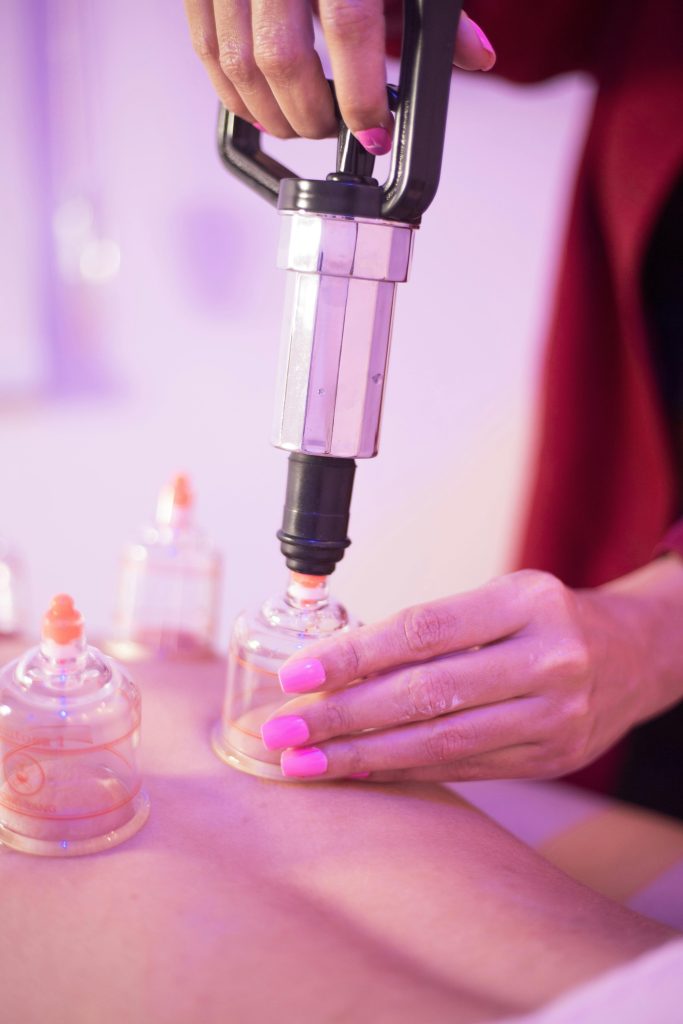
Cupping therapy — an ancient healing method used across many cultures — generally comes in two main types: dry cupping and wet cupping, also known as Hijama. Both methods use suction to improve circulation, but they work in slightly different ways and serve different purposes. What Is Dry Cupping? Dry cupping is simple and non-invasive. It involves placing cups on the skin to create mild suction — without drawing blood. This suction gently lifts the skin and muscle layer, helping to: Relieve muscle tension and stiffness Improve local blood circulation Reduce stress and promote relaxation Because it doesn’t break the skin, dry cupping is safe for home use when done carefully. Many people use it after workouts or as part of a relaxation routine (Cao et al., 2015). What Is Wet Cupping (Hijama)? Wet cupping (Hijama) combines the suction of dry cupping with a small, controlled release of blood. It’s a minimally invasive method, traditionally used to: Remove stagnant or “thick” blood Enhance natural detoxification Support the body’s self-healing and circulation balance Since it involves micro-scratches on the skin, wet cupping should always be performed with sterile tools, clean technique, and professional guidance (AlBedah et al., 2019). Dry vs Wet Cupping They Differ in Health Benefits Method Main Focus Best For Safety Level Dry Cupping Suction only Muscle tension, relaxation, stress relief Very safe, non-invasive Wet Cupping (Hijama) Suction + mild bloodletting Circulation, detox, blood pressure, cholesterol Safe with hygiene and expert care When it comes to supporting heart and blood health, both methods have distinct roles: Dry cupping gently promotes circulation and relaxation, which can help regulate mild blood pressure — though its effect on cholesterol is indirect. Wet cupping (Hijama) can have a more direct effect, supporting better blood pressure and lipid balance when performed properly and regularly. Safe Practice, Realistic Expectations Both types of cupping work best when used as part of a balanced lifestyle — including good sleep, hydration, and diet. Wet cupping is not about removing large amounts of blood; it’s about restoring balance in the microcirculation. With proper technique, hygiene, and frequency, the process remains safe, effective, and naturally restorative. Dry cupping relaxes the body. Wet cupping (Hijama) renews it from within. Understanding the difference helps you choose the right method for your goals — whether it’s stress relief, better circulation, or long-term heart health.
The Healing Benefits of five Wet Cupping Points on the Neck and Shoulders
Discover why wet cupping on the upper neck and shoulder points helps restore blood flow, balance the nervous system, and relieve tension. Learn its 5 core systems and 8 benefits.