
How Rapid Hydration and Wet Cupping at L1 Can Relieve Severe Constipation
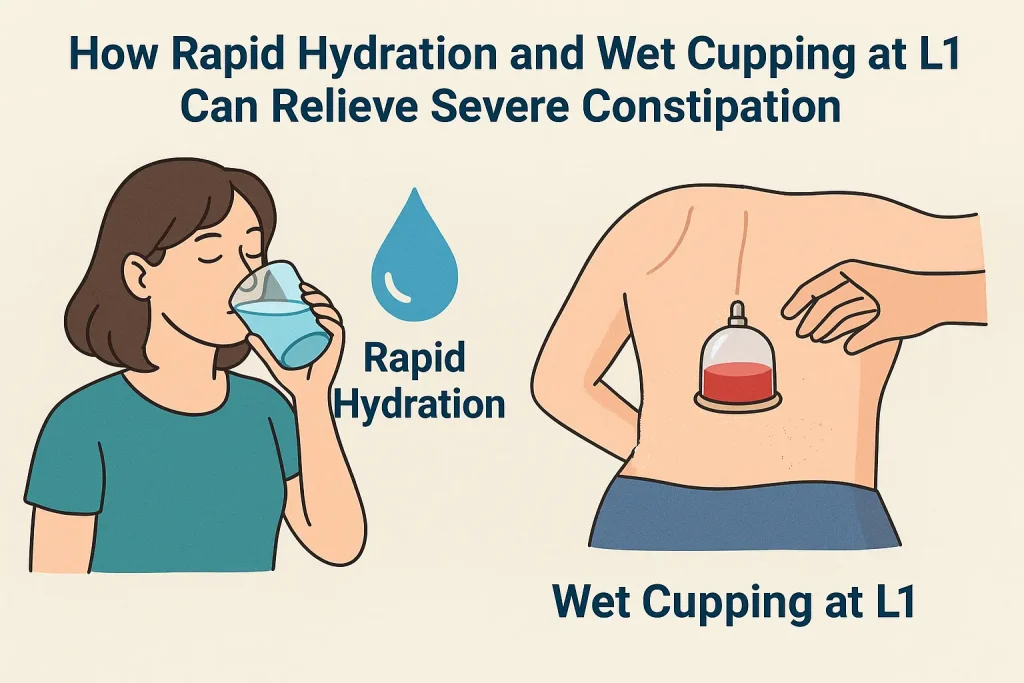
Severe constipation can be uncomfortable and persistent, especially when dietary changes or laxatives provide only temporary relief. A surprisingly effective approach combines rapid hydration with wet cupping along the paraspinal points at L1. This method leverages physiology: hydration softens stool and supports intestinal motility, while wet cupping at L1 stimulates local circulation, parasympathetic tone, and fascia relaxation. The result is improved bowel function without over-reliance on medication. Why Severe Constipation Responds to Hydration Many constipation episodes are linked to: Mild dehydration Reduced intestinal motility Tight fascia around the lumbar spine Stress-induced parasympathetic underactivity Rapid Hydration Supports Intestinal Transit Drinking about 1.5 liters of water in 5–10 minutes can: Expand plasma volume Hydrate intestinal tissues, softening stool Improve microcirculation in the gut area Activate reflexes that support bowel movement People often notice faster relief within hours, particularly when the colon is sluggish due to low fluid intake. Rapid hydration “primes” the system, making other interventions like cupping more effective. Fascia and Muscle Tension Affect Gut Function The thoracolumbar fascia and paraspinal muscles at L1–L2 connect to the colon via fascial and neural pathways. Tight fascia can: Compress sections of the colon Reduce local blood flow Limit parasympathetic signaling Hydration combined with wet cupping helps relax these tissues, enabling intestines to move more freely. Drink 1,5 litres water in 5-10 minutes window with wet cupping can relieve constipation Wet Cupping at L1: How It Helps Constipation For constipation, cups are placed bilaterally at L1, approximately 2–3 finger-widths lateral to the spine. This placement: Stimulates parasympathetic activity, supporting gut motility Improves local circulation in the upper lumbar region Enhances tissue responsiveness to hydration Hydrated tissues respond more effectively to the negative pressure, making cupping more comfortable and improving outcomes. Local Circulation Boost Wet cupping draws blood to the surface, unloads congested capillary beds, and encourages lymphatic and interstitial fluid movement. This helps relieve tissue tension that may slow bowel movements. Improved circulation also supports the removal of local metabolic byproducts that can contribute to fascial stiffness. Fascia Relaxation Supports Gut Motion Cupping over well-hydrated fascia at L1 allows tissue planes to glide more freely. Muscles that were reflexively guarding due to dehydration or stress relax, enabling the intestines to contract more efficiently. This subtle release can make bowel movements smoother without forcing the system. Rapid Hydration Protocol for Constipation Drink about 1.5 liters of water within 5–10 minutes, preferably on an empty stomach Perform wet cupping at L1 afterward Expect increased urination (normal) Repeat for 1–3 days during episodes of sluggish bowel Many people describe feeling lighter, warmer, and more mobile in the abdominal and lower-back region, often noticing bowel movement within hours to a day. Who Benefits Most People likely to notice rapid improvement include those who: Forget to drink water regularly Experience chronic constipation Sit for long hours or work in air-conditioned environments Are older adults with diminished thirst response These factors often coincide with slow intestinal transit and dehydration, making hydration plus L1 cupping particularly effective. Safety Considerations Rapid hydration is generally safe for healthy adults Avoid or consult a doctor if you have heart failure, kidney disease, uncontrolled hypertension, or fluid restrictions Wet cupping should always be performed by trained practitioners Following these precautions ensures both hydration and cupping are beneficial and comfortable, without adverse effects. How This Simple Method Works The combination of rapid hydration + wet cupping at L1 addresses constipation on three levels: Systemic – Increases plasma volume, reduces blood viscosity, and improves circulation Local – Cupping clears congestion in paraspinal tissues affecting the gut Fascial – Hydration restores tissue glide; cupping decompresses tight planes The synergy of these actions explains why some people experience surprisingly fast relief—not through laxatives, but by physiology working in their favor. Ease constipation naturally! Try L1 wet cupping with rapid hydration to boost digestion, relieve tension, and feel lighter today
How Rapid Hydration Helps Ease Lower Back Tightness — and Why Wet Cupping Near the Kidney Line Enhances the Effect
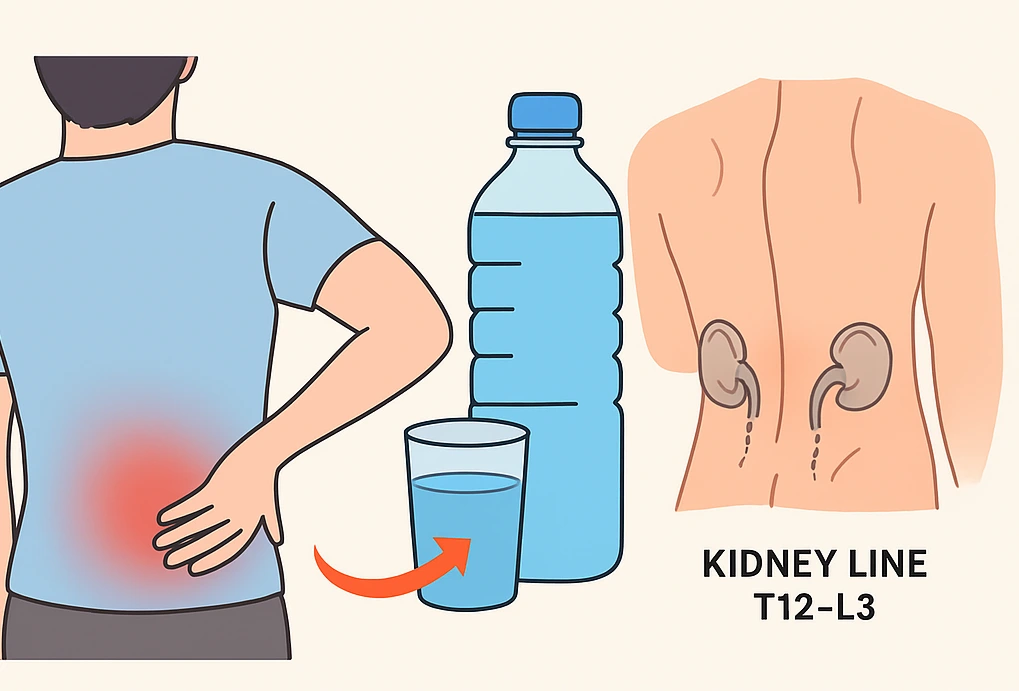
Persistent lower-back tightness can be frustrating—especially when painkillers don’t work and stretching provides only temporary relief. Many people overlook a surprisingly effective tool: rapid hydration, often called “water loading,” combined with wet cupping on the paraspinal points near the kidney line (roughly T12–L3 vertebrae). This approach is physiological, not magical. It works through improved circulation, fascia hydration, and targeted local release. Why Lower Back Tightness Often Responds to Hydration Low-back discomfort that seems sudden usually develops gradually due to: Mild dehydration Increased blood viscosity Reduced fascial glide around the lumbar region Muscle guarding triggered by poor fluid balance Extra stress on the kidneys Rapid Hydration for Lower back tension Relief Blood Volume and Tissue Perfusion Improve Quickly Drinking about 1.5 liters of water in a short window (5–10 minutes) can: Expand plasma volume Reduce blood viscosity Improve microcirculation Relax tissues stiff from poor perfusion In practice, a 58-year-old patient with resistant back pain noticed symptom relief within a day, and by day three, mobility was restored. While anecdotal, this aligns with basic circulatory physiology. Fascia Needs Water to Glide The thoracolumbar fascia—the thick connective tissue in the lower back—relies heavily on hydration. Dehydration makes fascia: Sticky Less elastic More sensitive to stretch Rapid rehydration often restores glide, creating a sensation of the back “unlocking” within hours. Kidney Stress and Muscular Guarding Low hydration increases the osmotic load the kidneys must manage. When kidneys work harder: Muscles around the lumbar region, especially the quadratus lumborum, may tighten reflexively Surrounding fascia becomes more rigid Dull aching along the waistline may appear Hydration alone can sometimes dramatically reduce discomfort along the kidney zone. Rapid Hydration Protocol (about 1.5 L in 5–10 Minutes) Used occasionally during: Lumbar heaviness Waist tightness Mild dehydration Mental fatigue Early signs of muscle spasm Steps: Drink about 1.5 liters of clean water in 5–10 minutes Do it on an empty stomach, 1 hour before meals Expect increased urination (normal) Repeat 1–3 days during an episode Most people report feeling lighter, warmer, clearer, and more mobile in the lower back. Why Wet Cupping Near the Kidney Line Enhances the Effect Hydration Expands Plasma; Wet Cupping Redistributes Local Fluids Combining rapid hydration with wet cupping over the paraspinal lumbar zone (T12–L3) amplifies results. Cups are placed about 2–3 finger-widths lateral to the spine, bilaterally, following the natural curve of the paraspinal muscles. Rapid hydration improves systemic fluid dynamics. Wet cupping then: Draws blood to the surface Unloads congested capillary beds Encourages metabolic waste movement Combined, these actions improve local perfusion, reduce stagnation, and soften the lumbar region. Kidney-Line Points Are Naturally Fluid-Sensitive Points along T12–L3 lie over major fascial junctions and connect to muscles prone to guarding during dehydration. Stimulating these points after hydration produces a stronger, noticeable release than cupping alone. Fascial Hydration Improves the Cupping Response Well-hydrated fascia: Separates more easily Responds better to negative pressure Feels less tender during treatment Hydration before cupping allows cups to lift tissue smoothly and comfortably. Who Benefits Most People likely to notice rapid improvement include those who: Forget to drink regularly Consume lots of coffee or tea Sit long hours or work in air-conditioned environments Have chronic lumbar tightness Are older (reduced natural thirst signals) This profile matches the patient example: 58 years old, long-standing pain, poor response to medication, rapid improvement after hydration. Safety Considerations Rapid hydration is generally safe for healthy adults. Avoid or consult a doctor if you have heart failure, kidney disease, uncontrolled hypertension, or fluid restrictions. Wet cupping should always be performed by trained practitioners. Why This Simple Method Works The combination of structured rapid hydration + wet cupping along the kidney line addresses low-back tightness on three levels: Systemic – Increases blood volume, reduces viscosity, improves circulation Local – Wet cupping clears congestion in areas stiffened by dehydration Fascial – Hydration restores glide; cupping decompresses congested planes The synergy explains why some people experience fast relief—not magic, just physiology in action. Dehydrated and your lower back hurts? See how rapid hydration + wet cupping can help → Read the wet cupping at home.
How Wet Cupping and Spirulina Work Together to Support Recovery, Immunity, and Energy
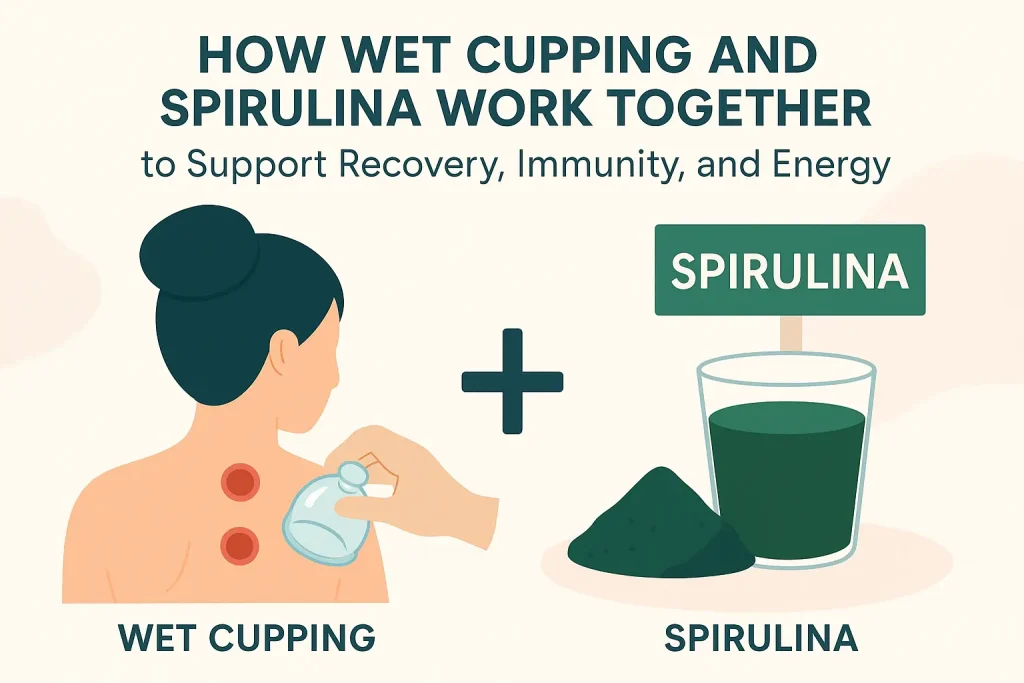
When people look for natural ways to boost their energy, support immune balance, or recover from chronic fatigue, two methods often appear in different corners of wellness: wet cupping and spirulina.Individually, they offer different benefits. But used together — in a safe, structured, evidence-informed way — many people report better stamina, clearer focus, and more stable recovery patterns. This article breaks down how the two work, why the combination feels synergistic, and what to expect safely. What Wet Cupping Does (In Simple Physiology) Wet cupping uses negative pressure followed by light skin pricks to help release stagnant blood from areas that feel heavy, tense, or inflamed.Evidence suggests it may influence: Microcirculation Local inflammatory load Muscle tension Perceived stress and fatigue People often describe feeling “lighter” around the upper back, shoulders, or neck — especially when stagnation has built for years. But wet cupping doesn’t add nutrients. It helps with unloading, not replenishing. And this is where spirulina becomes interesting. What Spirulina Contributes — A Dense Blood-Supporting Nutrition Source Spirilina and wet cupping combination help body recovery,energy and immnunity Illustration Spirulina is a freshwater algae rich in: Iron and B vitamins Protein and essential amino acids Phycocyanin (studied for antioxidant effects) Minerals needed for red blood cell production Chlorophyll compounds associated with detox-supportive activity Its iron bioavailability is higher than many plant-based sources, and multiple studies show spirulina can help improve hemoglobin levels in mild anemia, support immune activity, and maintain energy metabolism. Where wet cupping focuses on draining, spirulina focuses on rebuilding. Why They Feel Synergistic for Many People Unloading + Replenishing = Balanced Support After wet cupping, circulation in the treated area becomes more responsive.Users often report: Easier breathing Warmer hands/feet Less heaviness around the upper back Introducing nutrient-rich spirulina during this window may support recovery by providing iron, protein, and antioxidants that help the body rebuild and replace what’s been stagnant. Micro-Inflammation vs. Nutrient Deficiency Many symptoms overlap: Symptom Could be due to stagnation Could be due to nutrient gaps Fatigue ✓ ✓ Shoulder heaviness ✓ — Low stamina ✓ ✓ Frequent colds — ✓ Wet cupping addresses the local stagnation, spirulina addresses the systemic gaps. Immune Modulation Some early studies suggest spirulina may help modulate immune pathways and support antiviral defense. Combined with wet cupping’s impact on stress load and circulation, many people report: More stable energy Fewer “crashes” Better resilience in stressful weeks For People With Anemia Tendencies Wet cupping is not a treatment for anemia.But many people with borderline anemia describe: Feeling clearer Sleeping better Recovering faster When spirulina is added, the iron + B-vitamin density may complement the subjective benefits felt after cupping. Important Safety Notes This combo can be supportive, but requires mindful use: People with severe anemia, bleeding disorders, or ongoing cancer treatment must consult a clinician before doing wet cupping. Spirulina may interact with autoimmune conditions or heavy metal sensitivities depending on source quality. Avoid sugar excess and artificial additives — not because they “block cupping,” but because they increase systemic inflammation. Use this combination as part of a lifestyle pattern, not as a replacement for medical care. How to Combine Them Safely (General Guidelines) Timing: Most people take spirulina daily, while wet cupping is done every 2–4 weeks. Dosage: Standard spirulina dose ranges 1–3 grams/day, depending on tolerance.Start low, increase slowly. Hydration: Both methods work better when overall hydration improves circulation and recovery. Focus areas for cupping: For fatigue, immune stress, or neck-back heaviness, common target zones include: Upper back (C7–T3) Shoulder girdle Paraspinal thoracic zones Consistency matters more than intensity. Bottom Line Wet cupping helps remove what weighs the body down. Spirulina helps rebuild what the body needs. Together — when applied carefully and safely — they create a complementary pattern: unload, replenish, and rebalance. Discover how to maximize your recovery and energy naturally — read our full guide on Integrative Vascular Support Drinks to complement wet cupping and spirulina.
How Wet Cupping Can Help People Quit Smoking Naturally
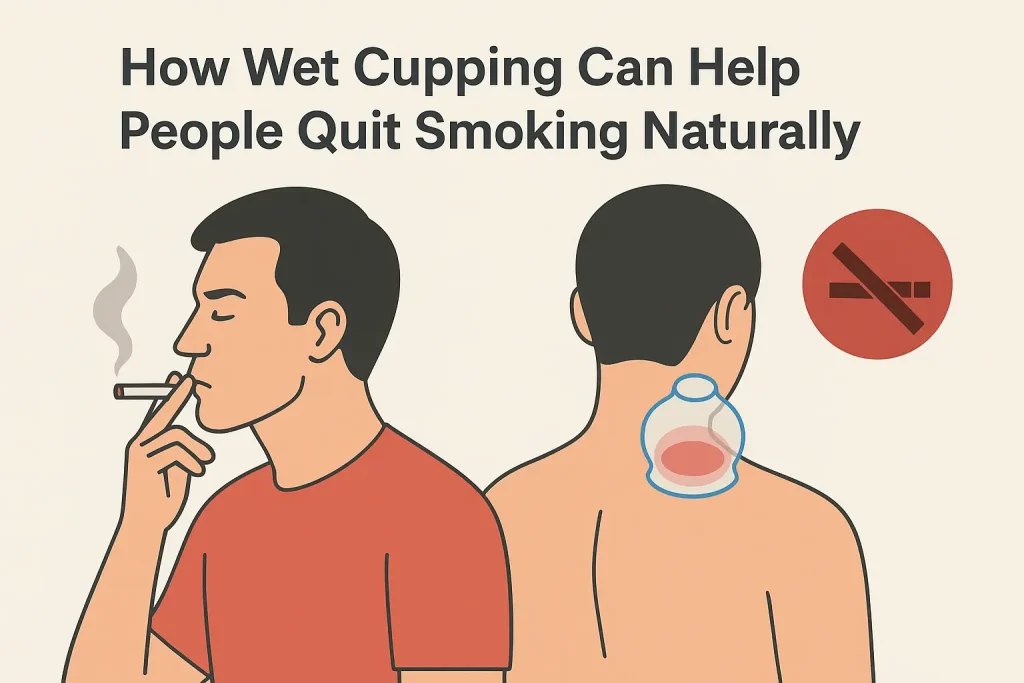
Quitting smoking is more than just overcoming nicotine addiction. Many smokers light up to experience physical relaxation and stress relief—the deep inhale, exhale, and diaphragm movement trigger a sense of calm. Wet cupping, especially on the sternocleidomastoid (SCM) muscle, provides a natural way to achieve similar relaxation while supporting circulation and overall physiological wellness. Wet cupping support people quit smoking Illustration Understanding the SCM Muscle and Relaxation The SCM muscle, located along the side of the neck, often tightens due to stress, long hours at a desk, or poor posture. Tension in this muscle can lead to: Neck and shoulder stiffness Headaches and tension Reduced local blood circulation Wet cupping at the SCM gently lifts the skin and underlying tissue, increasing blood flow and stimulating the nervous system. This helps release tension and provides a calming effect, similar to the relaxation smokers feel when inhaling and exhaling smoke. Reducing Cravings Through Physiological Support Smoking provides both physical and psychological rewards: Physiological: Deep inhalation activates the diaphragm and vagus nerve, slowing heart rate. Psychological: Nicotine triggers dopamine release, creating a temporary sense of reward and relaxation. While wet cupping does not supply nicotine, it can: Reduce muscular tension Induce natural relaxation Lessen the intensity of cravings In this way, the body experiences stress relief naturally, supporting the quitting process without introducing chemicals. Integrative Circulation Support with Natural Ingredients For enhanced effects, wet cupping can be paired with a vascular support tonic made from natural ingredients: Key ingredients: Apple Cider Vinegar Honey Lemon Garlic Ginger Potential benefits include: Anti-inflammatory and antioxidant support, reducing oxidative stress caused by smoking Improved microcirculation, promoting better blood flow in small vessels Detoxification support, assisting the body in removing metabolic waste and harmful substances This integrative approach ensures the body is better prepared physiologically, making cravings easier to manage and relaxation more effective. Combining Habit Change and Wet Cupping Addressing the physical side alone is not enough. Behavioral strategies complement wet cupping for lasting results: Behavioral replacement: Replace smoking with calming routines during cupping sessions, such as deep breathing or short walks. Consistency: Perform SCM wet cupping 1–2 times per week to maintain muscle relaxation. Nutrition & hydration: Daily intake of a vascular tonic supports detoxification and general wellbeing. Lifestyle integration: Adequate sleep, mindfulness, and stress management enhance nervous system balance and reinforce new habits. By combining physical, physiological, and behavioral strategies, quitting smoking becomes more attainable. Safety and Best Practices Before starting SCM wet cupping, it’s important to prioritize safety. Wet cupping is a complementary approach, not a replacement for medical care. Smokers with cardiovascular or other health issues should seek professional guidance. Working with a qualified practitioner ensures the procedure is performed correctly, minimizing the risk of bruising or injury. Additionally, while vascular tonics support wellbeing, they do not substitute for prescribed treatments or nicotine replacement therapies. Medical consultation: Smokers with cardiovascular issues should seek professional advice before starting wet cupping. Qualified practitioner: SCM cupping should be performed by trained professionals to avoid bruising or injury. Complementary, not replacement: The vascular tonic supports wellbeing but does not replace medical treatments or nicotine replacement therapies. Why This Approach Works Wet cupping mimics the relaxation pathway that smokers often seek, providing calming feedback without chemicals. When paired with a vascular support tonic and consistent habit modification, this approach helps: Reduce psychological and physiological cravings Improve blood flow and detoxification Support overall body wellness during the quitting process This combination creates a holistic, evidence-informed strategy that naturally supports people in quitting smoking. Summary Wet cupping at the SCM muscle offers a natural, physiologically supportive method to reduce stress and cravings associated with smoking. By integrating habit replacement, nutritional support, and relaxation, smokers can experience a safer, holistic path to quitting. The method provides: A calming effect similar to smoking Circulatory and detox benefits Behavioral support to reinforce quitting Learn more ways to improve circulation and relaxation in our article on Integrative Vascular Support Drinks
How an Integrative Vascular Support Drink Complements Wet Cupping for Better Circulation

Maintaining healthy blood flow and cardiovascular function is essential for overall wellness. Integrative vascular support drinks—combining apple cider vinegar, raw honey, lemon, garlic, and ginger—are gaining global recognition as functional beverages that support circulation and vascular health. When paired with wet cupping, which targets localized tissue stagnation, these drinks can enhance microcirculation, reduce blood viscosity, and improve overall cardiovascular performance. The Role of Wet Cupping in Circulatory Health Wet cupping is an ancient practice widely used in integrative and traditional medicine to: Remove stagnated blood in targeted areas Reduce micro-inflammation Improve tissue oxygenation and nutrient flow Support detoxification and vascular responsiveness Research and clinical observations indicate that wet cupping helps open capillaries and promote localized circulation, creating an ideal environment for complementary nutritional interventions. Why an Integrative Vascular Support Drink Works A beverage combining ACV, honey, lemon, garlic, and ginger supports circulation through multiple physiological mechanisms: Apple Cider Vinegar (ACV) – Supports healthy blood pressure and lipid metabolism, contributing to smoother vascular function. Raw Honey – Acts as a natural antioxidant and supports endothelial function, helping maintain vessel integrity. Lemon Juice – Rich in vitamin C, improves nitric oxide pathways, and promotes vessel elasticity. Garlic – Enhances nitric oxide production, reduces arterial stiffness, and supports smooth blood flow. Ginger – Contains anti-inflammatory compounds that reduce blood viscosity and support micro-circulation. These ingredients are globally recognized in US and European integrative wellness communities, with studies supporting their roles in vascular health, antioxidant activity, and circulation. beverage combining ACV, honey, lemon, garlic, and ginger Step-by-Step Preparation Ingredients: 1 cup apple cider vinegar 1 cup raw honey 1 cup lemon juice 1 cup garlic juice (≈10 cloves) 1 cup ginger juice (≈2–3 inches root) Instructions: Combine ACV, lemon, garlic, and ginger juice in a non-reactive pot (glass or stainless steel). Heat gently on low flame for 5–10 minutes to blend flavors. Do not boil to preserve vitamin C and enzymes. Let cool below 40°C (104°F), then stir in raw honey until dissolved. Store in sterilized glass bottles in the refrigerator for up to 2 weeks. Shake before each use. Recommended Use: 1–2 tablespoons daily, preferably before breakfast. Can be diluted in 100–150 ml warm water. Synergy Between the Drink and Wet Cupping The drink and wet cupping work together on both systemic and localized circulation: Wet cupping opens local capillaries, while the tonic supports systemic blood viscosity and endothelial health. Anti-inflammatory properties of ginger and honey enhance the benefits of cupping by reducing local and systemic inflammation. Nutrient and bioactive compounds in the drink improve vessel responsiveness, amplifying the circulatory improvements from cupping. Consistent use of both interventions can lead to more sustained micro-circulatory benefits and overall cardiovascular wellness. Tips for Maximum Effectiveness Fresh ingredients: maximize bioactive compounds in ginger, garlic, and lemon. Non-reactive utensils: prevent chemical contamination and preserve nutrients. Consistent daily intake: small doses outperform irregular large doses. Combine with healthy habits: moderate exercise, hydration, and stress management enhance results. Monitor individual response: especially if taking medications or having cardiovascular conditions. Safety Considerations ACV may erode tooth enamel; use a straw. Garlic may cause heartburn in sensitive individuals. People on blood-thinners or with ulcers should consult a healthcare professional. This combination is supportive, not curative, and complements but does not replace medical care. Conclusion An Integrative Vascular Support Drink made from apple cider vinegar, honey, lemon, garlic, and ginger can enhance circulation and support vascular health. When combined with wet cupping, the drink provides both systemic and localized benefits for cardiovascular wellness. Globally accepted, safe, and easy to prepare, this approach bridges traditional wisdom with modern integrative health principles. By integrating this tonic into your daily routine alongside wet cupping and lifestyle practices, you can support circulation, reduce micro-inflammation, and promote overall heart health. Want to support your heart naturally? Explore our complete wet cupping heart-health guide.
Why You Feel Lightheaded When Standing After Sitting Too Long
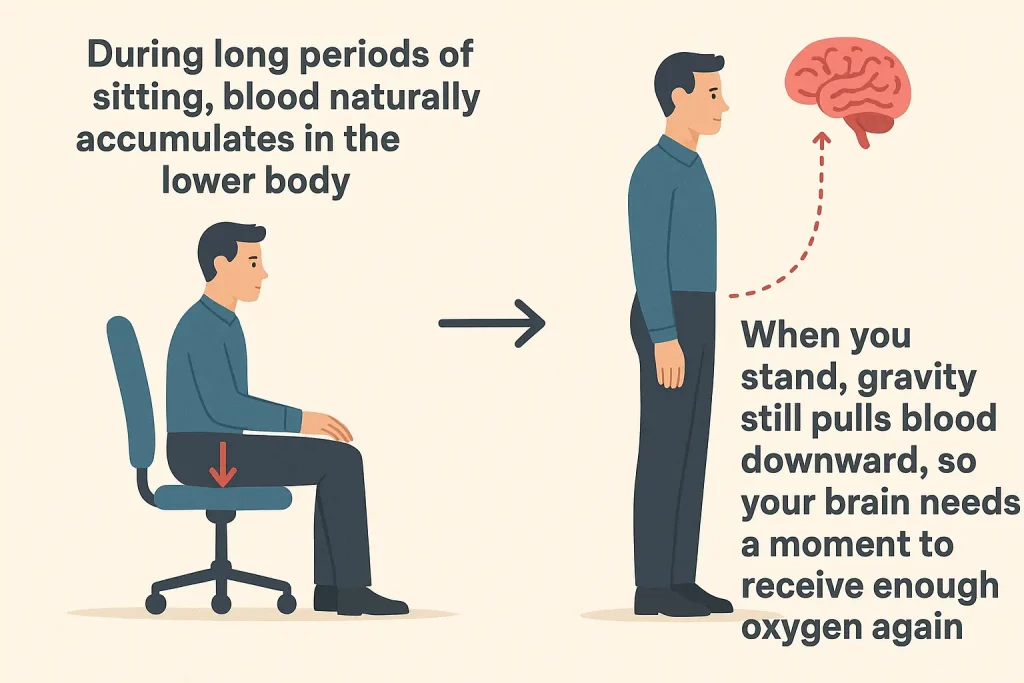
Feeling lightheaded for a few seconds when you stand up—like the room shifts, your vision dims, or your head feels suddenly “empty”—is more common than you think. Most people experience it at least a few times a week, especially if they sit for long periods, stay dehydrated, or move too quickly. In most cases, this sensation is temporary and not dangerous. But understanding why it happens, what your body is trying to do, and how to stop it can make a big difference in daily comfort and energy. What’s Actually Happening When You Stand Up? Lightheadedness Illustration When you rise from sitting, your body must perform a rapid, coordinated adjustment. Blood, which pools in the legs while sitting, suddenly needs to move upward—against gravity—to reach the brain. Your cardiovascular and nervous systems quickly respond to make this happen. If this adjustment is slow, you get temporary reduced blood flow to the brain, causing lightheadedness, dimmed vision, or wobbliness. This moment is known as orthostatic adjustment. The Main Causes of Lightheadedness When Standing Blood Pooling in the Legs (Most Common Cause) During long periods of sitting, blood naturally accumulates in the lower body. When you stand, gravity still pulls blood downward, so your brain needs a moment to receive enough oxygen again. Your body fixes this by: tightening blood vessels increasing heart rate activating the autonomic nervous system If the response is slightly delayed, you’ll feel lightheaded. Dehydration or Low Fluid Intake Even mild dehydration reduces total blood volume, making it harder for your circulatory system to push enough blood back to the brain when you stand. Signs your body lacks fluid include: dry mouth darker urine fatigue morning lightheadedness Hydration directly influences blood thickness and circulation speed. Low Blood Sugar (Skipping Meals) When you skip meals or eat very little, glucose levels drop. Your brain relies heavily on glucose, so any dip can trigger: lightheadedness shakiness low energy difficulty focusing Standing up makes the demand more sudden, amplifying the experience. Weak Circulation From Sedentary Habits Sitting too long means leg muscles aren’t contracting. But these muscles act like “pumps” that push blood upward. When they stay inactive: venous return slows circulation becomes sluggish oxygen delivery decreases This combination makes standing transitions harder. Stress and Sympathetic Nervous System Activation Even without feeling anxious, low-level stress can keep your sympathetic system “on,” tightening muscles and changing blood vessel behavior. This can create: slower circulatory response increased tension in the neck faster but less efficient heartbeat The result is a brief wave of lightheadedness when standing. Shallow Breathing or Poor Posture Sitting with a slouched posture compresses the diaphragm. This encourages: shallow breathing reduced oxygen intake slower gas exchange When you stand quickly, the brain briefly experiences a mismatch between oxygen need and supply. How to Reduce or Prevent Lightheadedness Stand Up Gradually, Not Abruptly Pause for a second before fully rising. Give your blood pressure time to adjust. Eat Balanced Meals at Regular Times Skipping meals or eating too little causes glucose dips that worsen lightheadedness.Combine: complex carbs protein healthy fats This stabilizes blood sugar and improves brain energy. Move Every 30–45 Minutes Even small movements help: leg pumps ankle circles walking to refill your water standing stretches These re-activate circulation and prevent blood pooling. Support Microcirculation With Wet Cupping Wet cupping on the upper back, trapezius, and cervical muscles can help: improve blood flow reduce tension support autonomic balance enhance oxygen delivery This can reduce the frequency of sudden lightheaded episodes, especially for people who sit long hours. Improve Breathing and Posture Straighten the spine, expand the chest, and allow the diaphragm to move freely. Try: slow nasal breathing chest-opening stretches posture resets Better breathing → better oxygenation → less lightheadedness. When Is It Not Normal? Lightheadedness is usually harmless, but you should be cautious if it comes with: chest discomfort fainting irregular heartbeat severe shortness of breath These cases need medical evaluation If you want a natural, science-based way to improve circulation, reduce tension, and support clearer energy throughout the day, learn free e-book Modern Wet Cupping Made Simple
Why You Feel Tired Even After Sleeping 8 Hours

Waking up tired even after a full night’s sleep is one of the most confusing health frustrations. You go to bed on time, sleep 7–9 hours, and still open your eyes feeling heavy, slow, and mentally foggy. For many people, this becomes a pattern—morning fatigue, afternoon crashes, and low energy all day. The good news: your body is not “broken.” Constant tiredness after 8 hours of sleep usually comes from hidden physiological factors that disrupt sleep quality, muscle relaxation, nervous system balance, or nighttime recovery.This article breaks down the most common reasons—and what you can do today to start waking up energized. Your Sleep Quality Is Poor, Even If Sleep Duration Is Long Low sleep quality You may be in bed for 8 hours, but your body may not be reaching enough deep sleep or REM sleep, which are the phases responsible for: hormonal regulation tissue repair memory processing muscle recovery nervous system reset Several factors can reduce deep sleep: Light exposure before bed. Blue light from phones suppresses melatonin, making sleep shallow. Stress and elevated cortisol. High cortisol keeps your body in “alert mode,” lowering deep sleep. Irregular sleep schedule. Sleeping at different times disrupts your circadian rhythm. Hidden nighttime disturbances. You may be waking up micro-arousals due to pain, tension, or breathing issues—without remembering them. Solution: Reduce screen time 1 hour before bed Keep a consistent sleep schedule Use dim lights in the evening Practice wind-down routines (breathing, warm shower, light stretching) Muscle Tension Is Preventing Deep Relaxation A highly overlooked cause of morning fatigue is chronic neck and trapezius tension. When these muscles stay tight through the night, your nervous system remains in a semi-alert state. People with persistent tension often experience: stiff neck upon waking headaches in the morning shallow breathing during sleep restless tossing and turning Tight trapezius and cervical muscles also reduce blood flow and increase sympathetic activity (“fight-or-flight”), blocking restorative sleep. How wet cupping supports deeper relaxation Wet cupping sessions on the upper back, traps, and cervical points may help: release deep muscle tension improve microcirculation reduce stress buildup activate the parasympathetic nervous system (rest-and-digest) This often leads to easier sleep onset and more stable deep sleep cycles. Your Diet Is Quietly Draining Your Energy Even if you sleep well, certain nutrient imbalances can make you feel tired: Low magnesium. Magnesium powers energy production inside cells and relaxes muscles. Low levels can cause morning heaviness and restless sleep. Low B vitamins. B6, B9, and B12 are essential for deep sleep, brain function, and energy metabolism. Not enough complex carbs at dinner. Your brain needs glucose for stable REM cycles. Low-carb dinners can cause nighttime awakenings. Even mild dehydration leads to thickened blood, reduced circulation, and morning fatigue. Foods that support better sleep & morning energy: bananas, seeds, nuts (magnesium) salmon, eggs, yogurt (B vitamins + protein) brown rice, sweet potatoes, oats (complex carbs) leafy greens and avocados (potassium) herbal teas (chamomile, peppermint, lemon balm) Stress Keeps Your Nervous System Activated at Night You may not feel stressed consciously, but your nervous system might still be in high alert mode. Signs of nighttime stress activation include: grinding teeth tense shoulders waking up at 2–3 AM vivid dreaming waking up feeling “tired but wired” Stress increases cortisol, which interrupts both deep sleep and REM cycles. How to lower nighttime stress warm shower or heat pack before bed journaling stressful thoughts slow breathing (4–6 pattern) gentle stretching limiting work/stimulation after 8 PM Wet cupping’s relaxation response also helps lower overall tension over time. Inconsistent Lifestyle Habits Disrupt Sleep Architecture Even small habits accumulate: Drinking caffeine after 2 PM. Caffeine has a half-life of 6–8 hours and may still be active at bedtime. Eating too close to bedtime. Digesting food activates metabolism → reduces sleep depth. Late-night screen exposure. Suppresses melatonin and fragments your sleep. Lack of daytime movement. Exercise improves sleep pressure and deep sleep waves. Small daily habits have a major impact on the depth of your sleep cycles. Your Body Needs Help Resetting Its Internal Rhythm If you sleep the right number of hours but wake up tired, your circadian rhythm may be out of sync. Simple fixes: morning sunlight exposure (5–10 minutes) consistent bedtime & wake time reduce long naps avoid bright light after 9 PM The brain needs stable cues to produce melatonin at the right time. Conclusion: Eight Hours Is Not Enough If Your Body Isn’t Resting Deeply Feeling tired after a full night’s sleep doesn’t mean you’re weak or unhealthy—it simply means your sleep quality and body tension levels need attention. By improving your diet, managing stress, hydrating properly, supporting muscle relaxation, and aligning your circadian rhythm, you can significantly improve morning energy. Integrating wet cupping sessions, especially on the trapezius and cervical areas, may further support: deeper relaxation better circulation reduced stress enhanced parasympathetic activity Together, these create the foundation for truly restorative sleep—so you can wake up refreshed, clear-headed, and energized. If you’ve been feeling tired even after “perfect” sleep, it might be time to restore your circulation pathways too.Learn, Wet Cupping for Chronic Fatigue & Deep Rest, shows simple at-home steps to rebalance your body’s recovery system.
Diet Planning for Sleep Support with Wet Cupping

Sleep disruption is a common issue in today’s fast-paced lifestyle, often caused by stress, muscle tension, and poor daily habits. While relaxation techniques and sleep hygiene are crucial, combining wet cupping therapy with a sleep-supportive diet offers a holistic approach to improve rest and overall well-being. Proper nutrition supports muscle relaxation, regulates circadian rhythms, and enhances circulation, making wet cupping more effective in alleviating tension that interferes with sleep. How Nutrition Influences Sleep Quality Diet has a profound impact on sleep patterns. Certain nutrients help regulate hormones, promote relaxation, and support the nervous system: Magnesium: Helps relax muscles and calm the nervous system, reducing nighttime tension. Sources: spinach, pumpkin seeds, almonds. Tryptophan: An amino acid that aids in serotonin and melatonin production, improving sleep onset. Sources: turkey, eggs, dairy, nuts. Complex carbohydrates: Stabilize blood sugar and support tryptophan transport to the brain. Sources: oats, quinoa, whole grains. B vitamins: Support nervous system function and regulate circadian rhythms. Sources: leafy greens, legumes, eggs. Hydration: Proper water intake prevents nighttime dehydration, which can disrupt sleep. Avoiding stimulants such as caffeine, excessive sugar, and alcohol is equally important, as they interfere with natural sleep cycles and can exacerbate tension in muscles targeted by wet cupping. Restorative Sleep Illustration How Wet Cupping Supports Sleep While nutrition provides internal support, wet cupping therapy offers external relief that directly influences sleep quality: Muscle relaxation: Targeting trapezius, cervical, and upper back muscles reduces tension that often contributes to nighttime discomfort. Enhanced circulation: Improves oxygen and nutrient delivery to muscles and neural tissues, supporting restorative processes. Parasympathetic activation: Gentle suction from wet cupping stimulates relaxation, lowers stress hormones, and promotes deeper, more restorative sleep. For individuals struggling with sleep due to muscle tension or stress, 1–2 wet cupping sessions per week can make a noticeable difference in sleep onset and quality over time. Daily Meal Planning for Sleep Support sleep-supportive meal plan complements wet cupping therapy by providing nutrients that relax muscles, calm the nervous system, and stabilize energy: Breakfast: Oatmeal with almond butter, pumpkin seeds, and a sliced banana; herbal tea for gentle hydration. Mid-morning snack: Yogurt or a handful of nuts to provide tryptophan and magnesium. Lunch: Grilled salmon with quinoa and leafy greens, drizzled with olive oil to support omega-3 intake. Afternoon snack: Carrot sticks, cucumber, or herbal tea to maintain hydration and blood sugar balance. Evening: Wet cupping session targeting trapezius and cervical muscles; follow with light stretching or relaxation exercises. Dinner: Lentil and vegetable stew with whole grains to provide complex carbohydrates and B vitamins; chamomile tea to encourage relaxation. Throughout the day: Maintain water intake, avoid stimulants, and monitor sugar consumption. This approach ensures that internal nutrition and external therapy work together to promote muscular relaxation and hormonal balance necessary for restorative sleep. Lifestyle Habits to Enhance Sleep Quality Beyond diet and wet cupping, lifestyle practices can further support restful sleep: Consistent sleep schedule: Going to bed and waking up at the same time strengthens circadian rhythms. Stress reduction techniques: breathing exercises, or short walks lower cortisol and tension. Ergonomic sleep environment: Supportive pillows and mattress alignment prevent cervical and trapezius strain. Limiting screen time before bed: Reduces blue light exposure, which can suppress melatonin production. Gentle evening movement: Light stretching or yoga relaxes muscles and prepares the body for sleep. Incorporating these habits alongside dietary and cupping routines provides a holistic, multi-dimensional strategy for improving sleep quality. Sample Daily Routine for Sleep Enhancement Morning: Oatmeal with pumpkin seeds and banana; herbal tea; gentle neck stretches Mid-morning snack: Yogurt or a handful of almonds for tryptophan and magnesium Lunch: Grilled salmon with quinoa and leafy greens; olive oil dressing Afternoon: Light stretching or short walk; hydrate consistently Evening: Wet cupping session on cervical and trapezius muscles; gentle stretching or meditation Dinner: Lentil and vegetable stew with whole grains; chamomile tea Throughout the day: Monitor caffeine, sugar, and hydration; practice mindful posture Consistency with this routine supports muscular relaxation, nervous system balance, and sleep readiness, enhancing the effectiveness of wet cupping therapy. Conclusion Sleep disruption is influenced by muscular tension, stress, and dietary factors. Combining wet cupping therapy with a sleep-supportive diet addresses both internal and external contributors to poor sleep. Nutrients like magnesium, tryptophan, complex carbohydrates, and B vitamins calm the nervous system and relax muscles, while proper hydration prevents nighttime disruption. Coupled with targeted wet cupping sessions on trapezius and cervical muscles, individuals experience improved muscle relaxation, reduced stress, and enhanced parasympathetic activation—resulting in deeper, restorative sleep. Integrating consistent meals, hydration, lifestyle habits, and wet cupping offers a holistic and sustainable strategy for better sleep and overall well-being. Unlock deeper, more restorative sleep—discover how targeted wet cupping and a sleep-supportive diet work together to calm your body, relax your muscles, and reset your nights. Start your holistic sleep journey today.
Meal Planning for High Blood Pressure Support with Wet Cupping

High blood pressure (hypertension) is a silent condition that increases the risk of heart disease, stroke, and kidney issues. While medications and lifestyle adjustments are essential, integrating wet cupping therapy with a blood pressure-friendly diet can provide complementary benefits. Proper meal helps regulate vascular tone, reduce inflammation, and support overall cardiovascular health, making wet cupping more effective in alleviating muscular tension and improving circulation. The Connection Between Diet and Blood Pressure Blood pressure is influenced by vascular elasticity, fluid balance, and systemic inflammation. Diet plays a critical role in managing these factors: Excess sodium: High salt intake can cause fluid retention and elevated blood pressure. Processed foods: Often contain hidden sodium and unhealthy fats, contributing to vascular strain. Low potassium intake: Potassium helps balance sodium levels and relax blood vessel walls. Excess sugar: High sugar intake can lead to insulin resistance and weight gain, both risk factors for hypertension. Conversely, a diet rich in potassium, magnesium, fiber, and healthy fats supports vascular health, enhances circulation, and primes the body for effective wet cupping therapy. Key Nutrients for Blood Pressure Management Diet Plan For High Blood Pressure Potassium: Bananas, sweet potatoes, leafy greens, and beans help relax blood vessels and counter sodium effects. Magnesium: Found in almonds, spinach, pumpkin seeds, and legumes, magnesium supports vascular relaxation and muscle function. Fiber: Whole grains, legumes, and fruits stabilize blood sugar and support heart health. Omega-3 fatty acids: Fatty fish, chia seeds, and walnuts reduce inflammation and improve endothelial function. Antioxidants: Berries, citrus, and cruciferous vegetables combat oxidative stress, protecting vascular integrity. By incorporating these nutrients, the body maintains better blood pressure control, which complements the benefits of wet cupping therapy targeting muscle tension and circulation. How Wet Cupping Supports Hypertension Management While diet addresses internal factors, wet cupping therapy provides external support by improving circulation and reducing muscular tension: Cervical and trapezius muscles: Releasing stiffness in these areas improves blood flow and reduces vascular compression. Enhanced microcirculation: The suction effect encourages oxygen and nutrient delivery to muscles and vascular tissues. Stress reduction: Cupping activates the parasympathetic nervous system, lowering stress hormones that can elevate blood pressure. Typical sessions start once every 2-3 weeks, with frequency adjusted according to comfort and response. Over time, many individuals report decreased neck and shoulder tension, better circulation, and improved blood pressure management. Daily Meal Planning Tips for Hypertension Support A structured diet that supports blood pressure management can amplify wet cupping outcomes: Breakfast: Oatmeal with pumpkin seeds, sliced banana, and almond butter; herbal tea for hydration Mid-morning snack: Fresh fruit with a small handful of nuts for potassium and magnesium Lunch: Grilled salmon or mackerel, quinoa, and a leafy green salad with olive oil dressing Afternoon snack: Carrot sticks or cucumber slices with hummus for hydration and fiber Evening: Wet cupping session targeting trapezius and cervical muscles, followed by light stretching Dinner: Lentil and vegetable stew with whole grains; herbal tea to promote relaxation Throughout the day: Maintain hydration, avoid excess salt, and monitor caffeine intake Consistency in nutrition ensures stable blood pressure, reduced inflammation, and muscular readiness, optimizing wet cupping therapy benefits. Lifestyle Habits to Complement Diet and Cupping Beyond nutrition and cupping, several habits enhance hypertension management: Regular physical activity: Walking, swimming, or light aerobic exercise supports vascular elasticity. Stress management: Contemplation, deep breathing, and relax reduce stress-induced blood pressure spikes. Adequate sleep: Restorative sleep supports vascular repair and hormonal balance. Posture awareness: Ergonomic adjustments prevent muscular compression of blood vessels. Limit trigger foods: Reduce sodium, processed foods, and excessive sugar to maintain vascular health. These lifestyle practices, paired with diet and wet cupping, form a comprehensive strategy for blood pressure control and long-term cardiovascular wellness. Sample Daily Routine for High Blood Pressure Support Morning: Oatmeal with pumpkin seeds and banana; herbal tea; gentle neck stretches Mid-morning snack: Almonds and fresh fruit for potassium and magnesium Lunch: Grilled salmon with quinoa and leafy greens; olive oil dressing Afternoon: Short walk or light stretching; hydrate consistently Evening: Wet cupping session on cervical and trapezius muscles; light stretching Dinner: Lentil and vegetable stew with whole grains; herbal tea for relaxation Throughout the day: Monitor sodium intake, maintain hydration, and practice stress-reducing techniques This routine integrates internal and external support, optimizing both vascular health and muscular relaxation for hypertension management. Conclusion High blood pressure is influenced by diet, lifestyle, and muscular tension. A holistic approach combining meal planning with wet cupping therapy addresses multiple contributing factors. Nutrient-rich foods—high in potassium, magnesium, fiber, and omega-3s—support vascular function and reduce inflammation, while hydration and trigger management stabilize blood pressure. Coupled with targeted wet cupping sessions, which relieve muscular tension, enhance circulation, and reduce stress, individuals experience improved comfort, reduced vascular strain, and better blood pressure control. Integrating consistent meals, hydration, lifestyle habits, and wet cupping offers a natural, sustainable strategy for cardiovascular wellness and muscular relaxation. Take control of your blood pressure naturally—discover how meal planning combined with targeted wet cupping can support vascular health, relieve tension, and promote lasting wellness. Start your holistic journey today!
Meal Planning to Support Wet Cupping for Migraine Relief

Migraines can be debilitating, impacting work, sleep, and daily activities. While medications and lifestyle adjustments are common strategies, a holistic approach combining wet cupping therapy with thoughtful meal planning offers complementary support. Targeted nutrition not only helps reduce triggers and inflammation but also enhances circulation and muscular relaxation, making wet cupping more effective in relieving migraine symptoms. How Diet Influences Migraines Migraine attacks are often linked to vascular changes, neurochemical fluctuations, and muscle tension, particularly in the neck and trapezius areas. Certain dietary factors can either exacerbate or mitigate these triggers: Processed foods and additives: MSG, artificial sweeteners, and preservatives can provoke migraines in sensitive individuals. Caffeine: While small amounts may provide relief, excessive caffeine can lead to rebound headaches. Dehydration: Insufficient fluid intake can trigger migraines by affecting blood volume and brain hydration. Sugar spikes: Rapid changes in blood sugar may induce migraine episodes. Conversely, a diet rich in magnesium, omega-3 fatty acids, antioxidants, and hydration supports vascular health, reduces inflammation, and maintains muscle tone—creating optimal conditions for wet cupping therapy to work effectively. Migraine Trigger Food Key Nutrients to Include in Your Migraine-Friendly Diet Magnesium: Found in spinach, almonds, pumpkin seeds, and legumes, magnesium relaxes blood vessels and muscles, reducing the likelihood of migraine onset. Omega-3 fatty acids: Fatty fish, chia seeds, and walnuts decrease inflammation and improve cerebral blood flow. Riboflavin (Vitamin B2): Present in eggs, dairy, and fortified cereals, B2 supports mitochondrial function and reduces migraine frequency. Antioxidants: Fruits and vegetables like berries, citrus, and leafy greens combat oxidative stress, a known contributor to migraine episodes. Hydration: Consistent water intake maintains cerebral circulation and supports tissue health, enhancing the effects of wet cupping. Incorporating these nutrients consistently helps the body manage triggers and supports neuromuscular balance, which is critical when addressing migraines with wet cupping therapy. How Wet Cupping Enhances Migraine Relief While diet lays the foundation, wet cupping therapy provides a physical intervention to alleviate muscular tension and improve blood flow: Targeted points on the trapezius and cervical muscles: Reduce stiffness that can compress blood vessels and nerves, which may contribute to migraine pain. Enhanced circulation: Improves oxygen and nutrient delivery to affected areas, promoting recovery and relief. Parasympathetic nervous system activation: Encourages relaxation, reduces stress hormone levels, and diminishes migraine susceptibility. A typical protocol involves 1–2 sessions per week initially, adjusting frequency based on comfort and response. Over time, individuals often notice fewer migraine episodes, reduced neck tension, and improved overall well-being. Daily Meal Planning Tips for Migraine Management A structured migraine-friendly diet paired with wet cupping can significantly enhance results: Breakfast: Oatmeal with chia seeds, blueberries, and almond butter; herbal tea for hydration Mid-morning snack: Banana or a small portion of nuts to maintain blood sugar stability Lunch: Grilled salmon with quinoa and leafy greens, drizzled with olive oil Afternoon snack: Cucumber slices or carrot sticks with hummus for hydration and nutrients Evening: Wet cupping session targeting trapezius and upper cervical muscles, followed by light stretching Dinner: Lentil and vegetable stew with whole grains, herbal tea to support relaxation Throughout the day: Maintain consistent water intake, avoid triggers, and monitor caffeine and processed foods This approach ensures balanced nutrition, consistent hydration, and muscular readiness, optimizing the effects of wet cupping therapy. Lifestyle Habits to Enhance Migraine Relief In addition to diet and wet cupping, several habits help maintain long-term relief: Stress management: Meditation, deep breathing, or short walks lower cortisol, a trigger for migraine attacks. Regular sleep schedule: Consistent, restorative sleep reduces neurovascular stress. Postural awareness: Correct alignment at desks and screens prevents trapezius and cervical muscle strain. Physical activity: Gentle aerobic exercises, or stretching improve circulation and prevent stagnation in tension-prone areas. Avoiding dietary triggers: Limiting processed foods, excess sugar, and excessive caffeine reduces the likelihood of migraine episodes. Together, these lifestyle practices complement nutrition and wet cupping therapy, creating a holistic framework for migraine management. Sample Daily Routine for Migraine Support Morning: Oatmeal with blueberries and chia seeds; water or herbal tea; light neck stretches Mid-morning snack: Almonds and a banana for magnesium and potassium Lunch: Grilled salmon, leafy greens, quinoa, olive oil dressing Afternoon: Gentle mobility exercises; hydrate with water Evening: Wet cupping session on trapezius and cervical muscles; light stretching Dinner: Lentil and vegetable stew; herbal tea for relaxation Throughout the day: Maintain hydration and monitor migraine triggers Consistency in this routine ensures both internal support via nutrition and external relief via wet cupping, helping reduce frequency and severity of migraines. Conclusion Migraines are multifaceted, influenced by vascular, neurological, and muscular factors. A holistic approach combining wet cupping therapy and migraine-friendly meal planning addresses multiple dimensions of the condition. Nutrients like magnesium, omega-3 fatty acids, and antioxidants reduce inflammation and support circulation, while hydration and trigger management stabilize energy and vascular balance. When combined with targeted wet cupping sessions, which alleviate muscular tension and promote relaxation through parasympathetic activation, individuals experience fewer migraines, reduced neck and shoulder stiffness, and improved overall quality of life. Daily habits, structured meals, and supportive routines amplify these benefits, offering a sustainable, natural strategy for migraine relief. If you’d like a clear, structured way to combine meal planning with safe wet cupping routines, our guide Wet Cupping for Migraine Relief at Home offers simple protocols and food strategies you can start using today.
Meal Planning for Shoulder and Neck Tension Relief with Wet Cupping
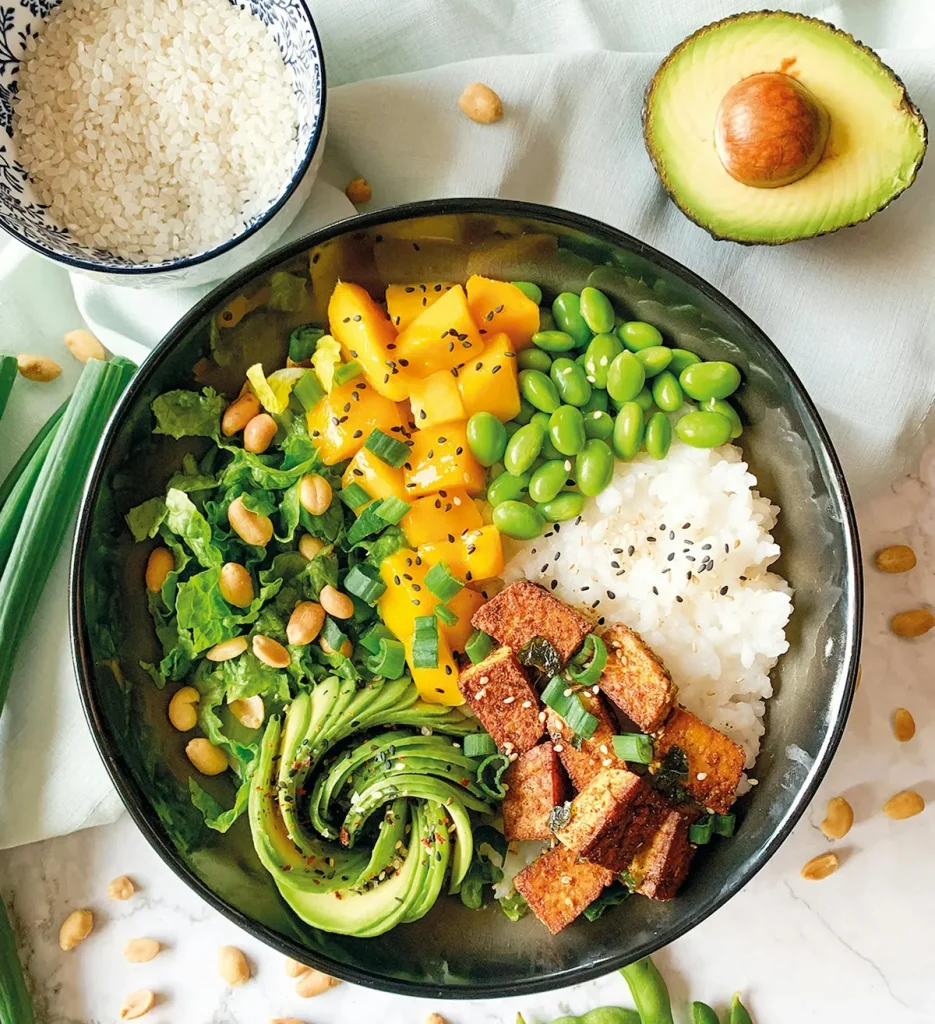
Shoulder and neck tension is a widespread issue in today’s sedentary, screen-focused lifestyle. Muscle stiffness, poor posture, and stress often combine to create chronic discomfort, headaches, and fatigue. While stretching and ergonomic adjustments are commonly recommended, pairing wet cupping therapy with thoughtful meal planning can amplify results, improve circulation, and support long-term muscular health. Nutrients That Support Muscle Relaxation Nutrients Support Muscle Relaxation Nutrition plays a key role in muscle function and recovery. Certain nutrients help relax tight muscles, reduce inflammation, and maintain healthy circulation—allowing wet cupping therapy to be more effective: Magnesium: Found in almonds, pumpkin seeds, spinach, and beans, magnesium helps muscles contract and relax properly, reducing cramping and stiffness. Potassium: Present in bananas, sweet potatoes, and avocados, potassium maintains fluid balance and prevents muscle fatigue. Omega-3 fatty acids: Fatty fish like salmon and sardines, as well as chia and flax seeds, reduce inflammation and support vascular health. Vitamin D: Supports muscle function and repair, helping reduce chronic tension. Sources include sunlight, fortified foods, and fatty fish. Hydration: Adequate water intake keeps tissues supple and aids nutrient delivery to muscles. Incorporating these nutrients consistently ensures muscles receive the support they need to remain relaxed and resilient, complementing wet cupping therapy. How Wet Cupping Enhances Shoulder and Neck Relief While diet provides internal support, wet cupping therapy offers direct physical benefits: Improved circulation: Suction over the trapezius, cervical, and upper thoracic muscles encourages oxygenated blood flow, enhancing nutrient delivery and recovery. Release of tension: The lifting effect on skin and fascia reduces knots and muscular stiffness. Parasympathetic activation: Relaxation triggered by cupping reduces stress hormones, promoting long-term muscular and nervous system balance. For optimal outcomes, sessions can be performed 1–2 times per week, targeting areas prone to tension buildup. Daily Meal Habits to Support Muscle Health Meal planning that prioritizes anti-inflammatory and circulation-supportive foods enhances the effects of wet cupping: Breakfast: Include magnesium-rich foods such as oatmeal with pumpkin seeds and a banana for potassium. Lunch: Lean protein paired with leafy greens, avocado, and whole grains supports repair and sustained energy. Snacks: Nuts, seeds, and fruit provide essential nutrients and prevent blood sugar spikes that may worsen muscle tension. Dinner: Incorporate omega-3-rich fish or plant-based sources with vegetables and complex carbohydrates to aid overnight recovery. Hydration: Consistently sip water and herbal teas to keep tissues hydrated, which improves circulation and reduces stiffness. These nutritional habits work synergistically with wet cupping, preparing muscles to respond more effectively and recover faster. Lifestyle Habits for Long-Term Relief In addition to diet and cupping, certain lifestyle practices enhance shoulder and neck tension relief: Postural awareness: Use ergonomic chairs, adjust screen height, and practice regular posture checks to prevent chronic strain. Stretching breaks: Take short breaks every 30–60 minutes for gentle neck rolls, shoulder shrugs, and spinal mobility exercises. Stress reduction: Breathing exercises, meditation, or brief walks lower cortisol, which contributes to muscular tension. Consistent sleep schedule: Quality rest allows muscles to repair and reduces chronic fatigue. Regular movement: Light aerobic activity or yoga improves circulation, reducing stagnation in the trapezius and neck. These habits amplify both dietary and cupping benefits, creating a holistic approach to muscular wellness. Sample Daily Routine Morning: Oatmeal with pumpkin seeds, banana, and herbal tea; light neck stretches Mid-morning snack: Almonds or walnuts with a small fruit Lunch: Grilled salmon, spinach salad, quinoa, olive oil dressing Afternoon: 5–10 minutes posture and shoulder mobility exercises Evening: Wet cupping session on trapezius and cervical muscles, followed by hydration and light stretching Dinner: Lentil and vegetable stew with whole-grain bread, herbal tea Throughout the day: Maintain hydration and frequent short movement breaks Following this routine consistently supports muscle relaxation, improved circulation, and reduced tension, enhancing the long-term benefits of wet cupping. Conclusion Shoulder and neck tension affects posture, comfort, and overall quality of life. While stretching and ergonomic adjustments help, a holistic approach combining diet and wet cupping therapy provides deeper, longer-lasting relief. Nutrients like magnesium, potassium, and omega-3 fatty acids support muscular function and reduce inflammation, while wet cupping enhances circulation, releases tension, and promotes parasympathetic relaxation. Coupled with consistent daily habits—such as postural awareness, regular stretching, stress management, and hydration—this approach addresses both the physical and internal factors contributing to chronic tension. Over time, individuals experience reduced stiffness, fewer headaches, better posture, and improved energy, all while supporting overall muscular and vascular health. If you want a simple, safe, and structured way to combine wet cupping with daily habits for neck and shoulder relief, you can explore our free e-book with video guide Wet Cupping for Upper-Back Tension for practical steps you can apply at home.
Cholesterol-Friendly Meals to Complement Wet Cupping Therapy

High cholesterol is a major contributor to cardiovascular disease, increasing the risk of heart attacks, stroke, and other serious health issues. Managing cholesterol involves a combination of dietary adjustments, lifestyle habits, and supportive therapies. One often overlooked method is wet cupping therapy, which can complement nutrition and lifestyle changes to improve circulation, reduce muscular tension, and support cardiovascular health. Integrating a cholesterol-friendly diet with wet cupping ensures that both internal and external factors contributing to vascular stress are addressed. Understanding Cholesterol and Its Impact on Circulation Cholesterol is a lipid essential for hormone production, cell membrane integrity, and other vital bodily functions. However, excess low-density lipoprotein (LDL) cholesterol can accumulate in arterial walls, restricting blood flow and increasing the risk of heart disease. Meanwhile, high triglyceride levels may exacerbate vascular inflammation, contributing to tension in the cervical and trapezius muscles—areas commonly targeted by wet cupping therapy. By reducing dietary cholesterol and supporting healthy lipid metabolism, individuals can decrease vascular strain. This allows wet cupping to work more effectively, improving blood flow and releasing muscle tension that may indirectly result from poor circulation. Cholesterol-Friendly Foods to Prioritize Cholesterol Friendly Meals A diet designed to support healthy cholesterol levels emphasizes whole, unprocessed foods with anti-inflammatory properties. Key choices include: Soluble fiber-rich foods: Oats, barley, apples, and legumes help bind cholesterol in the digestive tract, reducing LDL levels. Healthy fats: Olive oil, avocado, and nuts provide monounsaturated fats that improve heart health without raising LDL. Fatty fish: Salmon, sardines, and mackerel contain omega-3 fatty acids that lower triglycerides and support circulation. Vegetables and fruits: Leafy greens, cruciferous vegetables, berries, and citrus fruits provide antioxidants that reduce vascular inflammation. Whole grains: Brown rice, quinoa, and whole wheat provide fiber and stabilize blood sugar, indirectly supporting heart health. By prioritizing these foods, you support both the cardiovascular system and the muscular structures affected by poor circulation, enhancing the benefits of wet cupping therapy. How Wet Cupping Complements Dietary Efforts While nutrition lays the foundation, wet cupping therapy adds a physical dimension to vascular and muscular support. Key benefits include: Enhanced local blood flow: Targeted cupping on the trapezius, cervical, and upper thoracic muscles promotes circulation to areas prone to tension from poor vascular health. Release of muscular tightness: Tight muscles can compress blood vessels and worsen circulation, which may contribute to headaches and fatigue. Parasympathetic activation: Cupping encourages relaxation, lowering stress hormones that can negatively affect cholesterol metabolism. Regular wet cupping sessions, combined with a cholesterol-conscious diet, create a synergistic effect that supports vascular health, reduces muscular tension, and enhances overall well-being. Lifestyle Habits to Maximize Results Beyond diet and cupping, several habits reinforce healthy cholesterol levels and improve circulation: Consistent physical activity: Aerobic exercise, strength training, and yoga support heart health, improve circulation, and reduce stress. Stress management: deep breathing, and mindful practices prevent stress-induced spikes in cortisol, which can negatively affect lipid profiles. Adequate hydration: Sufficient water intake aids circulation, tissue health, and detoxification. Sleep hygiene: Consistent, restorative sleep supports cardiovascular repair and helps regulate metabolism. Monitoring intake: Limiting processed foods, trans fats, and excess sugar helps maintain optimal cholesterol levels. These practices, paired with a cholesterol-friendly diet and wet cupping therapy, provide a comprehensive approach to heart and vascular health. Sample Daily Routine A practical routine to support cholesterol management and muscle relaxation might include: Breakfast: Oatmeal with chia seeds, blueberries, and almond butter Morning: 10-minute neck and shoulder stretches Lunch: Grilled salmon with quinoa and leafy greens, olive oil dressing Afternoon: Short walk or light yoga Snack: Apple slices with walnuts Evening: Wet cupping session on trapezius and upper back points Dinner: Lentil stew with mixed vegetables, herbal tea Throughout the day: Hydrate with water or unsweetened herbal tea Following this routine consistently allows for both internal nutritional support and external muscular and vascular release through wet cupping. Conclusion High cholesterol is not only a risk factor for heart disease but can indirectly contribute to muscular tension and discomfort in areas like the trapezius and cervical spine. A cholesterol-friendly diet rich in fiber, healthy fats, and anti-inflammatory nutrients lays the groundwork for healthier circulation. When combined with wet cupping therapy, which improves blood flow, reduces muscle stiffness, and promotes parasympathetic relaxation, this approach becomes a holistic strategy for cardiovascular and muscular health. Integrating dietary awareness, lifestyle habits, and cupping therapy provides immediate relief from tension and supports long-term wellness. Over time, individuals often notice improved energy, reduced muscular tightness, better circulation, and enhanced heart health—creating a sustainable, natural approach to well-being. Combine a cholesterol-conscious diet with targeted wet cupping to release tension, improve circulation, and support heart health naturally