
Holistic Diet Habits to Enhance Trapezius Tension Release
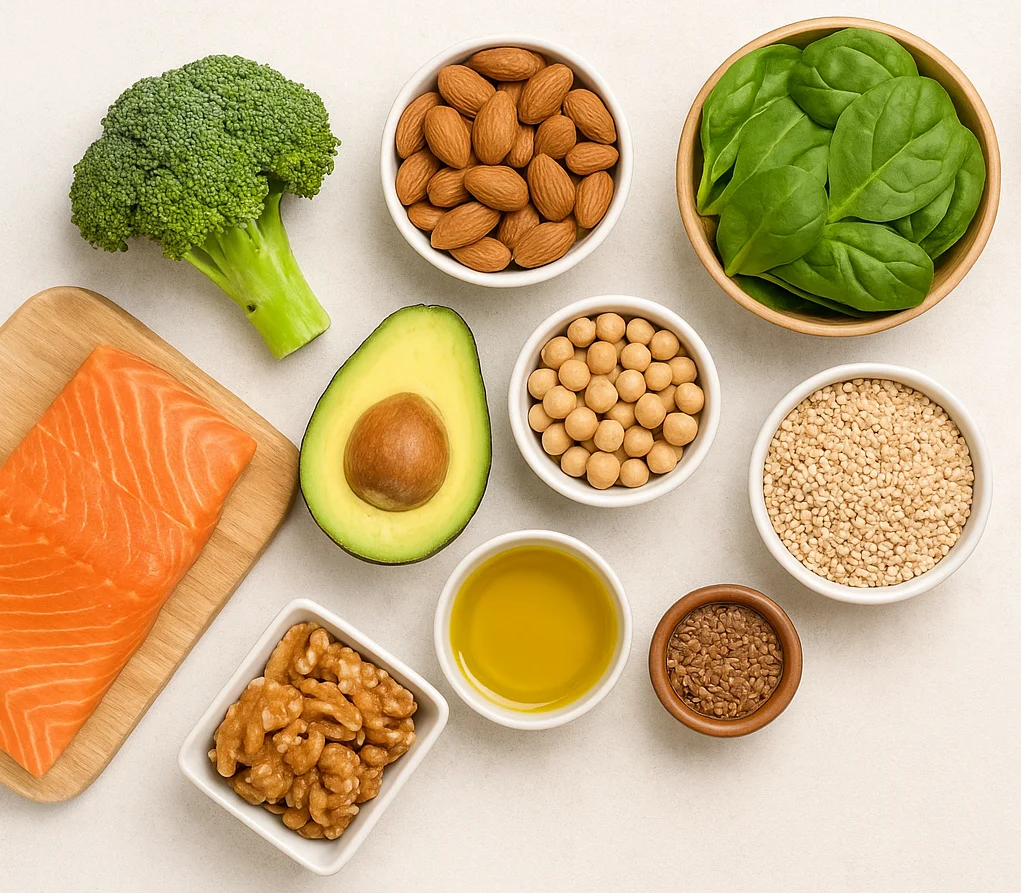
Tension in the trapezius muscle, located across the upper back and shoulders, is a common source of discomfort, stiffness, and headaches. Many people spend hours hunched over desks, looking at screens, or carrying heavy loads, which tightens this critical muscle group. While stretching and posture exercises are commonly recommended, holistic diet habits combined with wet cupping therapy can enhance tension relief and support long-term muscular health. Nutrients That Promote Muscle Relaxation Nutrients for Muscle Relaxation Illustration Muscle tightness is influenced not only by physical strain but also by nutritional status. Certain nutrients help muscles relax, reduce inflammation, and improve circulation, making trapezius tension easier to manage. Magnesium: Essential for muscle relaxation and nerve function. Found in leafy greens, almonds, pumpkin seeds, and legumes. Potassium: Helps regulate fluid balance and nerve signaling. Found in bananas, avocados, sweet potatoes, and spinach. Omega-3 fatty acids: Anti-inflammatory fats that support circulation and reduce muscular stiffness. Sources include fatty fish (salmon, mackerel), chia seeds, and walnuts. Vitamin D: Supports muscle function and reduces chronic pain sensitivity. Found in fortified foods, fatty fish, and sunlight exposure. Hydration: Adequate water intake maintains tissue elasticity, prevents cramping, and supports blood flow to tight muscles. Incorporating these nutrients consistently ensures that your muscles receive the building blocks needed for relaxation and repair. Wet Cupping Protocols for Upper Back Tension While diet provides the internal support, wet cupping therapy offers a physical solution to release trapped tension. By targeting the trapezius, cervical, and upper thoracic points, wet cupping: Improves circulation: Encourages oxygenated blood flow to tight muscles, aiding recovery and relaxation. Reduces muscular stiffness: Gentle suction lifts and stretches tissue, releasing knots and adhesions. Activates the parasympathetic nervous system: Promotes relaxation, lowers stress hormones, and supports better sleep and posture. For best results, sessions can be scheduled every 2 weeks, then adjusted based on progress and comfort. Daily Habits to Maintain Muscle Flexibility Nutrition and cupping are most effective when paired with daily lifestyle habits: Postural awareness: Regularly check alignment while sitting or standing. Ergonomic desks and chair adjustments prevent overuse of trapezius muscles. Stretching and mobility exercises: Gentle neck rolls, shoulder shrugs, and upper back stretches reduce tension buildup. Stress management: breathing exercises, or short walks lower sympathetic nervous system activity, which can contribute to muscle tightness. Hydration and frequent movement: Taking brief breaks every 30–60 minutes to stretch and hydrate keeps muscles supple. Balanced meals: Combining magnesium, potassium, and anti-inflammatory foods enhances the effect of cupping therapy and reduces recurrence of stiffness. A synergistic approach that combines diet, cupping, and supportive habits provides both immediate relief and long-term prevention of trapezius tension. Sample Day Routine for Trapezius Health Morning: Magnesium-rich breakfast (oatmeal with pumpkin seeds and almond butter), light stretching Midday: Lunch including leafy greens, lean protein, and omega-3 sources like salmon or chia seeds Afternoon: Short walk or mobility exercises to counteract sedentary work Evening: Wet cupping session on trapezius and upper back points, followed by hydration and light stretching Throughout the day: Maintain posture awareness and sip water consistently By following this routine, individuals often experience reduced stiffness, improved posture, and decreased tension-related headaches within weeks. Conclusion Trapezius tension is a common issue that affects posture, comfort, and overall well-being. While stretching and physical exercises are important, holistic diet habits and wet cupping therapy provide complementary benefits. Nutrients like magnesium, potassium, and omega-3 fatty acids support muscle relaxation, while wet cupping enhances circulation, releases tight knots, and activates the nervous system for deep relaxation. Coupled with daily habits such as posture management, stress reduction, and proper hydration, this holistic approach provides both immediate relief and long-term muscle health. Individuals often notice reduced stiffness, fewer tension headaches, and improved energy when combining these strategies consistently. Get the essential wet cupping points, habits, and daily techniques to ease trapezius and neck tension.Download your free upper-back pain guide now.
Foods to Avoid for High Blood Pressure When Practicing Wet Cupping

High blood pressure, or hypertension, is a common condition affecting millions worldwide. Uncontrolled hypertension increases the risk of heart disease, stroke, and kidney problems. While lifestyle adjustments are crucial, combining wet cupping therapy with mindful dietary choices can support cardiovascular health naturally. This article explores which foods to avoid, how cupping supports circulation, and habits that maximize results. Key Foods That Raise Blood Pressure Certain foods and beverages can elevate blood pressure, making it harder for wet cupping to achieve optimal benefits. Understanding what to limit or avoid is essential for a holistic approach to vascular health. High-sodium foods: Processed foods, canned soups, fast food, salty snacks, and soy sauce can contribute to fluid retention and increased blood pressure. Sugary foods and drinks: Excess sugar, sodas, and energy drinks can lead to weight gain, insulin resistance, and inflammation, indirectly affecting blood pressure. Processed meats: Sausages, bacon, ham, and deli meats often contain high sodium and preservatives that stress the cardiovascular system. Excess caffeine: Coffee, certain teas, and energy drinks can temporarily raise blood pressure in sensitive individuals. Alcohol: Heavy or frequent alcohol consumption can interfere with blood pressure regulation and vascular health. By avoiding these foods, you reduce strain on the circulatory system, allowing wet cupping therapy to work more effectively on muscular tension and blood flow. Food that elevate blood pressure How Cupping Helps Circulation and Vascular Health Wet cupping therapy is known for its ability to enhance blood flow and lymphatic drainage in targeted areas. When applied to the cervical, trapezius, and upper thoracic regions, cupping helps: Reduce muscular tension: Relaxing tight muscles decreases pressure on blood vessels, supporting smoother circulation. Improve local blood flow: The suction effect encourages fresh oxygenated blood to enter previously stagnant areas. Stimulate the nervous system: Gentle cupping signals the parasympathetic system, promoting relaxation and vascular balance. When paired with a heart-friendly diet, wet cupping becomes a powerful tool to support blood pressure management. The combination of dietary restraint and circulatory support helps reduce the risk of spikes, improve vascular elasticity, and sustain energy levels throughout the day. Balanced Alternatives for Heart-Friendly Meals Transitioning to heart-healthy meals doesn’t mean giving up flavor. Consider these alternatives: Fresh vegetables and fruits: Leafy greens, berries, tomatoes, and citrus fruits provide potassium and antioxidants that help regulate blood pressure. Lean proteins: Fish, poultry, tofu, and legumes offer essential amino acids without the added sodium of processed meats. Whole grains: Oats, brown rice, and quinoa support stable blood sugar and vascular health. Healthy fats: Olive oil, avocado, nuts, and seeds improve cholesterol balance and reduce inflammation. Hydration: Water and herbal teas support circulation and aid in toxin removal, complementing cupping therapy effects. Incorporating these foods into daily meals ensures a nutrient-rich approach to hypertension management while enhancing the benefits of wet cupping. Daily Habits to Maximize Results Diet alone isn’t enough; certain daily habits can reinforce positive outcomes: Consistent cupping schedule: Performing wet cupping 1–2 times per week on key upper back and neck points helps maintain circulation and relieve muscular tension. Regular physical activity: Walking, yoga, or light resistance training promotes healthy blood pressure and circulation. Stress management: Mindful breathing, meditation, and relaxation techniques reduce cortisol levels, which can elevate blood pressure. Sleep hygiene: Adequate rest supports cardiovascular repair and hormone regulation. Monitoring intake: Keeping track of sodium, sugar, and alcohol intake helps maintain consistency in heart-friendly habits. These lifestyle adjustments, combined with dietary vigilance and wet cupping therapy, create a holistic framework for managing high blood pressure naturally. Practical Routine Example A daily routine could look like this: Breakfast: Oatmeal with berries and pumpkin seeds, herbal tea Lunch: Grilled salmon, leafy greens, quinoa Afternoon snack: Unsalted nuts, fruit Evening: Light dinner (tofu stir-fry with vegetables), water or chamomile tea Weekly: Wet cupping session targeting cervical and upper back regions Daily: 10–15 minutes of mindful breathing or light stretching Consistency in both diet and therapy ensures optimal benefits and supports long-term cardiovascular health. Conclusion High blood pressure is a complex condition influenced by diet, lifestyle, and vascular health. By avoiding high-sodium foods, processed snacks, sugary beverages, and excess caffeine or alcohol, you reduce triggers that compromise blood flow. When combined with wet cupping therapy, these dietary choices amplify circulatory benefits, relieve muscular tension, and promote nervous system balance. Adopting heart-friendly meals, consistent cupping sessions, and supportive daily habits creates a sustainable, natural approach to maintaining healthy blood pressure. Over time, individuals often notice improved energy, better circulation, and reduced hypertension risk—all without relying solely on medications If you want a clearer, step-by-step approach to supporting healthy blood pressure—through wet cupping, nutrition, and daily habits—you can explore it further in the book Wet Cupping for High Blood Pressure.
Best Nutrition Plan for Insomnia Supported by Wet Cupping

Sleep is essential for physical restoration, mental clarity, and overall well-being. Yet, insomnia affects millions worldwide, leaving people restless, fatigued, and stressed. While many treatments focus on medication or supplements, combining wet cupping therapy with a nutrition plan tailored for sleep support offers a natural, holistic approach. This strategy targets muscle tension, nervous system imbalances, and dietary triggers that can interfere with restorative sleep. Foods That Calm the Nervous System Insomnia often arises from a hyperactive nervous system. Certain foods and nutrients can support relaxation, serotonin production, and sleep onset. Key nutrients and foods include: Magnesium: Found in leafy greens, pumpkin seeds, almonds, and dark chocolate. Magnesium helps relax muscles, calm nerves, and regulate neurotransmitters involved in sleep. Tryptophan: Present in turkey, eggs, tofu, and dairy. Tryptophan is a precursor to serotonin and melatonin, hormones critical for sleep-wake cycles. Complex carbohydrates: Whole grains, oats, quinoa, and sweet potatoes help stabilize blood sugar and encourage serotonin synthesis. Herbal aids: Chamomile tea, valerian root, or passionflower can support relaxation and prepare the body for sleep. Incorporating these foods consistently throughout the day and particularly in the evening can reduce the mental and physiological tension that often contributes to insomnia. Nutrition Plan for Sleep disorders How Wet Cupping Enhances Sleep Quality While nutrition sets the stage for sleep, wet cupping therapy directly addresses physical tension and circulatory stagnation, which are common culprits in sleep disturbances. Target muscles: The trapezius, SCM (sternocleidomastoid), and upper thoracic muscles are frequent sources of tension that radiate to the head, neck, and shoulders. Improved circulation: By gently releasing trapped blood and promoting lymphatic drainage, wet cupping helps reduce pressure and inflammation in these areas. Parasympathetic activation: Releasing muscular tension sends calming signals to the nervous system, supporting the transition into restorative sleep. For many, effects are noticeable within a few sessions, but combining this therapy with nutrition ensures sustained improvement in sleep quality. Daily Meal Timing and Nighttime Habits Optimizing meal timing and evening habits further supports insomnia relief. Consider these guidelines: Eat dinner 2–3 hours before bedtime – This allows digestion to complete, reducing the chance of nighttime discomfort or reflux. Avoid caffeine and high-sugar foods after mid-afternoon – Stimulants can interfere with the natural winding-down process. Include a small, sleep-promoting snack if needed – Examples: banana with almond butter, oatmeal with a sprinkle of pumpkin seeds, or warm herbal tea. Hydration – Sip water or calming herbal teas, but avoid excessive fluids that could disrupt sleep with nighttime urination. Combining these dietary habits with wet cupping sessions on key neck and shoulder points creates a synergistic effect. Tension is released physically, while the body is nourished for optimal nervous system function. Supporting Habits for Long-Term Sleep Improvement Beyond food and wet cupping, lifestyle habits can reinforce restorative sleep: Mindful breathing or meditation: Practicing 5–10 minutes of diaphragmatic breathing before bed helps reduce stress hormone levels. Gentle evening movement: Light stretching or yoga keeps muscles supple and reduces tension in the trapezius and cervical region. Consistent sleep schedule: Going to bed and waking up at the same time daily trains the circadian rhythm. Screen hygiene: Limiting blue-light exposure at least an hour before bedtime reduces disruption to melatonin production. Sleep-friendly environment: Dark, cool, and quiet rooms enhance sleep depth. Integrating these habits alongside nutrition and wet cupping creates a holistic framework that addresses both cause and symptom of insomnia. Practical Routine Example A simple evening routine could include: 6–7 PM: Light dinner with complex carbs and magnesium-rich vegetables. 7:30 PM: Gentle cervical and trapezius stretching. 8 PM: Herbal tea and hydration. 8:30 PM: Wet cupping session targeting upper back and neck (if at home, follow a safe protocol). 9 PM: Mindful breathing or meditation. 9:30–10 PM: Lights out. Following this structure consistently supports a natural reduction in insomnia symptoms over time. Conclusion Insomnia is multifaceted, often influenced by physical tension, nervous system activity, and dietary choices. A holistic approach that combines wet cupping therapy with nutrition optimized for sleep offers natural relief. By targeting cervical and trapezius tension, promoting circulation, and supporting the nervous system with magnesium, tryptophan, and complex carbohydrates, the body can achieve deeper, more restorative sleep. Consistent practice, mindful evening habits, and supportive nutrition create a sustainable path for improving sleep quality without relying solely on medication. Many individuals notice improved sleep within weeks, alongside reduced muscle tension, better mood, and enhanced daily energy. Boost your sleep with holistic support. Pair nutrition, mindful habits, and targeted wet cupping to release tension and wake up refreshed naturally.
Blood Type Diet for Migraine Relief with Wet Cupping

Migraines can be frustrating and disruptive, affecting daily life, productivity, and overall well-being. While many treatments exist, combining wet cupping therapy with a blood type-specific diet offers a holistic approach to reducing migraine frequency and intensity. This combination targets both physical tension in the cervical and trapezius regions and dietary triggers that may worsen headaches. How Blood Type Influences Migraine Patterns Blood type diet for migraine Illustration Every individual’s digestive system and inflammatory response can vary according to blood type. Research suggests that certain blood types may be more prone to vascular sensitivity or inflammation, which can trigger migraines. For example: Type O: Often benefits from higher protein intake with lean meats and fish; may need to avoid high-fat dairy. Type A: May respond better to plant-based proteins, avoiding processed meats and high-sodium foods. Type B: Can tolerate dairy but should limit wheat and corn products. Type AB: A balanced approach with moderate proteins, vegetables, and low processed foods often works best. Understanding your blood type allows you to make informed dietary choices. Avoiding processed foods, excess sugar, and inflammatory fats can significantly reduce migraine triggers. Additionally, hydration is critical, as even mild dehydration can precipitate headache episodes. Combining Wet Cupping with Personalized Nutrition Wet cupping helps release tension and improve circulation in areas frequently involved in migraine patterns, particularly: Cervical muscles (neck): Tight muscles can compress nerves and blood vessels, intensifying headache pain. Trapezius: Upper back tension often refers pain to the head, increasing migraine susceptibility. By performing wet cupping on these points, circulation improves, lymphatic drainage is stimulated, and muscular tightness is reduced. When paired with a blood type-specific diet, these physical benefits are amplified: Reduced vascular inflammation Lowered frequency of headache triggers Enhanced energy and alertness during the day For many, the first session may produce subtle relief, but consistent practice combined with dietary adjustments can provide long-term results. Daily Food Choices to Reduce Migraine Triggers To complement wet cupping therapy, focus on the following dietary habits according to your blood type: Anti-inflammatory vegetables: Leafy greens, cruciferous vegetables, and colorful produce help reduce systemic inflammation. Protein aligned with blood type: Fish, lean poultry, tofu, or legumes depending on your blood type. Limit processed snacks and sugary drinks: Refined sugars and additives can provoke migraine attacks. Healthy fats: Olive oil, avocado, and nuts provide essential fatty acids without triggering headaches. Hydration: Adequate water intake supports circulation, lymphatic flow, and nutrient transport. Additionally, meal timing can influence migraine susceptibility. Eating at regular intervals prevents dips in blood sugar that may provoke headaches. Avoiding large meals late at night and balancing macronutrients can also support more stable energy levels. Supporting Habits for Maximum Benefit Beyond diet and wet cupping, daily habits play a critical role in migraine management: Stress management: Mindful breathing, meditation, or light yoga can reduce sympathetic nervous system overactivation. Sleep hygiene: Maintain consistent sleep schedules; quality sleep supports vascular health and muscle relaxation. Posture awareness: Regularly stretch or adjust your desk setup to prevent cervical and trapezius tension from building. Hydration and light activity: Short walks or gentle movement improve circulation and complement cupping results. The synergy between wet cupping, blood type-specific nutrition, and lifestyle habits creates a holistic strategy that addresses both the root causes and symptomatic relief of migraines. Conclusion Migraines are complex, and no single approach works for everyone. Combining blood type-informed dietary choices with targeted wet cupping therapy offers a balanced, evidence-informed strategy. By releasing tension in the cervical and trapezius regions, improving circulation, and supporting the body with foods tailored to your blood type, you can reduce migraine frequency, intensity, and reliance on medications. Consistent practice, mindful nutrition, and supportive daily habits create a sustainable path to relief. Over time, many people notice fewer headaches, improved energy, and enhanced overall well-being. Take a holistic approach to migraines. Pair blood type-specific nutrition with gentle wet cupping to release tension, reduce triggers, and feel lighter and calmer naturally.